
Global Unmanned Helicopters Market Size, Share, Trends & Growth Analysis Report Segmented By Type (Small (-2 lbs), Medium (21-55 lbs))), Application, End-user And Regions (North America, Europe, Asia-Pacific, Latin America, Middle East and Africa), 2026-2034
Unmanned Helicopters Market Summary
The Unmanned Helicopters Market size was valued at USD 8.30 Billion in 2025 and is projected to grow from USD 9.60 Billion in 2026 to USD 30.73 Billion by 2034, at a CAGR of 15.65% during the 2026-2034.
Key Takeaways
- The Asia Pacific Unmanned Helicopters Market holds the largest share, accounting for 26.65% share in 2025.
- The U.S. Unmanned Helicopters Market is projected to grow significantly over the forecast period.
- The Unmanned Helicopters Market in Japan is anticipated to show strong growth during the study period.
- In terms of application, the military segment dominates the Unmanned Helicopters Market with 40.55% share in 2025.
- By type, the small product segment is expected to witness the highest CAGR of 14.09% between 2026-2034.
Market Size & Forecast
2025 Market Size: USD 8.30 Billion
2026 Market Size: USD 9.60 Billion
2034 Projected Market Size: USD 30.73 Billion
CAGR (2026-2034): 15.65%
Largest market: North America
Fastest-growing market: Asia Pacific
Unmanned helicopters, commonly referred to as unmanned aerial vehicles (UAVs), are sophisticated aircraft that operate without a human pilot onboard. These advanced systems can be remotely controlled or autonomously navigate pre-defined flight paths, making them versatile tools for a wide range of applications. Equipped with cutting-edge technologies such as sensors, cameras, and communication systems, unmanned helicopters are utilized in various sectors, including military operations, surveillance, agricultural monitoring, and infrastructure inspections. The evolution of these aerial vehicles has been significantly influenced by advancements in aerodynamics, materials science, and artificial intelligence, which have collectively enhanced their performance, reliability, and operational efficiency.
The increasing military expenditure globally has led to a heightened focus on unmanned systems for surveillance and reconnaissance missions. Military budgets have seen a consistent rise, with many nations prioritizing the acquisition of advanced UAV technologies to enhance their operational capabilities. Additionally, the growing demand for aerial surveillance in various sectors, including agriculture and disaster management, is propelling the adoption of unmanned helicopters. The integration of these systems into commercial applications is further supported by advancements in technology, which have improved their efficiency and effectiveness.
Market Dynamics
Unmanned Helicopters Market Drivers
- Technological Advancements in UAV Systems: The rapid evolution of technology in unmanned helicopters is a significant driver of market growth. Innovations in artificial intelligence, machine learning, and sensor technology have enhanced the capabilities of these aerial vehicles. According to the Federal Aviation Administration (FAA), the integration of advanced navigation systems and real-time data processing has improved the operational efficiency of UAVs, making them more reliable for various applications. The FAA's report indicates that the number of registered drones in the United States alone has surpassed 1.7 million, showcasing the increasing adoption of UAV technology across sectors. This technological progression not only enhances the functionality of unmanned helicopters but also expands their potential applications, driving demand in the market.
- Increased Military Expenditure: The global rise in military spending is another critical driver for the unmanned helicopters market. Governments worldwide are investing heavily in defense capabilities, with a particular focus on unmanned systems. The Stockholm International Peace Research Institute (SIPRI) reported that global military expenditure reached approximately $1.9 trillion in 2020, with a significant portion allocated to unmanned aerial systems. This trend is expected to continue as nations seek to enhance their surveillance, reconnaissance, and combat capabilities through the deployment of unmanned helicopters. The strategic advantages offered by these systems, such as reduced risk to personnel and the ability to conduct missions in hostile environments, further fuel their adoption in military operations.
- Growing Demand for Surveillance and Reconnaissance: The increasing need for surveillance and reconnaissance in various sectors, including defense, law enforcement, and disaster management, is propelling the demand for unmanned helicopters. According to the National Oceanic and Atmospheric Administration (NOAA), the use of UAVs for environmental monitoring and disaster response has gained traction, particularly in areas prone to natural disasters. The ability of unmanned helicopters to provide real-time data and imagery enhances situational awareness and decision-making processes. This growing demand for aerial surveillance capabilities is expected to drive the market as organizations seek efficient and cost-effective solutions for monitoring and assessment.
- Regulatory Support and Frameworks: The establishment of regulatory frameworks for the operation of unmanned helicopters is fostering market growth. Government agencies, such as the FAA and the European Union Aviation Safety Agency (EASA), are developing guidelines and regulations to facilitate the safe integration of UAVs into national airspace. These regulations not only ensure safety but also promote innovation and investment in the unmanned helicopter sector. The FAA's Remote Identification rule, which requires UAVs to broadcast identification information, is a prime example of regulatory support that enhances public confidence in the use of unmanned systems. As regulatory environments become more conducive to UAV operations, the market is likely to experience accelerated growth.
Unmanned Helicopters Market Opportunities
- Expansion in Commercial Applications: The commercial sector presents a significant opportunity for the unmanned helicopters market. Industries such as agriculture, construction, and logistics are increasingly adopting UAV technology for various applications, including crop monitoring, site inspections, and delivery services. The U.S. Department of Agriculture (USDA) has highlighted the potential of drones in precision agriculture, estimating that UAVs can improve crop yields by up to 15% through enhanced monitoring and data collection. This growing acceptance of unmanned helicopters in commercial applications is expected to drive market expansion as businesses seek innovative solutions to improve efficiency and reduce operational costs.
- Integration with IoT and Smart Technologies: The integration of unmanned helicopters with Internet of Things (IoT) technologies presents a promising opportunity for market growth. By connecting UAVs to IoT platforms, operators can leverage real-time data analytics and remote monitoring capabilities. The National Institute of Standards and Technology (NIST) emphasizes the potential of IoT in enhancing the operational efficiency of unmanned systems. This integration allows for improved decision-making, predictive maintenance, and enhanced operational safety. As industries increasingly adopt smart technologies, the demand for unmanned helicopters equipped with IoT capabilities is expected to rise, creating new avenues for market development.
- Emerging Markets in Developing Regions: The growth of unmanned helicopters in developing regions offers substantial market opportunities. Countries in Asia-Pacific, Latin America, and Africa are beginning to recognize the potential of UAV technology for various applications, including agriculture, disaster management, and infrastructure development. The World Bank has reported that investments in drone technology can significantly enhance agricultural productivity and disaster response capabilities in these regions. As governments and private sectors in developing countries increasingly adopt unmanned helicopters, the market is poised for substantial growth, driven by the need for efficient and cost-effective solutions to address local challenges.
- Advancements in Battery Technology: The ongoing advancements in battery technology are creating new opportunities for the unmanned helicopters market. Improved battery efficiency and energy density are enabling longer flight times and greater payload capacities for UAVs. The U.S. Department of Energy (DOE) has noted that innovations in lithium-ion and solid-state batteries are paving the way for more powerful and reliable unmanned systems. As battery technology continues to evolve, it will enhance the operational capabilities of unmanned helicopters, making them more attractive for a wider range of applications, from delivery services to emergency response.
Unmanned Helicopters Market Restrain & Challenges
- High Initial Investment Costs: One of the primary challenges facing the unmanned helicopters market is the high initial investment required for advanced UAV systems. The costs associated with research and development, manufacturing, and regulatory compliance can be significant, particularly for small and medium-sized enterprises. The Federal Aviation Administration (FAA) has indicated that the financial burden of acquiring and operating unmanned helicopters can deter potential users, especially in developing markets where budget constraints are prevalent. This challenge may limit the widespread adoption of UAV technology, hindering market growth.
- Regulatory Hurdles and Compliance Issues: Navigating the complex regulatory landscape surrounding unmanned helicopters poses a significant challenge for market participants. Different countries have varying regulations regarding UAV operations, which can create barriers to entry for manufacturers and operators. The European Union Aviation Safety Agency (EASA) has implemented stringent regulations that require compliance with safety and operational standards, which can be time-consuming and costly. As companies strive to meet these regulatory requirements, the potential for delays and increased operational costs may impede market expansion.
- Technological Limitations and Reliability Issues: Despite advancements in UAV technology, certain limitations still exist that can hinder market growth. Issues related to battery life, payload capacity, and operational range can restrict the effectiveness of unmanned helicopters in specific applications. The National Aeronautics and Space Administration (NASA) has noted that while technology is evolving, reliability remains a critical concern for operators, particularly in mission-critical scenarios. Overcoming these technological challenges is essential for enhancing the performance and reliability of unmanned helicopters, thereby driving market acceptance.
Current Trends in the Unmanned Helicopters Market
- Increased Automation and Autonomy: The trend towards increased automation and autonomy in unmanned helicopters is reshaping the market landscape. Advances in artificial intelligence and machine learning are enabling UAVs to perform complex tasks with minimal human intervention. The Federal Aviation Administration (FAA) has recognized the potential of autonomous systems to enhance operational efficiency and safety. As the technology matures, the demand for fully autonomous unmanned helicopters is expected to rise, particularly in applications such as logistics and surveillance, where efficiency and precision are paramount.
- Collaboration with AI and Machine Learning: The integration of artificial intelligence and machine learning into unmanned helicopter operations is a significant trend driving market growth. These technologies enhance the decision-making capabilities of UAVs, allowing them to adapt to changing environments and optimize flight paths. The National Institute of Standards and Technology (NIST) has highlighted the role of AI in improving the accuracy and reliability of UAV systems. As industries increasingly leverage AI-driven solutions, the demand for unmanned helicopters equipped with advanced algorithms is anticipated to grow, creating new opportunities for innovation.
- Focus on Sustainability and Eco-Friendly Solutions: The growing emphasis on sustainability and eco-friendly solutions is influencing the development of unmanned helicopters. Manufacturers are exploring alternative energy sources, such as solar power and hybrid systems, to reduce the environmental impact of UAV operations. The U.S. Environmental Protection Agency (EPA) has noted the importance of adopting greener technologies to mitigate the carbon footprint associated with aviation. As environmental concerns become more prominent, the demand for sustainable unmanned helicopters is expected to increase, prompting manufacturers to innovate and adapt their offerings.
- Integration with 5G Technology: The integration of unmanned helicopters with 5G technology is emerging as a transformative trend in the market. The enhanced connectivity and data transfer capabilities offered by 5G networks enable real-time communication and control of UAVs, improving operational efficiency and safety. The Federal Communications Commission (FCC) has emphasized the potential of 5G to revolution ize the UAV industry by facilitating advanced applications such as remote piloting and real-time data streaming. As 5G technology becomes more widespread, the demand for unmanned helicopters that can leverage these capabilities is expected to grow, enhancing their functionality across various sectors.
Segmentation Insights
Unmanned Helicopters Market Analysis, By Type
The unmanned helicopters market is categorized into two primary types: Small (0-20 lbs) and Medium (21-55 lbs).
- The largest segment in this market is the Medium category. This segment is leading due to its versatility and capability to carry heavier payloads, making it suitable for a wide range of applications, including surveillance, cargo transport, and agricultural monitoring. Medium unmanned helicopters can operate in various environments and are often preferred by military and commercial users for their balance of size, power, and operational efficiency. Their ability to accommodate advanced sensors and equipment further enhances their appeal, allowing for more complex missions and tasks.
- The fastest-growing segment is the Small category. This growth can be attributed to the increasing adoption of small unmanned helicopters in commercial applications, particularly in agriculture and infrastructure inspection. Their lightweight design and ease of deployment make them ideal for tasks that require agility and quick turnaround times. Additionally, advancements in technology have improved the capabilities of small UAVs, enabling them to perform tasks that were previously limited to larger models. As industries continue to recognize the benefits of small unmanned helicopters, this segment is expected to experience rapid growth, driven by demand for cost-effective and efficient solutions.
Unmanned Helicopters Market Analysis, By Application
By Application Type, the market is categorized into Military, Government Agency, Industrial, and Others.
- The largest segment in this category is the Military application. This segment is leading due to the increasing reliance on unmanned helicopters for reconnaissance, surveillance, and combat operations. Military organizations worldwide are investing heavily in UAV technology to enhance their operational capabilities while minimizing risks to personnel. The strategic advantages offered by unmanned helicopters, such as the ability to conduct missions in hostile environments without putting human lives at risk, further solidify their position as a critical asset in modern military operations.
- The fastest-growing segment is the Industrial application. This growth is driven by the rising adoption of unmanned helicopters in sectors such as agriculture, construction, and logistics. Industries are increasingly utilizing UAVs for tasks like crop monitoring, site inspections, and delivery services, recognizing the efficiency and cost savings they provide. The versatility of unmanned helicopters in industrial applications, combined with advancements in technology, is propelling this segment's rapid expansion as businesses seek innovative solutions to enhance productivity and streamline operations.
Unmanned Helicopters Market Analysis, By End-user
By End-user Type, the market is categorized into Defense Agencies, Law Enforcement, and Emergency Services.
- The largest segment in this category is Defense Agencies. This segment is leading due to the significant investments made by governments in unmanned systems for national security and defense purposes. Defense agencies are increasingly deploying unmanned helicopters for intelligence, surveillance, and reconnaissance missions, recognizing their effectiveness in enhancing situational awareness and operational capabilities. The strategic importance of UAVs in modern warfare and defense strategies continues to drive demand in this segment.
- The fastest-growing segment is Emergency Services. This growth is attributed to the increasing use of unmanned helicopters in disaster response, search and rescue operations, and public safety initiatives. Emergency services are leveraging UAV technology to improve response times and enhance situational awareness during critical incidents. The ability of unmanned helicopters to access hard-to-reach areas and provide real-time data is making them invaluable tools for emergency responders. As awareness of their benefits grows, the demand for unmanned helicopters in emergency services is expected to rise significantly.
Unmanned Helicopters Market Regional Insights
The market has been geographically analyzed across five regions: Europe, North America, Asia Pacific, Latin America, and the Middle East & Africa.
- The largest region in the unmanned helicopters market is North America. This region is leading due to the presence of advanced technological infrastructure, significant investments in defense and commercial applications, and a favorable regulatory environment. The United States, in particular, has been at the forefront of UAV development and adoption, with numerous military and commercial applications driving market growth. The increasing demand for unmanned helicopters in various sectors, coupled with ongoing technological advancements, positions North America as a dominant player in the market.
- The fastest-growing region is Asia Pacific. This growth can be attributed to the rising adoption of unmanned helicopters in developing countries, where governments and industries are beginning to recognize the potential of UAV technology for applications such as agriculture, disaster management, and infrastructure development. The increasing investments in drone technology and supportive government initiatives are fostering market growth in this region. As awareness of the benefits of unmanned helicopters continues to expand, Asia Pacific is expected to experience significant growth in the coming years.
Unmanned Helicopters Market Competitive Overview
The competitive landscape of the unmanned helicopters market is characterized by a dynamic interplay of established aerospace and defense companies, as well as emerging startups focused on innovative UAV technologies. Key players are increasingly investing in research and development to enhance the capabilities of their unmanned systems, ensuring they remain at the forefront of technological advancements. This focus on innovation is complemented by strategic partnerships and collaborations, which allow companies to leverage complementary strengths and expand their product offerings. Additionally, firms are actively pursuing diversification strategies, exploring applications across various sectors such as agriculture, logistics, and emergency services, thereby broadening their market reach.
The competitive environment is further intensified by the rapid pace of technological evolution, with advancements in artificial intelligence, machine learning, and sensor technologies driving the development of more sophisticated unmanned helicopters. Companies are also placing a strong emphasis on sustainability, developing eco-friendly UAV solutions to meet the growing demand for environmentally responsible technologies. As the market continues to evolve, the ability to adapt to changing regulatory frameworks and address public concerns regarding safety and privacy will be crucial for maintaining a competitive edge.
Leading Market Players in the Unmanned Helicopters Market
- Leonardo: Leonardo is a prominent player in the unmanned helicopters market, recognized for its extensive expertise in aerospace, defense, and security. The company has developed a range of advanced unmanned aerial systems that cater to both military and civilian applications. Leonardo's commitment to innovation is evident in its investment in research and development, which has led to the creation of cutting-edge UAV technologies that enhance operational capabilities. The company’s unmanned helicopters are designed to perform a variety of missions, including surveillance, reconnaissance, and cargo transport, making them versatile tools for various sectors. Leonardo places a strong emphasis on integrating advanced technologies such as artificial intelligence and machine learning into its UAV systems, enabling enhanced autonomy and decision-making capabilities. Furthermore, the company is dedicated to sustainability, actively exploring eco-friendly solutions that minimize environmental impact.
- Lockheed Martin: Lockheed Martin is a key player in the unmanned helicopters market, leveraging its extensive experience in aerospace and defense to deliver innovative UAV solutions. The company is renowned for its advanced technologies and systems that enhance the capabilities of unmanned helicopters for various applications, including military operations and commercial uses. Lockheed Martin's commitment to research and development is reflected in its continuous efforts to improve the performance, reliability, and efficiency of its UAV systems. The company focuses on integrating cutting-edge technologies, such as advanced sensors and autonomous flight systems, to provide customers with state-of-the-art unmanned solutions. Additionally, Lockheed Martin emphasizes collaboration with government agencies and industry partners to develop tailored solutions that meet specific operational requirements.
- AVIC Helicopter Company: AVIC Helicopter Company is a leading manufacturer of unmanned helicopters, specializing in the design and production of UAV systems for both military and civilian applications. The company is part of the Aviation Industry Corporation of China and has established itself as a significant player in the global unmanned helicopters market. AVIC is known for its robust engineering capabilities and commitment to quality, ensuring that its products meet the highest standards of performance and reliability. The company’s unmanned helicopters are utilized in various sectors, including agriculture, disaster response, and surveillance, showcasing their versatility and effectiveness. AVIC places a strong emphasis on innovation, continuously investing in research and development to enhance the capabilities of its UAV systems.
Top Strategies Followed by Players
- Innovation and Technological Advancement: Leading players in the unmanned helicopters market prioritize innovation and technological advancement as a core strategy to maintain their competitive edge. By investing significantly in research and development, these companies aim to enhance the capabilities of their UAV systems, ensuring they meet the evolving needs of various industries. This focus on innovation encompasses the integration of advanced technologies such as artificial intelligence, machine learning, and sophisticated sensor systems, which improve the operational efficiency and effectiveness of unmanned helicopters. Companies are also exploring new materials and designs to enhance the performance and durability of their UAVs. This commitment to continuous improvement not only helps in developing cutting-edge products but also positions these players as leaders in the rapidly evolving unmanned systems landscape, allowing them to capture a larger share of the market.
- Strategic Partnerships and Collaborations: Another key strategy employed by leading players in the unmanned helicopters market is the formation of strategic partnerships and collaborations. By aligning with other industry leaders, technology providers, and research institutions, companies can leverage complementary strengths and resources to accelerate product development and market entry. These collaborations often focus on joint research initiatives, technology sharing, and co-development of innovative UAV solutions tailored to specific applications. Such partnerships enable companies to enhance their product offerings, expand their market reach, and access new customer segments. Additionally, strategic alliances can facilitate knowledge exchange and foster innovation, ultimately driving growth in the unmanned helicopters market.
- Focus on Sustainability and Eco-Friendly Solutions: As environmental concerns become increasingly prominent, many players in the unmanned helicopters market are adopting sustainability as a core strategy. Companies are actively developing eco-friendly UAV solutions that utilize alternative energy sources, such as electric or hybrid propulsion systems, to minimize their environmental impact. This focus on sustainability not only aligns with global efforts to promote greener technologies but also appeals to a growing segment of environmentally conscious consumers and businesses. By prioritizing the development of sustainable unmanned helicopters, companies can differentiate themselves in the market and enhance their brand reputation.
List of Companies Profiled in the Report are:
- Leonardo
- Lockheed Martin
- AVIC Helicopter Company
- Yamaha Motor Company
- MD Helicopters
- Northrop Grumman
- Elbit Systems
- CybAero
- Schiebel Group
- Airbus Helicopters
List of Segments Covered
This section of the Unmanned Helicopters market report provides detailed data on the segments at country and regional level, thereby assisting the strategist in identifying the target demographics for the respective product or services with the upcoming opportunities.
By Type
- Small (0-20 lbs)
- Medium (21-55 lbs))
By Application
- Military
- Government Agency
- Industrial
- Others
By End-user
- Defense Agencies
- Law Enforcement
- Emergency Services
1.1. Market Segmentation & Scope
1.2. Market Definition
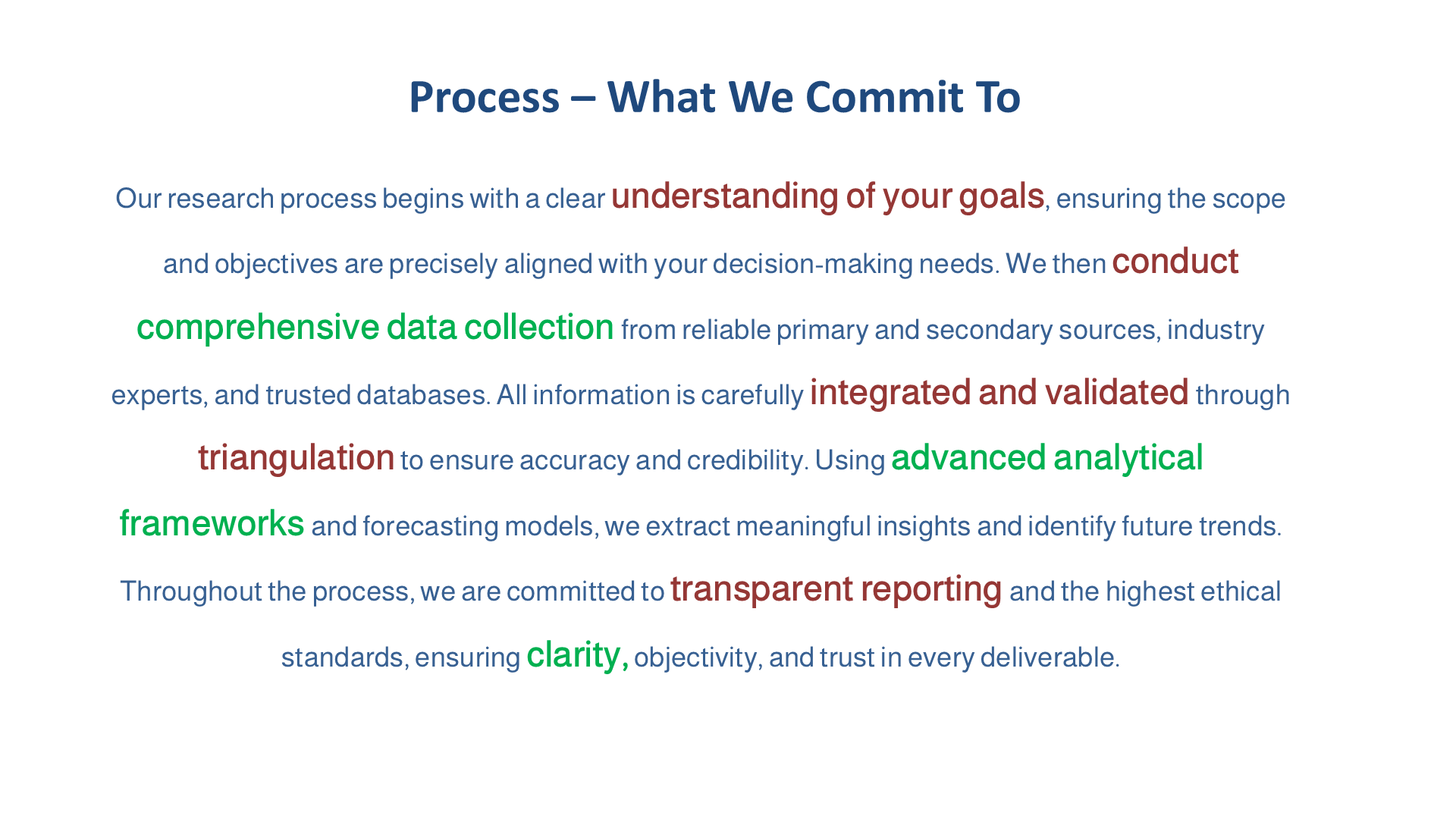
1.3. Information Procurement
1.3.1 Information Analysis
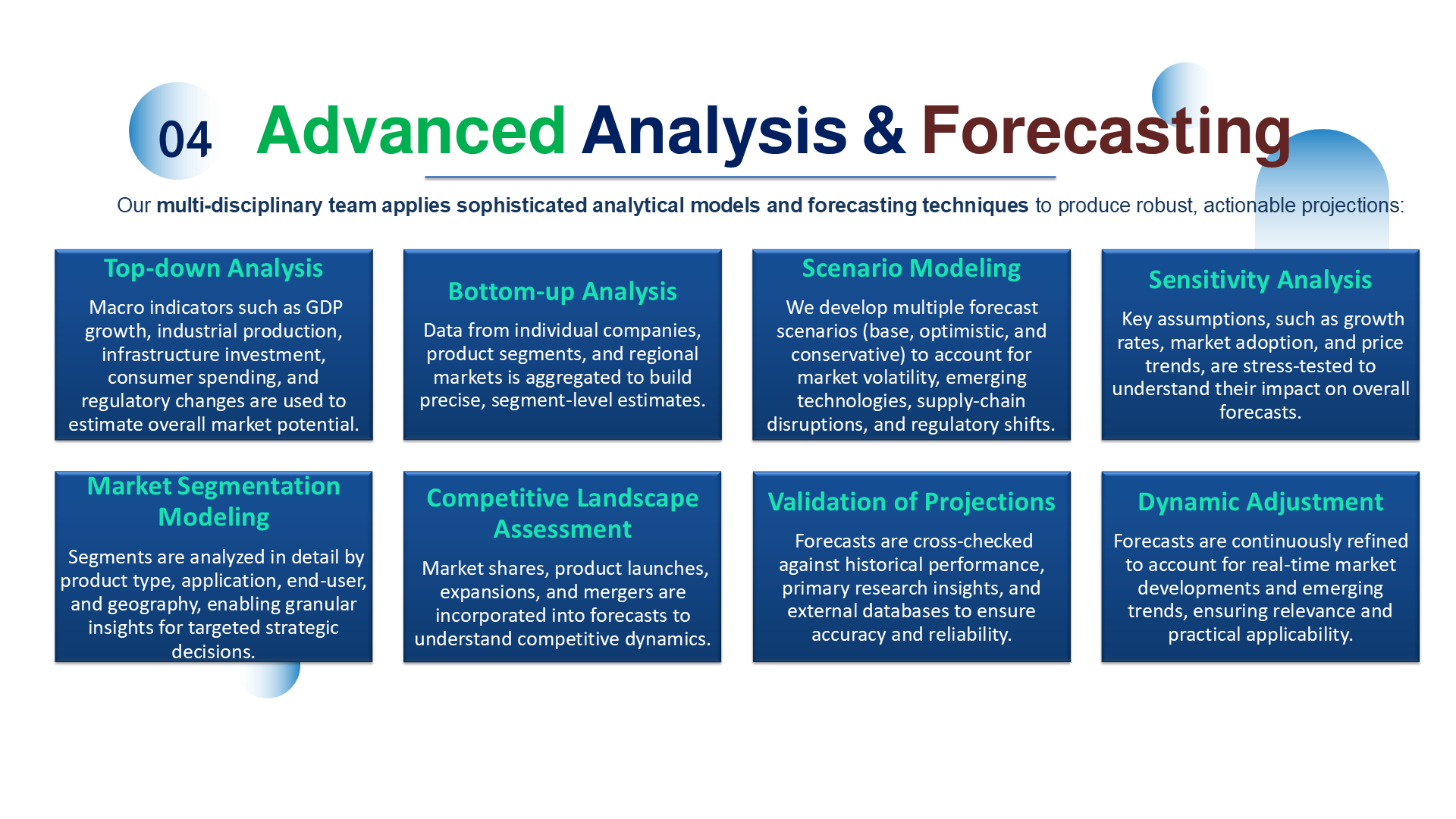
1.3.2 Market Formulation & Data Visualization
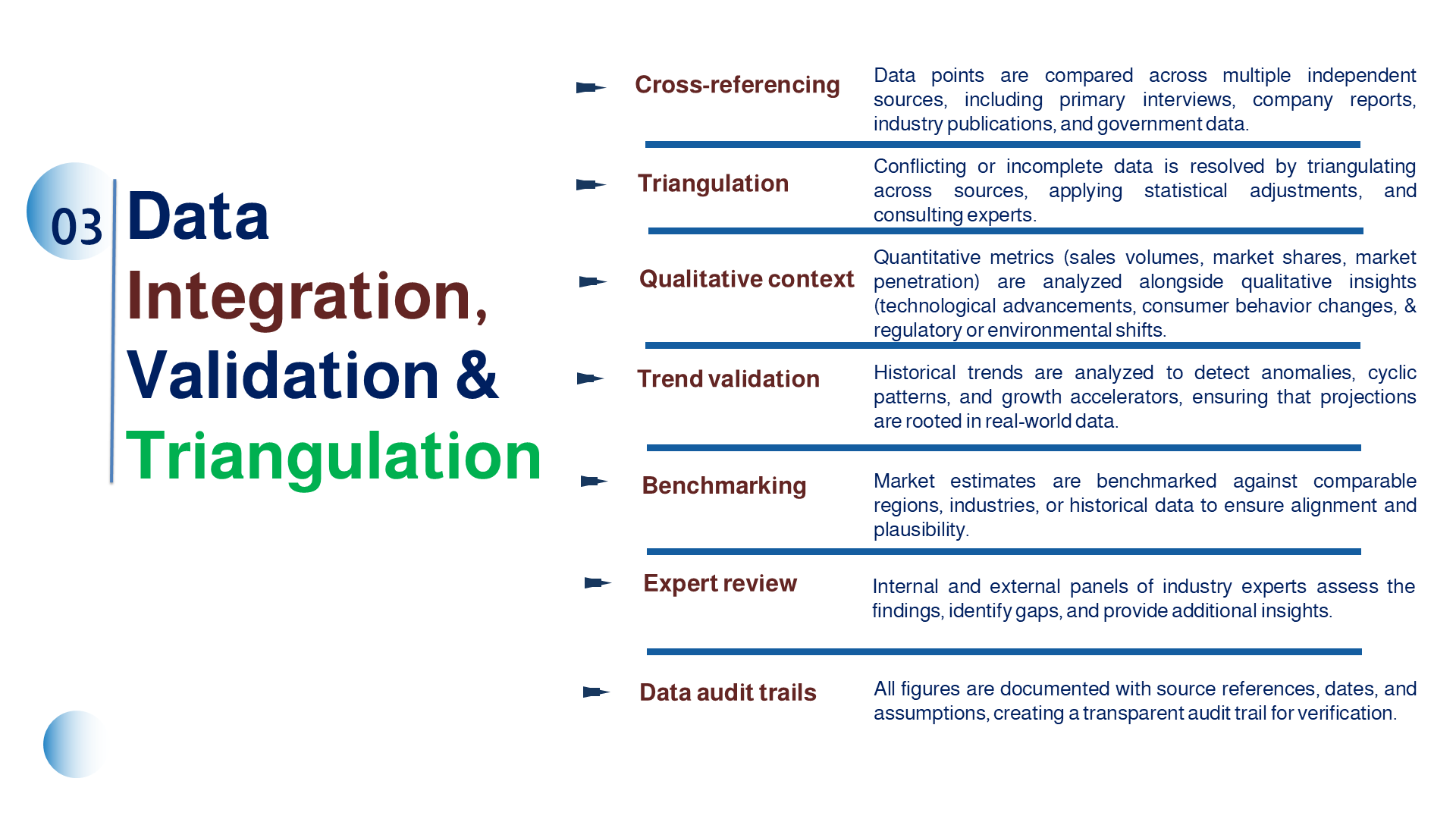
1.3.3 Data Validation & Publishing
1.4. Research Scope and Assumptions
1.4.1 List of Data Sources
Chapter 2. EXECUTIVE SUMMARY
2.1. Market Snapshot
2.2. Segmental Outlook
2.3. Competitive Outlook
Chapter 3. MARKET VARIABLES, TRENDS, FRAMEWORK
3.1. Market Lineage Outlook
3.2. Penetration & Growth Prospect Mapping
3.3. Value Chain Analysis
3.4. Regulatory Framework
3.4.1 Standards & Compliance
3.4.2 Regulatory Impact Analysis
3.5. Market Dynamics
3.5.1 Market Drivers
3.5.2 Market Restraints
3.5.3 Market Opportunities
3.5.4 Market Challenges
3.6. Porter's Five Forces Analysis
3.7. PESTLE Analysis
Chapter 4. GLOBAL UNMANNED HELICOPTERS MARKET: BY TYPE 2022-2034 (USD MN and Units)
4.1. Market Analysis, Insights and Forecast Type
4.2. Small (0-20 lbs) Estimates and Forecasts By Regions 2022-2034 (USD MN and Units)
4.3. Medium (21-55 lbs)) Estimates and Forecasts By Regions 2022-2034 (USD MN and Units)
Chapter 5. GLOBAL UNMANNED HELICOPTERS MARKET: BY APPLICATION 2022-2034 (USD MN and Units)
5.1. Market Analysis, Insights and Forecast Application
5.2. Military Estimates and Forecasts By Regions 2022-2034 (USD MN and Units)
5.3. Government Agency Estimates and Forecasts By Regions 2022-2034 (USD MN and Units)
5.4. Industrial Estimates and Forecasts By Regions 2022-2034 (USD MN and Units)
5.5. Others Estimates and Forecasts By Regions 2022-2034 (USD MN and Units)
Chapter 6. GLOBAL UNMANNED HELICOPTERS MARKET: BY END-USER 2022-2034 (USD MN and Units)
6.1. Market Analysis, Insights and Forecast End-user
6.2. Defense Agencies Estimates and Forecasts By Regions 2022-2034 (USD MN and Units)
6.3. Law Enforcement Estimates and Forecasts By Regions 2022-2034 (USD MN and Units)
6.4. Emergency Services Estimates and Forecasts By Regions 2022-2034 (USD MN and Units)
Chapter 7. GLOBAL UNMANNED HELICOPTERS MARKET: BY REGION 2022-2034 (USD MN and Units)
7.1. Regional Outlook
7.2. North America Market Analysis, Insights and Forecast, 2022-2034 (USD MN and Units)
7.2.1 By Type
7.2.2 By Application
7.2.3 By End-user
7.2.4 United States
7.2.5 Canada
7.2.6 Mexico
7.3. Europe Market Analysis, Insights and Forecast, 2022-2034 (USD MN and Units)
7.3.1 By Type
7.3.2 By Application
7.3.3 By End-user
7.3.4 United Kingdom
7.3.5 France
7.3.6 Germany
7.3.7 Italy
7.3.8 Spain
7.3.9 Russia
7.3.10 Rest Of Europe
7.4. Asia-Pacific Market Analysis, Insights and Forecast, 2022-2034 (USD MN and Units)
7.4.1 By Type
7.4.2 By Application
7.4.3 By End-user
7.4.4 China
7.4.5 Japan
7.4.6 South Korea
7.4.7 India
7.4.8 Australia
7.4.9 South East Asia
7.4.10 Rest Of Asia Pacific
7.5. Latin America Market Analysis, Insights and Forecast, 2022-2034 (USD MN and Units)
7.5.1 By Type
7.5.2 By Application
7.5.3 By End-user
7.5.4 Brazil
7.5.5 Argentina
7.5.6 Peru
7.5.7 Chile
7.5.8 Rest of Latin America
7.6. Middle East & Africa Market Analysis, Insights and Forecast, 2022-2034 (USD MN and Units)
7.6.1 By Type
7.6.2 By Application
7.6.3 By End-user
7.6.4 Saudi Arabia
7.6.5 UAE
7.6.6 Israel
7.6.7 South Africa
7.6.8 Rest of the Middle East And Africa
Chapter 8. COMPETITIVE LANDSCAPE
8.1. Recent Developments
8.2. Company Categorization
8.3. Supply Chain & Channel Partners (based on availability)
8.4. Market Share & Positioning Analysis (based on availability)
8.5. Vendor Landscape (based on availability)
8.6. Strategy Mapping
Chapter 9. COMPANY PROFILES OF GLOBAL UNMANNED HELICOPTERS INDUSTRY
9.1. Top Companies Market Share Analysis
9.2. Company Profiles (Overview, Services, Financials (based on availability), Recent Developments,
Strategies, SWOT, Etc.)
9.2.1 Leonardo
9.2.2 Lockheed Martin
9.2.3 AVIC Helicopter Company
9.2.4 Yamaha Motor Company
9.2.5 MD Helicopters
9.2.6 Northrop Grumman
9.2.7 Elbit Systems
9.2.8 CybAero
9.2.9 Schiebel Group
9.2.10 Airbus Helicopters
LIST OF TABLES
- Market Snapshot
- Segment Outlook
- Competitive Outlook
- Market Analysis By Type-2022-2034 (USD MN and Units)
- Small (0-20 lbs) Market Size By Geography (USD MN and Units)
- Medium (21-55 lbs)) Market Size By Geography (USD MN and Units)
- Market Analysis By Application-2022-2034 (USD MN and Units)
- Military Market Size By Geography (USD MN and Units)
- Government Agency Market Size By Geography (USD MN and Units)
- Industrial Market Size By Geography (USD MN and Units)
- Others Market Size By Geography (USD MN and Units)
- Market Analysis By End-user-2022-2034 (USD MN and Units)
- Defense Agencies Market Size By Geography (USD MN and Units)
- Law Enforcement Market Size By Geography (USD MN and Units)
- Emergency Services Market Size By Geography (USD MN and Units)
- Global Unmanned Helicopters Market Sales By Geography-2022-2034 (USD MN and Units)
- North America Market Analysis (USD MN and Units)
- United States Market Analysis (USD MN and Units)
- Canada Market Analysis (USD MN and Units)
- Mexico Market Analysis (USD MN and Units)
- Europe Market Analysis (USD MN and Units)
- United Kingdom Market Analysis (USD MN and Units)
- France Market Analysis (USD MN and Units)
- Germany Market Analysis (USD MN and Units)
- Italy Market Analysis (USD MN and Units)
- Russia Market Analysis (USD MN and Units)
- Spain Market Analysis (USD MN and Units)
- Rest of Europe Market Analysis (USD MN and Units)
- Asia Pacific Market Analysis (USD MN and Units)
- China Market Analysis (USD MN and Units)
- Japan Market Analysis (USD MN and Units)
- India Market Analysis (USD MN and Units)
- South Korea Market Analysis (USD MN and Units)
- Australia Market Analysis (USD MN and Units)
- South East Asia Market Analysis (USD MN and Units)
- Rest of Asia Pacific Market Analysis (USD MN and Units)
- Latin America Market Analysis (USD MN and Units)
- Brazil Market Analysis (USD MN and Units)
- Argentina Market Analysis (USD MN and Units)
- Peru Market Analysis (USD MN and Units)
- Chile Market Analysis (USD MN and Units)
- Rest of Latin America Market Analysis (USD MN and Units)
- Middle East & Africa Market Analysis (USD MN and Units)
- Saudi Arabia Market Analysis (USD MN and Units)
- UAE Market Analysis (USD MN and Units)
- Israel Market Analysis (USD MN and Units)
- South Africa Market Analysis (USD MN and Units)
- Rest of Middle East and Africa Market Analysis (USD MN and Units)
- Partnership/Collaboration/Agreement
- Mergers And Acquisition
LIST OF FIGURES
- Research Scope of Global Unmanned Helicopters Report
- Market Research Process
- Market Research Methodology
- Global Unmanned Helicopters Market Size, By Regions (USD MN and Units)
- Porters Five Forces Analysis
- PESTLE Analysis
- Market Attractiveness Analysis
- Value Chain Analysis
- Global Market Analysis By Type-2022-2034(USD MN and Units)
- Small (0-20 lbs) Market Sales By Geography (USD MN and Units)
- Medium (21-55 lbs)) Market Sales By Geography (USD MN and Units)
- Global Market Analysis By Application-2022-2034(USD MN and Units)
- Military Market Sales By Geography (USD MN and Units)
- Government Agency Market Sales By Geography (USD MN and Units)
- Industrial Market Sales By Geography (USD MN and Units)
- Others Market Sales By Geography (USD MN and Units)
- Global Market Analysis By End-user-2022-2034(USD MN and Units)
- Defense Agencies Market Sales By Geography (USD MN and Units)
- Law Enforcement Market Sales By Geography (USD MN and Units)
- Emergency Services Market Sales By Geography (USD MN and Units)
- Global Market Sales-2022-2034 (USD MN and Units)
- North America Market Sales-2022-2034 (USD MN and Units)
- Europe Market Sales-2022-2034 (USD MN and Units)
- Asia Pacific Market Sales-2022-2034 (USD MN and Units)
- Latin America Market Sales-2022-2034 (USD MN and Units)
- Middle East & Africa Market Sales-2022-2034 (USD MN and Units)
- Recent Development in Industry
- Top Company Market Share Analysis





Frequently Asked Questions (FAQs) about this Report
How big is the Global Unmanned Helicopters market?
What is the Global Unmanned Helicopters market growth?
Which country holds the highest share in the Global Unmanned Helicopters market?
How is the Global Unmanned Helicopters market segmented in the report?
Who are the key players in the Global Unmanned Helicopters market?