
Global Potassium Derivatives Market Size, Share, Trends & Growth Analysis Report Segmented By Type of Potassium Derivative (Potassium Carbonate, Potassium Sulfate, Potassium Chloride, Potassium Nitrate, Potassium Hydroxide), Application, End-User, Purity Levels, Form And Regions (North America, Europe, Asia-Pacific, Latin America, Middle East and Africa), 2026-2034
The Potassium Derivatives Market size was valued at USD 6.11 Billion in 2025. It is projected to grow from USD 6.52 Billion in 2026 to USD 10.93 Billion by 2034, at a CAGR of 6.67% during the forecast period.
The Potassium Derivatives market is experiencing substantial growth, driven by escalating demand from critical end-use industries, particularly agriculture, where potassium is an essential nutrient for crop health and yield enhancement. The increasing global population and the subsequent need for higher food production are fundamental market drivers. Furthermore, the rising awareness and adoption of potassium derivatives in industrial applications, such as pharmaceuticals, food processing, and various chemical manufacturing processes, contribute significantly to market expansion. Opportunities also arise from the growing trend towards sustainable and eco-friendly chemical solutions, where potassium derivatives offer advantages over conventional alternatives, ensuring a positive outlook for the market's trajectory.
Market Dynamics
Potassium Derivatives Market Drivers
- Increasing Global Demand for Fertilizers to Boost Agricultural Yields: The escalating global population directly drives the demand for increased food production, making potassium derivatives crucial for enhancing agricultural yields. Potassium is a primary nutrient vital for plant growth, disease resistance, and fruit development. The U.S. Department of Agriculture (USDA) consistently reports on the rising global consumption of fertilizers, with potassium-based fertilizers like potassium chloride and potassium sulfate being indispensable for modern agricultural practices aimed at maximizing crop output and quality to feed a growing world.
- Growing Adoption in the Chemical Industry for Diverse Applications: The chemical industry's expanding and diversifying needs are a significant driver for various potassium derivatives, including potassium hydroxide and potassium carbonate. These compounds are fundamental raw materials or catalysts in manufacturing numerous chemicals, detergents, and industrial cleaning agents. According to the Ministry of Statistics and Programme Implementation in India, the manufacturing of chemicals and chemical products shows consistent growth, underscoring the sustained demand for potassium derivatives as essential building blocks in the vast chemical sector.
- Rising Use as a Food Additive and Preservative: The increasing global demand for processed and packaged food products, driven by changing consumer lifestyles and urbanization, is a key driver for potassium derivatives in the food and beverage industry. Potassium derivatives such as potassium sorbate and potassium carbonate are widely utilized as preservatives, acidity regulators, and leavening agents, ensuring food safety and extending shelf life. The Food and Agriculture Organization of the United Nations (FAO) highlights the continuous growth of the global food processing sector, necessitating efficient and safe food additives like potassium derivatives.
- Expanding Applications in the Pharmaceutical Sector: The consistent growth of the global pharmaceutical industry, fueled by an aging population and increasing healthcare expenditure, significantly drives the demand for high-purity potassium derivatives. These compounds serve as crucial excipients, active pharmaceutical ingredients, and buffering agents in various drug formulations and manufacturing processes. According to data published by the Indian Ministry of Finance, healthcare expenditure is steadily increasing, which directly translates into a rising demand for high-quality chemical inputs, including specialized potassium derivatives, for medical applications.
Potassium Derivatives Market Opportunities
- Growing Trend of Sustainable and Organic Farming Practices: The global shift towards sustainable and organic farming methods presents a substantial opportunity for potassium derivatives. As these practices gain traction, there is an increasing demand for fertilizers and soil amendments that are environmentally friendly and promote long-term soil health. Potassium sulfate, for instance, is a preferred choice for organic farming due to its low chloride content. The U.S. Department of Agriculture's National Organic Program continues to expand, indicating a growing market for potassium derivatives that comply with organic certification standards and contribute to ecological balance.
- Development of Advanced Battery Technologies: The rapid evolution of battery technologies, particularly the research and development in potassium-ion batteries (KIBs) as a potential alternative to lithium-ion batteries, offers a promising opportunity for potassium derivatives. These batteries utilize potassium salts as electrolytes, potentially leading to widespread demand for high-purity potassium compounds. Reports from the U.S. Department of Energy highlight ongoing innovations in battery chemistry, where potassium-based solutions are being explored for enhanced performance, lower cost, and greater sustainability, signaling a new and significant application area for potassium derivatives.
- Increasing Demand in Water Treatment and Purification: The global imperative for clean water and the increasing investment in water treatment infrastructure present a growing opportunity for potassium derivatives. Potassium hydroxide and potassium carbonate are used in water purification processes for pH adjustment, coagulation, and disinfection. As detailed by Water For People, a global non-profit, access to clean water remains a critical challenge worldwide, driving government and private sector initiatives for improved water treatment, thereby increasing the demand for effective and safe chemical agents like potassium derivatives.
- Emergence of Niche Industrial Applications and Specialty Chemicals: The continuous innovation in the chemical industry is leading to the emergence of niche industrial applications and specialty chemical formulations that utilize potassium derivatives. This includes their use in advanced ceramics, specialized glass production, and various fine chemical syntheses where their unique properties are highly valued. Research institutions often publish findings on new material science and chemical engineering applications, indicating a constant potential for Potassium Derivatives to find new high-value markets beyond their traditional uses, fostering market growth through diversification.
Potassium Derivatives Market Restrain & Challenges
- Volatility of Raw Material Prices: The Potassium Derivatives market faces a significant restraint due to the inherent volatility in the prices of its primary raw material, potash. Global potash prices are influenced by factors such as geopolitical events, mining capacity, energy costs, and agricultural demand fluctuations. The United Nations Conference on Trade and Development (UNCTAD) frequently highlights the impact of commodity price instability on various industries. These fluctuations directly affect the production costs of potassium derivatives, leading to unpredictable pricing and potentially impacting profit margins for manufacturers and end-users alike.
- Environmental Regulations and Sustainability Pressures: Increasingly stringent environmental regulations globally pose a challenge to the Potassium Derivatives market, particularly concerning mining and chemical manufacturing processes. Regulations related to wastewater discharge, air emissions, and hazardous waste management, as outlined by agencies like the Central Pollution Control Board (CPCB) in India, require significant investments in compliance technologies. While promoting sustainability, these regulations can increase operational costs for producers, potentially limiting production capacity expansions or delaying new project developments within the market.
- Competition from Alternative Products and Technologies: The Potassium Derivatives market faces competition from alternative products and technologies in various applications, which can act as a restraint on its growth. For instance, in the fertilizer sector, competition comes from other macronutrient sources or integrated nutrient management practices. In industrial applications, alternative chemicals might offer different cost-performance profiles. This competitive landscape necessitates continuous innovation and cost optimization from potassium derivative producers to maintain their market share and prevent substitution by functionally similar but potentially cheaper alternatives.
- Logistical and Supply Chain Complexities: The global nature of the Potassium Derivatives market, involving sourcing raw materials from specific mining regions and distributing finished products to diverse end-use industries worldwide, presents inherent logistical and supply chain complexities. Geopolitical tensions, trade barriers, transportation infrastructure limitations, and unforeseen events can disrupt supply chains, leading to delays and increased costs. As noted by various analyses on global supply chain resilience, such factors necessitate robust and diversified logistical strategies, adding a layer of challenge for market participants in ensuring timely and efficient product delivery.
Current Trends in the Potassium Derivatives Market
- Growing Emphasis on High-Purity and Specialty Grades: A prominent trend in the Potassium Derivatives market is the increasing demand for high-purity and specialty grades, particularly from the pharmaceutical, food and beverage, and electronics industries. These sectors require minimal impurities to meet stringent regulatory standards and ensure product efficacy and safety. Manufacturers are investing in advanced purification technologies and rigorous quality control measures to cater to these exacting requirements. The U.S. Food and Drug Administration (FDA) regulations for pharmaceutical ingredients, for instance, are driving the need for extremely pure potassium derivatives.
- Integration of Digitalization and Automation in Production: The Potassium Derivatives market is witnessing a trend towards increased digitalization and automation in production processes. Companies are adopting advanced control systems, sensors, and data analytics to optimize manufacturing efficiency, reduce energy consumption, and improve product consistency. This includes automating material handling, process monitoring, and quality assurance. As highlighted by industrial automation reports, such technological advancements lead to higher operational efficiency, lower labor costs, and enhanced safety, contributing to the competitiveness of potassium derivative manufacturers.
- Development of Sustainable and Circular Economy Approaches: A significant trend impacting the Potassium Derivatives market is the growing adoption of sustainable and circular economy principles. This involves exploring methods for recovering potassium from industrial waste streams, agricultural residues, or wastewater, thereby reducing reliance on virgin potash mining. Researchers are also investigating more environmentally benign production routes for various derivatives. Initiatives promoting resource efficiency and waste valorization, often supported by environmental agencies, are driving innovation towards more sustainable and closed-loop systems in the potassium derivatives industry.
- Expansion into Novel Energy and Battery Applications: There is a notable trend of Potassium Derivatives expanding into novel energy and battery applications, particularly within the nascent potassium-ion battery (KIB) sector and other energy storage technologies. Research into utilizing potassium salts as electrolytes for next-generation batteries is gaining momentum, driven by the abundance and lower cost of potassium compared to lithium. This trend positions potassium derivatives as crucial components in the evolving landscape of energy storage, creating new high-growth opportunities. The U.S. Department of Energy (DOE) actively funds research into alternative battery chemistries, indicating the strategic importance of this development.
Segmentation Insights
Potassium Derivatives market Analysis, By Type of Potassium Derivative
By Type of Potassium Derivative the market is categorized into Potassium Carbonate , Potassium Sulfate , Potassium Chloride , Potassium Nitrate , Potassium Hydroxide .
- Among the types of Potassium Derivative, including Potassium Carbonate, Potassium Sulfate, Potassium Chloride, Potassium Nitrate, and Potassium Hydroxide, Potassium Chloride holds the largest market share. This dominance is overwhelmingly attributed to its widespread and primary application as a fertilizer in the agricultural sector. Potassium chloride, also known as MOP (Muriate of Potash), is the most common and cost-effective source of potassium for crops globally. The immense volume required for global food production makes its agricultural use the leading driver of its market size, far surpassing other derivative types in terms of sheer tonnage.
- The Potassium Hydroxide segment is experiencing the fastest growth among the types of Potassium Derivative. This accelerated growth is primarily fueled by its diverse and expanding industrial applications, particularly in the production of various chemicals, soaps, detergents, and as an electrolyte in certain types of batteries. The robust growth in the chemical manufacturing and pharmaceutical sectors, coupled with increasing demand for liquid fertilizers and specialty industrial cleaners, is driving the rapid adoption of potassium hydroxide due to its strong alkaline properties and versatility across multiple industrial processes.
Potassium Derivatives market Analysis, By Application
By Application, the market is categorized into Agriculture, Chemical Industry, Food and Beverage.
- Among the applications, the Agriculture segment holds the largest share for Potassium Derivatives. This dominance is primarily attributed to the critical role potassium plays as an essential macronutrient for crop growth, yield enhancement, and overall plant health. Potassium derivatives, predominantly potassium chloride and potassium sulfate, are extensively used as fertilizers to supplement soil potassium levels globally. The imperative to feed a growing global population drives the high-volume consumption of these derivatives in agricultural practices worldwide, making it the most significant application segment.
- The Chemical Industry segment is demonstrating the fastest growth among the listed applications. This rapid expansion is primarily fueled by the increasing demand for various potassium derivatives as fundamental raw materials, catalysts, and reagents in the synthesis of a broad spectrum of chemicals, including specialty chemicals, detergents, and industrial cleaning agents. The continuous innovation and diversification within the global chemical manufacturing sector, coupled with the need for efficient and high-performance chemical inputs, are driving the accelerated adoption and consumption of potassium derivatives in this dynamic industry.
Potassium Derivatives market Analysis, By End-User
By End-User, the market is categorized into Agricultural Sector, Industrial Sector, Food Processing Sector, Pharmaceutical Sector.
- Among the end-user segments, the Agricultural Sector represents the largest market for Potassium Derivatives. This leading position is unequivocally driven by the indispensable role of potassium in modern farming practices to achieve optimal crop yields and quality. Potassium derivatives, particularly potassium chloride and potassium sulfate, are the most widely used forms of potassium fertilizer. The global necessity to produce sufficient food for an expanding population ensures consistent and high-volume demand from this sector, making it the dominant consumer of potassium derivatives.
- The Pharmaceutical Sector is demonstrating the fastest growth among the listed end-user segments. This accelerated growth is primarily fueled by the robust expansion of the global pharmaceutical industry, driven by an aging population, increasing prevalence of chronic diseases, and continuous advancements in drug discovery and manufacturing. High-purity potassium derivatives serve as crucial excipients, active pharmaceutical ingredients, and buffering agents in various drug formulations, requiring stringent quality control and specialized grades. The ongoing innovation and increased production of pharmaceuticals worldwide are significantly boosting demand from this high-value segment.
Potassium Derivatives market Analysis, By Purity Levels
By Purity Levels, the market is categorized into Low Purity (Below 90%), Medium Purity (90% - 95%), High Purity (Above 95%).
- Among the purity levels, the Low Purity (Below 90%) segment holds the largest market share for Potassium Derivatives. This dominance is primarily driven by the massive consumption of potassium chloride in its granular or bulk form as a fertilizer for agricultural applications. For widespread field application, the absolute highest purity is not always a critical requirement, and cost-effectiveness is often prioritized. The sheer volume demanded by global agriculture, where a certain level of impurities is acceptable, makes this segment the largest in terms of market volume.
- The High Purity (Above 95%) segment is experiencing the fastest growth among the purity levels. This accelerated growth is primarily fueled by the increasing demand from high-value and sensitive end-user industries such as pharmaceuticals, food and beverage, and electronics. These sectors require potassium derivatives with minimal impurities to ensure product safety, efficacy, and compliance with stringent regulatory standards. The continuous expansion and stringent quality requirements of these industries are driving the rapid adoption and growth of high-purity potassium derivative products, justifying their higher cost.
Potassium Derivatives market Analysis, By Form
By Form, the market is categorized into Granular, Powder, Liquid.
- Among the forms, the Granular segment holds the largest market share for Potassium Derivatives. This dominance is primarily attributed to the widespread and high-volume use of granular potassium derivatives, especially potassium chloride and potassium sulfate, in agricultural applications as fertilizers. Granular forms offer advantages in terms of ease of handling, storage, and application through conventional spreading equipment, leading to more uniform distribution in fields. The immense scale of global agricultural demand for fertilizers makes the granular form the predominant choice in the market.
- The Liquid segment is experiencing the fastest growth among the forms. This accelerated growth is primarily fueled by the increasing adoption of precision agriculture techniques and specialized industrial applications where liquid formulations offer distinct advantages. In agriculture, liquid potassium derivatives enable precise nutrient delivery through fertigation systems, improving uptake efficiency. In industrial sectors like oil and gas, liquid potassium formate or hydroxide brines offer superior rheological properties and easier handling in complex drilling operations. The convenience, adaptability, and enhanced performance of liquid forms are driving their rapid expansion.
Potassium Derivatives Market Regional Insights
The market has been geographically analysed across five regions, Europe, North America, Asia Pacific, Latin America, and the Middle East & Africa.
- Among the regions, Asia-Pacific currently holds the position as the largest and fastest-growing market for Potassium Derivatives. This dominance is primarily attributed to the region's vast agricultural land and the immense need for fertilizers to support a large and growing population, particularly in countries like China and India. Additionally, rapid industrialization, burgeoning chemical manufacturing, and increasing urbanization leading to higher demand for processed foods and pharmaceuticals further contribute to the high consumption of various potassium derivatives across diverse applications in this region.
Potassium Derivatives Market Competitive Overview
The Potassium Derivatives market exhibits a competitive landscape characterized by the presence of a few large, integrated global chemical companies alongside numerous regional and specialized manufacturers. Competition is driven by factors such as raw material access, production efficiency, product quality and purity, and the ability to offer a broad range of derivatives. Strategic moves often involve vertical integration to control raw material supply (potash mining), investment in research and development for high-purity grades or novel applications, and expanding distribution networks to penetrate emerging markets. Compliance with environmental regulations and a focus on sustainable production are also becoming crucial competitive differentiators within this market.
Leading Market Players in the Potassium Derivatives Market
- Evonik Industries AG: Evonik Industries AG is a global leader in specialty chemicals, and its portfolio includes a significant presence in the Potassium Derivatives market. The company leverages its extensive expertise in chemical synthesis and advanced manufacturing processes to produce high-quality potassium derivatives, catering to a diverse range of industries. Evonik is known for its commitment to innovation, developing sustainable solutions and specialized products that meet the stringent requirements of pharmaceutical, food, and industrial applications. Their strong research and development capabilities and global reach position them as a key player in providing cutting-edge potassium-based solutions to their worldwide clientele.
- Vynova Group: Vynova Group is a prominent European producer of essential basic chemicals, with a notable offering in potassium derivatives, particularly potassium carbonate. The company's focus on cost-efficient and sustainable production, coupled with a strong emphasis on product quality, makes it a significant supplier in various industrial sectors. Vynova's potassium carbonate is widely used in applications such as glass production, detergents, and as an alkalizing agent in the food industry. Their strategic location and robust production capacities enable them to serve a wide customer base across Europe and beyond, reinforcing their position in the market.
- TOAGOSEI: TOAGOSEI is a Japanese chemical company with a long-standing history and a diversified product portfolio that includes key potassium derivatives like potassium hydroxide (caustic potash). The company's strength lies in its integrated production capabilities and its commitment to providing high-quality commodity chemicals to a broad range of industrial sectors. TOAGOSEI's potassium hydroxide is essential for applications in detergents, paper, and various chemical syntheses. Their continuous efforts in optimizing production processes and ensuring a stable supply chain contribute significantly to their competitive edge in the Asian market and beyond.
Top Strategies Followed by Players
- Strategic Vertical Integration and Raw Material Security: A key strategy employed by players in the Potassium Derivatives market is strategic vertical integration, particularly by securing access to raw material sources like potash mines. This approach helps companies mitigate the impact of volatile raw material prices and ensures a stable and cost-effective supply chain. For instance, major producers often own or have long-term contracts with potash mining operations, allowing them greater control over production costs and enabling more consistent pricing for their potassium derivatives. This integration enhances overall market competitiveness and reduces external supply chain risks.
- Investment in Research and Development for High-Purity and Specialty Products: Companies in the Potassium Derivatives market are significantly investing in research and development to innovate and produce high-purity and specialty grades of potassium derivatives. This strategy addresses the growing demand from sensitive industries like pharmaceuticals, food and beverage, and electronics, which require minimal impurities for product safety and efficacy. By developing advanced purification technologies and tailoring product specifications, players can command higher profit margins in niche markets. This focus on product differentiation and innovation opens new revenue streams and strengthens market positioning.
- Expansion of Global Footprint and Distribution Networks: To capitalize on growth opportunities in emerging markets and ensure efficient delivery, players are actively expanding their global footprint and strengthening their distribution networks. This involves establishing new production facilities or forming strategic partnerships and joint ventures in key geographical regions, particularly in Asia-Pacific. For instance, setting up local warehousing and logistics hubs can reduce lead times and improve responsiveness to customer demand. A robust global presence and efficient distribution are critical for reaching diverse end-users and gaining a competitive advantage in the international Potassium Derivatives market.
List of Companies Profiled in the Report are:
- Evonik Industries AG
- Vynova Group
- TOAGOSEI
- The Olin Corporation
- ERCO Worldwide
- Unid Co Ltd
- Altair Chimica SpA
- Spolchemie
- Nutrien
- CF Industries
List of Segments Covered
This section of the Potassium Derivatives market report provides detailed data on the segments at country and regional level, thereby assisting the strategist in identifying the target demographics for the respective product or services with the upcoming opportunities.
By Type of Potassium Derivative
- Potassium Carbonate
- Potassium Sulfate
- Potassium Chloride
- Potassium Nitrate
- Potassium Hydroxide
By Application
- Agriculture
- Chemical Industry
- Food and Beverage
By End-User
- Agricultural Sector
- Industrial Sector
- Food Processing Sector
- Pharmaceutical Sector
By Purity Levels
- Low Purity (Below 90%)
- Medium Purity (90% - 95%)
- High Purity (Above 95%)
By Form
- Granular
- Powder
- Liquid
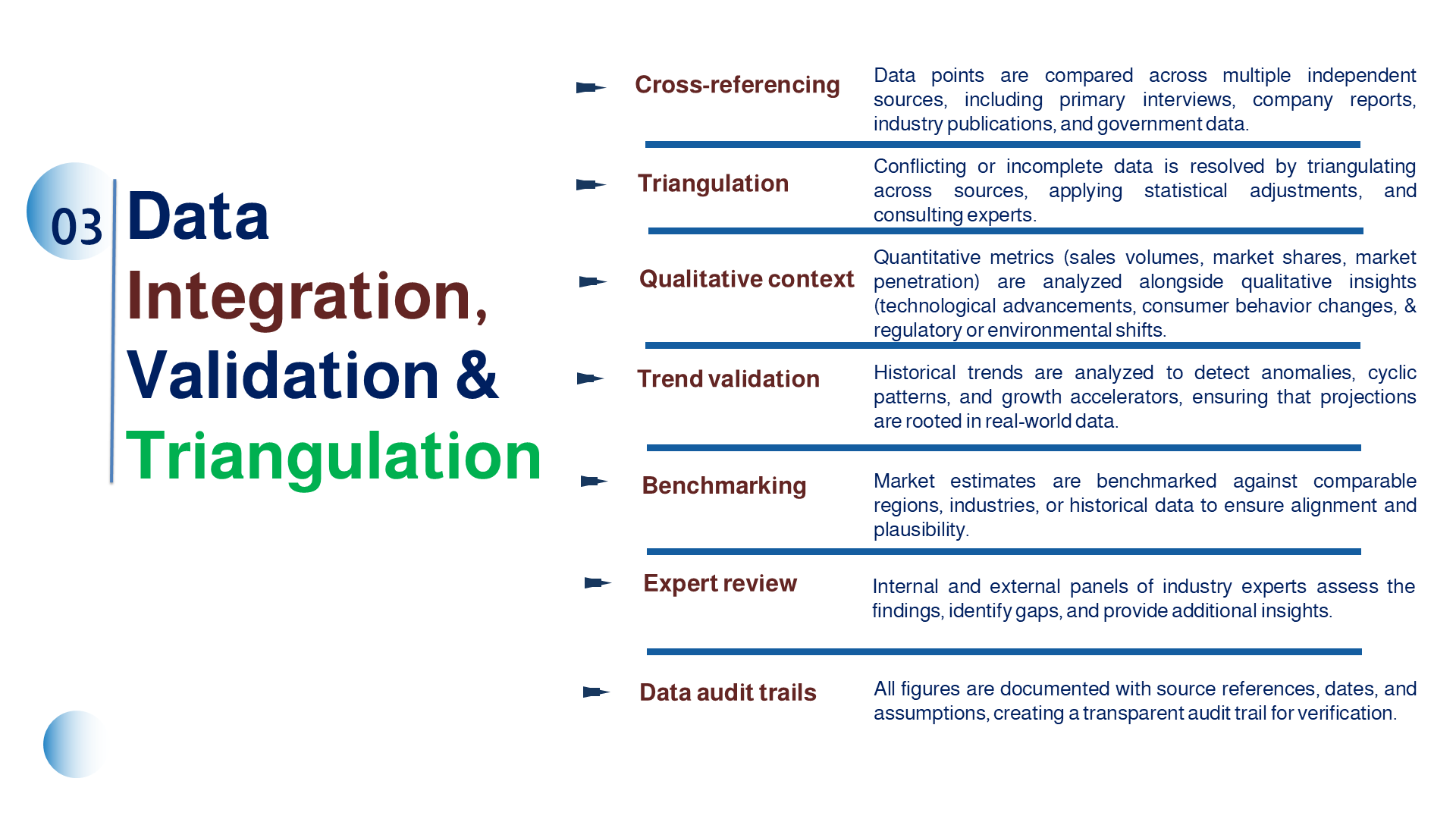
1.1. Market Segmentation & Scope
1.2. Market Definition
1.3. Information Procurement
1.3.1 Information Analysis
1.3.2 Market Formulation & Data Visualization
1.3.3 Data Validation & Publishing
1.4. Research Scope and Assumptions
1.4.1 List of Data Sources
Chapter 2. EXECUTIVE SUMMARY
2.1. Market Snapshot
2.2. Segmental Outlook
2.3. Competitive Outlook
Chapter 3. MARKET VARIABLES, TRENDS, FRAMEWORK
3.1. Market Lineage Outlook
3.2. Penetration & Growth Prospect Mapping
3.3. Value Chain Analysis
3.4. Regulatory Framework
3.4.1 Standards & Compliance
3.4.2 Regulatory Impact Analysis
3.5. Market Dynamics
3.5.1 Market Drivers
3.5.2 Market Restraints
3.5.3 Market Opportunities
3.5.4 Market Challenges
3.6. Porter's Five Forces Analysis
3.7. PESTLE Analysis
Chapter 4. GLOBAL POTASSIUM DERIVATIVES MARKET: BY TYPE OF POTASSIUM DERIVATIVE 2022-2034 (USD MN and Tons)
4.1. Market Analysis, Insights and Forecast Type Of Potassium Derivative
4.2. Potassium Carbonate Estimates and Forecasts By Regions 2022-2034 (USD MN and Tons)
4.3. Potassium Sulfate Estimates and Forecasts By Regions 2022-2034 (USD MN and Tons)
4.4. Potassium Chloride Estimates and Forecasts By Regions 2022-2034 (USD MN and Tons)
4.5. Potassium Nitrate Estimates and Forecasts By Regions 2022-2034 (USD MN and Tons)
4.6. Potassium Hydroxide Estimates and Forecasts By Regions 2022-2034 (USD MN and Tons)
Chapter 5. GLOBAL POTASSIUM DERIVATIVES MARKET: BY APPLICATION 2022-2034 (USD MN and Tons)
5.1. Market Analysis, Insights and Forecast Application
5.2. Agriculture Estimates and Forecasts By Regions 2022-2034 (USD MN and Tons)
5.3. Chemical Industry Estimates and Forecasts By Regions 2022-2034 (USD MN and Tons)
5.4. Food and Beverage Estimates and Forecasts By Regions 2022-2034 (USD MN and Tons)
Chapter 6. GLOBAL POTASSIUM DERIVATIVES MARKET: BY END-USER 2022-2034 (USD MN and Tons)
6.1. Market Analysis, Insights and Forecast End-user
6.2. Agricultural Sector Estimates and Forecasts By Regions 2022-2034 (USD MN and Tons)
6.3. Industrial Sector Estimates and Forecasts By Regions 2022-2034 (USD MN and Tons)
6.4. Food Processing Sector Estimates and Forecasts By Regions 2022-2034 (USD MN and Tons)
6.5. Pharmaceutical Sector Estimates and Forecasts By Regions 2022-2034 (USD MN and Tons)
Chapter 7. GLOBAL POTASSIUM DERIVATIVES MARKET: BY PURITY LEVELS 2022-2034 (USD MN and Tons)
7.1. Market Analysis, Insights and Forecast Purity Levels
7.2. Low Purity (Below 90%) Estimates and Forecasts By Regions 2022-2034 (USD MN and Tons)
7.3. Medium Purity (90% - 95%) Estimates and Forecasts By Regions 2022-2034 (USD MN and Tons)
7.4. High Purity (Above 95%) Estimates and Forecasts By Regions 2022-2034 (USD MN and Tons)
Chapter 8. GLOBAL POTASSIUM DERIVATIVES MARKET: BY FORM 2022-2034 (USD MN and Tons)
8.1. Market Analysis, Insights and Forecast Form
8.2. Granular Estimates and Forecasts By Regions 2022-2034 (USD MN and Tons)
8.3. Powder Estimates and Forecasts By Regions 2022-2034 (USD MN and Tons)
8.4. Liquid Estimates and Forecasts By Regions 2022-2034 (USD MN and Tons)
Chapter 9. GLOBAL POTASSIUM DERIVATIVES MARKET: BY REGION 2022-2034 (USD MN and Tons)
9.1. Regional Outlook
9.2. North America Market Analysis, Insights and Forecast, 2022-2034 (USD MN and Tons)
9.2.1 By Type Of Potassium Derivative
9.2.2 By Application
9.2.3 By End-user
9.2.4 By Purity Levels
9.2.5 By Form
9.2.6 United States
9.2.7 Canada
9.2.8 Mexico
9.3. Europe Market Analysis, Insights and Forecast, 2022-2034 (USD MN and Tons)
9.3.1 By Type Of Potassium Derivative
9.3.2 By Application
9.3.3 By End-user
9.3.4 By Purity Levels
9.3.5 By Form
9.3.6 United Kingdom
9.3.7 France
9.3.8 Germany
9.3.9 Italy
9.3.10 Spain
9.3.11 Russia
9.3.12 Rest Of Europe
9.4. Asia-Pacific Market Analysis, Insights and Forecast, 2022-2034 (USD MN and Tons)
9.4.1 By Type Of Potassium Derivative
9.4.2 By Application
9.4.3 By End-user
9.4.4 By Purity Levels
9.4.5 By Form
9.4.6 China
9.4.7 Japan
9.4.8 South Korea
9.4.9 India
9.4.10 Australia
9.4.11 South East Asia
9.4.12 Rest Of Asia Pacific
9.5. Latin America Market Analysis, Insights and Forecast, 2022-2034 (USD MN and Tons)
9.5.1 By Type Of Potassium Derivative
9.5.2 By Application
9.5.3 By End-user
9.5.4 By Purity Levels
9.5.5 By Form
9.5.6 Brazil
9.5.7 Argentina
9.5.8 Peru
9.5.9 Chile
9.5.10 Rest of Latin America
9.6. Middle East & Africa Market Analysis, Insights and Forecast, 2022-2034 (USD MN and Tons)
9.6.1 By Type Of Potassium Derivative
9.6.2 By Application
9.6.3 By End-user
9.6.4 By Purity Levels
9.6.5 By Form
9.6.6 Saudi Arabia
9.6.7 UAE
9.6.8 Israel
9.6.9 South Africa
9.6.10 Rest of the Middle East And Africa
Chapter 10. COMPETITIVE LANDSCAPE
10.1. Recent Developments
10.2. Company Categorization
10.3. Supply Chain & Channel Partners (based on availability)
10.4. Market Share & Positioning Analysis (based on availability)
10.5. Vendor Landscape (based on availability)
10.6. Strategy Mapping
Chapter 11. COMPANY PROFILES OF GLOBAL POTASSIUM DERIVATIVES INDUSTRY
11.1. Top Companies Market Share Analysis
11.2. Company Profiles (Overview, Services, Financials (based on availability), Recent Developments,
Strategies, SWOT, Etc.)
11.2.1 Evonik Industries AG
11.2.2 Vynova Group
11.2.3 TOAGOSEI
11.2.4 The Olin Corporation
11.2.5 ERCO Worldwide
11.2.6 Unid Co Ltd
11.2.7 Altair Chimica SpA
11.2.8 Spolchemie
11.2.9 Nutrien
11.2.10 CF Industries
LIST OF TABLES
- Market Snapshot
- Segment Outlook
- Competitive Outlook
- Market Analysis By Type Of Potassium Derivative-2022-2034 (USD MN and Tons)
- Potassium Carbonate Market Size By Geography (USD MN and Tons)
- Potassium Sulfate Market Size By Geography (USD MN and Tons)
- Potassium Chloride Market Size By Geography (USD MN and Tons)
- Potassium Nitrate Market Size By Geography (USD MN and Tons)
- Potassium Hydroxide Market Size By Geography (USD MN and Tons)
- Market Analysis By Application-2022-2034 (USD MN and Tons)
- Agriculture Market Size By Geography (USD MN and Tons)
- Chemical Industry Market Size By Geography (USD MN and Tons)
- Food and Beverage Market Size By Geography (USD MN and Tons)
- Market Analysis By End-user-2022-2034 (USD MN and Tons)
- Agricultural Sector Market Size By Geography (USD MN and Tons)
- Industrial Sector Market Size By Geography (USD MN and Tons)
- Food Processing Sector Market Size By Geography (USD MN and Tons)
- Pharmaceutical Sector Market Size By Geography (USD MN and Tons)
- Market Analysis By Purity Levels-2022-2034 (USD MN and Tons)
- Low Purity (Below 90%) Market Size By Geography (USD MN and Tons)
- Medium Purity (90% - 95%) Market Size By Geography (USD MN and Tons)
- High Purity (Above 95%) Market Size By Geography (USD MN and Tons)
- Market Analysis By Form-2022-2034 (USD MN and Tons)
- Granular Market Size By Geography (USD MN and Tons)
- Powder Market Size By Geography (USD MN and Tons)
- Liquid Market Size By Geography (USD MN and Tons)
- Global Potassium Derivatives Market Sales By Geography-2022-2034 (USD MN and Tons)
- North America Market Analysis (USD MN and Tons)
- United States Market Analysis (USD MN and Tons)
- Canada Market Analysis (USD MN and Tons)
- Mexico Market Analysis (USD MN and Tons)
- Europe Market Analysis (USD MN and Tons)
- United Kingdom Market Analysis (USD MN and Tons)
- France Market Analysis (USD MN and Tons)
- Germany Market Analysis (USD MN and Tons)
- Italy Market Analysis (USD MN and Tons)
- Russia Market Analysis (USD MN and Tons)
- Spain Market Analysis (USD MN and Tons)
- Rest of Europe Market Analysis (USD MN and Tons)
- Asia Pacific Market Analysis (USD MN and Tons)
- China Market Analysis (USD MN and Tons)
- Japan Market Analysis (USD MN and Tons)
- India Market Analysis (USD MN and Tons)
- South Korea Market Analysis (USD MN and Tons)
- Australia Market Analysis (USD MN and Tons)
- South East Asia Market Analysis (USD MN and Tons)
- Rest of Asia Pacific Market Analysis (USD MN and Tons)
- Latin America Market Analysis (USD MN and Tons)
- Brazil Market Analysis (USD MN and Tons)
- Argentina Market Analysis (USD MN and Tons)
- Peru Market Analysis (USD MN and Tons)
- Chile Market Analysis (USD MN and Tons)
- Rest of Latin America Market Analysis (USD MN and Tons)
- Middle East & Africa Market Analysis (USD MN and Tons)
- Saudi Arabia Market Analysis (USD MN and Tons)
- UAE Market Analysis (USD MN and Tons)
- Israel Market Analysis (USD MN and Tons)
- South Africa Market Analysis (USD MN and Tons)
- Rest of Middle East and Africa Market Analysis (USD MN and Tons)
- Partnership/Collaboration/Agreement
- Mergers And Acquisition
LIST OF FIGURES
- Research Scope of Global Potassium Derivatives Report
- Market Research Process
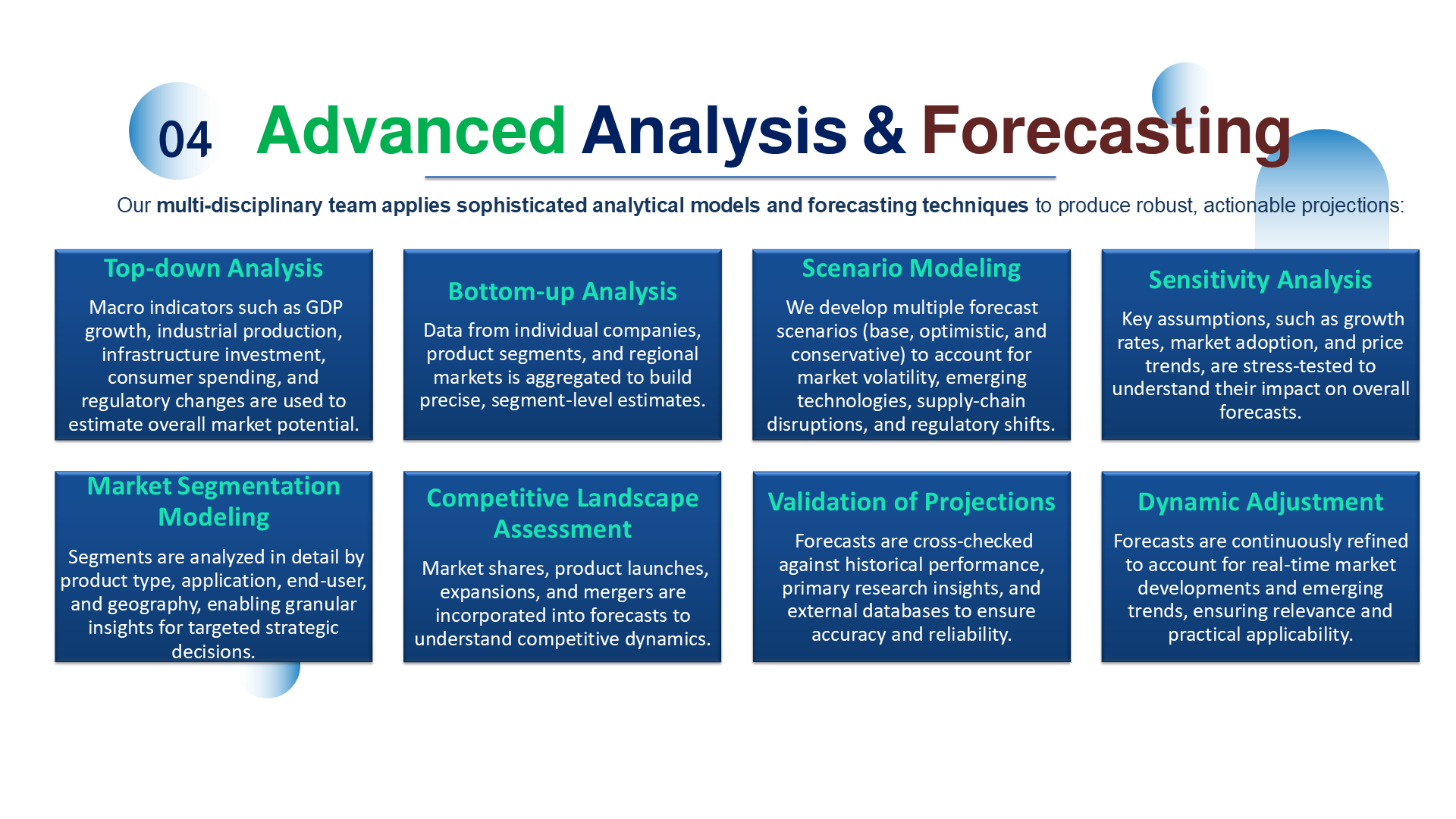
- Market Research Methodology
- Global Potassium Derivatives Market Size, By Regions (USD MN and Tons)
- Porters Five Forces Analysis
- PESTLE Analysis
- Market Attractiveness Analysis
- Value Chain Analysis
- Global Market Analysis By Type Of Potassium Derivative-2022-2034(USD MN and Tons)
- Potassium Carbonate Market Sales By Geography (USD MN and Tons)
- Potassium Sulfate Market Sales By Geography (USD MN and Tons)
- Potassium Chloride Market Sales By Geography (USD MN and Tons)
- Potassium Nitrate Market Sales By Geography (USD MN and Tons)
- Potassium Hydroxide Market Sales By Geography (USD MN and Tons)
- Global Market Analysis By Application-2022-2034(USD MN and Tons)
- Agriculture Market Sales By Geography (USD MN and Tons)
- Chemical Industry Market Sales By Geography (USD MN and Tons)
- Food and Beverage Market Sales By Geography (USD MN and Tons)
- Global Market Analysis By End-user-2022-2034(USD MN and Tons)
- Agricultural Sector Market Sales By Geography (USD MN and Tons)
- Industrial Sector Market Sales By Geography (USD MN and Tons)
- Food Processing Sector Market Sales By Geography (USD MN and Tons)
- Pharmaceutical Sector Market Sales By Geography (USD MN and Tons)
- Global Market Analysis By Purity Levels-2022-2034(USD MN and Tons)
- Low Purity (Below 90%) Market Sales By Geography (USD MN and Tons)
- Medium Purity (90% - 95%) Market Sales By Geography (USD MN and Tons)
- High Purity (Above 95%) Market Sales By Geography (USD MN and Tons)
- Global Market Analysis By Form-2022-2034(USD MN and Tons)
- Granular Market Sales By Geography (USD MN and Tons)
- Powder Market Sales By Geography (USD MN and Tons)
- Liquid Market Sales By Geography (USD MN and Tons)
- Global Market Sales-2022-2034 (USD MN and Tons)
- North America Market Sales-2022-2034 (USD MN and Tons)
- Europe Market Sales-2022-2034 (USD MN and Tons)
- Asia Pacific Market Sales-2022-2034 (USD MN and Tons)
- Latin America Market Sales-2022-2034 (USD MN and Tons)
- Middle East & Africa Market Sales-2022-2034 (USD MN and Tons)
- Recent Development in Industry
- Top Company Market Share Analysis






Frequently Asked Questions (FAQs) about this Report
How big is the Global Potassium Derivatives market?
What is the Global Potassium Derivatives market growth?
Which country holds the highest share in the Global Potassium Derivatives market?
How is the Global Potassium Derivatives market segmented in the report?
Who are the key players in the Global Potassium Derivatives market?