Global Personal Protective Equipment Market Size, Share, Trends & Growth Analysis Report Segmented By Product Type (Respiratory Protection, Eye & Face Protection, Head Protection, Hearing Protection, Fall Protection, Hand Protection, Foot Protection, Body Protection, Gas Detection, Others (Welding Protection, Skin Protection, etc.)), End-Use, Consumer Group, Distribution Channel, And Regions (North America, Europe, Asia-Pacific, Latin America, Middle East and Africa), 2026-2034
Personal Protective Equipment Market Size and Share
The global personal protective equipment market size was valued at USD 55.26 Billion in 2025 and is projected to grow from USD 58.99 Billion in 2026 to USD 99.56 Billion by 2034, at a CAGR of 6.76% during the forecast period. North America dominated the personal protective equipment market with a market share of 31.48% in 2025.
The personal protective equipment market continues to expand as industries place greater emphasis on worker safety, regulatory compliance, and operational resilience. According to the International Labour Organization, nearly 2.93 million workers die annually from work-related causes, reinforcing the need for effective protective solutions across high-risk environments. The U.S. Bureau of Labor Statistics reported over 2.6 million nonfatal workplace injuries and illnesses in recent years, encouraging broader PPE adoption. Sustainability is also influencing purchasing decisions through recyclable materials and reusable product designs. Stricter occupational safety regulations and technological improvements in protective equipment continue strengthening personal protective equipment market demand across industrial, healthcare, and infrastructure applications while supporting long-term innovation and product performance.
Personal Protective Equipment Market Key Takeaways
Market Size & Forecast
2025 Market Size: USD 55.26 Billion
2026 Market Size: USD 58.99 Billion
2034 Projected Market Size: USD 99.56 Billion
CAGR (2026-2034): 6.76%
Largest market: North America
Fastest-growing market: Asia Pacific
Market Share Analysis
- North America held the largest market share of 31.48% in 2025.
- By product type, the hand protection segment held the dominant share of 29.17% in 2025, while the head protection segment is expected to grow at a CAGR of 9.08% over the assessment timeline.
- By end-use, the industrial manufacturing segment accounted for 19.46% of the market share in 2025, while the healthcare segment is anticipated to grow at a CAGR of 11.57% throughout the study period.
Key Country Highlights
- The U.S. market is expected to grow significantly over the forecast period at a CAGR of 9.07%.
- Across Germany, the market is anticipated to expand at a CAGR of 8.01% through 2034.
- In India, the industry is forecast to witness a CAGR of 11.61% over the assessment timeline.
- The Japan market is projected to experience substantial growth during the forecast period.
Personal Protective Equipment Market Trends & Future Outlook
Growing adoption of smart wearable protective equipment is reshaping industrial safety. Connected helmets, intelligent respirators, and sensor-enabled garments enable continuous health and hazard monitoring. According to the Occupational Safety and Health Administration, these technologies improve compliance, reduce workplace risks, and strengthen personal protective equipment market demand across industries.
Manufacturers are accelerating the shift toward sustainable materials and circular production models. Bio-based polymers, recyclable textiles, and reusable protective garments are gaining wider acceptance. According to the European Environment Agency, waste reduction initiatives encourage sustainable manufacturing, boosting market demand while improving long-term resource efficiency.
Healthcare expansion and stricter workplace regulations continue creating growth opportunities across emerging economies. Investments in hospitals, pharmaceutical production, and infrastructure increase protective equipment procurement. According to the World Health Organization, the global health workforce exceeds 65 million, supporting sustained personal protective equipment market demand worldwide.
Impact of AI in the Personal Protective Equipment Market
Artificial intelligence is reshaping the market by enabling real-time hazard detection, predictive safety monitoring, and automated PPE compliance. AI-powered computer vision systems can instantly identify whether workers are wearing helmets, gloves, or respirators before entering hazardous zones. According to the U.S. Government Accountability Office, warehousing, manufacturing, and construction recorded more than 700,000 nonfatal injuries and over 2,000 workplace fatalities in 2022, accelerating investment in AI-enabled wearables and monitoring technologies. Additionally, a 2024 research dataset trained on 8,099 annotated industrial images demonstrated over 70.9% PPE detection accuracy using advanced object detection models, improving workplace surveillance and operational efficiency. Meanwhile, NIOSH continues promoting trustworthy AI frameworks to ensure safe and responsible deployment of AI across occupational health applications.
Personal Protective Equipment Market Investment Analysis
Investment in the market is accelerating as companies prioritize smart safety technologies, sustainable materials, and regional manufacturing expansion. According to the World Bank, global foreign direct investment reached approximately USD 1.3 trillion in 2023, supporting industrial production and safety infrastructure. Additionally, according to the International Federation of Robotics, more than 540,000 industrial robots were installed globally in 2023, increasing demand for AI-enabled PPE. Personal protective equipment investment analysis highlights growing interest from institutional and private investors despite raw material price volatility. Strong personal protective equipment market demand continues to support attractive long-term investment opportunities.
Emerging Innovations in Personal Protective Equipment Market
Manufacturers are integrating smart sensors into helmets, respirators, and protective clothing to deliver real-time monitoring of worker health and hazardous environments. According to the Occupational Safety and Health Administration, connected safety technologies improve workplace compliance and incident prevention. These innovations enhance productivity while enabling proactive safety management across industrial and healthcare operations.
Advanced materials such as graphene composites, nanofiber membranes, and lightweight engineered polymers are improving durability without compromising comfort. According to the National Institute for Occupational Safety and Health, breathable protective materials encourage higher compliance among workers during extended shifts. Better ergonomics also reduce fatigue, supporting broader adoption across physically demanding industries.
Sustainable innovation is gaining momentum through recyclable materials, bio-based fibers, and reusable protective products that reduce environmental impact. According to the European Environment Agency, circular manufacturing practices continue expanding across industrial sectors, encouraging manufacturers to redesign PPE with lower lifecycle emissions. These developments strengthen supply resilience while aligning product portfolios with evolving environmental regulations.
Personal Protective Equipment Market Dynamics
Market Drivers
The market is benefiting from stricter occupational safety regulations, expanding industrial activity, and increasing healthcare preparedness worldwide. According to the International Labour Organization, approximately 2.93 million people die annually from work-related causes, prompting governments and employers to strengthen workplace protection measures. The U.S. Bureau of Labor Statistics recorded more than 2.6 million nonfatal workplace injuries and illnesses in recent years, reinforcing demand for reliable protective solutions. Rapid infrastructure development, pharmaceutical manufacturing, and industrial automation further increase protective equipment adoption. These combined factors continue supporting personal protective equipment market share by encouraging consistent procurement, technological upgrades, regulatory compliance, and long-term investments in worker safety across multiple end-use industries.
Market Restraints
Despite growing adoption, the market faces challenges from fluctuating raw material prices, counterfeit products, and inconsistent compliance across developing economies. According to the World Bank, inflationary pressures have affected manufacturing costs in multiple industrial sectors, increasing procurement expenses for protective equipment producers. The International Chamber of Commerce has also highlighted the continuing economic impact of counterfeit goods across global supply chains, affecting product credibility and safety. Small and medium-sized enterprises often delay investments because premium protective equipment requires higher upfront spending. These cost pressures, certification complexities, and uneven regulatory enforcement continue limiting broader personal protective equipment market share across price-sensitive industries.
Market Opportunities
Significant opportunities are emerging through digital workplace safety, smart personal protective equipment, and expanding industrialization across developing economies. According to the World Health Organization, healthcare workforce expansion continues increasing demand for advanced protective products across hospitals and pharmaceutical manufacturing facilities. The International Energy Agency also reports rising investments in renewable energy infrastructure, creating additional requirements for specialized worker protection solutions. Companies investing in connected wearables, predictive safety analytics, and sustainable manufacturing are well positioned to capture evolving customer expectations. These developments strengthen market share by creating new revenue opportunities across healthcare, construction, energy, logistics, and advanced manufacturing sectors.
Market Challenges
Manufacturers continue facing challenges related to evolving certification standards, supply chain disruptions, and balancing product performance with affordability. According to the World Trade Organization, global trade disruptions have periodically affected industrial supply chains, delaying raw material availability and increasing production costs. The International Organization for Standardization regularly updates safety standards, requiring manufacturers to invest continuously in product testing and certification. Achieving lightweight designs while maintaining superior protection remains technically demanding and resource intensive. These operational pressures increase development costs, extend commercialization timelines, and intensify competition, influencing overall market share across regional and international markets.
Personal Protective Equipment Market Segmentation Insights
Personal Protective Equipment Market Analysis, By Product Type
By product type, the market is categorized into respiratory protection, eye & face protection, head protection, hearing protection, fall protection, hand protection, foot protection, body protection, gas detection, and others (welding protection, skin protection, etc.).
Hand Protection held the largest personal protective equipment market share of 29.17% in 2025. Rising workplace safety regulations and frequent hand injury risks across manufacturing, healthcare, and construction continue driving adoption. According to the International Labour Organization, hand injuries remain among the most common occupational incidents, supporting personal protective equipment market size. Head Protection is projected to grow at a CAGR of 9.08% during the forecast period. Expanding infrastructure projects, mining activities, and industrial automation increase demand for advanced helmets. According to OSHA, head protection is mandatory in hazardous workplaces, supporting personal protective equipment market growth through continuous product innovation and regulatory compliance.
Personal Protective Equipment Market Analysis, By End-Use
By end-use, the market is categorized into industrial manufacturing, oil and gas, chemicals, construction, healthcare & pharmaceuticals, transportation, food, mining, and others (firefighting, automotive, etc.).
Industrial Manufacturing accounted for the largest personal protective equipment market share of 19.46% in 2025. Strong regulatory compliance, workplace safety investments, and expanding industrial production continue supporting equipment demand. According to the U.S. Bureau of Labor Statistics, manufacturing records substantial workplace injuries, strengthening market size. Healthcare & Pharmaceuticals is expected to register the fastest growth at a CAGR of 11.57% throughout the forecast period. Rising infection prevention measures, expanding healthcare infrastructure, and pharmaceutical manufacturing investments continue driving adoption. According to the World Health Organization, the growing healthcare workforce supports sustained personal protective equipment market growth across medical settings.
Personal Protective Equipment Market Analysis, By Consumer Group
By Consumer Group, the market is categorized into Men and Women.
Men represent the largest segment due to higher employment across construction, mining, manufacturing, transportation, and oil and gas industries. Continuous demand for certified protective products and strict occupational safety standards strengthen personal protective equipment market size while supporting consistent replacement cycles across hazardous industrial workplaces. Women are expected to witness the fastest growth as female workforce participation rises across healthcare, pharmaceuticals, laboratories, and manufacturing. Increasing availability of ergonomically designed PPE improves user comfort and compliance, supporting personal protective equipment market growth while addressing evolving workplace safety requirements across diverse industries.
Personal Protective Equipment Market Analysis, By Distribution Channel
By Distribution Channel, the market is categorized into Direct Sales and Indirect Sales.
Direct Sales remain the leading distribution channel because large industrial organizations prefer customized procurement, technical support, and long-term supplier partnerships. Bulk purchasing agreements and tailored safety solutions continue strengthening personal protective equipment market size across manufacturing, healthcare, construction, and energy industries. Indirect Sales are expected to witness the fastest growth as industrial distributors, specialized retailers, and e-commerce platforms expand product accessibility. Competitive pricing, wider product availability, and efficient delivery networks continue supporting personal protective equipment market growth among small and medium-sized enterprises.
Personal Protective Equipment Market Regional Insights
North America Personal Protective Equipment Market
North America dominated the market with a 31.48% market share in 2025, supported by mature industrial sectors, rigorous occupational safety standards, and continuous investments in workplace protection. According to the U.S. Bureau of Labor Statistics, employers reported more than 2.6 million nonfatal workplace injuries and illnesses in recent years, reinforcing demand for certified protective equipment. Strong healthcare infrastructure, expanding pharmaceutical manufacturing, and advanced industrial automation continue supporting procurement across diverse end-use sectors. Manufacturers also benefit from high awareness regarding employee safety and product quality. Continuous innovation in smart PPE, sustainable materials, and digital safety monitoring further strengthens regional competitiveness while encouraging long-term adoption across manufacturing, healthcare, construction, transportation, and energy industries.
U.S. Personal Protective Equipment Market
The U.S. market is projected to expand at a CAGR of 9.07% during the forecast period, driven by stringent occupational safety regulations and sustained investments in industrial modernization. According to the Occupational Safety and Health Administration, employers remain legally responsible for providing appropriate protective equipment in hazardous workplaces, supporting stable demand across industries. The country's strong manufacturing, healthcare, oil and gas, and construction sectors continue increasing procurement of advanced protective solutions. Rising adoption of connected safety technologies and smart wearable equipment further enhances workplace monitoring capabilities. Continuous research, domestic manufacturing expansion, and regulatory enforcement position the United States as one of the world's most influential markets for advanced personal protective equipment.
Europe Personal Protective Equipment Market
Europe represents a mature market characterized by strict regulatory frameworks, sustainability priorities, and advanced industrial manufacturing capabilities. According to the European Commission, occupational health and workplace safety remain central policy objectives across member states, encouraging widespread adoption of certified protective equipment. Strong automotive, chemical, pharmaceutical, food processing, and energy industries continue driving stable product demand. Manufacturers increasingly invest in recyclable materials, lightweight product designs, and environmentally responsible manufacturing practices to comply with evolving sustainability goals. Continuous technological innovation and harmonized safety standards strengthen Europe's competitive position while supporting long-term market development across industrial and healthcare applications.
U.K. Personal Protective Equipment Market
The U.K. market continues evolving through stronger workplace safety compliance, healthcare modernization, and industrial innovation. According to the Health and Safety Executive, thousands of workplace injuries are reported annually, reinforcing demand for reliable protective equipment across construction, manufacturing, logistics, and healthcare sectors. Businesses increasingly prioritize premium-quality products that improve worker comfort without compromising safety performance. Digital procurement platforms and localized distribution networks further improve equipment accessibility for small and medium-sized enterprises. Ongoing investments in infrastructure, renewable energy, and pharmaceutical manufacturing continue creating additional opportunities for advanced protective equipment suppliers throughout the United Kingdom.
Germany Personal Protective Equipment Market
Germany market is anticipated to expand at a CAGR of 8.01% through 2034, supported by strong industrial manufacturing, engineering excellence, and rigorous workplace safety regulations. According to Germany's Federal Statistical Office, manufacturing remains a major contributor to national economic activity, supporting continuous investment in industrial safety equipment. Automotive production, machinery manufacturing, and chemical processing industries continue driving stable demand for high-performance protective solutions. Sustainability initiatives also encourage manufacturers to develop recyclable materials and energy-efficient production processes. Germany's emphasis on technological innovation and product quality strengthens its leadership within the European personal protective equipment market.
Asia Pacific Personal Protective Equipment Market
Asia Pacific continues emerging as one of the fastest developing regions for the market due to rapid industrialization, expanding manufacturing capacity, and growing healthcare investments. According to the International Labour Organization, Asia accounts for a significant share of the global workforce, increasing the importance of occupational safety across multiple industries. Infrastructure development, electronics manufacturing, mining, and pharmaceutical production continue driving protective equipment demand. Governments across the region are strengthening workplace safety regulations while encouraging domestic manufacturing capabilities. Rising awareness regarding employee health, increasing export-oriented production, and improving industrial compliance collectively support long-term business opportunities throughout the regional market.
China Personal Protective Equipment Market
China remains a critical manufacturing hub for the market because of its extensive industrial base, integrated supply chains, and large-scale production capabilities. According to the National Bureau of Statistics of China, the country's manufacturing sector continues contributing substantially to industrial output, supporting stable demand for workplace safety equipment. Government initiatives promoting industrial modernization and workplace safety standards encourage broader adoption across manufacturing, construction, mining, and chemical industries. China also plays a leading role in global PPE exports through large production capacities and cost-efficient manufacturing. Continuous investments in automation and advanced materials further strengthen its competitive position within international supply chains.
Japan Personal Protective Equipment Market
Japan market is projected to experience substantial growth throughout the forecast period, supported by advanced manufacturing technologies, high-quality production standards, and increasing workplace automation. According to Japan's Ministry of Health, Labour and Welfare, employers continue strengthening occupational health initiatives to improve employee protection across industrial environments. Demand is increasing across automotive manufacturing, electronics, pharmaceuticals, and healthcare sectors where product reliability remains essential. The country's focus on robotics, precision engineering, and smart factory development encourages wider adoption of technologically advanced protective equipment. Continuous product innovation and premium quality standards position Japan as an important contributor to regional market development.
India Personal Protective Equipment Market
India market is expected to register a CAGR of 11.61% during the assessment period, supported by expanding manufacturing, infrastructure development, and increasing healthcare investments. According to the Ministry of Labour and Employment, workplace safety initiatives continue receiving greater policy attention as industrial employment expands. Rapid growth across construction, pharmaceuticals, chemicals, and renewable energy projects creates sustained demand for certified protective equipment. Government programs encouraging domestic manufacturing and industrial modernization also strengthen local production capabilities. Rising awareness regarding employee safety, combined with increasing regulatory compliance among organized industries, positions India as one of the most promising markets for future expansion.
Middle East & Africa Personal Protective Equipment Market
The Middle East & Africa market is expanding steadily because of increasing infrastructure investments, energy sector development, and growing awareness regarding occupational safety. According to the International Energy Agency, significant investments continue supporting regional oil, gas, and renewable energy projects that require specialized worker protection. Construction, mining, and industrial diversification initiatives also increase demand for certified safety equipment across public and private sectors. Governments are strengthening workplace regulations while encouraging industrial modernization to improve worker welfare. Expanding healthcare infrastructure and pharmaceutical manufacturing further contribute to sustained market opportunities throughout the region.
GCC Personal Protective Equipment Market
The GCC market benefits from substantial investments in oil and gas, petrochemicals, construction, and smart infrastructure developments. According to the International Monetary Fund, economic diversification initiatives continue encouraging industrial expansion beyond traditional energy sectors. Large infrastructure projects require strict compliance with occupational safety standards, increasing procurement of advanced protective equipment. Companies increasingly adopt premium PPE solutions designed for extreme temperatures and hazardous industrial environments. Continued investment in manufacturing, logistics, renewable energy, and healthcare facilities creates favorable conditions for sustained market expansion while supporting localized distribution and production capabilities.
Latin America Personal Protective Equipment Market
Latin America continues experiencing steady growth in the market as industrial activities, mining operations, and healthcare investments expand across major economies. According to the Economic Commission for Latin America and the Caribbean, infrastructure modernization remains a strategic priority supporting industrial development throughout the region. Construction, agriculture, food processing, and energy industries continue increasing demand for certified protective equipment to comply with evolving workplace regulations. Local manufacturers and international suppliers are expanding distribution networks to improve product availability. Rising awareness regarding occupational health, combined with improving regulatory enforcement, supports long-term adoption across diverse industrial applications.
Personal Protective Equipment Market Competitive Overview
The personal protective equipment market remains highly competitive as global manufacturers compete through product innovation, regulatory compliance, advanced materials, and supply chain resilience. Leading companies including 3M Company, Honeywell International Inc., Ansell Limited, MSA Safety Incorporated, and Kimberly-Clark Professional invest heavily in research, smart wearable technologies, and sustainable product development to strengthen market positioning. According to the Occupational Safety and Health Administration, compliance with certified workplace safety standards remains a critical purchasing factor across industrial sectors. Manufacturers are also expanding localized production, strategic partnerships, and digital distribution capabilities to improve responsiveness and reduce supply risks. Competitive advantage increasingly depends on technological differentiation, manufacturing flexibility, certification expertise, and the ability to deliver high-performance protective solutions tailored to evolving industry requirements.
Leading Market Players in the Personal Protective Equipment Market
- 3M Company: 3M Company remains one of the most influential participants in the personal protective equipment market through its diversified portfolio of respiratory protection, hearing protection, eye protection, and industrial safety solutions. The company emphasizes continuous product innovation, material science expertise, and user-focused design to improve workplace protection across multiple industries. Its strong global manufacturing footprint, established distribution network, and commitment to research support consistent product availability. By integrating advanced filtration technologies with sustainable product development and digital safety initiatives, the company strengthens customer relationships while maintaining a competitive position across healthcare, industrial manufacturing, construction, transportation, and energy applications worldwide.
- Honeywell International Inc.: Honeywell International Inc. has established a strong presence in the personal protective equipment market by offering comprehensive safety solutions tailored for industrial, healthcare, construction, and energy sectors. The company focuses on advanced engineering, ergonomic product development, and smart connected safety technologies that enhance workplace protection. Its broad global supply chain and extensive customer support capabilities enable efficient delivery across developed and emerging markets. Honeywell continues expanding its innovation strategy through intelligent wearable technologies, sustainable manufacturing practices, and integrated safety management solutions, reinforcing its reputation as a trusted provider of high-performance personal protective equipment for diverse industrial environments.
- Ansell Limited: Ansell Limited is widely recognized for its expertise in protective gloves and specialized body protection products serving healthcare and industrial customers worldwide. The company prioritizes innovation in advanced materials, chemical resistance, ergonomic comfort, and infection prevention to address evolving workplace safety requirements. Its customer-focused approach combines technical expertise with continuous product development, allowing solutions to meet demanding operational environments. Ansell also emphasizes sustainability through responsible manufacturing and environmentally conscious product design. Strong relationships with distributors, healthcare institutions, and industrial organizations further strengthen its competitive position within the global personal protective equipment market.
List of Companies Profiled in the Report are:
{report_table}
Analyst’s View on the Personal Protective Equipment Market
- The personal protective equipment market is transitioning from traditional protective products toward intelligent safety ecosystems. Companies integrating connected wearables, predictive monitoring, and sustainable materials are expected to strengthen long-term competitiveness while addressing increasingly stringent workplace safety requirements across industrial and healthcare sectors.
- Regulatory enforcement will remain one of the strongest growth catalysts as governments continue strengthening occupational safety standards. Organizations capable of rapidly adapting product portfolios to evolving certification requirements are likely to improve operational resilience and expand their customer base across global markets.
- Expanding industrial automation, infrastructure development, and healthcare investments will continue supporting long-term procurement. Businesses combining advanced material science with localized manufacturing strategies are better positioned to manage supply chain risks while improving customer responsiveness and operational efficiency.
- Innovation will increasingly determine market share as buyers prioritize lightweight designs, ergonomic performance, digital integration, and environmentally responsible products. Manufacturers investing consistently in research and advanced production capabilities are expected to outperform competitors in both mature and emerging markets.
- Strategic partnerships, regional manufacturing expansion, and digital distribution channels will remain essential for sustaining competitive advantage. Companies capable of balancing product quality, regulatory compliance, cost efficiency, and technological differentiation are expected to capture stronger long-term growth opportunities across diverse end-use industries.
List of Segments Covered
This section of the market report provides detailed data on the segments at country and regional level, thereby assisting the strategist in identifying the target demographics for the respective product or services with the upcoming opportunities.
By Product Type By End-Use By Consumer Group By Distribution Channel
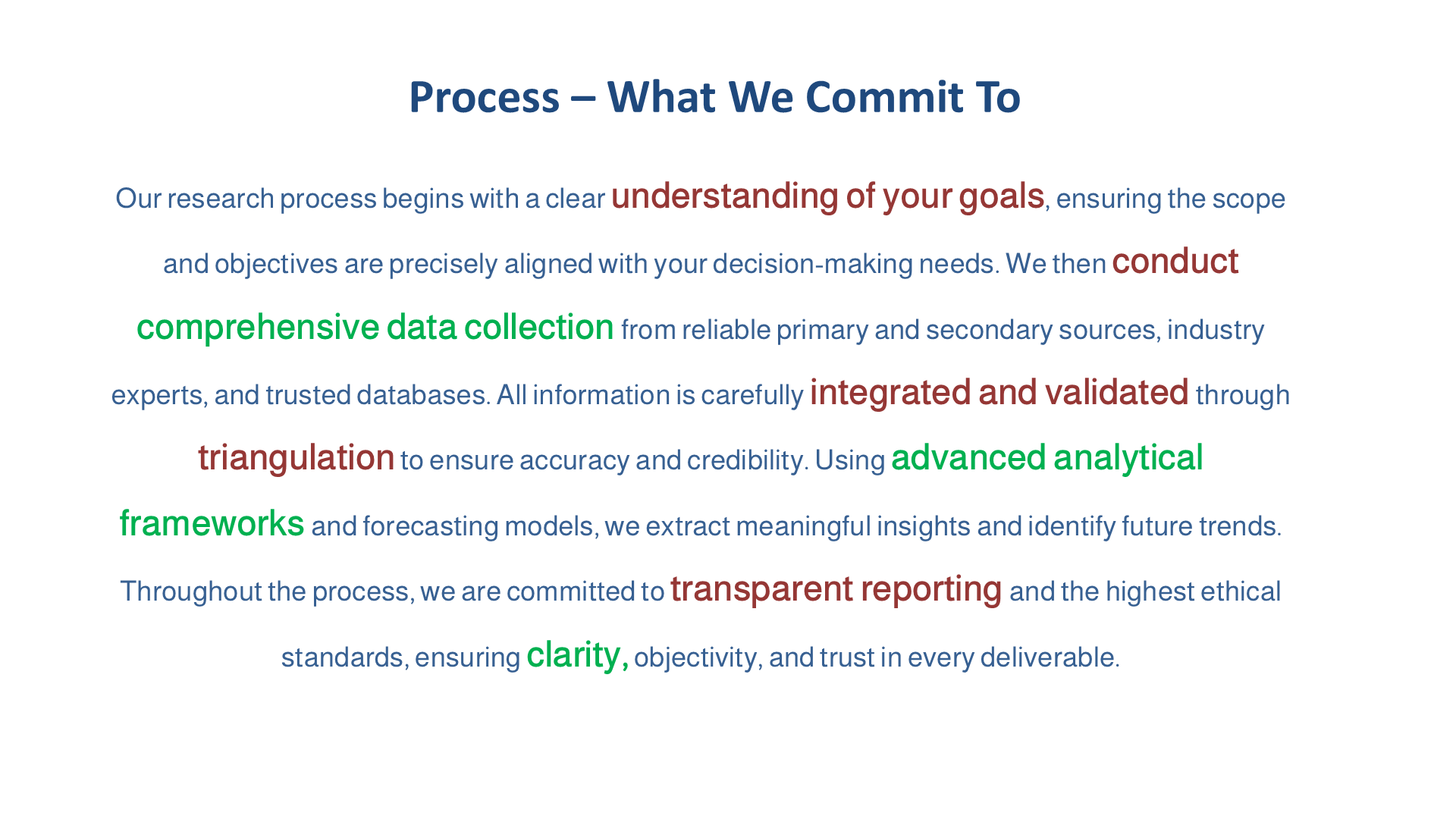
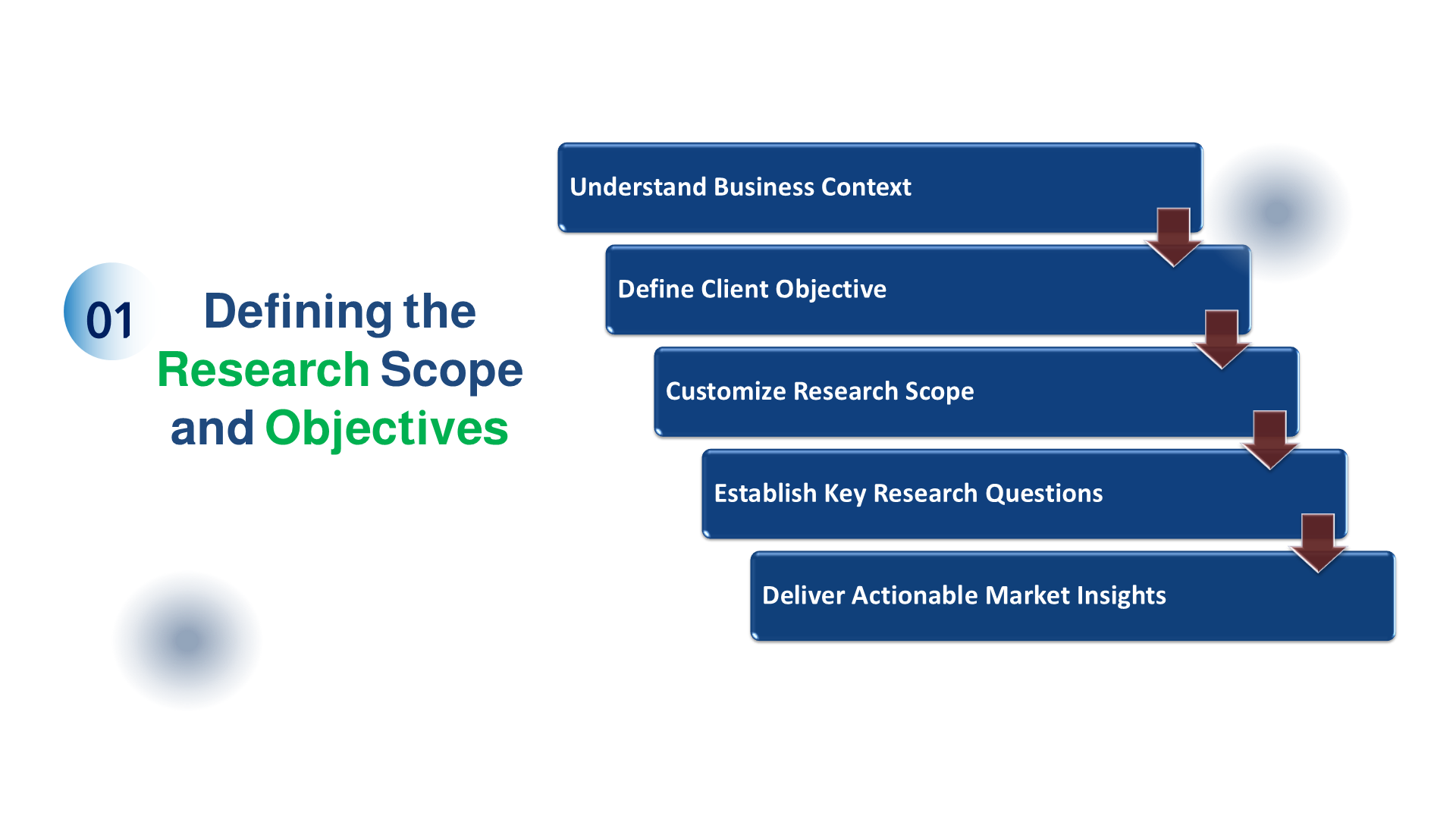
1.1. Market Segmentation & Scope
1.2. Market Definition
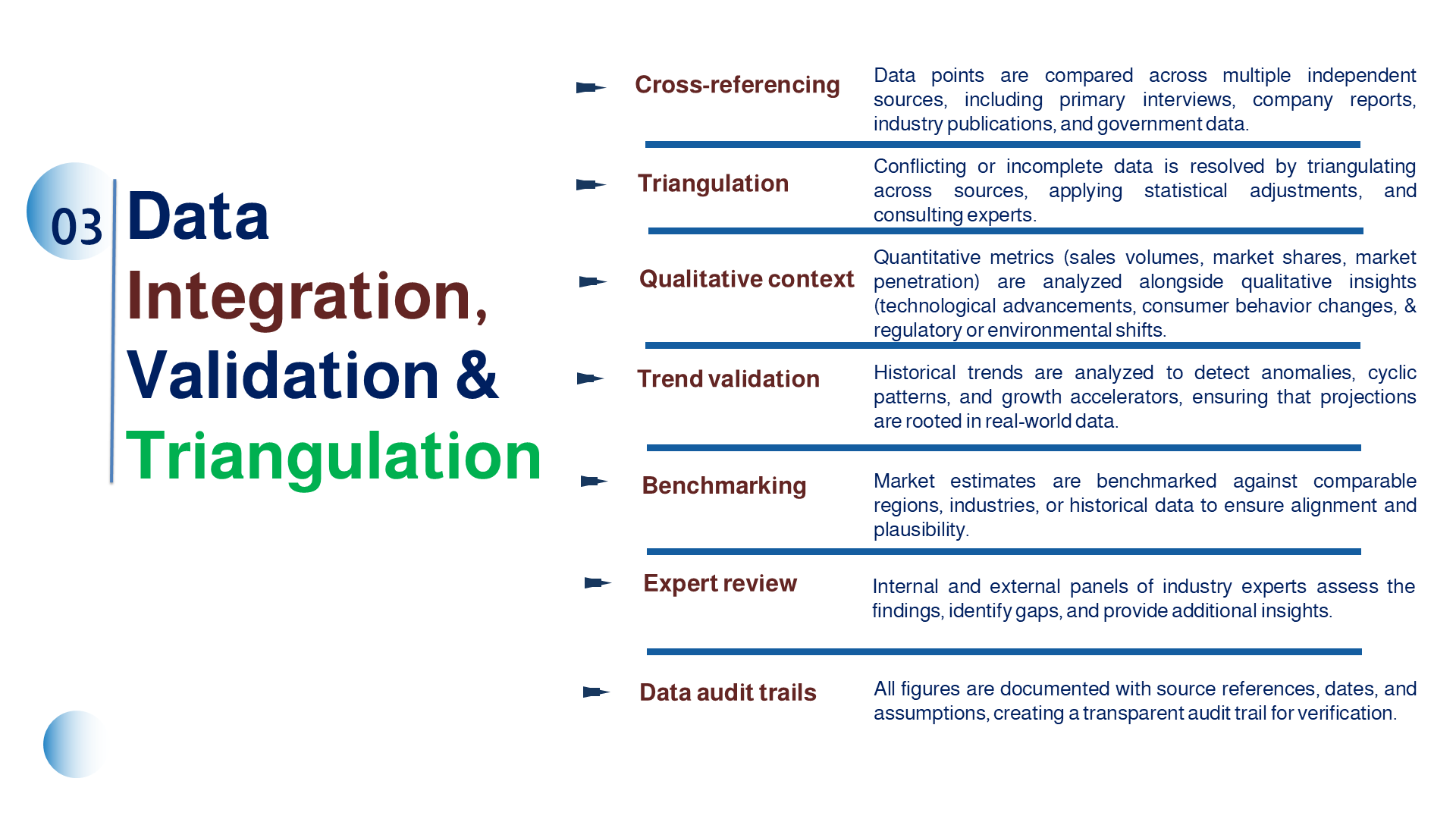
1.3. Information Procurement
1.3.1 Information Analysis
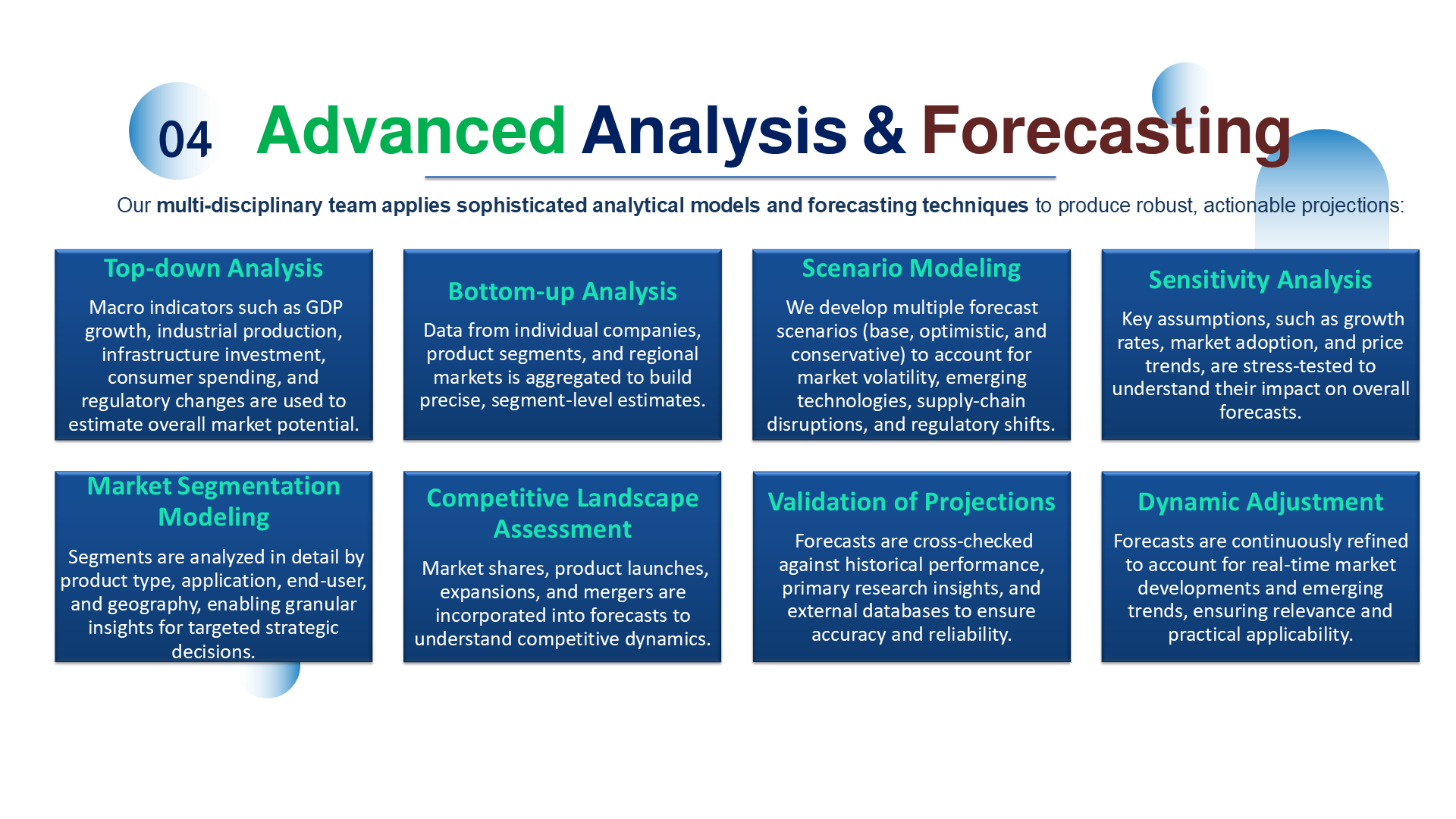
1.3.2 Market Formulation & Data Visualization
1.3.3 Data Validation & Publishing
1.4. Research Scope and Assumptions
1.4.1 List of Data Sources
Chapter 2. EXECUTIVE SUMMARY
2.1. Market Snapshot
2.2. Segmental Outlook
2.3. Competitive Outlook
Chapter 3. MARKET VARIABLES, TRENDS, FRAMEWORK
3.1. Market Lineage Outlook
3.2. Penetration & Growth Prospect Mapping
3.3. Value Chain Analysis
3.4. Regulatory Framework
3.4.1 Standards & Compliance
3.4.2 Regulatory Impact Analysis
3.5. Market Dynamics
3.5.1 Market Drivers
3.5.2 Market Restraints
3.5.3 Market Opportunities
3.5.4 Market Challenges
3.6. Porter's Five Forces Analysis
3.7. PESTLE Analysis
Chapter 4. GLOBAL PERSONAL PROTECTIVE EQUIPMENT MARKET: BY PRODUCT TYPE 2022-2034 (USD MN)
4.1. Market Analysis, Insights and Forecast Product Type
4.2. Respiratory Protection Estimates and Forecasts By Regions 2022-2034 (USD MN)
4.3. Eye & Face Protection Estimates and Forecasts By Regions 2022-2034 (USD MN)
4.4. Head Protection Estimates and Forecasts By Regions 2022-2034 (USD MN)
4.5. Hearing Protection Estimates and Forecasts By Regions 2022-2034 (USD MN)
4.6. Fall Protection Estimates and Forecasts By Regions 2022-2034 (USD MN)
4.7. Hand Protection Estimates and Forecasts By Regions 2022-2034 (USD MN)
4.8. Foot Protection Estimates and Forecasts By Regions 2022-2034 (USD MN)
4.9. Body Protection Estimates and Forecasts By Regions 2022-2034 (USD MN)
4.10. Gas Detection Estimates and Forecasts By Regions 2022-2034 (USD MN)
4.11. Others (Welding Protection, Skin Protection, etc.) Estimates and Forecasts By Regions 2022-2034 (USD MN)
Chapter 5. GLOBAL PERSONAL PROTECTIVE EQUIPMENT MARKET: BY END-USE 2022-2034 (USD MN)
5.1. Market Analysis, Insights and Forecast End-use
5.2. Industrial Manufacturing Estimates and Forecasts By Regions 2022-2034 (USD MN)
5.3. Oil and Gas Estimates and Forecasts By Regions 2022-2034 (USD MN)
5.4. Chemicals Estimates and Forecasts By Regions 2022-2034 (USD MN)
5.5. Construction Estimates and Forecasts By Regions 2022-2034 (USD MN)
5.6. Healthcare & Pharmaceuticals Estimates and Forecasts By Regions 2022-2034 (USD MN)
5.7. Transportation Estimates and Forecasts By Regions 2022-2034 (USD MN)
5.8. Food Estimates and Forecasts By Regions 2022-2034 (USD MN)
5.9. Mining Estimates and Forecasts By Regions 2022-2034 (USD MN)
5.10. Others (Firefighting, Automotive, etc.) Estimates and Forecasts By Regions 2022-2034 (USD MN)
Chapter 6. GLOBAL PERSONAL PROTECTIVE EQUIPMENT MARKET: BY CONSUMER GROUP 2022-2034 (USD MN)
6.1. Market Analysis, Insights and Forecast Consumer Group
6.2. Men Estimates and Forecasts By Regions 2022-2034 (USD MN)
6.3. Women Estimates and Forecasts By Regions 2022-2034 (USD MN)
Chapter 7. GLOBAL PERSONAL PROTECTIVE EQUIPMENT MARKET: BY DISTRIBUTION CHANNEL 2022-2034 (USD MN)
7.1. Market Analysis, Insights and Forecast Distribution Channel
7.2. Direct Sales Estimates and Forecasts By Regions 2022-2034 (USD MN)
7.3. Indirect Sales Estimates and Forecasts By Regions 2022-2034 (USD MN)
Chapter 8. GLOBAL PERSONAL PROTECTIVE EQUIPMENT MARKET: BY REGION 2022-2034 (USD MN)
8.1. Regional Outlook
8.2. North America Market Analysis, Insights and Forecast, 2022-2034 (USD MN)
8.2.1 By Product Type
8.2.2 By End-use
8.2.3 By Consumer Group
8.2.4 By Distribution Channel
8.2.5 United States
8.2.6 Canada
8.2.7 Mexico
8.3. Europe Market Analysis, Insights and Forecast, 2022-2034 (USD MN)
8.3.1 By Product Type
8.3.2 By End-use
8.3.3 By Consumer Group
8.3.4 By Distribution Channel
8.3.5 United Kingdom
8.3.6 France
8.3.7 Germany
8.3.8 Italy
8.3.9 Spain
8.3.10 Russia
8.3.11 Rest Of Europe
8.4. Asia-Pacific Market Analysis, Insights and Forecast, 2022-2034 (USD MN)
8.4.1 By Product Type
8.4.2 By End-use
8.4.3 By Consumer Group
8.4.4 By Distribution Channel
8.4.5 China
8.4.6 Japan
8.4.7 South Korea
8.4.8 India
8.4.9 Australia
8.4.10 South East Asia
8.4.11 Rest Of Asia Pacific
8.5. Latin America Market Analysis, Insights and Forecast, 2022-2034 (USD MN)
8.5.1 By Product Type
8.5.2 By End-use
8.5.3 By Consumer Group
8.5.4 By Distribution Channel
8.5.5 Brazil
8.5.6 Argentina
8.5.7 Peru
8.5.8 Chile
8.5.9 Rest of Latin America
8.6. Middle East & Africa Market Analysis, Insights and Forecast, 2022-2034 (USD MN)
8.6.1 By Product Type
8.6.2 By End-use
8.6.3 By Consumer Group
8.6.4 By Distribution Channel
8.6.5 Saudi Arabia
8.6.6 UAE
8.6.7 Israel
8.6.8 South Africa
8.6.9 Rest of the Middle East And Africa
Chapter 9. COMPETITIVE LANDSCAPE
9.1. Recent Developments
9.2. Company Categorization
9.3. Supply Chain & Channel Partners (based on availability)
9.4. Market Share & Positioning Analysis (based on availability)
9.5. Vendor Landscape (based on availability)
9.6. Strategy Mapping
Chapter 10. COMPANY PROFILES OF GLOBAL PERSONAL PROTECTIVE EQUIPMENT INDUSTRY
10.1. Top Companies Market Share Analysis
10.2. Company Profiles (Overview, Services, Financials (based on availability), Recent Developments,
Strategies, SWOT, Etc.)
10.2.1 3M Company
10.2.2 Honeywell International Inc
10.2.3 Kimberly-Clark Professional
10.2.4 MSA Safety Incorporated
10.2.5 Ansell Limited
10.2.6 Lakeland Industries Inc
10.2.7 Radians Inc
10.2.8 Moldex-Metric Inc
10.2.9 Gateway Safety Inc
10.2.10 Ergodyne
LIST OF TABLES
- Market Snapshot
- Segment Outlook
- Competitive Outlook
- Market Analysis By Product Type-2022-2034 (USD MN)
- Respiratory Protection Market Size By Geography (USD MN)
- Eye & Face Protection Market Size By Geography (USD MN)
- Head Protection Market Size By Geography (USD MN)
- Hearing Protection Market Size By Geography (USD MN)
- Fall Protection Market Size By Geography (USD MN)
- Hand Protection Market Size By Geography (USD MN)
- Foot Protection Market Size By Geography (USD MN)
- Body Protection Market Size By Geography (USD MN)
- Gas Detection Market Size By Geography (USD MN)
- Others (Welding Protection, Skin Protection, etc.) Market Size By Geography (USD MN)
- Market Analysis By End-use-2022-2034 (USD MN)
- Industrial Manufacturing Market Size By Geography (USD MN)
- Oil and Gas Market Size By Geography (USD MN)
- Chemicals Market Size By Geography (USD MN)
- Construction Market Size By Geography (USD MN)
- Healthcare & Pharmaceuticals Market Size By Geography (USD MN)
- Transportation Market Size By Geography (USD MN)
- Food Market Size By Geography (USD MN)
- Mining Market Size By Geography (USD MN)
- Others (Firefighting, Automotive, etc.) Market Size By Geography (USD MN)
- Market Analysis By Consumer Group-2022-2034 (USD MN)
- Men Market Size By Geography (USD MN)
- Women Market Size By Geography (USD MN)
- Market Analysis By Distribution Channel-2022-2034 (USD MN)
- Direct Sales Market Size By Geography (USD MN)
- Indirect Sales Market Size By Geography (USD MN)
- Global Personal Protective Equipment Market Sales By Geography-2022-2034 (USD MN)
- North America Market Analysis (USD MN)
- United States Market Analysis (USD MN)
- Canada Market Analysis (USD MN)
- Mexico Market Analysis (USD MN)
- Europe Market Analysis (USD MN)
- United Kingdom Market Analysis (USD MN)
- France Market Analysis (USD MN)
- Germany Market Analysis (USD MN)
- Italy Market Analysis (USD MN)
- Russia Market Analysis (USD MN)
- Spain Market Analysis (USD MN)
- Rest of Europe Market Analysis (USD MN)
- Asia Pacific Market Analysis (USD MN)
- China Market Analysis (USD MN)
- Japan Market Analysis (USD MN)
- India Market Analysis (USD MN)
- South Korea Market Analysis (USD MN)
- Australia Market Analysis (USD MN)
- South East Asia Market Analysis (USD MN)
- Rest of Asia Pacific Market Analysis (USD MN)
- Latin America Market Analysis (USD MN)
- Brazil Market Analysis (USD MN)
- Argentina Market Analysis (USD MN)
- Peru Market Analysis (USD MN)
- Chile Market Analysis (USD MN)
- Rest of Latin America Market Analysis (USD MN)
- Middle East & Africa Market Analysis (USD MN)
- Saudi Arabia Market Analysis (USD MN)
- UAE Market Analysis (USD MN)
- Israel Market Analysis (USD MN)
- South Africa Market Analysis (USD MN)
- Rest of Middle East and Africa Market Analysis (USD MN)
- Partnership/Collaboration/Agreement
- Mergers And Acquisition
LIST OF FIGURES
- Research Scope of Global Personal Protective Equipment Report
- Market Research Process
- Market Research Methodology
- Global Personal Protective Equipment Market Size, By Regions (USD MN)
- Porters Five Forces Analysis
- PESTLE Analysis
- Market Attractiveness Analysis
- Value Chain Analysis
- Global Market Analysis By Product Type-2022-2034(USD MN)
- Respiratory Protection Market Sales By Geography (USD MN)
- Eye & Face Protection Market Sales By Geography (USD MN)
- Head Protection Market Sales By Geography (USD MN)
- Hearing Protection Market Sales By Geography (USD MN)
- Fall Protection Market Sales By Geography (USD MN)
- Hand Protection Market Sales By Geography (USD MN)
- Foot Protection Market Sales By Geography (USD MN)
- Body Protection Market Sales By Geography (USD MN)
- Gas Detection Market Sales By Geography (USD MN)
- Others (Welding Protection, Skin Protection, etc.) Market Sales By Geography (USD MN)
- Global Market Analysis By End-use-2022-2034(USD MN)
- Industrial Manufacturing Market Sales By Geography (USD MN)
- Oil and Gas Market Sales By Geography (USD MN)
- Chemicals Market Sales By Geography (USD MN)
- Construction Market Sales By Geography (USD MN)
- Healthcare & Pharmaceuticals Market Sales By Geography (USD MN)
- Transportation Market Sales By Geography (USD MN)
- Food Market Sales By Geography (USD MN)
- Mining Market Sales By Geography (USD MN)
- Others (Firefighting, Automotive, etc.) Market Sales By Geography (USD MN)
- Global Market Analysis By Consumer Group-2022-2034(USD MN)
- Men Market Sales By Geography (USD MN)
- Women Market Sales By Geography (USD MN)
- Global Market Analysis By Distribution Channel-2022-2034(USD MN)
- Direct Sales Market Sales By Geography (USD MN)
- Indirect Sales Market Sales By Geography (USD MN)
- Global Market Sales-2022-2034 (USD MN)
- North America Market Sales-2022-2034 (USD MN)
- Europe Market Sales-2022-2034 (USD MN)
- Asia Pacific Market Sales-2022-2034 (USD MN)
- Latin America Market Sales-2022-2034 (USD MN)
- Middle East & Africa Market Sales-2022-2034 (USD MN)
- Recent Development in Industry
- Top Company Market Share Analysis