
Global Orthopedic Imaging Equipment Market Size, Share, Trends & Growth Analysis Report Segmented By Product Type (X-Ray System, Ct-Scanner, Mri System, Eos Imaging System, Ultrasound, Nuclear Imaging System), Indication, End-Use And Regions (North America, Europe, Asia-Pacific, Latin America, Middle East and Africa), 2026-2034
The Orthopedic Imaging Equipment Market size was valued at USD 5.81 Billion in 2025 and is projected to grow from USD 6.11 Billion in 2026 to USD 9.16 Billion by 2034, at a CAGR of 5.19% during the 2026-2034.
The growing global prevalence of musculoskeletal disorders, particularly osteoarthritis, fractures, and sports injuries, continues to drive demand for advanced orthopedic imaging solutions. According to global health data, musculoskeletal conditions are the leading contributor to disability worldwide, affecting over 1.7 billion people. This rising disease burden underscores the critical need for accurate diagnostic imaging technologies such as X-rays, CT scans, MRI, and ultrasound tailored for orthopedic applications.
Technological advancements further strengthen the market's trajectory. The integration of artificial intelligence (AI) in imaging systems enhances diagnostic precision and reduces interpretation time, thereby improving clinical efficiency. AI-based tools for image reconstruction and 3D visualization are increasingly adopted in orthopedic diagnostics, streamlining workflows and aiding in complex surgical planning.
Additionally, the aging global population presents substantial growth opportunities. Individuals aged 65 and older are more susceptible to degenerative bone conditions, necessitating frequent imaging for diagnosis and treatment monitoring. Another notable opportunity lies in the expansion of point-of-care imaging systems and portable diagnostic tools, particularly in outpatient and rural healthcare settings. These innovations address the growing demand for accessible and cost-effective orthopedic care, especially in under-resourced regions, while also reducing patient wait times and enhancing early detection rates.
Market Dynamics
Orthopedic Imaging Equipment Market Drivers
- Increasing Prevalence of Musculoskeletal Disorders: The rising global burden of musculoskeletal disorders, such as osteoarthritis and osteoporosis, is a significant driver. According to the Global Alliance for Musculoskeletal Health, musculoskeletal conditions are a leading contributor to disability worldwide, affecting hundreds of millions of people. For instance, in, approximately 1.71 billion people globally lived with musculoskeletal conditions, as highlighted by the World Health Organization based on Global Burden of Disease data. This widespread prevalence creates a continuous demand for advanced imaging solutions to accurately diagnose and monitor these conditions.
- Growing Geriatric Population: The global demographic shift towards an older population inherently leads to a higher incidence of age-related bone and joint conditions. The United Nations reports that the proportion of the world's population over age has been steadily increasing, with projections indicating that by, one in six people globally will be over age. This demographic segment is more susceptible to conditions like degenerative joint disease and fragility fractures, directly translating into increased demand for orthopedic imaging equipment.
- Advancements in Imaging Technology: Continuous innovation in imaging technology is a crucial growth driver. The development of high-resolution imaging, faster acquisition times, and the integration of artificial intelligence for enhanced image interpretation are transforming diagnostic capabilities. Research often featured by the National Institutes of Health showcases novel imaging techniques like photon-counting CT which offer improved visualization of complex musculoskeletal structures with reduced radiation, leading to more accurate diagnoses and treatment planning.
- Rising Incidence of Sports Injuries and Accidents: The increasing participation in sports and physical activities globally, coupled with a higher rate of road traffic accidents, contributes substantially to the demand for orthopedic imaging. While specific global figures for emergency room visits are complex to consolidate, national health agencies like the Centers for Disease Control and Prevention in the United States consistently report millions of sports and recreation related injury emergency department visits annually. These acute injuries necessitate immediate and accurate imaging for proper assessment and intervention.
Orthopedic Imaging Equipment Market Opportunities
- Emergence of Portable and Point-of-Care Devices: The development and increasing adoption of portable and handheld orthopedic imaging devices present a significant opportunity. These devices allow for rapid diagnostics in diverse settings, including emergency rooms, clinics, and even remote locations, improving accessibility and efficiency of care. This trend is especially beneficial in situations where immediate imaging is critical, reducing delays in diagnosis and treatment initiation. The convenience and versatility offered by these compact systems are driving their uptake, particularly in settings where traditional, large equipment is impractical or unavailable.
- Integration of Artificial Intelligence and Machine Learning: The incorporation of artificial intelligence and machine learning algorithms into orthopedic imaging offers substantial opportunities for enhancing diagnostic accuracy and streamlining workflows. AI-powered tools can assist in automated image analysis, lesion detection, and personalized treatment planning, reducing the burden on radiologists and improving overall efficiency. For instance, the American Orthopaedic Society for Sports Medicine highlights how AI algorithms can analyze images to detect abnormalities like fractures and ligament tears, improving diagnostic precision and potentially reducing human error. This technological integration can lead to faster and more precise diagnoses, ultimately improving patient outcomes.
- Increasing Focus on Minimally Invasive Procedures: The global shift towards minimally invasive orthopedic surgeries creates a strong demand for advanced imaging guidance. These procedures require highly precise real-time imaging to ensure accuracy and reduce patient trauma. The continuous innovation in imaging modalities that support these procedures, such as advanced fluoroscopy and intraoperative CT, offers a fertile ground for market expansion as healthcare providers increasingly adopt these techniques for patient benefit. The ability of advanced imaging to provide detailed anatomical visualization during surgery is crucial for the success and safety of these procedures.
- Expansion of Healthcare Infrastructure in Emerging Economies: Growing investments in healthcare infrastructure in developing countries, coupled with rising healthcare expenditure, are opening new avenues for the orthopedic imaging equipment market. As these regions expand their diagnostic capabilities and adopt more advanced medical technologies, the demand for sophisticated imaging systems to address the increasing prevalence of orthopedic conditions is expected to surge. This growth is further fueled by increasing awareness regarding early disease diagnosis among the population and government initiatives to modernize healthcare facilities.
Orthopedic Imaging Equipment Market Restrain & Challenges
- High Cost of Advanced Imaging Equipment: The significant capital investment required for advanced orthopedic imaging equipment, such as MRI and CT scanners, poses a substantial restraint for many healthcare facilities, especially smaller clinics and those in developing regions. This high cost extends beyond the initial purchase to include installation, maintenance, and the need for specialized trained personnel. For instance, the economic burden associated with acquiring and maintaining such complex machinery can be a major barrier, as noted in various global health reports concerning medical technology adoption. The economic impact limits widespread adoption, particularly in areas with budget constraints, impacting accessibility to crucial diagnostic tools.
- Exposure to Radiation and Safety Concerns: Imaging modalities like X-ray and CT scanners utilize ionizing radiation, raising concerns about patient and operator exposure. While dosages are regulated, the cumulative effect of multiple scans over time is a recognized health consideration, particularly for pediatric patients and those requiring frequent follow-up. The International Atomic Energy Agency, for instance, promotes the ALARA principle (As Low As Reasonably Achievable) to minimize radiation doses in medical imaging, emphasizing the ongoing need for safer technologies and protocols. This concern influences both patient and clinician preferences for lower-dose or non-ionizing alternatives.
- Lack of Skilled Professionals for Operation and Interpretation: The operation and accurate interpretation of advanced orthopedic imaging equipment demand highly specialized training and expertise. There is a persistent challenge in ensuring a sufficient pool of qualified radiologists, radiographers, and technicians globally to meet the growing demand for these diagnostics. Organizations like the World Health Organization have highlighted workforce shortages in specialized medical fields, including radiology, impacting healthcare delivery. This shortage can lead to delayed appointments, suboptimal image quality, and misinterpretations, impacting patient care and the efficient utilization of expensive equipment.
- Regulatory Hurdles and Lengthy Approval Processes: The orthopedic imaging equipment market is subject to stringent regulatory frameworks and lengthy approval processes across various regions. Agencies like the U.S. Food and Drug Administration and the European Medicines Agency have rigorous requirements for product safety, efficacy, and quality before devices can be commercialized. These complex and time-consuming approval procedures can significantly extend product development timelines and increase costs for manufacturers, potentially slowing the introduction of innovative technologies to the market and limiting access to new diagnostic tools.
Current Trends in the Orthopedic Imaging Equipment Market
- Advanced 3D Imaging and Reconstruction: A prominent trend in orthopedic imaging is the evolution of advanced 3D imaging and reconstruction techniques. This includes volumetric CT scans and 3D X-ray systems, which provide highly detailed anatomical views of bones and joints. This technology enables surgeons to visualize complex fractures and deformities with unprecedented clarity, leading to more precise surgical planning and improved outcomes, as frequently highlighted by medical imaging societies like the Radiological Society of North America. These advancements are critical for complex orthopedic procedures, offering a comprehensive pre-operative view.
- Integration of Artificial Intelligence for Enhanced Diagnostics: Artificial intelligence (AI) is increasingly being integrated into orthopedic imaging workflows to improve diagnostic accuracy and efficiency. AI algorithms can assist in automated detection of fractures, measurement of anatomical parameters, and even predictive analytics for disease progression. Research published in journals such as Radiology consistently demonstrates the potential of AI to reduce interpretation time and enhance consistency in orthopedic diagnoses, acting as a valuable aid for clinicians. The adoption of AI is transforming how images are processed and interpreted, leading to faster and more reliable results.
- Rise of Portable and Point-of-Care Imaging Solutions: The market is witnessing a significant trend towards portable and point-of-care imaging devices, particularly portable X-ray systems and handheld ultrasound devices. These innovations allow for rapid diagnostic assessments directly at the patient's bedside, in emergency departments, or even during sports events. The American Institute of Ultrasound in Medicine recognizes the growing utility of these compact systems for quick initial assessments, thereby facilitating timely decision-making and patient management. This trend enhances accessibility and efficiency, particularly in remote or emergency settings.
- Focus on Low-Dose and Radiation-Reducing Technologies: With growing awareness of radiation exposure, there is a strong emphasis on developing and adopting low-dose and radiation-reducing technologies in orthopedic imaging. This includes advancements in digital radiography, iterative reconstruction techniques for CT scans, and the increasing use of radiation-free modalities like MRI and ultrasound where appropriate. Organizations like the International Atomic Energy Agency actively promote the principle of "As Low As Reasonably Achievable" (ALARA) for radiation exposure, driving innovations in this area and influencing the design and development of new imaging equipment.
Segmentation Insights
Orthopedic Imaging Equipment market Analysis, By Product Type
By Product Type, the market is categorized into X-Ray System, CT-Scanner, MRI System, EOS Imaging System, Ultrasound, Nuclear Imaging System.
- The X-Ray System stands as the leading segment within the orthopedic imaging equipment market. Its prominence is primarily due to its widespread availability, cost-effectiveness, and ease of use, making it the primary diagnostic tool for initial assessment of bone injuries and skeletal structures across almost all healthcare settings. X-rays offer quick insights into fractures, dislocations, and degenerative changes, serving as the first line of investigation for a vast majority of orthopedic conditions. Their robust and relatively simple operational nature contributes significantly to their extensive adoption globally. The established clinical utility and familiar workflow for healthcare professionals further solidify its leading position.
- The Ultrasound segment is experiencing the fastest growth in the orthopedic imaging equipment market. This accelerated growth is attributed to several key factors, including its non-ionizing radiation nature, portability, and capability for real-time, dynamic imaging of soft tissues like tendons, ligaments, and muscles. Ultrasound allows for bedside examinations and guided procedures, making it highly versatile. The increasing demand for minimally invasive interventions and the growing understanding of ultrasound's utility in musculoskeletal diagnostics for conditions not always visible on X-rays are propelling its rapid expansion. Furthermore, the continuous improvement in image resolution and probe technology is making ultrasound an increasingly valuable tool.
Orthopedic Imaging Equipment market Analysis, By Indication
By Indication, the market is categorized into Trauma Cases, Sport Injuries, Spinal Injuries, Arthritis, Bone Disorders, Musculoskeletal Cancer, Muscle Atrophy, Other.
- The Trauma Cases segment is the largest in the orthopedic imaging equipment market by indication. This leading position is driven by the high global incidence of accidents, including road traffic accidents, falls, and industrial mishaps, which frequently result in severe musculoskeletal injuries requiring immediate and precise imaging for diagnosis and treatment planning. The urgency and critical nature of trauma cases necessitate quick and effective imaging solutions to assess fractures, internal bleeding, and other associated damages. The widespread nature of these events ensures a consistent and significant demand for orthopedic imaging equipment.
- The Sport Injuries segment is growing at the fastest rate in the orthopedic imaging equipment market by indication. This rapid growth is fueled by the increasing participation in sports and recreational activities worldwide, leading to a higher prevalence of sport-related musculoskeletal injuries such as sprains, strains, and fractures. As athletic participation continues to rise across all age groups, the demand for specialized imaging to accurately diagnose and monitor these injuries is escalating. Additionally, the emphasis on swift and effective recovery in sports medicine drives the adoption of advanced imaging technologies for precise diagnosis and rehabilitation planning.
Orthopedic Imaging Equipment market Analysis, By End-Use
By End-Use, the market is categorized into Hospitals, Diagnostic Imaging Centers, Other.
- The Hospitals segment holds the largest share in the orthopedic imaging equipment market by end-use. This dominance is due to hospitals being the primary point of contact for a broad spectrum of orthopedic conditions, including trauma, emergency cases, and complex surgical procedures. Hospitals offer comprehensive medical services, housing a wide array of imaging modalities such as X-ray, CT, MRI, and specialized surgical imaging equipment, making them central to orthopedic patient care. Their capacity to manage diverse patient needs, coupled with access to multidisciplinary teams, solidifies their leading position.
- The Diagnostic Imaging Centers segment is growing at the fastest rate in the orthopedic imaging equipment market by end-use. This accelerated growth is driven by their specialized focus on providing a wide range of advanced imaging services, often with shorter wait times and dedicated expertise in musculoskeletal diagnostics. These centers typically invest in state-of-the-art equipment and offer a patient-centric experience, making them a preferred choice for routine assessments, follow-ups, and non-emergency diagnostic procedures. The increasing shift towards outpatient care and the demand for efficient, high-quality imaging also contribute to their rapid expansion.
Orthopedic Imaging Equipment Market Regional Insights
The market has been geographically analysed across five regions, Europe, North America, Asia Pacific, Latin America, and the Middle East & Africa.
- North America stands as the largest region in the orthopedic imaging equipment market. This leading position is primarily attributed to a well-established and sophisticated healthcare infrastructure, high healthcare expenditure, and a strong emphasis on early disease diagnosis and advanced treatment modalities. The region benefits from significant investments in research and development, leading to early adoption of cutting-edge imaging technologies. Furthermore, a higher prevalence of orthopedic conditions, coupled with a proactive approach to patient care and favorable reimbursement policies, contributes to its dominant market share.
- Asia-Pacific is poised to be the fastest-growing region in the orthopedic imaging equipment market. This rapid growth is fueled by a rapidly expanding patient pool suffering from orthopedic conditions, increasing healthcare expenditure, and a significant improvement in healthcare infrastructure across emerging economies in the region. Factors such as growing medical tourism, rising awareness about advanced diagnostic methods, and supportive government initiatives aimed at improving healthcare access are propelling the market forward. The increasing disposable income and the adoption of modern medical practices in countries within this region further contribute to its accelerated growth.
Orthopedic Imaging Equipment Market Competitive Overview
The orthopedic imaging equipment market features a competitive landscape characterized by the presence of both established global players and niche specialists. Companies are continually striving to differentiate themselves through technological innovation, focusing on enhanced image quality, reduced radiation dosage, and improved workflow efficiency. A strong emphasis is placed on developing integrated solutions that combine imaging with surgical planning and navigation systems. Strategic collaborations and partnerships are common, allowing companies to expand their product portfolios and geographical reach. The market dynamics are also shaped by a focus on providing cost-effective solutions and improving accessibility to advanced imaging, particularly in rapidly developing healthcare markets.
Leading Market Players in the Orthopedic Imaging Equipment Market
- GE HealthCare Technologies Inc.: GE HealthCare Technologies Inc. is a prominent player in the global medical imaging sector, offering a comprehensive portfolio of orthopedic imaging equipment including advanced X-ray systems, CT scanners, and MRI machines. The company focuses on developing innovative solutions that enhance diagnostic confidence, improve clinical workflow, and integrate seamlessly into existing healthcare IT infrastructures. Their commitment to research and development allows them to introduce cutting-edge technologies that address evolving needs in orthopedic diagnostics, maintaining a strong market presence globally.
- Koninklijke Philips NV: Koninklijke Philips NV is a significant participant in the orthopedic imaging equipment market, providing a diverse range of imaging modalities tailored for musculoskeletal applications. Philips emphasizes patient-centric innovation, focusing on solutions that offer superior image quality with reduced scan times and enhanced patient comfort. Their portfolio includes advanced X-ray, CT, MRI, and ultrasound systems, often integrated with AI-powered features for improved diagnostics and workflow efficiency. The company's global reach and dedication to healthcare technology advancements reinforce its position in the market.
- Siemens Healthineers AG: Siemens Healthineers AG is a leading global medical technology company with a strong footprint in the orthopedic imaging equipment market. They offer a broad spectrum of diagnostic imaging solutions, including high-performance X-ray systems, state-of-the-art CT and MRI scanners, and cutting-edge molecular imaging technologies. Siemens Healthineers is committed to driving digitalization in healthcare, integrating artificial intelligence and advanced analytics into their imaging platforms to enhance diagnostic precision, optimize clinical pathways, and deliver personalized patient care.
Top Strategies Followed by Players
- Strategic Acquisitions and Collaborations: A prevalent strategy among key players in the orthopedic imaging equipment market involves strategic acquisitions and collaborations to expand their product portfolios and technological capabilities. For instance, a notable company in the sector recently acquired a specialized imaging software firm to integrate advanced AI-driven analytics into its existing hardware, thereby offering a more comprehensive diagnostic solution. This approach allows companies to quickly gain access to innovative technologies and expand their market presence.
- Focus on Research and Development for Technological Advancement: Leading companies are heavily investing in research and development to introduce next-generation orthopedic imaging equipment. This includes developing systems with higher resolution, reduced radiation dosage, and faster image acquisition times. For instance, a major player recently unveiled a new CT system designed specifically for musculoskeletal imaging that utilizes iterative reconstruction algorithms to significantly lower radiation exposure while maintaining diagnostic image quality, as reported by industry news outlets.
- Geographic Expansion into Emerging Markets: Players are increasingly focusing on expanding their presence in emerging economies, recognizing the untapped potential and growing healthcare investments in these regions. This strategy often involves establishing local manufacturing facilities, forging distribution partnerships, and tailoring products to suit regional healthcare needs and budgets. For instance, a global imaging equipment provider announced a significant investment in building a new manufacturing hub in an Asia-Pacific country to serve the burgeoning demand for diagnostic equipment in that market, as cited by business news publications.
List of Companies Profiled in the Report are:
- Canon Inc.
- Carestream Health
- EOS imaging
- Esaote SPA
- FUJIFILM Holdings Corporation
- GE HealthCare Technologies Inc.
- Hologic Inc.
- Koninklijke Philips NV
- Shenzhen Mindray Bio-Medical Electronics Co. Ltd.
- Shimadzu Corporation
- Siemens Healthineers AG.
List of Segments Covered
This section of the Orthopedic Imaging Equipment market report provides detailed data on the segments at country and regional level, thereby assisting the strategist in identifying the target demographics for the respective product or services with the upcoming opportunities.
By Product Type
- X-Ray System
- CT-Scanner
- Mri System
- Eos Imaging System
- Ultrasound
- Nuclear Imaging System
By Indication
- Trauma Cases
- Sport Injuries
- Spinal Injuries
- Arthritis
- Bone Disorders
- Musculoskeletal Cancer
- Muscle Atrophy
- Other
By End-Use
- Hospitals
- Diagnostic Imaging Centers
- Other
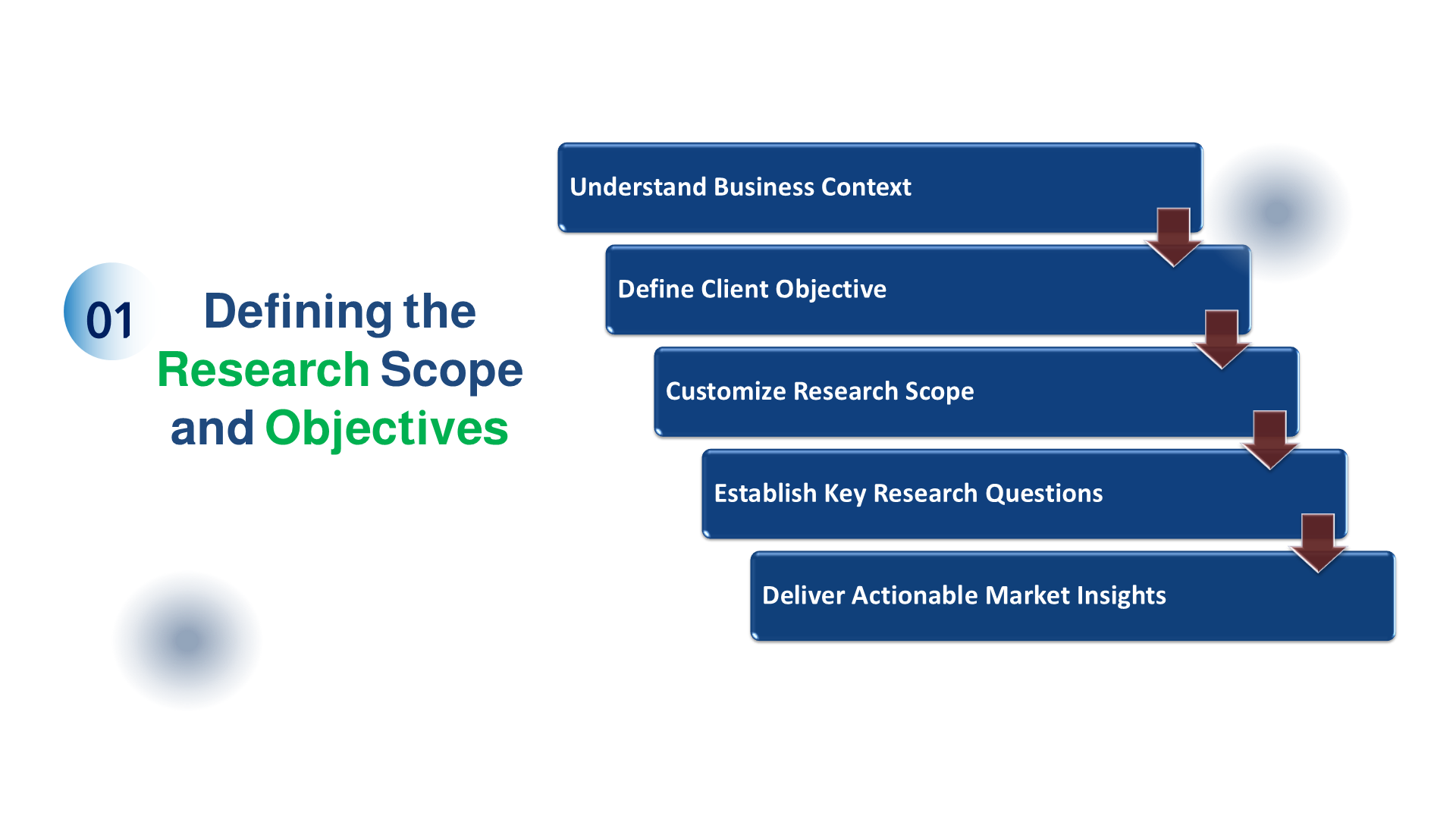
1.1. Market Segmentation & Scope
1.2. Market Definition
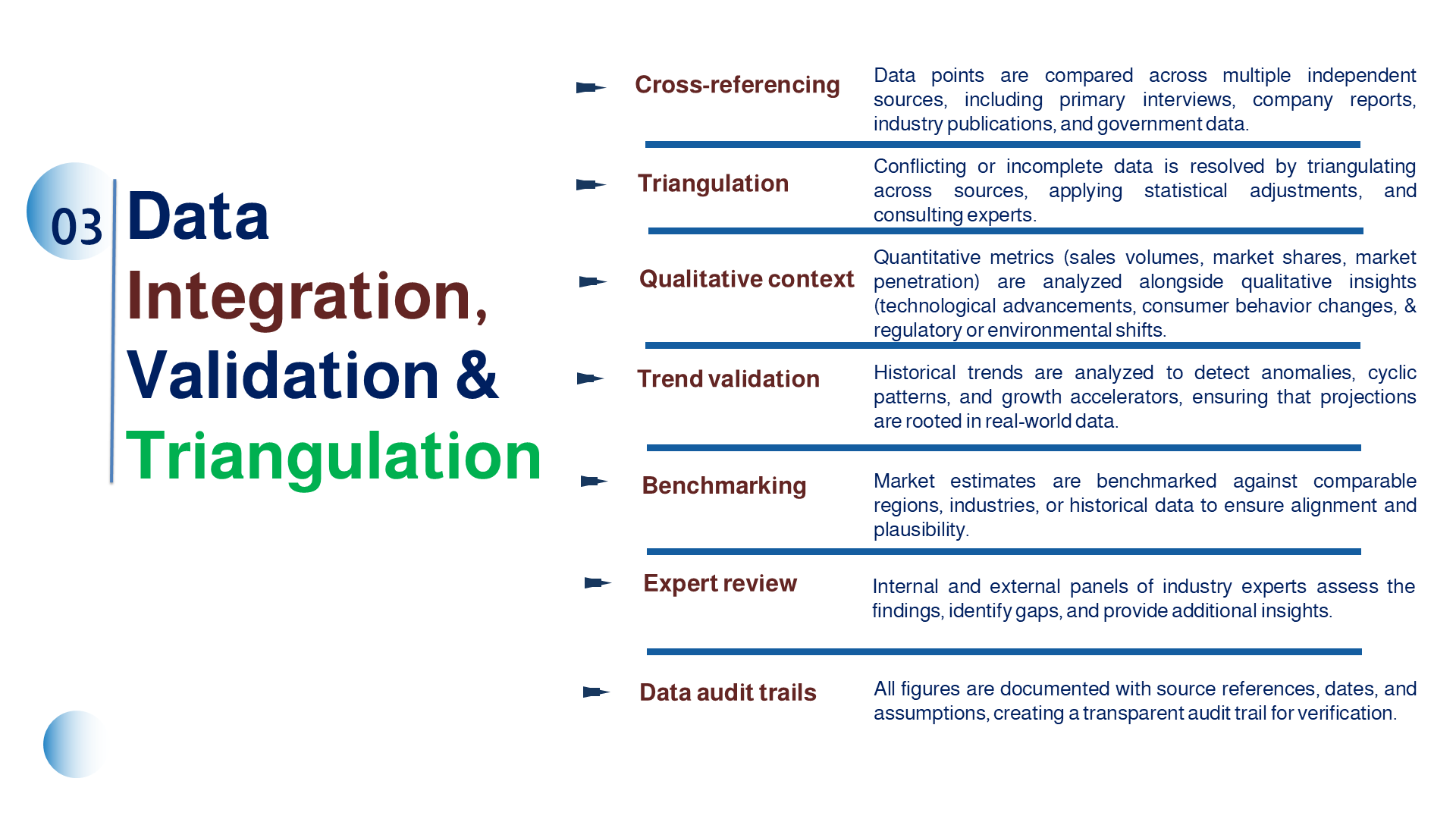
1.3. Information Procurement
1.3.1 Information Analysis
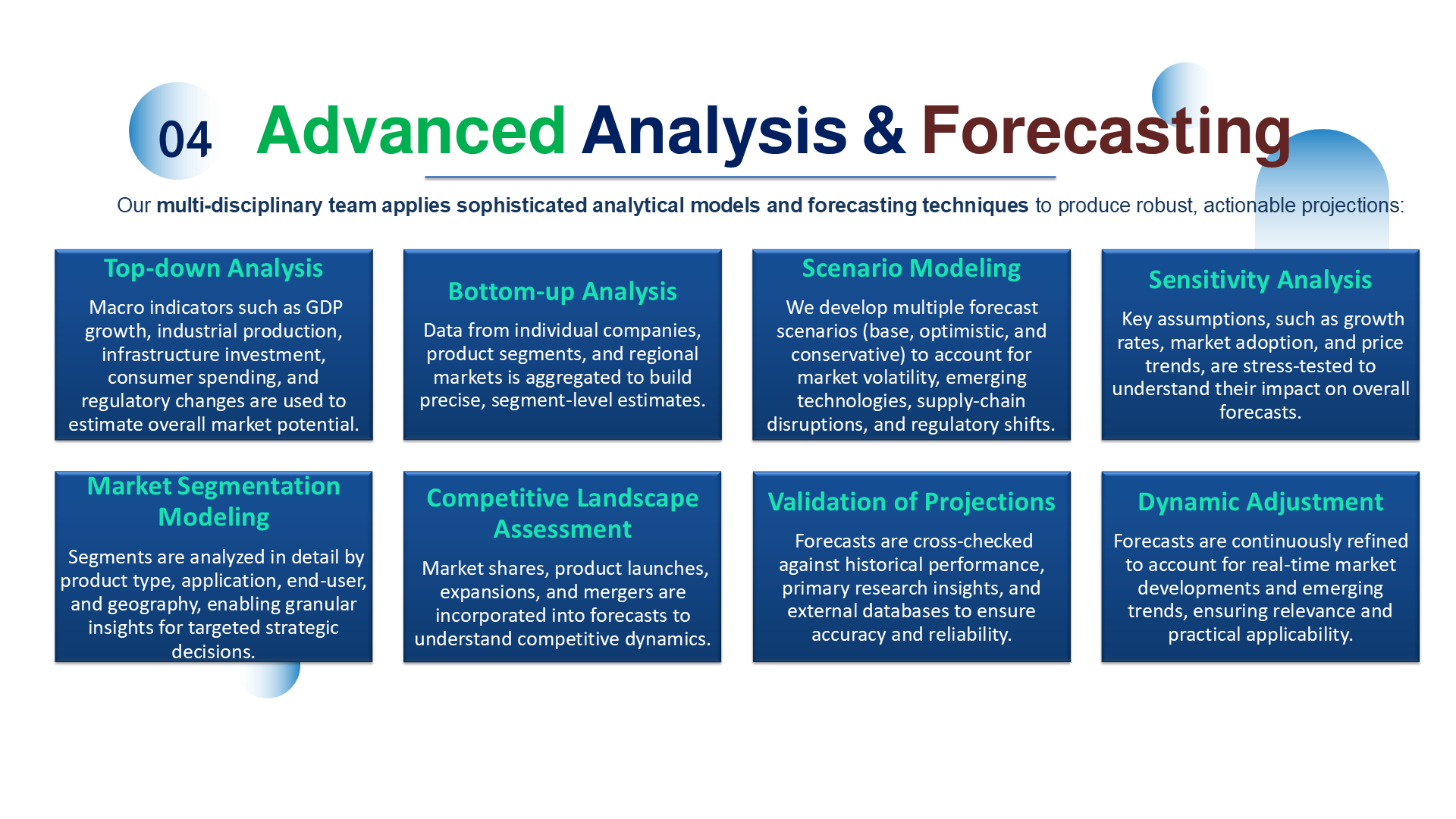
1.3.2 Market Formulation & Data Visualization
1.3.3 Data Validation & Publishing
1.4. Research Scope and Assumptions
1.4.1 List of Data Sources
Chapter 2. EXECUTIVE SUMMARY
2.1. Market Snapshot
2.2. Segmental Outlook
2.3. Competitive Outlook
Chapter 3. MARKET VARIABLES, TRENDS, FRAMEWORK
3.1. Market Lineage Outlook
3.2. Penetration & Growth Prospect Mapping
3.3. Value Chain Analysis
3.4. Regulatory Framework
3.4.1 Standards & Compliance
3.4.2 Regulatory Impact Analysis
3.5. Market Dynamics
3.5.1 Market Drivers
3.5.2 Market Restraints
3.5.3 Market Opportunities
3.5.4 Market Challenges
3.6. Porter's Five Forces Analysis
3.7. PESTLE Analysis
Chapter 4. GLOBAL ORTHOPEDIC IMAGING EQUIPMENT MARKET: BY PRODUCT TYPE 2022-2034 (USD MN)
4.1. Market Analysis, Insights and Forecast Product Type
4.2. X-Ray System Estimates and Forecasts By Regions 2022-2034 (USD MN)
4.3. CT-Scanner Estimates and Forecasts By Regions 2022-2034 (USD MN)
4.4. Mri System Estimates and Forecasts By Regions 2022-2034 (USD MN)
4.5. Eos Imaging System Estimates and Forecasts By Regions 2022-2034 (USD MN)
4.6. Ultrasound Estimates and Forecasts By Regions 2022-2034 (USD MN)
4.7. Nuclear Imaging System Estimates and Forecasts By Regions 2022-2034 (USD MN)
Chapter 5. GLOBAL ORTHOPEDIC IMAGING EQUIPMENT MARKET: BY INDICATION 2022-2034 (USD MN)
5.1. Market Analysis, Insights and Forecast Indication
5.2. Trauma Cases Estimates and Forecasts By Regions 2022-2034 (USD MN)
5.3. Sport Injuries Estimates and Forecasts By Regions 2022-2034 (USD MN)
5.4. Spinal Injuries Estimates and Forecasts By Regions 2022-2034 (USD MN)
5.5. Arthritis Estimates and Forecasts By Regions 2022-2034 (USD MN)
5.6. Bone Disorders Estimates and Forecasts By Regions 2022-2034 (USD MN)
5.7. Musculoskeletal Cancer Estimates and Forecasts By Regions 2022-2034 (USD MN)
5.8. Muscle Atrophy Estimates and Forecasts By Regions 2022-2034 (USD MN)
5.9. Other Estimates and Forecasts By Regions 2022-2034 (USD MN)
Chapter 6. GLOBAL ORTHOPEDIC IMAGING EQUIPMENT MARKET: BY END-USE 2022-2034 (USD MN)
6.1. Market Analysis, Insights and Forecast End-use
6.2. Hospitals Estimates and Forecasts By Regions 2022-2034 (USD MN)
6.3. Diagnostic Imaging Centers Estimates and Forecasts By Regions 2022-2034 (USD MN)
6.4. Other Estimates and Forecasts By Regions 2022-2034 (USD MN)
Chapter 7. GLOBAL ORTHOPEDIC IMAGING EQUIPMENT MARKET: BY REGION 2022-2034 (USD MN)
7.1. Regional Outlook
7.2. North America Market Analysis, Insights and Forecast, 2022-2034 (USD MN)
7.2.1 By Product Type
7.2.2 By Indication
7.2.3 By End-use
7.2.4 United States
7.2.5 Canada
7.2.6 Mexico
7.3. Europe Market Analysis, Insights and Forecast, 2022-2034 (USD MN)
7.3.1 By Product Type
7.3.2 By Indication
7.3.3 By End-use
7.3.4 United Kingdom
7.3.5 France
7.3.6 Germany
7.3.7 Italy
7.3.8 Spain
7.3.9 Russia
7.3.10 Rest Of Europe
7.4. Asia-Pacific Market Analysis, Insights and Forecast, 2022-2034 (USD MN)
7.4.1 By Product Type
7.4.2 By Indication
7.4.3 By End-use
7.4.4 China
7.4.5 Japan
7.4.6 South Korea
7.4.7 India
7.4.8 Australia
7.4.9 South East Asia
7.4.10 Rest Of Asia Pacific
7.5. Latin America Market Analysis, Insights and Forecast, 2022-2034 (USD MN)
7.5.1 By Product Type
7.5.2 By Indication
7.5.3 By End-use
7.5.4 Brazil
7.5.5 Argentina
7.5.6 Peru
7.5.7 Chile
7.5.8 Rest of Latin America
7.6. Middle East & Africa Market Analysis, Insights and Forecast, 2022-2034 (USD MN)
7.6.1 By Product Type
7.6.2 By Indication
7.6.3 By End-use
7.6.4 Saudi Arabia
7.6.5 UAE
7.6.6 Israel
7.6.7 South Africa
7.6.8 Rest of the Middle East And Africa
Chapter 8. COMPETITIVE LANDSCAPE
8.1. Recent Developments
8.2. Company Categorization
8.3. Supply Chain & Channel Partners (based on availability)
8.4. Market Share & Positioning Analysis (based on availability)
8.5. Vendor Landscape (based on availability)
8.6. Strategy Mapping
Chapter 9. COMPANY PROFILES OF GLOBAL ORTHOPEDIC IMAGING EQUIPMENT INDUSTRY
9.1. Top Companies Market Share Analysis
9.2. Company Profiles (Overview, Services, Financials (based on availability), Recent Developments,
Strategies, SWOT, Etc.)
9.2.1 Canon Inc
9.2.2 Carestream Health
9.2.3 EOS Imaging
9.2.4 Esaote SPA
9.2.5 FUJIFILM Holdings Corporation
9.2.6 GE HealthCare Technologies Inc
9.2.7 Hologic Inc
9.2.8 Koninklijke Philips NV
9.2.9 Shenzhen Mindray Bio-Medical Electronics Co. Ltd
9.2.10 Shimadzu Corporation
9.2.11 Siemens Healthineers AG
LIST OF TABLES
- Market Snapshot
- Segment Outlook
- Competitive Outlook
- Market Analysis By Product Type-2022-2034 (USD MN)
- X-Ray System Market Size By Geography (USD MN)
- CT-Scanner Market Size By Geography (USD MN)
- Mri System Market Size By Geography (USD MN)
- Eos Imaging System Market Size By Geography (USD MN)
- Ultrasound Market Size By Geography (USD MN)
- Nuclear Imaging System Market Size By Geography (USD MN)
- Market Analysis By Indication-2022-2034 (USD MN)
- Trauma Cases Market Size By Geography (USD MN)
- Sport Injuries Market Size By Geography (USD MN)
- Spinal Injuries Market Size By Geography (USD MN)
- Arthritis Market Size By Geography (USD MN)
- Bone Disorders Market Size By Geography (USD MN)
- Musculoskeletal Cancer Market Size By Geography (USD MN)
- Muscle Atrophy Market Size By Geography (USD MN)
- Other Market Size By Geography (USD MN)
- Market Analysis By End-use-2022-2034 (USD MN)
- Hospitals Market Size By Geography (USD MN)
- Diagnostic Imaging Centers Market Size By Geography (USD MN)
- Other Market Size By Geography (USD MN)
- Global Orthopedic Imaging Equipment Market Sales By Geography-2022-2034 (USD MN)
- North America Market Analysis (USD MN)
- United States Market Analysis (USD MN)
- Canada Market Analysis (USD MN)
- Mexico Market Analysis (USD MN)
- Europe Market Analysis (USD MN)
- United Kingdom Market Analysis (USD MN)
- France Market Analysis (USD MN)
- Germany Market Analysis (USD MN)
- Italy Market Analysis (USD MN)
- Russia Market Analysis (USD MN)
- Spain Market Analysis (USD MN)
- Rest of Europe Market Analysis (USD MN)
- Asia Pacific Market Analysis (USD MN)
- China Market Analysis (USD MN)
- Japan Market Analysis (USD MN)
- India Market Analysis (USD MN)
- South Korea Market Analysis (USD MN)
- Australia Market Analysis (USD MN)
- South East Asia Market Analysis (USD MN)
- Rest of Asia Pacific Market Analysis (USD MN)
- Latin America Market Analysis (USD MN)
- Brazil Market Analysis (USD MN)
- Argentina Market Analysis (USD MN)
- Peru Market Analysis (USD MN)
- Chile Market Analysis (USD MN)
- Rest of Latin America Market Analysis (USD MN)
- Middle East & Africa Market Analysis (USD MN)
- Saudi Arabia Market Analysis (USD MN)
- UAE Market Analysis (USD MN)
- Israel Market Analysis (USD MN)
- South Africa Market Analysis (USD MN)
- Rest of Middle East and Africa Market Analysis (USD MN)
- Partnership/Collaboration/Agreement
- Mergers And Acquisition
LIST OF FIGURES
- Research Scope of Global Orthopedic Imaging Equipment Report
- Market Research Process
- Market Research Methodology
- Global Orthopedic Imaging Equipment Market Size, By Regions (USD MN)
- Porters Five Forces Analysis
- PESTLE Analysis
- Market Attractiveness Analysis
- Value Chain Analysis
- Global Market Analysis By Product Type-2022-2034(USD MN)
- X-Ray System Market Sales By Geography (USD MN)
- CT-Scanner Market Sales By Geography (USD MN)
- Mri System Market Sales By Geography (USD MN)
- Eos Imaging System Market Sales By Geography (USD MN)
- Ultrasound Market Sales By Geography (USD MN)
- Nuclear Imaging System Market Sales By Geography (USD MN)
- Global Market Analysis By Indication-2022-2034(USD MN)
- Trauma Cases Market Sales By Geography (USD MN)
- Sport Injuries Market Sales By Geography (USD MN)
- Spinal Injuries Market Sales By Geography (USD MN)
- Arthritis Market Sales By Geography (USD MN)
- Bone Disorders Market Sales By Geography (USD MN)
- Musculoskeletal Cancer Market Sales By Geography (USD MN)
- Muscle Atrophy Market Sales By Geography (USD MN)
- Other Market Sales By Geography (USD MN)
- Global Market Analysis By End-use-2022-2034(USD MN)
- Hospitals Market Sales By Geography (USD MN)
- Diagnostic Imaging Centers Market Sales By Geography (USD MN)
- Other Market Sales By Geography (USD MN)
- Global Market Sales-2022-2034 (USD MN)
- North America Market Sales-2022-2034 (USD MN)
- Europe Market Sales-2022-2034 (USD MN)
- Asia Pacific Market Sales-2022-2034 (USD MN)
- Latin America Market Sales-2022-2034 (USD MN)
- Middle East & Africa Market Sales-2022-2034 (USD MN)
- Recent Development in Industry
- Top Company Market Share Analysis


Frequently Asked Questions (FAQs) about this Report
How big is the Global Orthopedic Imaging Equipment market?
What is the Global Orthopedic Imaging Equipment market growth?
Which country holds the highest share in the Global Orthopedic Imaging Equipment market?
How is the Global Orthopedic Imaging Equipment market segmented in the report?
Who are the key players in the Global Orthopedic Imaging Equipment market?