
Global Onshore Floating Solar Market Size, Share, Trends & Growth Analysis Report Segmented By Component (Solar Panels, Floating Structures, Anchoring Systems, Inverters, Others), Application, Installation Type And Regions (North America, Europe, Asia-Pacific, Latin America, Middle East and Africa), 2026-2034
Onshore Floating Solar Market Size and Share
The global onshore floating solar market size was valued at USD 2.69 Billion in 2025 and is projected to grow from USD 3.31 Billion in 2026 to USD 17.39 Billion by 2034, at a CAGR of 23.02% during the forecast period.
The onshore floating solar market is gaining traction as developers seek renewable generation without competing for scarce land. Global solar PV additions reached about 550 GW in 2024, creating a strong technology base for floating applications. Global cumulative PV capacity exceeded 2.2 TW by the end of 2024. Floating projects also benefit from existing reservoirs, dams, and industrial water bodies, while water cooling can support module performance. Policy support, renewable targets, and improvements in floating structures and anchoring are strengthening project economics. As deployment expands, market demand is increasingly linked to utility-scale clean-energy planning and better utilization of existing water infrastructure. Growing utility-scale deployment is expanding the onshore floating solar market size as developers increasingly use reservoirs and other water bodies for renewable generation. Increasing utility-scale adoption is influencing the onshore floating solar market share of platform suppliers, module manufacturers, inverter companies, and project developers.
Onshore Floating Solar Market Trends & Future Outlook
The movement toward utility-scale floating solar. Global solar PV additions reached about 550 GW in 2024, expanding the manufacturing and supply ecosystem available to floating projects. This broader PV scale supports equipment availability and greater developer familiarity, strengthening onshore floating solar market demand.
Greater use of artificial reservoirs and existing water infrastructure. Floating systems allow renewable generation without using additional land, making them attractive where land availability or acquisition costs constrain conventional solar. Large projects in China and India demonstrate how reservoirs can become strategic renewable-energy sites.
Technology refinement around anchoring, platform assembly, and system durability. Ciel & Terre completed a 120 MWp Indian project using rock-bolt anchoring and a reinforced fiberglass inverter barge in 2025, illustrating how engineering innovation is moving beyond basic floating structures.
Impact of AI in the Onshore Floating Solar Market
AI is increasingly useful for floating solar because project performance depends on changing weather, water conditions, electrical output, and equipment behavior. Global solar PV additions exceeded 600 GW in 2024, creating a much larger operational data base for predictive analytics. AI-enabled forecasting can improve generation scheduling by combining irradiance, weather, water-surface conditions, and historical production. Predictive maintenance can identify abnormal inverter, module, or electrical behavior before failures disrupt generation. For large reservoir projects, AI-based digital twins can model water-level variation and help optimize anchoring strategies. As project portfolios become larger, these tools can improve operational visibility, maintenance planning, and asset utilization.
Onshore Floating Solar Market Investment Analysis
Investment activity in onshore floating solar is supported by rapid solar deployment, renewable-energy targets, and the opportunity to use existing water infrastructure. Global renewable capacity additions reached roughly 800 GW in 2025, while solar PV additions surpassed 600 GW, strengthening the wider capital ecosystem supporting solar equipment, EPC services, financing, and grid infrastructure. Investors still face engineering complexity, permitting uncertainty, water-body environmental requirements, and project-specific anchoring costs. Capital is therefore increasingly likely to favor developers with reservoir access, established utility relationships, proven floating platforms, and strong EPC capabilities. The onshore floating solar investment analysis points toward opportunities where land constraints, renewable targets, and existing hydropower or water infrastructure can support scalable project development.
Emerging Innovations in Onshore Floating Solar Market
Advanced anchoring is becoming a major innovation area. Ciel & Terre's 120 MWp Omkareshwar project in India incorporated rock-bolt anchoring and a reinforced fiberglass inverter barge, showing how project-specific engineering can improve stability and equipment integration on large reservoirs.
Large-scale floating platforms are another important innovation. The 600 MW Omkareshwar project in India demonstrates the movement toward substantially larger reservoir-based installations, requiring stronger platforms, electrical integration, mooring systems, and coordinated construction methods.
Hybridization with hydropower and other grid assets is gaining attention because floating solar can share existing water infrastructure and grid connections. This approach can improve asset utilization while supporting renewable generation during periods when hydropower output or land availability presents constraints.
Onshore Floating Solar Market Dynamics
Market Drivers
Rapid solar deployment is creating a favorable technology and supply environment for floating applications. Solar PV additions reached about 550 GW globally in 2024, expanding manufacturing scale and developer familiarity. Land constraints are another strong driver because floating systems can use reservoirs, dams, and industrial ponds without requiring additional ground area. Large projects in China and India demonstrate the scalability of reservoir-based deployment. Water bodies can also provide access to existing transmission and power infrastructure, particularly where floating solar is integrated with hydropower facilities. As renewable-energy targets become more ambitious, onshore floating solar market growth is increasingly connected with infrastructure optimization, land conservation, and utility-scale decarbonization.
Market Restraints
Engineering complexity remains a significant restraint because floating systems require specialized structures, mooring arrangements, electrical equipment, and water-compatible materials. Project economics can vary considerably depending on reservoir geometry, water-level changes, wind exposure, and access conditions. Environmental assessment requirements can also lengthen development schedules, particularly where regulators require detailed evaluation of aquatic ecosystems. Maintenance is another consideration because equipment must be accessed over water rather than from conventional ground-mounted service roads. These factors can increase technical planning requirements and create additional operating risks. Consequently, onshore floating solar market size is not determined only by photovoltaic equipment costs; platform engineering, anchoring, logistics, permitting, and long-term maintenance also influence project feasibility.
Market Opportunities
The largest opportunity lies in underutilized reservoirs, dams, industrial ponds, and other artificial water bodies. Asia Pacific already demonstrates the commercial potential of this model, while Europe and North America are developing projects on reservoirs and other managed water surfaces. Floating solar can also complement hydropower by using existing grid infrastructure and water assets. Technological progress in anchoring, modular floats, bifacial modules, and electrical integration should widen the range of viable sites. Emerging project models can combine solar generation with storage or hydropower, creating additional value beyond standalone electricity production. These developments can expand onshore floating solar market demand while creating opportunities for platform suppliers, EPC contractors, equipment manufacturers, and renewable-energy developers.
Market Challenges
Scalability remains a key challenge because every water body presents different structural, environmental, and engineering conditions. Reservoir depth, water-level fluctuations, wind loading, shoreline access, and anchoring requirements can materially affect system design. Regulatory requirements also vary across jurisdictions, creating different approval pathways for projects with similar technical characteristics. Supply-chain coordination can become more complex when platforms, modules, inverters, anchoring equipment, and electrical systems come from different suppliers. Environmental concerns around aquatic ecosystems can further influence project design and permitting. Competitive pressure is also increasing as established solar manufacturers enter floating applications. Maintaining reliable performance while controlling installation and maintenance complexity will remain central to onshore floating solar market.
Onshore Floating Solar Market Segmentation Insights
Onshore Floating Solar Market Analysis, By Component
By component, the market is categorized into solar panels, floating structures, anchoring systems, inverters, and others.
The solar panels segment is the largest component segment, supported by the essential role of photovoltaic modules in electricity generation across floating installations. Strong global solar deployment, improving module efficiency, and established manufacturing capacity support its widespread adoption. Increasing floating project development continues to sustain demand for advanced solar panel technologies. The floating structures segment is the fastest-growing component segment, driven by increasing deployment of larger reservoir-based projects. Platform durability, buoyancy, corrosion resistance, and structural stability are becoming more important as project scale expands. Innovation in modular floating platforms is also supporting broader adoption and improving installation efficiency across different water bodies.
Onshore Floating Solar Market Analysis, By Application
By application, the market is categorized into utility-scale, commercial, industrial, and residential.
The utility-scale segment is the largest application segment because large reservoirs and dams can accommodate extensive photovoltaic arrays. Developers can also utilize existing transmission and power infrastructure, improving project integration. Major floating solar developments in China and India demonstrate the suitability of utility-scale systems for large renewable-energy generation projects. The commercial segment is the fastest-growing application segment as businesses increasingly consider floating solar for renewable electricity generation without consuming valuable land. Industrial ponds, reservoirs, and managed water bodies can provide suitable installation locations. Corporate renewable-energy objectives and increasing interest in self-generation are supporting commercial adoption across suitable sites.
Onshore Floating Solar Market Analysis, By Installation Type
By installation type, the market is categorized into new installation and retrofit.
The new installation segment is the largest installation type because purpose-built floating solar projects allow developers to optimize platform design, anchoring, electrical systems, and grid connections from the beginning. This approach is particularly suitable for large reservoirs where project layouts can be developed around specific water conditions and infrastructure requirements. The retrofit segment is the fastest-growing installation type as existing reservoirs, hydropower facilities, and other water infrastructure offer opportunities for adding floating photovoltaic capacity. Retrofitting can improve utilization of established assets while reducing the need for entirely new sites. Growing interest in hybrid renewable projects is supporting this approach.
Onshore Floating Solar Market Regional Insights
North America Onshore Floating Solar Market
North America is an emerging market for floating solar, supported by renewable-energy expansion, reservoir infrastructure, and demand for land-efficient generation. The United States added about 47 GW of solar PV capacity in 2024, strengthening the regional solar ecosystem. Floating projects can utilize reservoirs, dams, wastewater facilities, and other managed water bodies while reducing competition for land. Project development is influenced by environmental reviews, water-use requirements, reservoir ownership, and grid-access considerations. Utility-scale applications remain important because larger projects can better absorb engineering and development costs. Partnerships between utilities, water authorities, and renewable developers can support adoption. These factors are contributing to regional onshore floating solar market.
U.S. Onshore Floating Solar Market
The U.S. onshore floating solar market is developing around reservoirs, hydropower facilities, municipal water bodies, and other suitable sites. The country added approximately 47 GW of solar PV capacity in 2024, providing a mature supply chain for floating applications. Floating solar can help address land constraints while utilizing existing water and grid infrastructure. However, projects require careful consideration of environmental reviews, water management, permitting, ownership, and maintenance access. Utility-scale installations are likely to remain important because project developers can distribute specialized engineering costs across larger systems. Opportunities are also emerging around wastewater treatment facilities and industrial water bodies. These factors are supporting market project development.
Europe Onshore Floating Solar Market
Europe is developing floating solar across artificial lakes, reservoirs, quarry lakes, and other managed water bodies. The region added approximately 66 GW of solar PV capacity in 2024, providing a strong foundation of equipment suppliers and renewable-energy developers. Floating systems can reduce competition for land while supporting additional clean-energy generation. European projects typically place significant emphasis on environmental assessment, water-body compatibility, permitting, and system durability. France, Germany, the Netherlands, Portugal, and the U.K. are among the markets exploring floating applications. Regulatory requirements can lengthen development timelines, but strong sustainability objectives continue to support investment. These conditions are contributing to European onshore floating solar market growth.
U.K. Onshore Floating Solar Market
The U.K. onshore floating solar market is focused primarily on suitable reservoirs and other managed water bodies where floating PV can complement existing renewable infrastructure. Limited land availability creates an opportunity for water-based solar development without requiring extensive additional ground space. Projects must account for environmental assessment, water-resource management, reservoir operations, grid access, and local permitting. Commercial and utility applications can benefit from established renewable-energy procurement structures and corporate decarbonization objectives. Developers are therefore likely to prioritize locations with suitable water conditions, nearby infrastructure, and clear ownership arrangements. Continued renewable-energy investment and interest in land-efficient generation are supporting U.K. onshore floating solar market demand and project development opportunities.
Germany Onshore Floating Solar Market
Germany has a mature solar industry and increasing interest in alternative deployment locations, including suitable artificial water bodies. The country installed approximately 17.2 GW of new photovoltaic capacity in 2024, demonstrating strong domestic solar demand. Floating systems can provide additional renewable generation while reducing direct competition with agricultural and developed land. Projects must satisfy environmental, water-management, structural, and grid-integration requirements. Germany's emphasis on renewable-energy expansion and environmental compliance supports carefully designed floating installations with clearly assessed impacts. Opportunities are strongest where water bodies offer suitable conditions and infrastructure access. These factors are supporting Germany market growth and encouraging specialized project development.
Asia Pacific Onshore Floating Solar Market
Asia Pacific is a major regional hub for floating solar, supported by strong renewable-energy investment, extensive reservoirs, high electricity demand, and land constraints. China installed between 309 GW and 357 GW of solar PV capacity in 2024, while India added approximately 32 GW. These large solar markets provide established manufacturing, EPC, financing, and project-development capabilities. Floating projects are increasingly being deployed on reservoirs and other managed water bodies, creating valuable experience with anchoring, platform design, and electrical integration. Large-scale installations and strong policy support are strengthening Asia Pacific onshore floating solar market demand and expanding opportunities for specialized technology providers. Large project pipelines and strong manufacturing capabilities are supporting Asia Pacific's position in the onshore floating solar market share.
China Onshore Floating Solar Market
China is a leading onshore floating solar market for floating solar, supported by extensive solar manufacturing capacity, large reservoirs, and substantial utility-scale renewable-energy investment. The country installed between 309 GW and 357 GW of new solar PV capacity in 2024, representing a significant portion of global additions. Floating projects have expanded across reservoirs and other water bodies, providing developers with experience in platform engineering, anchoring, electrical systems, and large-scale construction. Domestic manufacturing capabilities can support equipment availability and project execution. Large installations are also encouraging innovation in floating structures and system integration. These factors are strengthening China market growth and supporting its importance within the regional floating solar supply chain.
Japan Onshore Floating Solar Market
Japan has favorable conditions for floating solar because limited land availability encourages developers to use reservoirs and other water bodies for renewable generation. The country has established experience with floating photovoltaic installations and a mature domestic solar industry. Companies such as Kyocera Corporation and Sharp Corporation have longstanding positions in photovoltaic technology. Japanese projects place strong emphasis on structural reliability, durability, efficient space utilization, and environmental considerations. Existing renewable-energy policies and technical capabilities provide additional support for project development. Floating systems can be particularly useful where conventional utility-scale solar faces land constraints. These factors are supporting market demand and encouraging continued technology development.
India Onshore Floating Solar Market
India is becoming an important onshore floating solar market because of its extensive reservoirs, growing renewable-energy capacity, and land-use constraints. The country added approximately 32 GW of solar PV capacity in 2024. Large projects at Omkareshwar, Ramagundam, Kayamkulam, and Simhadri are demonstrating the potential for reservoir-based deployment. Ciel & Terre completed a 120 MWp floating solar installation at Omkareshwar in 2025, using rock-bolt anchoring and a reinforced fiberglass inverter barge. Such projects are strengthening domestic experience in floating platforms, anchoring, electrical integration, and maintenance. Continued renewable-energy investment and utility procurement can support market growth and create opportunities for equipment and engineering suppliers.
Middle East & Africa Onshore Floating Solar Market
The Middle East and Africa present selective opportunities for floating solar across reservoirs, irrigation facilities, wastewater ponds, and industrial water bodies. Strong solar resources support renewable-generation potential, while land constraints and competing land uses can improve the case for water-based installations. Projects must consider high temperatures, dust, water quality, evaporation, structural durability, and environmental conditions. Financing and grid infrastructure remain important considerations, particularly in developing markets. Floating solar can also complement existing water-management infrastructure and industrial operations. Public-private partnerships may help address capital and technical barriers. As renewable-energy programs expand, suitable water bodies can create opportunities for market demand across selected countries.
GCC Onshore Floating Solar Market
The GCC represents an emerging opportunity for floating solar, particularly across industrial ponds, wastewater facilities, reservoirs, and other controlled water bodies. Strong solar irradiation supports attractive renewable-generation potential, while limited land availability can encourage alternative installation approaches. However, extreme temperatures, dust exposure, water quality, evaporation, and material durability require specialized system design. Industrial and utility customers may provide suitable early applications because existing infrastructure can support electricity integration. Project developers must also evaluate water-management priorities and environmental requirements. Renewable-energy diversification programs across GCC countries are creating additional interest in solar technologies. These conditions can support GCC onshore floating solar market growth where site, infrastructure, and economic requirements align.
Latin America Onshore Floating Solar Market
Latin America has potential for floating solar because of its extensive reservoirs, hydropower infrastructure, industrial water bodies, and expanding renewable-energy investment. Brazil is particularly relevant, having added approximately 14.3 GW of solar PV capacity in 2024. Floating PV can complement hydropower by using existing water surfaces and potentially sharing grid infrastructure. Project feasibility depends on reservoir characteristics, transmission availability, environmental permitting, financing, and operational requirements. Large water bodies can provide opportunities for utility-scale installations, while industrial and municipal facilities offer smaller applications. Brazil and other regional markets can therefore support gradual onshore floating solar market growth as developers seek additional renewable-generation sites and infrastructure-efficient project models.
Onshore Floating Solar Market Competitive Overview
The onshore floating solar market is competitive across floating-platform technology, photovoltaic modules, inverters, project engineering, pricing, and regional execution. Ciel & Terre International differentiates through specialized floating structures and anchoring expertise, while Sungrow Power Supply Co. Ltd. strengthens competition through power-electronics and system-integration capabilities. Trina Solar Limited, LONGi Solar, and JinkoSolar Holding Co. Ltd. compete through module technology, manufacturing scale, and established developer relationships. BayWa r.e. and other renewable-energy companies add competition through project development and regional partnerships. Regulatory requirements concerning water use, environmental protection, and reservoir operations increasingly influence supplier selection. Localization, supply-chain reliability, and partnerships with utilities and EPC contractors are becoming important competitive factors. Overall, competitive advantage depends on reliable technology, site-specific engineering, project execution, and long-term operational performance.
Leading Market Players in the Onshore Floating Solar Market
- Ciel & Terre International: Ciel & Terre International is a specialist floating photovoltaic company with expertise spanning floating platforms, anchoring, project engineering, and large reservoir installations. Its position is differentiated by dedicated floating-solar experience rather than conventional ground-mounted PV alone. The company's work on India's Omkareshwar project demonstrates its capability to handle complex reservoir conditions and integrate specialized anchoring solutions. Its technology focus makes it relevant to projects where water-level variation, platform stability, and long-term structural performance are major considerations. The company can benefit from increasing demand for floating PV in land-constrained markets, particularly where developers require experienced engineering partners.
- Sungrow Power Supply Co. Ltd.: Sungrow Power Supply Co. Ltd. combines strong power-electronics capabilities with a growing role in floating solar systems. Its competitive positioning benefits from experience in inverters, electrical conversion, system integration, and utility-scale renewable projects. This broader portfolio can support customers seeking coordinated electrical and floating-system solutions. The company competes through technology integration, product reliability, project execution, and the ability to participate in large-scale renewable installations. Its role is particularly relevant as floating solar projects become larger and require closer coordination between floating structures, electrical equipment, monitoring systems, and grid infrastructure.
- Trina Solar Limited: Trina Solar Limited is a major photovoltaic technology and module supplier whose relevance to floating solar comes from its extensive solar manufacturing and project ecosystem. Its module expertise can support floating installations where developers seek high-performance photovoltaic equipment compatible with specialized mounting systems. Floating projects require modules that can operate reliably under demanding environmental conditions, making durability, system compatibility, and electrical performance important competitive factors. Trina Solar can therefore participate in the floating market through module supply, integrated project relationships, and technology development while partnering with specialist platform and anchoring providers where dedicated floating engineering is required.
List of Companies Profiled in the Report are:
{report_table}
Analyst’s View on the Onshore Floating Solar Market
- Utility-scale deployment should remain central because reservoirs provide larger project footprints while reducing direct competition with land-based solar development. The growing scale of projects is also increasing the importance of specialized platforms, anchoring, electrical integration, and engineering expertise.
- Asia Pacific will remain a major demand center because China, India, Japan, and Southeast Asian markets combine strong solar deployment with substantial water infrastructure. Regional supply-chain depth should continue supporting project development and technology localization.
- The onshore floating solar market share of individual suppliers will increasingly depend on more than module or inverter pricing. Anchoring performance, structural durability, project execution, environmental compliance, and partnerships with utilities will become stronger differentiators.
- Project economics require careful site selection. Water depth, reservoir fluctuations, wind exposure, grid proximity, environmental requirements, and maintenance access can materially change project returns, making engineering assessment critical before capital is committed.
- Innovation is shifting toward integrated solutions that combine floating structures, advanced anchoring, high-performance modules, digital monitoring, storage, and hydropower integration. This creates opportunities for companies capable of delivering complete project solutions rather than isolated components.
List of Segments Covered
This section of the market report provides detailed data on the segments at country and regional level, thereby assisting the strategist in identifying the target demographics for the respective product or services with the upcoming opportunities.
By Component By Application By Installation Type
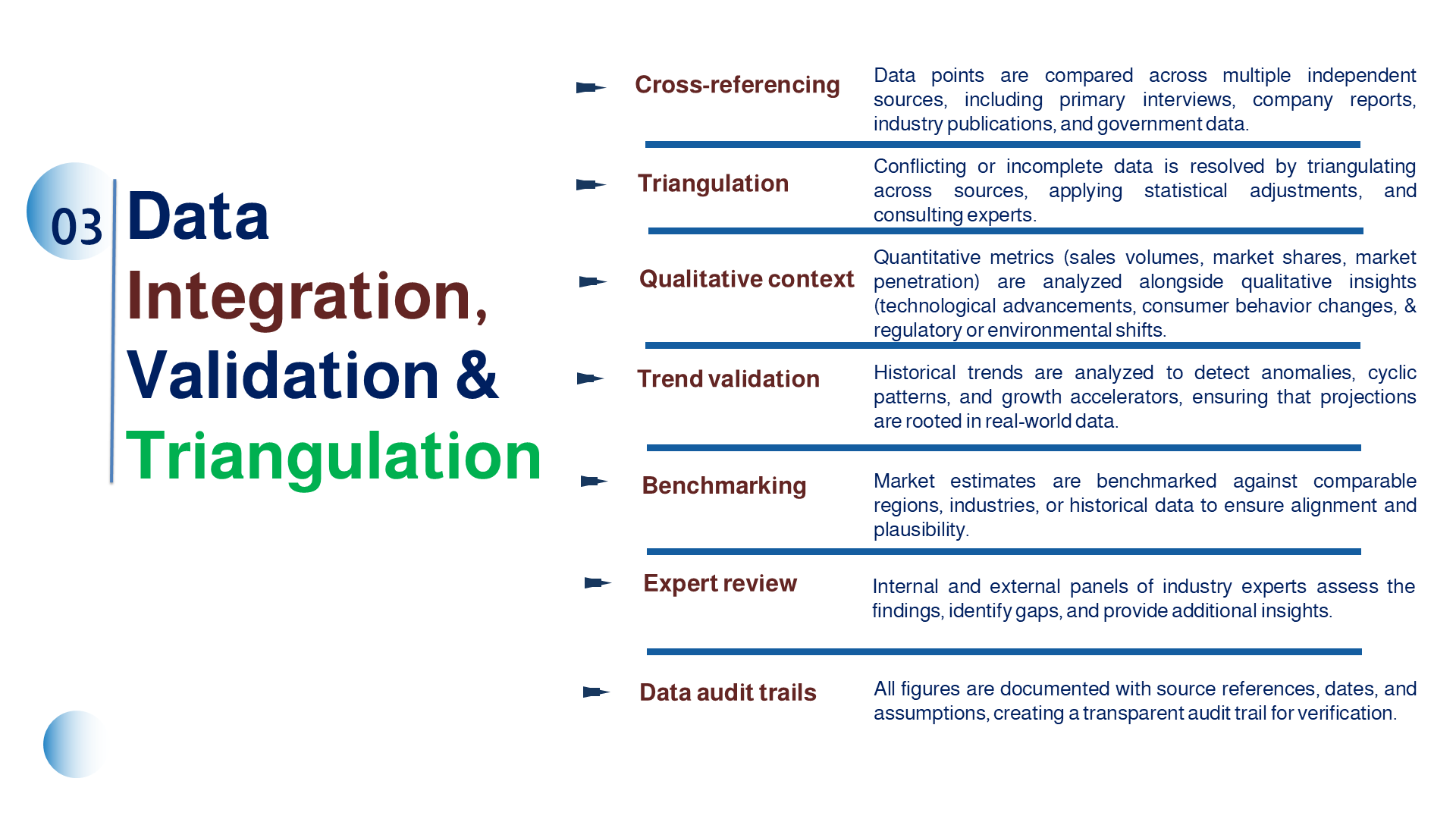
1.1. Market Segmentation & Scope
1.2. Market Definition
1.3. Information Procurement
1.3.1 Information Analysis
1.3.2 Market Formulation & Data Visualization
1.3.3 Data Validation & Publishing
1.4. Research Scope and Assumptions
1.4.1 List of Data Sources
Chapter 2. EXECUTIVE SUMMARY
2.1. Market Snapshot
2.2. Segmental Outlook
2.3. Competitive Outlook
Chapter 3. MARKET VARIABLES, TRENDS, FRAMEWORK
3.1. Market Lineage Outlook
3.2. Penetration & Growth Prospect Mapping
3.3. Value Chain Analysis
3.4. Regulatory Framework
3.4.1 Standards & Compliance
3.4.2 Regulatory Impact Analysis
3.5. Market Dynamics
3.5.1 Market Drivers
3.5.2 Market Restraints
3.5.3 Market Opportunities
3.5.4 Market Challenges
3.6. Porter's Five Forces Analysis
3.7. PESTLE Analysis
Chapter 4. GLOBAL ONSHORE FLOATING SOLAR MARKET: BY COMPONENT 2022-2034 (USD MN and KW)
4.1. Market Analysis, Insights and Forecast Component
4.2. Solar Panels Estimates and Forecasts By Regions 2022-2034 (USD MN and KW)
4.3. Floating Structures Estimates and Forecasts By Regions 2022-2034 (USD MN and KW)
4.4. Anchoring Systems Estimates and Forecasts By Regions 2022-2034 (USD MN and KW)
4.5. Inverters Estimates and Forecasts By Regions 2022-2034 (USD MN and KW)
4.6. Others Estimates and Forecasts By Regions 2022-2034 (USD MN and KW)
Chapter 5. GLOBAL ONSHORE FLOATING SOLAR MARKET: BY APPLICATION 2022-2034 (USD MN and KW)
5.1. Market Analysis, Insights and Forecast Application
5.2. Utility-Scale Estimates and Forecasts By Regions 2022-2034 (USD MN and KW)
5.3. Commercial Estimates and Forecasts By Regions 2022-2034 (USD MN and KW)
5.4. Industrial Estimates and Forecasts By Regions 2022-2034 (USD MN and KW)
5.5. Residential Estimates and Forecasts By Regions 2022-2034 (USD MN and KW)
Chapter 6. GLOBAL ONSHORE FLOATING SOLAR MARKET: BY INSTALLATION TYPE 2022-2034 (USD MN and KW)
6.1. Market Analysis, Insights and Forecast Installation Type
6.2. New Installation Estimates and Forecasts By Regions 2022-2034 (USD MN and KW)
6.3. Retrofit Estimates and Forecasts By Regions 2022-2034 (USD MN and KW)
Chapter 7. GLOBAL ONSHORE FLOATING SOLAR MARKET: BY REGION 2022-2034 (USD MN and KW)
7.1. Regional Outlook
7.2. North America Market Analysis, Insights and Forecast, 2022-2034 (USD MN and KW)
7.2.1 By Component
7.2.2 By Application
7.2.3 By Installation Type
7.2.4 United States
7.2.5 Canada
7.2.6 Mexico
7.3. Europe Market Analysis, Insights and Forecast, 2022-2034 (USD MN and KW)
7.3.1 By Component
7.3.2 By Application
7.3.3 By Installation Type
7.3.4 United Kingdom
7.3.5 France
7.3.6 Germany
7.3.7 Italy
7.3.8 Spain
7.3.9 Russia
7.3.10 Rest Of Europe
7.4. Asia-Pacific Market Analysis, Insights and Forecast, 2022-2034 (USD MN and KW)
7.4.1 By Component
7.4.2 By Application
7.4.3 By Installation Type
7.4.4 China
7.4.5 Japan
7.4.6 South Korea
7.4.7 India
7.4.8 Australia
7.4.9 South East Asia
7.4.10 Rest Of Asia Pacific
7.5. Latin America Market Analysis, Insights and Forecast, 2022-2034 (USD MN and KW)
7.5.1 By Component
7.5.2 By Application
7.5.3 By Installation Type
7.5.4 Brazil
7.5.5 Argentina
7.5.6 Peru
7.5.7 Chile
7.5.8 Rest of Latin America
7.6. Middle East & Africa Market Analysis, Insights and Forecast, 2022-2034 (USD MN and KW)
7.6.1 By Component
7.6.2 By Application
7.6.3 By Installation Type
7.6.4 Saudi Arabia
7.6.5 UAE
7.6.6 Israel
7.6.7 South Africa
7.6.8 Rest of the Middle East And Africa
Chapter 8. COMPETITIVE LANDSCAPE
8.1. Recent Developments
8.2. Company Categorization
8.3. Supply Chain & Channel Partners (based on availability)
8.4. Market Share & Positioning Analysis (based on availability)
8.5. Vendor Landscape (based on availability)
8.6. Strategy Mapping
Chapter 9. COMPANY PROFILES OF GLOBAL ONSHORE FLOATING SOLAR INDUSTRY
9.1. Top Companies Market Share Analysis
9.2. Company Profiles (Overview, Services, Financials (based on availability), Recent Developments,
Strategies, SWOT, Etc.)
9.2.1 Ciel & Terre International
9.2.2 Sungrow Power Supply Co. Ltd
9.2.3 BayWa R.e
9.2.4 Trina Solar Limited
9.2.5 Hanwha Q CELLS
9.2.6 JA Solar Technology Co. Ltd
9.2.7 LONGi Solar
9.2.8 JinkoSolar Holding Co. Ltd
9.2.9 Sharp Corporation
9.2.10 Kyocera Corporation
9.2.11 Canadian Solar Inc
9.2.12 First Solar Inc
9.2.13 SunPower Corporation
9.2.14 Tata Power Solar Systems Ltd
9.2.15 Adani Solar
LIST OF TABLES
- Market Snapshot
- Segment Outlook
- Competitive Outlook
- Market Analysis By Component-2022-2034 (USD MN and KW)
- Solar Panels Market Size By Geography (USD MN and KW)
- Floating Structures Market Size By Geography (USD MN and KW)
- Anchoring Systems Market Size By Geography (USD MN and KW)
- Inverters Market Size By Geography (USD MN and KW)
- Others Market Size By Geography (USD MN and KW)
- Market Analysis By Application-2022-2034 (USD MN and KW)
- Utility-Scale Market Size By Geography (USD MN and KW)
- Commercial Market Size By Geography (USD MN and KW)
- Industrial Market Size By Geography (USD MN and KW)
- Residential Market Size By Geography (USD MN and KW)
- Market Analysis By Installation Type-2022-2034 (USD MN and KW)
- New Installation Market Size By Geography (USD MN and KW)
- Retrofit Market Size By Geography (USD MN and KW)
- Global Onshore Floating Solar Market Sales By Geography-2022-2034 (USD MN and KW)
- North America Market Analysis (USD MN and KW)
- United States Market Analysis (USD MN and KW)
- Canada Market Analysis (USD MN and KW)
- Mexico Market Analysis (USD MN and KW)
- Europe Market Analysis (USD MN and KW)
- United Kingdom Market Analysis (USD MN and KW)
- France Market Analysis (USD MN and KW)
- Germany Market Analysis (USD MN and KW)
- Italy Market Analysis (USD MN and KW)
- Russia Market Analysis (USD MN and KW)
- Spain Market Analysis (USD MN and KW)
- Rest of Europe Market Analysis (USD MN and KW)
- Asia Pacific Market Analysis (USD MN and KW)
- China Market Analysis (USD MN and KW)
- Japan Market Analysis (USD MN and KW)
- India Market Analysis (USD MN and KW)
- South Korea Market Analysis (USD MN and KW)
- Australia Market Analysis (USD MN and KW)
- South East Asia Market Analysis (USD MN and KW)
- Rest of Asia Pacific Market Analysis (USD MN and KW)
- Latin America Market Analysis (USD MN and KW)
- Brazil Market Analysis (USD MN and KW)
- Argentina Market Analysis (USD MN and KW)
- Peru Market Analysis (USD MN and KW)
- Chile Market Analysis (USD MN and KW)
- Rest of Latin America Market Analysis (USD MN and KW)
- Middle East & Africa Market Analysis (USD MN and KW)
- Saudi Arabia Market Analysis (USD MN and KW)
- UAE Market Analysis (USD MN and KW)
- Israel Market Analysis (USD MN and KW)
- South Africa Market Analysis (USD MN and KW)
- Rest of Middle East and Africa Market Analysis (USD MN and KW)
- Partnership/Collaboration/Agreement
- Mergers And Acquisition
LIST OF FIGURES
- Research Scope of Global Onshore Floating Solar Report
- Market Research Process
- Market Research Methodology
- Global Onshore Floating Solar Market Size, By Regions (USD MN and KW)
- Porters Five Forces Analysis
- PESTLE Analysis
- Market Attractiveness Analysis
- Value Chain Analysis
- Global Market Analysis By Component-2022-2034(USD MN and KW)
- Solar Panels Market Sales By Geography (USD MN and KW)
- Floating Structures Market Sales By Geography (USD MN and KW)
- Anchoring Systems Market Sales By Geography (USD MN and KW)
- Inverters Market Sales By Geography (USD MN and KW)
- Others Market Sales By Geography (USD MN and KW)
- Global Market Analysis By Application-2022-2034(USD MN and KW)
- Utility-Scale Market Sales By Geography (USD MN and KW)
- Commercial Market Sales By Geography (USD MN and KW)
- Industrial Market Sales By Geography (USD MN and KW)
- Residential Market Sales By Geography (USD MN and KW)
- Global Market Analysis By Installation Type-2022-2034(USD MN and KW)
- New Installation Market Sales By Geography (USD MN and KW)
- Retrofit Market Sales By Geography (USD MN and KW)
- Global Market Sales-2022-2034 (USD MN and KW)
- North America Market Sales-2022-2034 (USD MN and KW)
- Europe Market Sales-2022-2034 (USD MN and KW)
- Asia Pacific Market Sales-2022-2034 (USD MN and KW)
- Latin America Market Sales-2022-2034 (USD MN and KW)
- Middle East & Africa Market Sales-2022-2034 (USD MN and KW)
- Recent Development in Industry
- Top Company Market Share Analysis






Frequently Asked Questions (FAQs) about this Report
How big is the Global Onshore Floating Solar market?
What is the Global Onshore Floating Solar market growth?
Which region holds the highest share in the Global Onshore Floating Solar market?
How is the Global Onshore Floating Solar market segmented in the report?
Which segment accounted for the largest onshore floating solar market share?
What are the factors driving the onshore floating solar market?
Who are the key players in the Global Onshore Floating Solar market?