
Global Interventional Image-Guided Systems Market Size, Share, Trends & Growth Analysis Report Segmented By Product (Single Plane, Bi-Plane Systems), Type, Modality, Application, End User And Regions (North America, Europe, Asia-Pacific, Latin America, Middle East and Africa), 2026-2034
The Interventional Image-Guided Systems Market size was valued at USD 6.30 Billion in 2025 and is projected to grow from USD 6.74 Billion in 2026 to USD 11.53 Billion by 2034, at a CAGR of 6.95% during the 2026-2034.
The interventional image-guided systems market is poised for substantial growth, driven by several key factors that enhance the demand for advanced imaging technologies in various medical applications. One of the primary drivers is the increasing prevalence of chronic diseases, such as cardiovascular disorders, cancer, and neurological conditions, which necessitate the use of precise imaging solutions for accurate diagnosis and treatment. According to the World Health Organization, non-communicable diseases account for approximately 71% of all global deaths, highlighting the urgent need for effective interventional procedures supported by advanced imaging technologies.
Additionally, advancements in imaging technology, such as improved resolution, real-time visualization, and enhanced mobility, are creating new opportunities for market expansion. Innovations in modalities like computed tomography (CT), magnetic resonance imaging (MRI), and ultrasound are enabling healthcare providers to perform complex procedures with greater precision and efficiency. Furthermore, the growing demand for minimally invasive surgical procedures is expected to contribute to the rising adoption of interventional image-guided systems, as these devices facilitate procedures with reduced patient trauma and faster recovery times. The increasing focus on patient safety and the need for cost-effective healthcare solutions further bolster the market's growth potential.
Market Dynamics
Interventional Image-Guided Systems Market Drivers
- Rising Prevalence of Chronic Diseases: The increasing prevalence of chronic diseases is a significant driver for the interventional image-guided systems market. According to the Centers for Disease Control and Prevention, approximately 60% of adults in the United States have at least one chronic condition, and 40% have two or more. This growing burden of chronic diseases, including cardiovascular disorders, cancer, and diabetes, necessitates the use of advanced imaging technologies for accurate diagnosis and treatment. Interventional image-guided systems play a crucial role in facilitating minimally invasive procedures, allowing healthcare providers to visualize internal structures in real-time. As the demand for effective diagnostic and therapeutic solutions continues to rise, the adoption of interventional image-guided systems is expected to increase significantly.
- Technological Advancements in Imaging Solutions: The continuous evolution of imaging technology is another critical driver of market growth. Innovations such as digital imaging, enhanced image quality, and improved mobility are transforming the capabilities of interventional image-guided systems. Research published by the National Institutes of Health indicates that advancements in imaging technology can significantly improve diagnostic accuracy and procedural outcomes. For instance, the integration of advanced imaging modalities, such as fluoroscopy and computed tomography, into interventional systems allows for comprehensive visualization during surgical procedures. As healthcare providers increasingly adopt these advanced technologies, the demand for interventional image-guided systems is likely to rise, further propelling market growth.
- Growing Demand for Minimally Invasive Procedures: The rising demand for minimally invasive surgical procedures is a significant factor contributing to the growth of the interventional image-guided systems market. According to the American College of Surgeons, minimally invasive techniques are associated with reduced patient trauma, shorter recovery times, and lower complication rates compared to traditional open surgeries. Interventional image-guided systems enable surgeons to perform these procedures with enhanced precision and real-time imaging capabilities, facilitating better decision-making during interventions. As patients increasingly seek less invasive treatment options, the adoption of interventional image-guided systems is expected to grow, reflecting the changing landscape of surgical practices.
- Focus on Patient Safety and Cost-Effectiveness: The increasing focus on patient safety and the need for cost-effective healthcare solutions are driving the demand for interventional image-guided systems. Healthcare providers are under pressure to improve patient outcomes while managing costs, leading to a greater emphasis on technologies that enhance safety and efficiency. Interventional image-guided systems offer several advantages, including reduced radiation exposure, improved imaging quality, and the ability to perform procedures in various settings, such as operating rooms and outpatient facilities. According to the World Health Organization, the adoption of advanced imaging technologies can lead to better patient outcomes and lower healthcare costs. As healthcare systems strive to optimize resource utilization and enhance patient care, the demand for interventional image-guided systems is expected to increase.
Interventional Image-Guided Systems Market Opportunities
- Emerging Markets: Growth Potential: The growing healthcare infrastructure in emerging markets presents a significant opportunity for the interventional image-guided systems market. Countries in Asia-Pacific and Latin America are witnessing rapid advancements in healthcare facilities and increased investment in medical technologies. According to the World Bank, healthcare spending in these regions is expected to rise significantly, creating a favorable environment for the adoption of advanced imaging solutions. This trend offers market players the chance to expand their presence and tap into new customer bases, as rising disposable incomes and changing lifestyles drive demand for advanced medical technologies.
- Innovative Product Development: The demand for innovative products, such as advanced interventional image-guided systems with enhanced imaging capabilities, is a promising opportunity for market players. Research from the National Institutes of Health indicates that advancements in imaging technology, such as 3D imaging and real-time visualization, can significantly improve procedural outcomes and patient satisfaction. Companies that invest in research and development to create cutting-edge products are likely to gain a competitive edge in the market, attracting healthcare providers seeking the best solutions for their imaging needs.
- Collaborations and Partnerships: Strategic collaborations and partnerships between medical device manufacturers and healthcare providers can create new opportunities in the interventional image-guided systems market. By working together, these entities can develop tailored solutions that address specific patient needs and improve treatment outcomes. According to the Journal of Medical Devices, such collaborations can lead to innovative product offerings and enhanced market penetration, benefiting both parties involved. This collaborative approach can also facilitate knowledge sharing and the development of best practices in imaging procedures.
- Regulatory Support for Advanced Technologies: Supportive regulatory frameworks for the approval of advanced medical devices can significantly benefit the interventional image-guided systems market. Regulatory agencies are increasingly recognizing the importance of innovative technologies in improving patient care. For instance, the U.S. Food and Drug Administration has expedited the approval process for certain advanced imaging devices, facilitating their entry into the market. This regulatory support encourages manufacturers to invest in research and development, ultimately driving market growth and enhancing the availability of advanced interventional image-guided systems.
Interventional Image-Guided Systems Market Restrain & Challenges
- High Cost of Advanced Equipment: The high cost associated with advanced interventional image-guided systems poses a significant challenge to market growth. Many healthcare facilities, particularly in developing regions, may struggle to afford these innovative technologies, limiting their adoption. According to the World Health Organization, the financial burden of healthcare can deter patients from seeking necessary treatments, leading to delayed diagnoses and poorer outcomes. This economic barrier can hinder the overall growth of the interventional image-guided systems market, as healthcare providers may opt for more affordable alternatives.
- Stringent Regulatory Requirements: The stringent regulatory requirements for the approval of medical devices can pose challenges for manufacturers in the interventional image-guided systems market. Regulatory agencies often require extensive clinical data to demonstrate the safety and efficacy of new products, which can prolong the approval process. According to the U.S. Food and Drug Administration, the time taken for device approval can vary significantly, impacting the speed at which new products enter the market. This regulatory burden can deter companies from investing in research and development, limiting innovation in the sector.
- Competition from Alternative Imaging Solutions: The availability of alternative imaging solutions, such as fixed imaging systems and traditional X-ray systems, presents a challenge to the interventional image-guided systems market. Some healthcare providers may prefer these alternatives due to their lower costs and established usage in clinical settings. According to the American College of Radiology, the choice of imaging technology often depends on the specific needs and preferences of healthcare providers, which can limit the market potential for interventional image-guided systems.
- Lack of Awareness in Developing Regions: The lack of awareness regarding the benefits of interventional image-guided systems in developing regions can hinder market growth. Many healthcare providers and patients may not be familiar with the advantages of advanced imaging technologies. According to the World Health Organization, educational initiatives are essential to improve awareness and understanding of advanced medical technologies. Without adequate education and outreach, the adoption of interventional image-guided systems may remain limited in these regions.
Current Trends in the Interventional Image-Guided Systems Market
- Integration of Advanced Imaging Technologies: The development and adoption of advanced imaging technologies in interventional image-guided systems represent a significant trend in the market. Innovations such as 3D imaging, digital subtraction angiography, and real-time visualization are enhancing the capabilities of interventional systems. Research published by the National Institutes of Health indicates that these advanced technologies can significantly improve diagnostic accuracy and procedural outcomes. As healthcare providers increasingly adopt these technologies, the demand for interventional image-guided systems is likely to rise, further propelling market growth.
- Minimally Invasive Surgical Techniques: The increasing preference for minimally invasive surgical techniques is shaping the interventional image-guided systems market. These techniques offer several advantages, including reduced patient trauma, shorter recovery times, and lower complication rates. According to the American College of Surgeons, minimally invasive procedures are becoming the standard of care for many surgical interventions, driving the demand for advanced imaging solutions that facilitate these techniques. Interventional image-guided systems enable surgeons to perform procedures with enhanced precision and real-time imaging capabilities, further contributing to their growing popularity.
- Focus on Patient-Centric Care: The growing emphasis on patient-centric care in healthcare settings is influencing the interventional image-guided systems market. Healthcare providers are increasingly prioritizing patient comfort, safety, and satisfaction during procedures. According to the World Health Organization, the adoption of advanced imaging technologies can lead to better patient outcomes and improved experiences. Interventional image-guided systems, with their ability to provide real-time imaging and facilitate minimally invasive procedures, align with this trend, driving their demand in healthcare facilities.
- Telemedicine and Remote Imaging Solutions: The integration of telemedicine and remote imaging solutions is an emerging trend in the interventional image-guided systems market. The COVID-19 pandemic has accelerated the adoption of telehealth services, leading to increased demand for remote imaging capabilities. According to the American Telemedicine Association, telemedicine usage has surged, with many healthcare providers incorporating remote consultations and imaging into their practices. Interventional image-guided systems equipped with telemedicine capabilities can enhance access to imaging services, particularly in rural and underserved areas, driving their adoption in the market.
Segmentation Insights
Interventional Image-Guided Systems Market Analysis, By Product
By Product, the market is categorized into Single Plane, Bi-Plane Systems, and Others.
- The largest segment in the interventional image-guided systems market is the Bi-Plane Systems. This segment is leading due to the enhanced imaging capabilities offered by bi-plane systems, which allow for simultaneous imaging in two planes. This feature is particularly beneficial in complex interventional procedures, such as neurovascular interventions and cardiac procedures, where precise visualization is critical. The increasing prevalence of chronic diseases and the growing demand for minimally invasive procedures are driving the adoption of bi-plane systems in healthcare facilities. Additionally, advancements in imaging technology are enhancing the capabilities of bi-plane systems, further solidifying this segment's leadership in the market.
- The fastest-growing segment in the interventional image-guided systems market is the Single Plane Systems. This segment is experiencing rapid growth due to the increasing demand for compact and cost-effective imaging solutions in outpatient settings and smaller healthcare facilities. Single plane systems offer several advantages, including ease of use, reduced radiation exposure, and the ability to perform imaging in various locations. The growing trend towards outpatient care and the rising number of interventional procedures being performed are contributing to the growth of the single plane systems segment. While the bi-plane systems segment is the largest, the single plane systems segment is emerging as the fastest-growing due to the increasing demand for accessible and efficient imaging solutions.
Interventional Image-Guided Systems Market Analysis, By Type
By Type, the market is categorized into CT Image-guided Systems, X-ray Fluoroscopy Image-guided Systems, MRI Image-guided Systems, PET Image-guided Systems, Ultrasound Image-guided Systems, Endoscope Image-guided Systems, SPECT Image-guided Systems, and Others.
- The largest segment in the interventional image-guided systems market is the X-ray Fluoroscopy Image-guided Systems. This segment is leading due to the widespread use of fluoroscopy in various interventional procedures, including vascular interventions, orthopedic surgeries, and gastrointestinal procedures. X-ray fluoroscopy provides real-time imaging capabilities that are essential for guiding these procedures, ensuring accuracy and improving patient outcomes. The increasing prevalence of chronic diseases and the growing demand for minimally invasive surgical techniques are driving the adoption of X-ray fluoroscopy image-guided systems in healthcare facilities. Additionally, advancements in imaging technology are enhancing the capabilities of fluoroscopy systems, further solidifying this segment's leadership in the market.
- The fastest-growing segment in the interventional image-guided systems market is the Ultrasound Image-guided Systems. This segment is experiencing rapid growth due to the increasing demand for ultrasound-guided procedures in various medical applications, including obstetrics, cardiology, and musculoskeletal interventions. Ultrasound image-guided systems offer several advantages, including real-time imaging, portability, and the absence of ionizing radiation, making them an attractive option for both healthcare providers and patients. The growing awareness of the benefits of ultrasound-guided procedures and the increasing number of ultrasound systems being adopted in clinical settings are contributing to the growth of this segment. While the X-ray fluoroscopy segment is the largest, the ultrasound image-guided systems segment is emerging as the fastest-growing due to the increasing demand for effective imaging solutions in healthcare.
Interventional Image-Guided Systems Market Analysis, By Modality
By Modality, the market is categorized into Vascular Interventional Systems, IVUS, FFR, IFR, Intraoperative Ultrasound Scanner, Fluoroscopy, Intraoperative CT Scanner, Endoscope Systems, Intraoperative MRI Scanner, and Other Modality.
- The largest segment in the interventional image-guided systems market is the Vascular Interventional Systems. This segment is leading due to the high volume of vascular procedures performed globally, including angioplasty, stent placement, and vascular access procedures. Vascular interventional systems provide real-time imaging capabilities that are essential for guiding these procedures, ensuring accuracy and improving patient outcomes. The increasing prevalence of cardiovascular disease and the growing demand for minimally invasive vascular interventions are driving the adoption of vascular interventional systems in healthcare facilities. Additionally, advancements in imaging technology are enhancing the capabilities of vascular systems, further solidifying this segment's leadership in the market.
- The fastest-growing segment in the interventional image-guided systems market is the Intraoperative Ultrasound Scanner. This segment is experiencing rapid growth due to the increasing demand for intraoperative imaging solutions that provide real-time visualization during surgical procedures. Intraoperative ultrasound scanners offer several advantages, including portability, ease of use, and the ability to visualize soft tissues and blood flow in real-time. The growing trend towards minimally invasive surgeries and the increasing number of surgical procedures being performed are contributing to the growth of this segment. While the vascular interventional systems segment is the largest, the intraoperative ultrasound scanner segment is emerging as the fastest-growing due to the increasing demand for effective imaging solutions in surgical settings.
Interventional Image-Guided Systems Market Analysis, By Application
By Application, the market is categorized into Cardiology, Neurology, Oncology, Gastroenterology, Orthopedics, ENT Surgery, and Other Applications.
- The largest segment in the interventional image-guided systems market is Cardiology. This segment is leading due to the high prevalence of cardiovascular diseases and the increasing number of interventional procedures being performed in cardiology. Interventional image-guided systems play a crucial role in facilitating procedures such as angioplasty, stent placement, and electrophysiology studies, where precise imaging is essential for success. The growing awareness of cardiovascular health and the increasing demand for advanced imaging solutions in cardiac care are driving the adoption of interventional image-guided systems in this application. Additionally, advancements in imaging technology are enhancing the capabilities of cardiology systems, further solidifying this segment's leadership in the market.
- The fastest-growing segment in the interventional image-guided systems market is Oncology. This segment is experiencing rapid growth due to the increasing prevalence of cancer and the rising demand for advanced imaging solutions in cancer treatment. Interventional image-guided systems are widely used in oncology for procedures such as tumor ablation, biopsy, and radiation therapy planning, where real-time imaging is critical for success. The growing awareness of cancer screening and the increasing number of cancer procedures being performed are contributing to the growth of the oncology segment. While the cardiology segment is the largest, the oncology segment is emerging as the fastest-growing due to the increasing demand for effective imaging solutions in cancer care.
Interventional Image-Guided Systems Market Analysis, By End User
By End User, the market is categorized into Hospitals, Ambulatory Surgical Centers, and Specialty Clinics.
- The largest segment in the interventional image-guided systems market is the Hospital segment. This segment is leading due to the high volume of interventional procedures performed in hospitals, where advanced medical technologies are readily available. Hospitals are often equipped with the necessary infrastructure and expertise to manage complex cases, making them the preferred setting for interventional image-guided procedures. The increasing prevalence of chronic diseases and the demand for effective diagnostic and therapeutic solutions are driving the growth of this segment, as healthcare providers seek to offer comprehensive care to patients.
- The fastest-growing segment in the interventional image-guided systems market is the Ambulatory Surgical Centers segment. This segment is experiencing rapid growth due to the increasing preference for outpatient procedures and the rising demand for minimally invasive techniques. Ambulatory surgical centers offer several advantages, including reduced recovery times and lower costs, making them an attractive option for patients and healthcare providers alike. The growing awareness of the benefits of outpatient procedures is contributing to the growth of this segment, as more patients seek convenient and efficient treatment options. While the hospital segment is the largest, the ambulatory surgical centers segment is emerging as the fastest-growing due to the increasing demand for accessible and effective interventional imaging solutions.
Interventional Image-Guided Systems Market Regional Insights
The market has been geographically analysed across five regions, Europe, North America, Asia Pacific, Latin America, and the Middle East & Africa.
- The largest region in the interventional image-guided systems market is North America. This region is leading due to the high prevalence of chronic diseases and the advanced healthcare infrastructure available. North America is home to some of the world's leading medical facilities and research institutions, which contribute to the development and adoption of innovative imaging technologies. The increasing awareness of minimally invasive procedures and the growing demand for advanced imaging solutions further drive the demand for interventional image-guided systems in this region, as healthcare providers seek to offer comprehensive care to patients.
- The fastest-growing region in the interventional image-guided systems market is the Asia-Pacific region. This region is experiencing rapid growth due to the increasing prevalence of chronic diseases and the rising demand for advanced medical technologies. The Asia-Pacific region is witnessing significant investments in healthcare infrastructure and the adoption of innovative imaging solutions, including interventional image-guided systems. According to the World Health Organization, the growing population and changing lifestyles in this region are contributing to the rising incidence of chronic diseases , driving the demand for interventional image-guided systems. As healthcare systems in Asia-Pacific continue to evolve, the focus on improving patient outcomes and expanding access to advanced medical technologies is expected to further accelerate market growth. While North America is the largest region, the Asia-Pacific region is emerging as the fastest-growing due to the increasing demand for effective imaging solutions in healthcare.
Interventional Image-Guided Systems Market Competitive Overview
The interventional image-guided systems market is characterized by a competitive landscape with several key players striving to gain market share. Companies are focusing on innovation and the development of advanced imaging technologies to meet the growing demand for effective imaging solutions in various medical applications. Strategic collaborations and partnerships are also common, as companies seek to leverage each other's strengths to enhance their product offerings. Additionally, market players are investing in research and development to create innovative solutions that address the evolving needs of healthcare providers and patients. The competitive dynamics of the market are expected to intensify as companies continue to explore new opportunities for growth and expansion.
Leading Market Players in the Interventional Image-Guided Systems Market
- GE HealthCare: GE HealthCare is a prominent player in the interventional image-guided systems market, known for its innovative imaging solutions and commitment to quality. The company focuses on developing advanced imaging technologies that enhance the precision and effectiveness of interventional procedures. GE HealthCare is dedicated to improving patient outcomes through its cutting-edge products and has established itself as a trusted name in the healthcare community. The company's commitment to research and development enables it to stay at the forefront of imaging innovation, providing healthcare providers with the tools they need to deliver effective care.
- Philips Healthcare: Philips Healthcare is a leading player in the medical technology industry, specializing in advanced imaging solutions, including interventional image-guided systems. The company is dedicated to advancing healthcare through innovative technologies that improve patient care and treatment outcomes. Philips Healthcare focuses on developing integrated imaging systems that combine advanced imaging modalities with interventional capabilities, enabling healthcare providers to offer comprehensive diagnostic and therapeutic solutions. The company's commitment to innovation and quality has established it as a key player in the interventional image-guided systems market, as it continues to develop advanced solutions that address the needs of patients and healthcare providers alike.
- Siemens Healthineers: Siemens Healthineers is a global leader in the development of medical technologies, including interventional image-guided systems. The company is committed to improving patient care through innovative products and services that enhance the precision and effectiveness of imaging procedures. Siemens Healthineers focuses on developing advanced imaging solutions that enable healthcare providers to deliver personalized care to patients. The company's dedication to research and development, along with its strong partnerships with healthcare institutions, positions it as a trusted name in the interventional image-guided systems market.
Top Strategies Followed by Players
- Innovation and Product Development: One of the primary strategies followed by players in the interventional image-guided systems market is a strong focus on innovation and product development. Companies are investing significantly in research and development to create advanced imaging solutions that address the evolving needs of healthcare providers and patients. By developing innovative products, such as advanced interventional image-guided systems with enhanced imaging capabilities, market players aim to enhance patient outcomes and improve the overall effectiveness of imaging procedures. This strategy not only helps companies differentiate themselves in a competitive market but also positions them as leaders in the development of cutting-edge medical technologies.
- Strategic Collaborations and Partnerships: Another key strategy employed by players in the interventional image-guided systems market is the formation of strategic collaborations and partnerships. By partnering with healthcare providers, research institutions, and other stakeholders, companies can leverage each other's strengths to enhance their product offerings and expand their market reach. These collaborations often lead to the development of tailored solutions that address specific patient needs, ultimately improving treatment outcomes. Additionally, strategic partnerships can facilitate access to new markets and customer bases, driving growth and expansion for market players.
- Focus on Emerging Markets: Many players in the interventional image-guided systems market are strategically focusing on emerging markets to capitalize on the growing demand for advanced medical technologies. As healthcare infrastructure improves in regions such as Asia-Pacific and Latin America, companies are seizing the opportunity to expand their presence and tap into new customer bases. By investing in these emerging markets, players can benefit from the increasing prevalence of chronic diseases and the rising demand for effective imaging solutions. This strategy not only helps companies diversify their revenue streams but also positions them for long-term growth in a rapidly evolving market.
List of Companies Profiled in the Report are:
- GE HealthCare
- Philips Healthcare
- Siemens Healthineers
- Fujifilm Holdings Corporation
- Toshiba Medical Systems
- Samsung Medison
- Neusoft Corporation
- Konica Minolta
- Shimadzu Corporation
- Mindray Medical International
- Asahi Roentgen
- Bruker Corporation
- BenQ Medical Technology
- Dentsply Sirona
- Sofie Biosciences
List of Segments Covered
This section of the Interventional Image-Guided Systems market report provides detailed data on the segments at country and regional level, thereby assisting the strategist in identifying the target demographics for the respective product or services with the upcoming opportunities.
By Product
- Single Plane
- Bi-Plane Systems
By Type
- CT Image-guided Systems
- X-ray Fluoroscopy Image-guided Systems
- MRI Image-guided Systems
- PET Image-guided Systems
- Ultrasound Image-guided Systems
- Endoscope Image-guided Systems
- SPECT Image-guided Systems
By Modality
- Vascular Interventional Systems
- IVUS, FFR, IFR
- Intraoperative Ultrasound Scanner
- Fluoroscopy
- Intraoperative CT Scanner
- Endoscope Systems
- Intraoperative MRI Scanner
- Other Modality
By Application
- Cardiology
- Neurology
- Oncology
- Gastroenterology
- Orthopedics
- ENT Surgery
- Other Applications
By End User
- Hospitals
- Ambulatory Surgical Centers
- Specialty Clinics
1.1. Market Segmentation & Scope
1.2. Market Definition
1.3. Information Procurement
1.3.1 Information Analysis
1.3.2 Market Formulation & Data Visualization
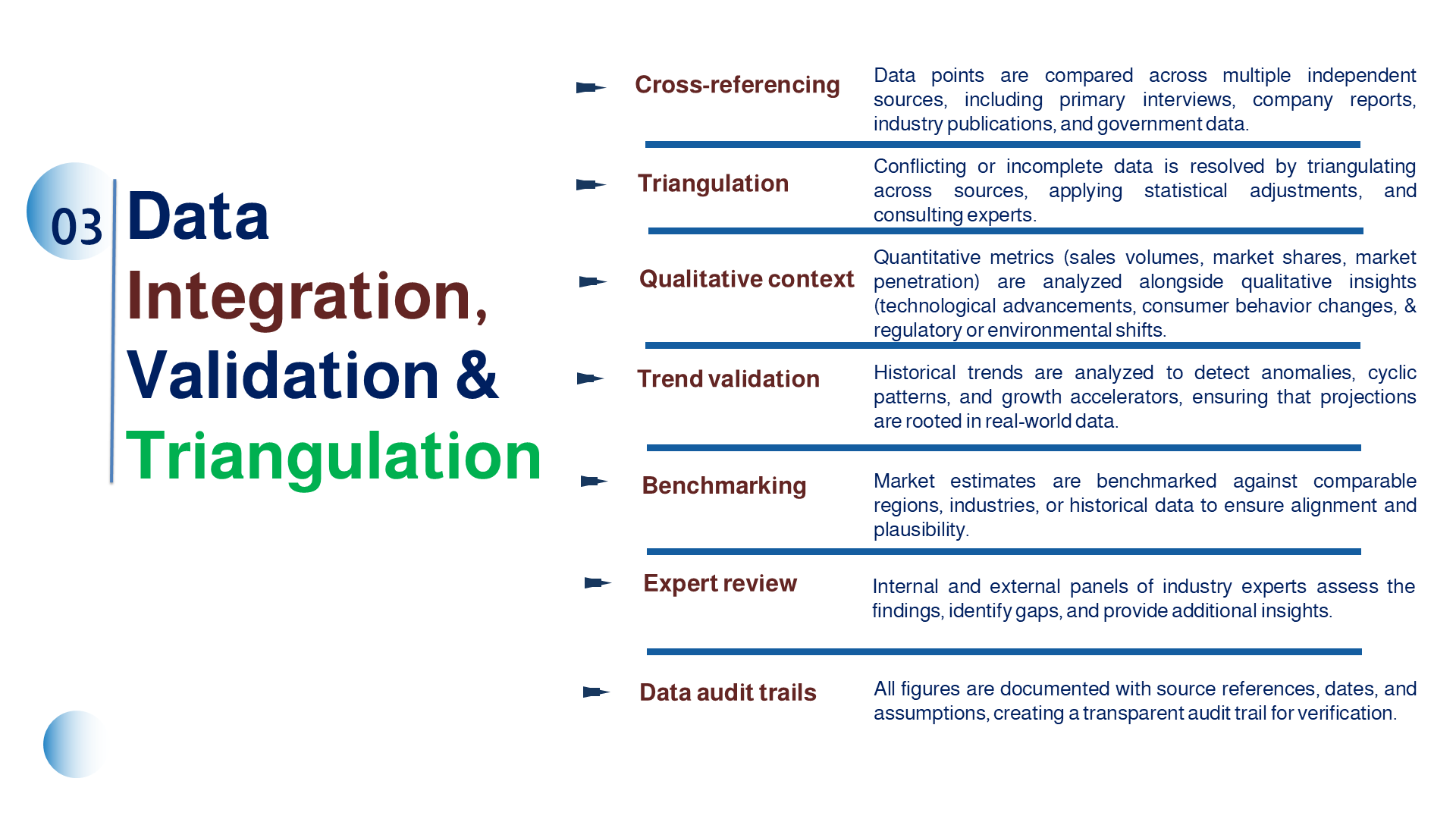
1.3.3 Data Validation & Publishing
1.4. Research Scope and Assumptions
1.4.1 List of Data Sources
Chapter 2. EXECUTIVE SUMMARY
2.1. Market Snapshot
2.2. Segmental Outlook
2.3. Competitive Outlook
Chapter 3. MARKET VARIABLES, TRENDS, FRAMEWORK
3.1. Market Lineage Outlook
3.2. Penetration & Growth Prospect Mapping
3.3. Value Chain Analysis
3.4. Regulatory Framework
3.4.1 Standards & Compliance
3.4.2 Regulatory Impact Analysis
3.5. Market Dynamics
3.5.1 Market Drivers
3.5.2 Market Restraints
3.5.3 Market Opportunities
3.5.4 Market Challenges
3.6. Porter's Five Forces Analysis
3.7. PESTLE Analysis
Chapter 4. GLOBAL INTERVENTIONAL IMAGE-GUIDED SYSTEMS MARKET: BY PRODUCT 2022-2034 (USD MN)
4.1. Market Analysis, Insights and Forecast Product
4.2. Single Plane Estimates and Forecasts By Regions 2022-2034 (USD MN)
4.3. Bi-Plane Systems Estimates and Forecasts By Regions 2022-2034 (USD MN)
Chapter 5. GLOBAL INTERVENTIONAL IMAGE-GUIDED SYSTEMS MARKET: BY TYPE 2022-2034 (USD MN)
5.1. Market Analysis, Insights and Forecast Type
5.2. CT Image-guided Systems Estimates and Forecasts By Regions 2022-2034 (USD MN)
5.3. X-ray Fluoroscopy Image-guided Systems Estimates and Forecasts By Regions 2022-2034 (USD MN)
5.4. MRI Image-guided Systems Estimates and Forecasts By Regions 2022-2034 (USD MN)
5.5. PET Image-guided Systems Estimates and Forecasts By Regions 2022-2034 (USD MN)
5.6. Ultrasound Image-guided Systems Estimates and Forecasts By Regions 2022-2034 (USD MN)
5.7. Endoscope Image-guided Systems Estimates and Forecasts By Regions 2022-2034 (USD MN)
5.8. SPECT Image-guided Systems Estimates and Forecasts By Regions 2022-2034 (USD MN)
Chapter 6. GLOBAL INTERVENTIONAL IMAGE-GUIDED SYSTEMS MARKET: BY MODALITY 2022-2034 (USD MN)
6.1. Market Analysis, Insights and Forecast Modality
6.2. Vascular Interventional Systems Estimates and Forecasts By Regions 2022-2034 (USD MN)
6.3. IVUS, FFR, IFR Estimates and Forecasts By Regions 2022-2034 (USD MN)
6.4. Intraoperative Ultrasound Scanner Estimates and Forecasts By Regions 2022-2034 (USD MN)
6.5. Fluoroscopy Estimates and Forecasts By Regions 2022-2034 (USD MN)
6.6. Intraoperative CT Scanner Estimates and Forecasts By Regions 2022-2034 (USD MN)
6.7. Endoscope Systems Estimates and Forecasts By Regions 2022-2034 (USD MN)
6.8. Intraoperative MRI Scanner Estimates and Forecasts By Regions 2022-2034 (USD MN)
6.9. Other Modality Estimates and Forecasts By Regions 2022-2034 (USD MN)
Chapter 7. GLOBAL INTERVENTIONAL IMAGE-GUIDED SYSTEMS MARKET: BY APPLICATION 2022-2034 (USD MN)
7.1. Market Analysis, Insights and Forecast Application
7.2. Cardiology Estimates and Forecasts By Regions 2022-2034 (USD MN)
7.3. Neurology Estimates and Forecasts By Regions 2022-2034 (USD MN)
7.4. Oncology Estimates and Forecasts By Regions 2022-2034 (USD MN)
7.5. Gastroenterology Estimates and Forecasts By Regions 2022-2034 (USD MN)
7.6. Orthopedics Estimates and Forecasts By Regions 2022-2034 (USD MN)
7.7. ENT Surgery Estimates and Forecasts By Regions 2022-2034 (USD MN)
7.8. Other Applications Estimates and Forecasts By Regions 2022-2034 (USD MN)
Chapter 8. GLOBAL INTERVENTIONAL IMAGE-GUIDED SYSTEMS MARKET: BY END USER 2022-2034 (USD MN)
8.1. Market Analysis, Insights and Forecast End User
8.2. Hospitals Estimates and Forecasts By Regions 2022-2034 (USD MN)
8.3. Ambulatory Surgical Centers Estimates and Forecasts By Regions 2022-2034 (USD MN)
8.4. Specialty Clinics Estimates and Forecasts By Regions 2022-2034 (USD MN)
Chapter 9. GLOBAL INTERVENTIONAL IMAGE-GUIDED SYSTEMS MARKET: BY REGION 2022-2034 (USD MN)
9.1. Regional Outlook
9.2. North America Market Analysis, Insights and Forecast, 2022-2034 (USD MN)
9.2.1 By Product
9.2.2 By Type
9.2.3 By Modality
9.2.4 By Application
9.2.5 By End User
9.2.6 United States
9.2.7 Canada
9.2.8 Mexico
9.3. Europe Market Analysis, Insights and Forecast, 2022-2034 (USD MN)
9.3.1 By Product
9.3.2 By Type
9.3.3 By Modality
9.3.4 By Application
9.3.5 By End User
9.3.6 United Kingdom
9.3.7 France
9.3.8 Germany
9.3.9 Italy
9.3.10 Spain
9.3.11 Russia
9.3.12 Rest Of Europe
9.4. Asia-Pacific Market Analysis, Insights and Forecast, 2022-2034 (USD MN)
9.4.1 By Product
9.4.2 By Type
9.4.3 By Modality
9.4.4 By Application
9.4.5 By End User
9.4.6 China
9.4.7 Japan
9.4.8 South Korea
9.4.9 India
9.4.10 Australia
9.4.11 South East Asia
9.4.12 Rest Of Asia Pacific
9.5. Latin America Market Analysis, Insights and Forecast, 2022-2034 (USD MN)
9.5.1 By Product
9.5.2 By Type
9.5.3 By Modality
9.5.4 By Application
9.5.5 By End User
9.5.6 Brazil
9.5.7 Argentina
9.5.8 Peru
9.5.9 Chile
9.5.10 Rest of Latin America
9.6. Middle East & Africa Market Analysis, Insights and Forecast, 2022-2034 (USD MN)
9.6.1 By Product
9.6.2 By Type
9.6.3 By Modality
9.6.4 By Application
9.6.5 By End User
9.6.6 Saudi Arabia
9.6.7 UAE
9.6.8 Israel
9.6.9 South Africa
9.6.10 Rest of the Middle East And Africa
Chapter 10. COMPETITIVE LANDSCAPE
10.1. Recent Developments
10.2. Company Categorization
10.3. Supply Chain & Channel Partners (based on availability)
10.4. Market Share & Positioning Analysis (based on availability)
10.5. Vendor Landscape (based on availability)
10.6. Strategy Mapping
Chapter 11. COMPANY PROFILES OF GLOBAL INTERVENTIONAL IMAGE-GUIDED SYSTEMS INDUSTRY
11.1. Top Companies Market Share Analysis
11.2. Company Profiles (Overview, Services, Financials (based on availability), Recent Developments,
Strategies, SWOT, Etc.)
11.2.1 GE HealthCare
11.2.2 Philips Healthcare
11.2.3 Siemens Healthineers
11.2.4 Fujifilm Holdings Corporation
11.2.5 Toshiba Medical Systems
11.2.6 Samsung Medison
11.2.7 Neusoft Corporation
11.2.8 Konica Minolta
11.2.9 Shimadzu Corporation
11.2.10 Mindray Medical International
11.2.11 Asahi Roentgen
11.2.12 Bruker Corporation
11.2.13 BenQ Medical Technology
11.2.14 Dentsply Sirona
11.2.15 Sofie Biosciences
LIST OF TABLES
- Market Snapshot
- Segment Outlook
- Competitive Outlook
- Market Analysis By Product-2022-2034 (USD MN)
- Single Plane Market Size By Geography (USD MN)
- Bi-Plane Systems Market Size By Geography (USD MN)
- Market Analysis By Type-2022-2034 (USD MN)
- CT Image-guided Systems Market Size By Geography (USD MN)
- X-ray Fluoroscopy Image-guided Systems Market Size By Geography (USD MN)
- MRI Image-guided Systems Market Size By Geography (USD MN)
- PET Image-guided Systems Market Size By Geography (USD MN)
- Ultrasound Image-guided Systems Market Size By Geography (USD MN)
- Endoscope Image-guided Systems Market Size By Geography (USD MN)
- SPECT Image-guided Systems Market Size By Geography (USD MN)
- Market Analysis By Modality-2022-2034 (USD MN)
- Vascular Interventional Systems Market Size By Geography (USD MN)
- IVUS, FFR, IFR Market Size By Geography (USD MN)
- Intraoperative Ultrasound Scanner Market Size By Geography (USD MN)
- Fluoroscopy Market Size By Geography (USD MN)
- Intraoperative CT Scanner Market Size By Geography (USD MN)
- Endoscope Systems Market Size By Geography (USD MN)
- Intraoperative MRI Scanner Market Size By Geography (USD MN)
- Other Modality Market Size By Geography (USD MN)
- Market Analysis By Application-2022-2034 (USD MN)
- Cardiology Market Size By Geography (USD MN)
- Neurology Market Size By Geography (USD MN)
- Oncology Market Size By Geography (USD MN)
- Gastroenterology Market Size By Geography (USD MN)
- Orthopedics Market Size By Geography (USD MN)
- ENT Surgery Market Size By Geography (USD MN)
- Other Applications Market Size By Geography (USD MN)
- Market Analysis By End User-2022-2034 (USD MN)
- Hospitals Market Size By Geography (USD MN)
- Ambulatory Surgical Centers Market Size By Geography (USD MN)
- Specialty Clinics Market Size By Geography (USD MN)
- Global Interventional Image-Guided Systems Market Sales By Geography-2022-2034 (USD MN)
- North America Market Analysis (USD MN)
- United States Market Analysis (USD MN)
- Canada Market Analysis (USD MN)
- Mexico Market Analysis (USD MN)
- Europe Market Analysis (USD MN)
- United Kingdom Market Analysis (USD MN)
- France Market Analysis (USD MN)
- Germany Market Analysis (USD MN)
- Italy Market Analysis (USD MN)
- Russia Market Analysis (USD MN)
- Spain Market Analysis (USD MN)
- Rest of Europe Market Analysis (USD MN)
- Asia Pacific Market Analysis (USD MN)
- China Market Analysis (USD MN)
- Japan Market Analysis (USD MN)
- India Market Analysis (USD MN)
- South Korea Market Analysis (USD MN)
- Australia Market Analysis (USD MN)
- South East Asia Market Analysis (USD MN)
- Rest of Asia Pacific Market Analysis (USD MN)
- Latin America Market Analysis (USD MN)
- Brazil Market Analysis (USD MN)
- Argentina Market Analysis (USD MN)
- Peru Market Analysis (USD MN)
- Chile Market Analysis (USD MN)
- Rest of Latin America Market Analysis (USD MN)
- Middle East & Africa Market Analysis (USD MN)
- Saudi Arabia Market Analysis (USD MN)
- UAE Market Analysis (USD MN)
- Israel Market Analysis (USD MN)
- South Africa Market Analysis (USD MN)
- Rest of Middle East and Africa Market Analysis (USD MN)
- Partnership/Collaboration/Agreement
- Mergers And Acquisition
LIST OF FIGURES
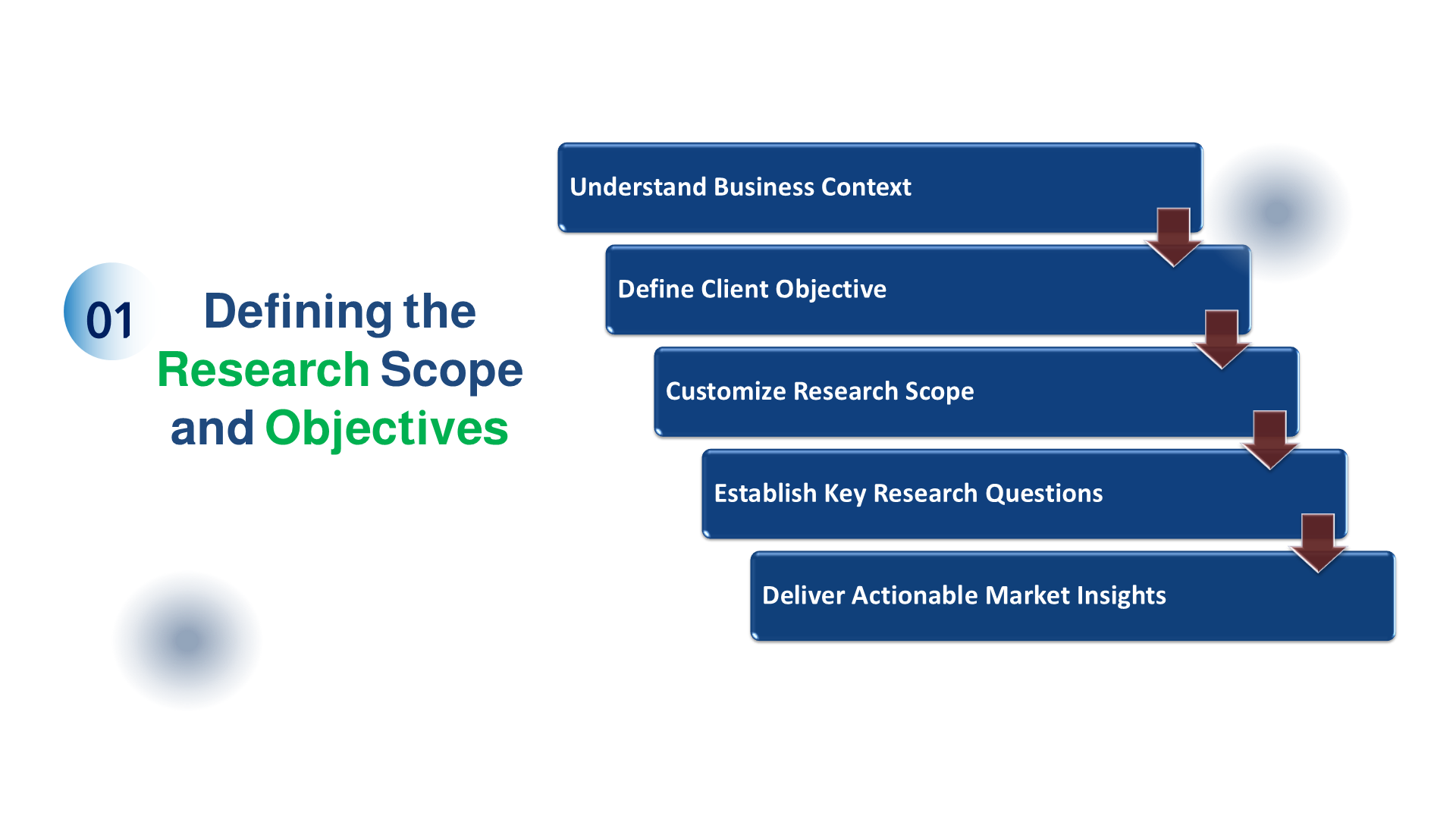
- Research Scope of Global Interventional Image-Guided Systems Report
- Market Research Process
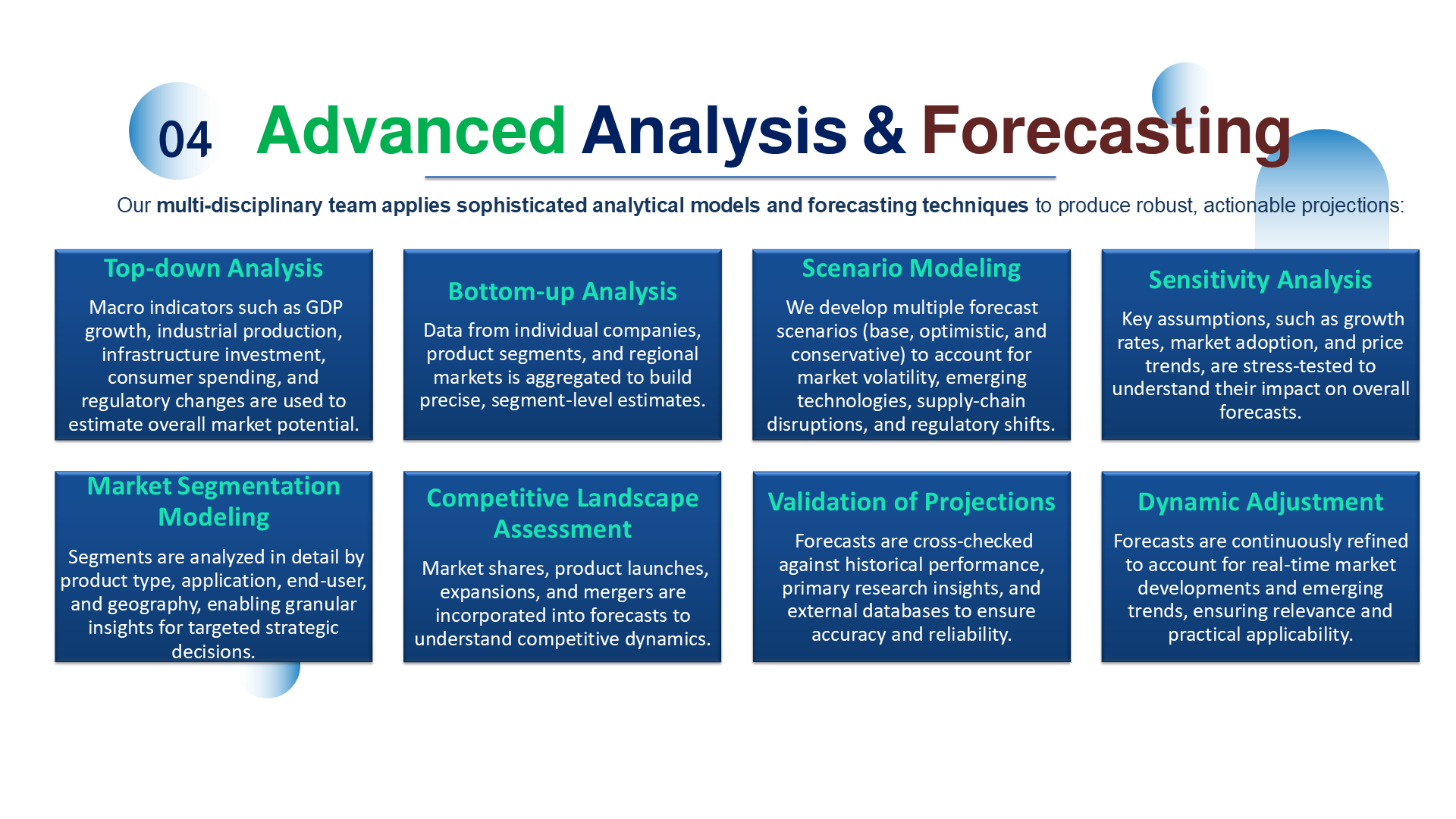
- Market Research Methodology
- Global Interventional Image-Guided Systems Market Size, By Regions (USD MN)
- Porters Five Forces Analysis
- PESTLE Analysis
- Market Attractiveness Analysis
- Value Chain Analysis
- Global Market Analysis By Product-2022-2034(USD MN)
- Single Plane Market Sales By Geography (USD MN)
- Bi-Plane Systems Market Sales By Geography (USD MN)
- Global Market Analysis By Type-2022-2034(USD MN)
- CT Image-guided Systems Market Sales By Geography (USD MN)
- X-ray Fluoroscopy Image-guided Systems Market Sales By Geography (USD MN)
- MRI Image-guided Systems Market Sales By Geography (USD MN)
- PET Image-guided Systems Market Sales By Geography (USD MN)
- Ultrasound Image-guided Systems Market Sales By Geography (USD MN)
- Endoscope Image-guided Systems Market Sales By Geography (USD MN)
- SPECT Image-guided Systems Market Sales By Geography (USD MN)
- Global Market Analysis By Modality-2022-2034(USD MN)
- Vascular Interventional Systems Market Sales By Geography (USD MN)
- IVUS, FFR, IFR Market Sales By Geography (USD MN)
- Intraoperative Ultrasound Scanner Market Sales By Geography (USD MN)
- Fluoroscopy Market Sales By Geography (USD MN)
- Intraoperative CT Scanner Market Sales By Geography (USD MN)
- Endoscope Systems Market Sales By Geography (USD MN)
- Intraoperative MRI Scanner Market Sales By Geography (USD MN)
- Other Modality Market Sales By Geography (USD MN)
- Global Market Analysis By Application-2022-2034(USD MN)
- Cardiology Market Sales By Geography (USD MN)
- Neurology Market Sales By Geography (USD MN)
- Oncology Market Sales By Geography (USD MN)
- Gastroenterology Market Sales By Geography (USD MN)
- Orthopedics Market Sales By Geography (USD MN)
- ENT Surgery Market Sales By Geography (USD MN)
- Other Applications Market Sales By Geography (USD MN)
- Global Market Analysis By End User-2022-2034(USD MN)
- Hospitals Market Sales By Geography (USD MN)
- Ambulatory Surgical Centers Market Sales By Geography (USD MN)
- Specialty Clinics Market Sales By Geography (USD MN)
- Global Market Sales-2022-2034 (USD MN)
- North America Market Sales-2022-2034 (USD MN)
- Europe Market Sales-2022-2034 (USD MN)
- Asia Pacific Market Sales-2022-2034 (USD MN)
- Latin America Market Sales-2022-2034 (USD MN)
- Middle East & Africa Market Sales-2022-2034 (USD MN)
- Recent Development in Industry
- Top Company Market Share Analysis




Frequently Asked Questions (FAQs) about this Report
How big is the Global Interventional Image-Guided Systems market?
What is the Global Interventional Image-Guided Systems market growth?
Which country holds the highest share in the Global Interventional Image-Guided Systems market?
How is the Global Interventional Image-Guided Systems market segmented in the report?
Who are the key players in the Global Interventional Image-Guided Systems market?