Global Food Service Market Size, Share, Trends & Growth Analysis Report Segmented By Type (Full Service Restaurants, Quick Service Restaurants, Institutes, Others), Restaurant Type, Service Type And Regions (North America, Europe, Asia-Pacific, Latin America, Middle East and Africa), 2026-2034
Food Service Market Size and Share
The global food service market size was valued at USD 4092.22 Billion in 2025 and is projected to grow from USD 4396.68 Billion in 2026 to USD 7806.44 Billion by 2034, at a CAGR of 7.44% during the forecast period. Asia Pacific dominated the food service market with a market share of 43.37% in 2025.
The food service market is shaped by the ability to serve prepared meals away from home at scale through restaurants, workplace and campus canteens, hospital and school kitchens, and delivery. Operators range from independent owner-run outlets to multi-unit chains, while institutional caterers run meal programs under contract for employers, hospitals, schools, and public bodies. Delivery platforms and digital ordering add a second route from kitchen to customer. Dine-in, takeaway, and delivery now run side by side inside the same operators, which spreads kitchen capacity over more meal occasions. The food service market size is concentrated where foot traffic and institutional contracts are densest, such as city centers, office districts, campuses, and hospitals. With wider digital ordering, rising interest in convenient and value-led meals, and closer links between kitchens and delivery channels, the market is gaining momentum as operators adapt menus, formats, and service models to changing eating habits.
Food Service Market Key Takeaways
Market Size & Forecast
2025 Market Size: USD 4092.22 Billion
2026 Market Size: USD 4396.68 Billion
2034 Projected Market Size: USD 7806.44 Billion
CAGR (2026-2034): 7.44%
Largest market: Asia Pacific
Market Share Analysis
- Asia Pacific held the largest regional share of 43.37% in 2025.
- Within the type category, full service restaurants led with a share of 46.62% in 2025.
- Based on restaurant type, independent led with a share of 62.53% in 2025, and chained is projected to post the fastest CAGR of 8.29%.
- Within the service type category, dine-in led with a share of 68.03% in 2025, with delivery expected to post the fastest CAGR of 10.60%.
Key Country Highlights
- The U.S. food service market is expected to grow significantly over the forecast period.
- The Japan food service market is projected to experience substantial growth during the forecast period.
Food Service Market Trends & Future Outlook
Delivery and takeaway are becoming standard channels inside restaurant operations rather than side services. Operators now design kitchens, packaging, and menus with off-premise orders in mind, and many run their own ordering apps beside third-party marketplaces. The direction is toward formats with smaller dining rooms, pickup counters, and delivery-focused kitchens that serve more orders from the same space and labor.
Value-led menus and loyalty programs are reshaping how operators win repeat visits. Combo offers, set-price meals, and app-based rewards respond to stretched household budgets and give operators first-party data on ordering habits. The trend is moving toward personalized offers tied to purchase history and toward menus that balance entry-price items with higher-margin additions.
Contract caterers are widening from basic meal service to wellbeing, sustainability, and experience-led dining. Workplaces, hospitals, and schools ask for more plant-forward choices, less food waste, and fresher dining concepts, and caterers respond with rebuilt menus, branded food courts, and digital ordering. The direction is toward food programs that sit inside wider workplace and campus service offers.
Impact of AI in the Food Service Market
Machine learning is applied to demand forecasting and menu planning, two of the most time-consuming steps in running a food service operation. Forecasting models combine past orders, weather, local events, and seasonality to estimate how much to prepare and order, which cuts waste and stock-outs. Scheduling tools match staff hours to expected traffic, and pricing and offer engines tailor promotions to customer behavior in apps. Voice and chat assistants take orders at drive-thrus and in apps, and computer vision tracks portions, food waste, and kitchen throughput. In institutional kitchens, software helps plan menus around nutrition and allergen rules and estimate meal counts for sites such as hospitals and campuses. Several limits apply. Models need clean sales and inventory data that small independent operators often lack, and voice ordering still struggles with noise, accents, and unusual requests. Customer data use is governed by privacy rules, allergen and food safety decisions stay with trained staff, and older point-of-sale systems limit how easily new tools connect to kitchens.
Food Service Market Investment Analysis
The food service market is attracting funding for kitchen technology and digital ordering, with chains and contract caterers backing multi-unit expansion and acquisitions. Operators put capital into point-of-sale and ordering systems, loyalty platforms, kitchen display and automation equipment, and delivery capabilities that lift order volume from existing sites. Chains also fund new units, remodels, and entry into new countries, often through franchise and joint venture structures that limit upfront spending. Contract caterers use acquisitions to add regional coverage, brands, and client segments. Investors favor operators with consistent same-site traffic, disciplined unit economics, and flexible formats. Risks include food and labor cost inflation, thin margins in independent outlets, lease obligations, and softer consumer spending on discretionary meals. Capital tends to follow operators that combine strong brands with efficient kitchens and a mix of dine-in and off-premise sales.
Emerging Innovations in the Food Service Market
Robotic kitchen stations are emerging for repetitive tasks such as frying, beverage making, and bowl assembly. Machines handle fixed steps with steady timing, which frees staff for guest service and reduces variation between outlets. The main barriers are equipment cost, kitchen space, maintenance needs, and the difficulty of fitting machines into menus that change often.
AI voice ordering is emerging at drive-thrus and in mobile apps. The system recognizes spoken orders, confirms them on screen, and passes them to the kitchen, which shortens queues and keeps order accuracy consistent at busy hours. The main barriers are speech recognition in noisy settings, handling of customized orders, and customer comfort with automated ordering.
Self-service micro-markets and smart canteens are emerging in workplaces, campuses, and hospitals. Fridges, kiosks, and cashierless checkout let caterers serve meals around the clock without staffed counters, using sensors and cards to record purchases. The main barriers are theft and spoilage control, the cost of connected equipment, and limited fresh-food variety compared with staffed dining.
Food Service Market Dynamics
Market Drivers
Expansion is supported mostly by the steady shift of meals from home kitchens to restaurants, canteens, and delivery. Urban living, longer working hours, and dual-income households raise the value placed on time, while tourism and business travel add visits to restaurants and cafes. Delivery and digital ordering give operators extra order occasions from the same kitchens, and loyalty programs bring customers back more often. Employers, hospitals, schools, and public bodies also outsource catering to specialists, which creates contract demand independent of consumer spending cycles. Food service market demand is further supported by the wide range of formats, from quick counter service to full table service, that suit different budgets and occasions. Rising incomes in developing economies add first-time and more frequent diners.
Market Restraints
Progress is held back by cost pressure and thin margins across most formats. Food, energy, rent, and labor costs have risen, and independent outlets in particular carry little buffer when prices climb. Labor shortages and staff turnover raise training costs and limit opening hours. Households facing tight budgets cut back on discretionary meals or move to cheaper formats, which weighs on higher-priced dine-in visits. Commission fees on delivery platforms cut into the margin on off-premise orders, and compliance with food safety, labeling, and employment rules adds fixed costs that smaller operators find hard to absorb. Weather, events, and uneven tourism flows also make traffic less predictable.
Market Opportunities
The market has room to widen through growth in emerging economies, health-focused menus, and institutional outsourcing. Expanding middle-class populations and new shopping and leisure districts open locations for chains and independent operators alike. Plant-forward, lower-sugar, and allergen-aware menus meet shifting preferences, and delivery-focused kitchens let operators reach new neighborhoods at lower setup cost. Contract caterers can add wellbeing, sustainability, and digital ordering features to existing client programs. Franchise and joint venture models help international brands enter new countries with local partners. Food service market growth also benefits from data tools that tune menus, staffing, and promotions to local demand, which improves returns from each outlet.
Market Challenges
Obstacles range from food safety and allergen compliance to labor recruitment and supply continuity. Operators keep to consistent hygiene and labeling standards across many sites and menus, and a single incident can damage a brand quickly. Hiring and retaining kitchen and service staff is difficult in many cities, and wage rules differ by location. Supply disruptions and price swings in ingredients complicate menu pricing and planning. Dependence on a few delivery platforms limits control over customer relationships and fees, and sustainability expectations around packaging, waste, and sourcing add reporting and investment needs. Competing formats, from convenience retail meals to grocery delivery, keep pressure on traffic and pricing.
Food Service Market Segmentation Insights
Food Service Market Analysis, By Type
By type, the market is categorized into full service restaurants, quick service restaurants, institutes, and others.
The full service restaurants segment led with a share of 46.62% in 2025. Table service, broader menus, and longer visits make these outlets the main venue for family meals, celebrations, and business dining. Higher spend per visit than counter-service formats, a wide range of cuisines and beverage offers, and strong appeal for group occasions keep them central to eating out. The quick service restaurants segment is advancing at a quicker pace than its peers. Counter and drive-thru formats serve customers who want speed and value, while mobile ordering, loyalty programs, and delivery partnerships lift order frequency. Compact kitchens and standardized menus let chains open new units quickly, which supports steady expansion across urban and suburban sites.
Food Service Market Analysis, By Restaurant Type
By restaurant type, the market is categorized into chained and independent.
The independent segment led with a share of 62.53% in 2025. Owner-operated restaurants, cafes, and local eateries make up the bulk of outlets in most countries, offering local cuisines, flexible menus, and close ties to neighborhood customers. Low entry barriers and the variety of formats they cover keep independents the largest group of operators. The chained segment is projected to post the fastest CAGR of 8.29%. Chains grow through franchising and multi-unit development, using standardized menus, central purchasing, and digital ordering and loyalty systems to serve more locations with consistent quality. Scale in procurement, marketing, and technology helps them add outlets and delivery coverage faster than single-site operators.
Food Service Market Analysis, By Service Type
By service type, the market is categorized into dine-in, takeaway, and delivery.
The dine-in segment led with a share of 68.03% in 2025. On-premise meals remain the main way people eat out, supported by social occasions, business meetings, tourism, and the experience of table service and ambience. Dine-in also lets operators sell beverages, desserts, and add-ons that raise spend per visit. The delivery segment is expected to post the fastest CAGR of 10.60%. Ordering through apps, aggregator platforms, and restaurant-owned channels brings meals to homes and offices and adds sales from existing kitchens. Wider smartphone use, digital payments, and courier networks keep adding order occasions, from weekday lunches to late-night meals.
Food Service Market Regional Insights
North America Food Service Market
North America has a deep restaurant culture, a large base of chains and independents, and well-developed delivery and drive-thru channels that serve a wide range of meal occasions. Quick service and casual dining formats compete alongside contract caterers that run cafeterias for employers, universities, and healthcare facilities. Loyalty apps, mobile ordering, and third-party delivery are routine parts of the customer journey, and operators use customer data to tailor offers. Franchising is a common growth route for national brands, while independents differentiate through local menus and neighborhood ties. Labor availability, wage rules, and ingredient costs shape pricing and staffing decisions across the region. Food service market demand in North America also draws on business travel, sports and entertainment venues, and a large institutional meal base.
U.S. Food Service Market
The U.S. food service market spans national chains, regional operators, independent restaurants, and institutional caterers that serve consumers at nearly every meal occasion. The U.S. food service market is expected to grow significantly over the forecast period. The U.S. Department of Agriculture’s Economic Research Service, in data updated in July 2026, put food away from home at 56.3% of total U.S. food spending in 2025, with spending of $1.41 trillion in inflation-adjusted 2025 dollars. Limited-service restaurants made up 36.5% of that total and full-service restaurants 34.5%. Operators compete on value, speed, and convenience, and drive-thru, mobile ordering, and delivery are routine across chains and independents alike, with menus and promotions adjusted to regional tastes. Employers, schools, hospitals, and government facilities add institutional meal demand beyond restaurants.
Europe Food Service Market
Europe combines a strong tradition of eating out, dense tourist destinations, and a mix of independent restaurants, regional chains, and large contract caterers that serve workplaces and public institutions. Eurostat’s structural business statistics count about 1.99 million enterprises in accommodation and food service activities across the EU in 2023, equal to 6.0% of the business economy, with value added of 320.4 billion euros. Menus, formats, and mealtimes differ by country, so international brands adapt offers to local tastes. Food safety, allergen information, and labor rules are set within EU and national law, and operators adjust labeling and staffing accordingly. Delivery platforms and digital ordering have added off-premise sales in cities, while tourism seasons shape traffic in coastal and heritage destinations.
U.K. Food Service Market
The U.K. market is built on a large pub, restaurant, café, and takeaway sector alongside contract caterers that run workplace, school, and healthcare dining. Chains and independents compete in high streets, retail parks, travel hubs, and city centers, and delivery platforms sit beside restaurant-owned ordering. Consumers weigh value closely, so set-price menus, meal deals, and loyalty offers are common competitive tools. Operators have to manage rising input and labor costs while holding prices, and allergen and calorie information rules shape how menus are written and displayed. Food service market size in the country is anchored in dense urban centers, where footfall from commuters, tourists, and students supports a wide range of formats from coffee shops to fine dining and takeaway.
Germany Food Service Market
Germany has a varied restaurant sector made up of owner-run inns, regional chains, fast-food brands, bakery cafés, and canteens, and eating-out habits differ between large cities and smaller towns. Destatis reported on February 19, 2026 that restaurant and catering turnover (Gastronomie) in 2025 was 2.2% lower in real terms than in 2024 but 1.8% higher in nominal terms, a gap that reflects higher menu prices. Operators face cost pressure from food, energy, and wages, and many adjust menus and opening hours. Employer, hospital, and school canteens form a steady institutional base, and delivery and takeaway sit beside dine-in. Rules on food hygiene, allergen information, and employment are set within national and EU law. Food service market share in the country is spread across a very large number of independent outlets and a smaller group of national chains.
Asia Pacific Food Service Market
Asia Pacific held the largest regional share of 43.37% in 2025. Asia Pacific has very large urban populations, a rich variety of regional cuisines, and a fast-growing base of chains, street vendors, and independent restaurants that serve everyday meals. Rising incomes, expanding middle-class populations, and busy urban lifestyles lift eating-out frequency, while mobile payments and delivery apps are part of daily routines in many countries. International brands expand through franchise and joint venture partners that adapt menus to local tastes, and domestic chains grow quickly in large cities. Tourism flows, shopping malls, and new residential districts open locations for both quick service and full service formats, and institutional catering grows with offices, factories, and campuses. Operators in the region also adapt kitchens and menus to local ingredients, climate, and religious and dietary customs.
China Food Service Market
China has a vast and highly competitive restaurant sector that ranges from street stalls and noodle shops to hotpot chains, quick service brands, and large banquet venues. The National Bureau of Statistics reported catering revenue of 5,798.2 billion yuan for 2025, up 3.2% from the previous year. Mobile payments and delivery platforms are built into daily life, so off-premise ordering is routine in large and mid-sized cities. Domestic chains expand by opening units in lower-tier cities, and international brands adapt menus to local tastes. Operators compete on price, speed, and menu freshness, and tighter household budgets have pushed many toward value offers and set meals. Workplace and school canteens add institutional demand. Food service market growth in the country is shaped by how quickly chains reach lower-tier cities and how well they match local flavors.
Japan Food Service Market
Japan has a dense network of restaurants, izakaya, cafés, fast-food chains, and convenience-store meals, supported by a strong culture of dining out and high standards of service. The Japan food service market is projected to experience substantial growth during the forecast period. Japan’s Ministry of Agriculture, Forestry and Fisheries put the food service industry at 26.6 trillion yen in 2023, up from 22.3 trillion yen in 2022 but below the 29.0 trillion yen of 2019, and described the industry as still recovering. Inbound tourism and office attendance shape traffic in major cities, and chains compete on set meals, speed, and value. Labor shortages push operators toward ordering tablets, self-service, and automation, and a large base of small family-run restaurants coexists with national chains in cities and regional towns.
India Food Service Market
India has a young urban population, rapidly expanding cities, and a restaurant scene that spans street food, quick service chains, family dining, and cloud kitchens built for delivery. Regional cuisines and vegetarian preferences shape menus, and international brands adapt offers to local tastes. According to the Press Information Bureau, the Food Safety and Standards Authority of India’s Eat Right India program had certified 249 Clean Street Food Hubs across 15 states and union territories as of July 6, 2025, a sign of formal hygiene standards reaching street vending. Digital payments and delivery apps support ordering in large cities and are spreading to smaller towns. Rising incomes and a growing working population support wider eating-out habits, and organized chains expand into new cities through franchising.
Middle East & Africa Food Service Market
The Middle East & Africa food service market covers fast-growing Gulf cities, established hospitality centers, and a wide range of developing urban markets. Large expatriate populations, tourism, and a strong café and restaurant culture support dining out in the Gulf, while chains and franchise partners expand into major cities across North and sub-Saharan Africa. Shopping malls, hotels, airports, and entertainment venues are important locations, and delivery apps add off-premise sales. Halal requirements and local tastes shape menus and supply chains, and international brands usually enter through regional franchise partners. Contract caterers serve oil and gas sites, construction camps, hospitals, and schools. Infrastructure, cold-chain reach, and ingredient imports shape costs and menu choices from one country to another, and operators often adapt portion sizes and price points to local incomes.
GCC Food Service Market
The GCC food service market is shaped by high urban incomes, a large expatriate population, heavy tourism and event activity, and a strong café and restaurant culture centered on malls and hotels. DataSaudi, the portal of Saudi Arabia’s Ministry of Economy and Planning, lists 102,333 active enterprises in accommodation and food service activities in 2024. International franchise brands operate beside local chains, and cloud kitchens and delivery apps are well established. Dining out is closely tied to social occasions, and menus reflect local and regional tastes alongside global cuisines. Contract caterers serve workforce accommodation, hospitals, and government facilities. Hospitality and tourism programs across the Gulf continue to add restaurant locations in new districts and venues, and operators adapt service hours and formats to peak evening and weekend dining.
Latin America Food Service Market
Latin America has large, young city populations, a lively street-food and restaurant culture, and growing chains that operate beside independent eateries and family-run restaurants. Brazil’s statistics institute IBGE found in its 2023 annual services survey, published in 2025, that food services accounted for 63.5% of the revenue of the services provided mainly to families and employed 11.7% of all persons working in services, the largest share of any category. Quick service chains and international franchise brands expand through local partners, and delivery apps are widely used in large cities. Consumers pay by cash, card, and digital wallets, and menus reflect regional cuisines. Value offers matter in markets with price-sensitive households, and shopping malls and urban centers host new openings. Food service market size in the region is concentrated in large metropolitan areas, where chains and independents compete for the same lunch and dinner occasions.
Food Service Market Competitive Overview
Competition centers on brand strength, menu appeal, price and value perception, location quality, speed of service, and the strength of digital ordering and loyalty programs. Participants range from global quick service and casual dining brands and multinational contract caterers to regional chains and millions of independent outlets, and many operators now serve dine-in, takeaway, and delivery from the same kitchens. Food service market share within each country follows unit density and brand familiarity, since convenient locations and recognizable menus bring repeat visits. Procurement scale, franchise development, and technology investment separate large chains from single-site operators, while local cuisine and personal service keep independents competitive. Acquisitions and joint ventures continue to reshape positions in contract catering and in international restaurant expansion.
Leading Market Players in the Food Service Market
- Sodexo; a food and facilities services company that provides services to organizations and the people who use their sites. Its purpose centers on improving everyday experiences at different moments in life, and it brings food operations and facility management together under one group. In the food service market, its position rests on running food services and branded food concepts alongside related on-site services, so one client relationship can cover meals and the spaces where they are served. The group applies technology, data, and AI tools through its Sodexo Spark platform to turn daily interactions into insights for clients. Its offerings include Food Services and Brands, Facility Management Services, and the Sodexo Spark platform.
- Darden Restaurants; a restaurant company whose portfolio is built around full-service dining brands, with serving others described as the heart of its business. In this market, its position rests on a group of recognizable brands in full-service dining, a format that combines table service, broader menus, and longer visits and therefore competes for family, celebration, and business meals. Hospitality is its stated purpose, and each brand carries its own menu, atmosphere, and guest experience, so the company serves guests who want a relaxed sit-down meal as well as those marking a special occasion. The portfolio gives the company exposure to several dining occasions within one operating group. Its brands include Olive Garden, LongHorn Steakhouse, and The Capital Grille.
- Chipotle Mexican Grill; a restaurant company built around a customizable menu of burritos, bowls, tacos, quesadillas, and salads. Food is prepared fresh in the restaurant throughout the day using classic cooking techniques and chef-led standards, and the menu contains no artificial colors, flavors, or preservatives. In this market, it operates its own restaurants in North America and parts of Europe and works with development partners in other regions, which lets it add locations in new countries with local operating knowledge. Guests choose their own ingredients, which makes the format easy to adapt to different tastes and dietary needs. Its offerings include burritos, bowls, and tacos.
List of Companies Profiled in the Report are:
Food Service Market Recent Developments
- Oct 2026: Sodexo UK & Ireland announced the acquisition of Olive Catering, an independent UK catering business that provides tailored on-site catering to contract clients. Sodexo said Olive’s food concept complements its workplace strategy and existing brand portfolio. The two businesses are working together on the transition so that service standards for clients, team members, suppliers, and partners stay steady.
- Sep 2026: Chipotle opened its first restaurant in Asia, at Gangnam-daero in Seoul’s Seocho-gu district, through a joint venture with Sangmidang Holdings, formerly SPC Group. The Seoul restaurant serves Chipotle’s customizable burritos, bowls, tacos, quesadillas, and salads. Sangmidang handles sourcing, cooking methods, team training, and restaurant operations, and South Korea was chosen as a reference market for Chipotle’s Asian expansion.
- Jul 2026: Chipotle entered Mexico with its first restaurant in San Pedro Garza García, in the Monterrey metropolitan area of Nuevo León, in partnership with restaurant operator Alsea. The location is the first under a development agreement the two companies announced in April 2025. Chipotle said Monterrey was chosen for its strong economy, growing population, and status as a business and innovation hub.
- Mar 2026: Sodexo completed the acquisition of Grupo Mediterránea in Spain after receiving the customary regulatory approvals. The transaction expands Sodexo’s brand portfolio and strengthens its position across market segments in Spain. Sodexo also named a chief executive for its Spain and Portugal operations, and the integration phase began after completion.
- Dec 2025: Compass Group completed its acquisition of Vermaat, a Netherlands-based food services business, in December 2025. Compass said the acquisition strengthens its position across multiple sectors in the Netherlands, France, and Germany, and it cited Vermaat’s high-quality food offers, retail expertise, and talent as the basis for the transaction.
{report_table}
Analyst’s View on the Food Service Market
- Food service market demand is broadening across end users, from households and office workers to travelers, students, and patients. Restaurants, canteens, and delivery each capture different meal occasions, and institutional contracts add volume that moves less with consumer sentiment, so operators that serve both groups see steadier traffic across economic cycles and different seasons.
- Competition combines global brands, regional chains, multinational contract caterers, and a very large base of independents, and food service market share follows local presence. Brand familiarity, location quality, service speed, and menu value shape visits, and franchising and joint ventures let international brands add outlets with local partners, so unit density in each city decides much.
- Technology priorities center on ordering and loyalty apps, kitchen automation, forecasting, and delivery integration. Better demand forecasts reduce food waste and labor idle time, while first-party customer data supports tailored offers, so spending on digital tools is becoming part of normal operating cost for chains, larger caterers, and growing independents.
- Supply and regulation shape operating costs. Ingredient prices, energy, rent, and wages move margins from one year to the next, while food safety, allergen labeling, and employment rules set a compliance baseline that is easier for chains to absorb than for single outlets, which influences how quickly smaller operators can expand.
- Pricing, partnerships, and acquisitions define commercial strategy. Value menus, combo offers, and loyalty rewards respond to tight household budgets, and contract caterers sign multi-site agreements with employers and institutions. Acquisitions add regional coverage and brands, and food service market growth increasingly comes from combining scale in purchasing with local menu knowledge.
List of Segments Covered
This section of the market report provides detailed data on the segments at country and regional level, thereby assisting the strategist in identifying the target demographics for the respective product or services with the upcoming opportunities.
By Type By Restaurant Type By Service Type
1.1. Market Segmentation & Scope
1.2. Market Definition
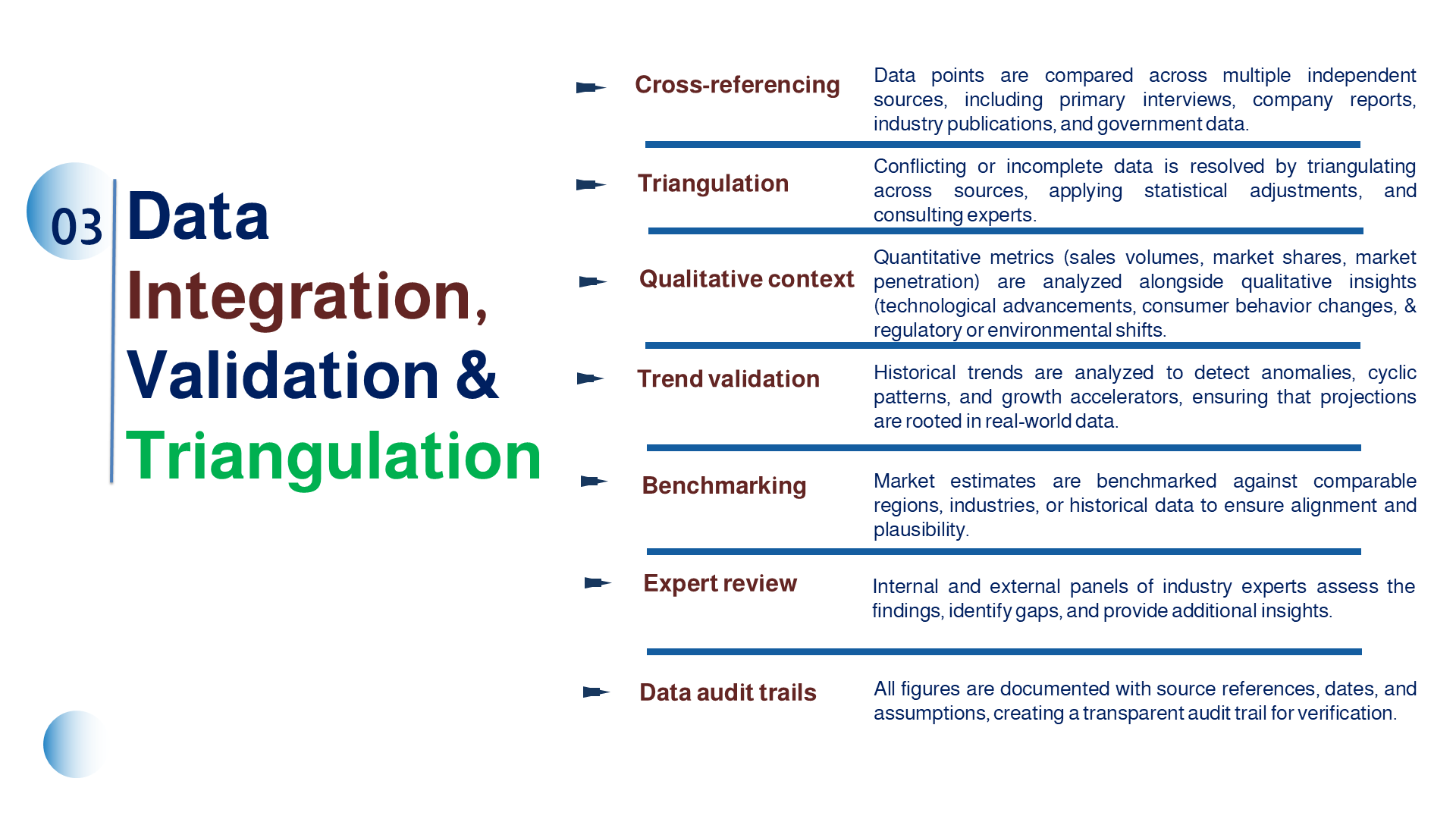
1.3. Information Procurement
1.3.1 Information Analysis
1.3.2 Market Formulation & Data Visualization
1.3.3 Data Validation & Publishing
1.4. Research Scope and Assumptions
1.4.1 List of Data Sources
Chapter 2. EXECUTIVE SUMMARY
2.1. Market Snapshot
2.2. Segmental Outlook
2.3. Competitive Outlook
Chapter 3. MARKET VARIABLES, TRENDS, FRAMEWORK
3.1. Market Lineage Outlook
3.2. Penetration & Growth Prospect Mapping
3.3. Value Chain Analysis
3.4. Regulatory Framework
3.4.1 Standards & Compliance
3.4.2 Regulatory Impact Analysis
3.5. Market Dynamics
3.5.1 Market Drivers
3.5.2 Market Restraints
3.5.3 Market Opportunities
3.5.4 Market Challenges
3.6. Porter's Five Forces Analysis
3.7. PESTLE Analysis
Chapter 4. GLOBAL FOOD SERVICE MARKET: BY TYPE 2022-2034 (USD MN)
4.1. Market Analysis, Insights and Forecast Type
4.2. Full Service Restaurants Estimates and Forecasts By Regions 2022-2034 (USD MN)
4.3. Quick Service Restaurants Estimates and Forecasts By Regions 2022-2034 (USD MN)
4.4. Institutes Estimates and Forecasts By Regions 2022-2034 (USD MN)
4.5. Others Estimates and Forecasts By Regions 2022-2034 (USD MN)
Chapter 5. GLOBAL FOOD SERVICE MARKET: BY RESTAURANT TYPE 2022-2034 (USD MN)
5.1. Market Analysis, Insights and Forecast Restaurant Type
5.2. Chained Estimates and Forecasts By Regions 2022-2034 (USD MN)
5.3. Independent Estimates and Forecasts By Regions 2022-2034 (USD MN)
Chapter 6. GLOBAL FOOD SERVICE MARKET: BY SERVICE TYPE 2022-2034 (USD MN)
6.1. Market Analysis, Insights and Forecast Service Type
6.2. Dine-In Estimates and Forecasts By Regions 2022-2034 (USD MN)
6.3. Takeaway Estimates and Forecasts By Regions 2022-2034 (USD MN)
6.4. Delivery Estimates and Forecasts By Regions 2022-2034 (USD MN)
Chapter 7. GLOBAL FOOD SERVICE MARKET: BY REGION 2022-2034 (USD MN)
7.1. Regional Outlook
7.2. North America Market Analysis, Insights and Forecast, 2022-2034 (USD MN)
7.2.1 By Type
7.2.2 By Restaurant Type
7.2.3 By Service Type
7.2.4 United States
7.2.5 Canada
7.2.6 Mexico
7.3. Europe Market Analysis, Insights and Forecast, 2022-2034 (USD MN)
7.3.1 By Type
7.3.2 By Restaurant Type
7.3.3 By Service Type
7.3.4 United Kingdom
7.3.5 France
7.3.6 Germany
7.3.7 Italy
7.3.8 Spain
7.3.9 Russia
7.3.10 Rest Of Europe
7.4. Asia-Pacific Market Analysis, Insights and Forecast, 2022-2034 (USD MN)
7.4.1 By Type
7.4.2 By Restaurant Type
7.4.3 By Service Type
7.4.4 China
7.4.5 Japan
7.4.6 South Korea
7.4.7 India
7.4.8 Australia
7.4.9 South East Asia
7.4.10 Rest Of Asia Pacific
7.5. Latin America Market Analysis, Insights and Forecast, 2022-2034 (USD MN)
7.5.1 By Type
7.5.2 By Restaurant Type
7.5.3 By Service Type
7.5.4 Brazil
7.5.5 Argentina
7.5.6 Peru
7.5.7 Chile
7.5.8 Rest of Latin America
7.6. Middle East & Africa Market Analysis, Insights and Forecast, 2022-2034 (USD MN)
7.6.1 By Type
7.6.2 By Restaurant Type
7.6.3 By Service Type
7.6.4 Saudi Arabia
7.6.5 UAE
7.6.6 Israel
7.6.7 South Africa
7.6.8 Rest of the Middle East And Africa
Chapter 8. COMPETITIVE LANDSCAPE
8.1. Recent Developments
8.2. Company Categorization
8.3. Supply Chain & Channel Partners (based on availability)
8.4. Market Share & Positioning Analysis (based on availability)
8.5. Vendor Landscape (based on availability)
8.6. Strategy Mapping
Chapter 9. COMPANY PROFILES OF GLOBAL FOOD SERVICE INDUSTRY
9.1. Top Companies Market Share Analysis
9.2. Company Profiles (Overview, Services, Financials (based on availability), Recent Developments,
Strategies, SWOT, Etc.)
9.2.1 Compass Group
9.2.2 Sodexo
9.2.3 Aramark
9.2.4 Elior Group
9.2.5 Sysco
9.2.6 US Foods
9.2.7 Performance Food Group
9.2.8 Restaurant Brands International
9.2.9 McDonald's
9.2.10 Yum! Brands
9.2.11 Darden Restaurants
9.2.12 Chipotle Mexican Grill
9.2.13 DoorDash
9.2.14 Uber Eats
9.2.15 Grubhub
9.2.16 Deliveroo
9.2.17 Just Eat Takeaway
9.2.18 Gordon Food Service
9.2.19 Jollibee Foods
9.2.20 The Kraft Heinz Company
LIST OF TABLES
- Market Snapshot
- Segment Outlook
- Competitive Outlook
- Market Analysis By Type-2022-2034 (USD MN)
- Full Service Restaurants Market Size By Geography (USD MN)
- Quick Service Restaurants Market Size By Geography (USD MN)
- Institutes Market Size By Geography (USD MN)
- Others Market Size By Geography (USD MN)
- Market Analysis By Restaurant Type-2022-2034 (USD MN)
- Chained Market Size By Geography (USD MN)
- Independent Market Size By Geography (USD MN)
- Market Analysis By Service Type-2022-2034 (USD MN)
- Dine-In Market Size By Geography (USD MN)
- Takeaway Market Size By Geography (USD MN)
- Delivery Market Size By Geography (USD MN)
- Global Food Service Market Sales By Geography-2022-2034 (USD MN)
- North America Market Analysis (USD MN)
- United States Market Analysis (USD MN)
- Canada Market Analysis (USD MN)
- Mexico Market Analysis (USD MN)
- Europe Market Analysis (USD MN)
- United Kingdom Market Analysis (USD MN)
- France Market Analysis (USD MN)
- Germany Market Analysis (USD MN)
- Italy Market Analysis (USD MN)
- Russia Market Analysis (USD MN)
- Spain Market Analysis (USD MN)
- Rest of Europe Market Analysis (USD MN)
- Asia Pacific Market Analysis (USD MN)
- China Market Analysis (USD MN)
- Japan Market Analysis (USD MN)
- India Market Analysis (USD MN)
- South Korea Market Analysis (USD MN)
- Australia Market Analysis (USD MN)
- South East Asia Market Analysis (USD MN)
- Rest of Asia Pacific Market Analysis (USD MN)
- Latin America Market Analysis (USD MN)
- Brazil Market Analysis (USD MN)
- Argentina Market Analysis (USD MN)
- Peru Market Analysis (USD MN)
- Chile Market Analysis (USD MN)
- Rest of Latin America Market Analysis (USD MN)
- Middle East & Africa Market Analysis (USD MN)
- Saudi Arabia Market Analysis (USD MN)
- UAE Market Analysis (USD MN)
- Israel Market Analysis (USD MN)
- South Africa Market Analysis (USD MN)
- Rest of Middle East and Africa Market Analysis (USD MN)
- Partnership/Collaboration/Agreement
- Mergers And Acquisition
LIST OF FIGURES
- Research Scope of Global Food Service Report
- Market Research Process
- Market Research Methodology
- Global Food Service Market Size, By Regions (USD MN)
- Porters Five Forces Analysis
- PESTLE Analysis
- Market Attractiveness Analysis
- Value Chain Analysis
- Global Market Analysis By Type-2022-2034(USD MN)
- Full Service Restaurants Market Sales By Geography (USD MN)
- Quick Service Restaurants Market Sales By Geography (USD MN)
- Institutes Market Sales By Geography (USD MN)
- Others Market Sales By Geography (USD MN)
- Global Market Analysis By Restaurant Type-2022-2034(USD MN)
- Chained Market Sales By Geography (USD MN)
- Independent Market Sales By Geography (USD MN)
- Global Market Analysis By Service Type-2022-2034(USD MN)
- Dine-In Market Sales By Geography (USD MN)
- Takeaway Market Sales By Geography (USD MN)
- Delivery Market Sales By Geography (USD MN)
- Global Market Sales-2022-2034 (USD MN)
- North America Market Sales-2022-2034 (USD MN)
- Europe Market Sales-2022-2034 (USD MN)
- Asia Pacific Market Sales-2022-2034 (USD MN)
- Latin America Market Sales-2022-2034 (USD MN)
- Middle East & Africa Market Sales-2022-2034 (USD MN)
- Recent Development in Industry
- Top Company Market Share Analysis