
Global Energy Storage Market Report By Type (Batteries, Pumped-storage Hydroelectricity (PSH), Thermal Energy Storage (TES), Flywheel Energy Storage (FES), Other Types), By Application (Residential, Commercial and Industrial) And By Regions - Industry Trends, Size, Share, Growth, Estimation and Forecast, 2026-2034
Energy Storage Market Size Overview
The global Energy Storage Market size is projected to be worth around USD 170.37 Billion by 2032 from USD 48.81 Billion in 2023 with a CAGR of 14.9% under the study period 2024-2032.
Energy storage captures energy produced at one time for use later. It plays a vital role in managing energy supply and demand. It allows intermittent sources of energy, such as solar and wind, to feed into the grid. Several energy storage technologies exist, including batteries, pumped hydroelectric storage, compressed air energy storage, and thermal storage systems. These technologies can balance energy loads, enhance grids in terms of stability, and reduce fossil fuel usage. Also, with the world shifting towards cleaner energy, the role of energy storage increases correspondingly. It ensures efficiency and reliability in the energy system and helps achieve sustainability goals. Increased demand for renewable energy sources and the need for grid stability drive the energy storage market. With growing numbers of commitments to carbon emission reductions, effective energy storage solutions must complement the integration of renewables, given their variability. With lithium-ion batteries becoming the new stars and the cost of these batteries decreasing with developments in battery technology, energy storage is becoming more accessible. Incentives and investment emphases by key governments also encourage investment in energy storage systems toward a cleaner energy future.
Energy Storage Market Report - Key Highlights
- The lithium-ion battery segment leads the energy storage market due to its high energy density, declining price, and applications in electric vehicles and grid storage solutions. Its technology has improved vastly, consequently providing better performance and longer life cycles.
- The flow battery segment is fast-growing in the energy storage market. Flow batteries are well suited for big-scale integration issues, and their applications include large-scale integration of renewable energy and grid support, making them a very promising technology.
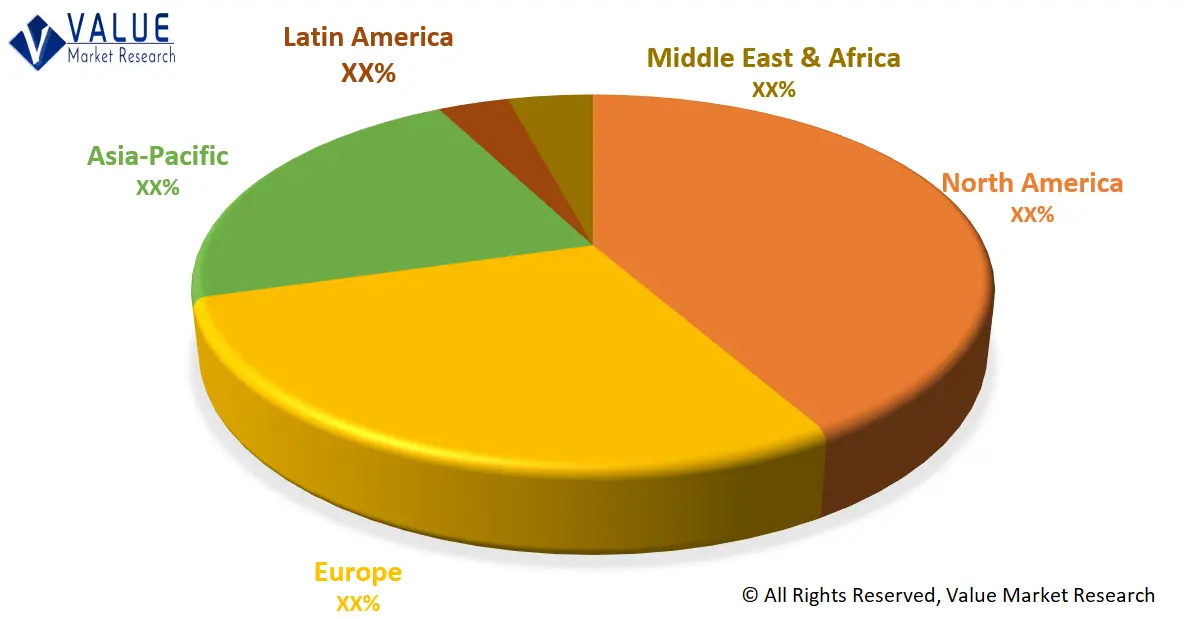
- North America is dominant in the energy storage market, mainly because of its massive investment in renewable energy projects and advanced technological infrastructure. The US is leading the deployment of energy storage systems, with the largest numbers deployed in California and Texas.
- The Asia-Pacific region is projected to witness the highest growth in the market. Rapid industrialization, increasing energy requirements, and sufficient government support for renewable energy policies in the region are driving this growth. China and India are pumping a lot of money into energy storage to strengthen the backup of their grid arrangements.
Energy Storage Market Drivers
- Robust demand for renewable energy: The world is witnessing a great increase in demand for renewable energy sources like solar and wind. As per International Renewable Energy Agency, over the last decade, the capacity of renewable energy has doubled to over 2,800 GW in 2020. Effective solutions for that increased capacity in the form of energy storage are needed, especially for supply fluctuations that shall not disturb the stability and reliability of an energy grid. Such integration will be accompanied by ever-increasing demand for energy storage systems from more and more countries targeting net zero emissions.
- Breakthroughs in Battery Technology: Battery technology, especially lithium-ion batteries, is rapidly progressing, making energy storage cheaper and more efficient. According to BloombergNEF, lithium-ion battery prices have declined by more than 85% since 2010. In addition to the price decline, density, and cycle life improvements have made this a go-to solution for residential and utility-scale energy storage applications. As battery technology advances, energy storage solutions will be much more feasible in all sectors.
- Policy Support and Government Incentives: Critical policies and government incentives would be important for the higher uptake of energy storage technologies. There are increasingly supportive policies that encourage such regulations worldwide; these include financial incentives to motivate investment in energy storage systems. For example, the U.S. federal government provides tax credits and grants for energy storage projects. A report by the Energy Storage Association has indicated that over 30 states have either set up energy storage targets or offered incentives, which presents a huge effort toward helping to boost energy resilience as well as integration of renewable sources into the grid.
Energy Storage Market Challenges
- High Initial Costs: Although a few technologies are lowering prices, the capital expenditure for energy storage systems remains very high. For instance, the installation cost of a large-sized lithium-ion battery can run into tens of millions of dollars, which tends to be too high an entry fee to commit for smaller firms and municipalities. The payback period may also take a long time, thus making energy storage solutions less appealing to many prospective investors.
- Technical Restrictions: Lithium-ion batteries, which are satisfactory for short-term applications, may not be the preference for long-duration operations due to capacity degradation in the long term. Pumped hydro storage, on its part, is limited by geographical conditions and must find locations with elevation changes conducive to this system. These technical barriers limit the scalability and flexibility of energy storage systems and their market growth.
- Market Competition and Fragmentation: The energy storage market is very competitive and extremely fragmented. Many players and technologies are vying for share. Such an environment could pose a problem with price competition, wherein companies find it challenging to maintain profit margins simultaneously. It also propels technology at lightning speed, further taxing the companies. The pressure on small firms to innovate is extreme because these firms do not have the wherewithal to spend on research and development.
Global Energy Storage Market Share by Region (Representative Graph)
Competitive Overview
The research report also covers the comprehensive profiles of the key players in the market and an in-depth view of the competitive landscape worldwide. The prominent players covered in this report are GS Yuasa Corporation, Contemporary Amperex Technology Co. Limited, UniEnergy Technologies LLC, BYD Co. Ltd, Clarios (Formerly Johnson Controls International PLC), LG Energy Solution Ltd., NGK Insulators Ltd., Samsung SDI Co. Ltd., Tesla Inc. This is a tentative list and can be modified as per client requirements. This section of the report will cover detailed profiles of the above companies, their business strategy, financials, and SWOT analysis.
Recent Advancements
- Solid-State Batteries: Safety and efficiency-enhancing innovation in the field of energy storage. New waves in solid-state battery development promise safer, more efficient energy storage. The newest batteries are different in that they don't use a liquid electrolyte like the lithium-ion batteries used today, but instead a solid, resulting in a far lower risk of fire and a significant increase in energy density. Toyota and QuantumScape are at the forefront of investing in this technology, hoping to get it into electric vehicles and, even more importantly, grid storage applications.
- Grid-Scale Energy Storage Systems: Innovations in grid-scale energy storage systems include large-scale lithium-ion battery installations. For instance, Tesla introduced the Megapack system, enabling utility companies to store and manage renewable energy much better. Such systems provide a critical buffer in peak demand periods and are essential for balancing intermittent renewable sources, supporting the grid's stability.
- Recycling and Sustainability: It has pushed the technology development of battery recycling to consider sustainability. Companies have recently found ways to extract valuable materials from spent batteries to prevent waste and environmental degradation. For example, Redwood Materials is working on innovative recycling processes that can recover up to 95% of lithium and cobalt from spent batteries, thus contributing to a circular energy storage economy.
Latest Developments in the Energy Storage Market
- October 2023: Tesla increased its energy storage product lineup by announcing a new battery system for commercial and industrial use to enhance energy resilience.
- In September 2023, South Korean battery maker LG Energy Solution and the Massachusetts Institute of Technology (MIT) announced they would team up to develop advanced battery technology that could potentially be more efficient and safe for energy storage.
- August 2023: Fluence signed a strategic partnership agreement with one of the world's leading utility companies to supply several sites with multi-megawatt energy storage deployments, which aim to enhance grid stability and increase renewable energy penetration.
- July 2023: Panasonic will invest $4 billion in a new battery manufacturing facility in the United States, targeting next-generation energy storage solutions for electric vehicles and smart grids.
Global Energy Storage Market Report Scope and Key Segmentation
| Attributes | Report Details |
| 2025 Market Size | USD 64.44 Billion |
| 2026 Market Size | USD 74.04 Billion |
| 2034 Revenue Forecast | USD 224.92 Billion |
| Growth Rate | 14.90% from 2026-2034 |
| Study Period | 2026-2034 |
| Units Used | USD Billion |
| Key Segments | By Type
By Application
|
| Geographical Coverage |
|
| Companies Profiled |
*No particular order has been followed while listing the company names. *List of companies to be profiled in the report can be customized. |
Market Segmentation
This section of the Energy Storage market report provides detailed data on the segments at country and regional level, thereby assisting the strategist in identifying the target demographics for the respective product or services with the upcoming opportunities.
By Type
- Batteries
- Pumped-storage Hydroelectricity (PSH)
- Thermal Energy Storage (TES)
- Flywheel Energy Storage (FES)
- Other Types
By Application
- Residential
- Commercial and Industrial
Frequently Asked Questions (FAQs) about this Report
What is the Global Energy Storage Market size?
What is the projected Global Energy Storage Market growth under the study period?
Which region holds the highest Global Energy Storage Market Share?
What is the global Energy Storage market segmentation covered in the report?
Who are the leading global Energy Storage market manufacturers/players profiled in the report?
