Global Digital Copyright Market Size, Share, Trends & Growth Analysis Report Segmented By Industry Type (Entertainment, Publishing, Software Development, Advertising and Marketing, Education and Elearning), Type of Digital Content, Protection Mechanism, Consumer Type, Usage Purpose And Regions (North America, Europe, Asia-Pacific, Latin America, Middle East and Africa), 2026-2034
The Digital Copyright Market size was valued at USD 11.27 Billion in 2025 and is projected to grow from USD 12.54 Billion in 2026 to USD 29.57 Billion by 2034, at a CAGR of 11.32% during the forecast period.
Key Takeaways
- The North America Digital Copyright Market accounted for the largest share of 38.75% in 2025.
- The Europe region represented 25.33% of the global market share in 2025.
- The Asia Pacific Digital Copyright Market is projected to be the fastest-growing, with a CAGR of 12.56% during 2026–2034.
- In the U.S., the Digital Copyright Market is poised for significant expansion in the forecast period.
- The Japan Digital Copyright Market is anticipated to observe notable growth through 2034.
Market Size & Forecast
2025 Market Size: USD 11.27 Billion
2026 Market Size: USD 12.54 Billion
2034 Projected Market Size: USD 29.57 Billion
CAGR (2026-2034): 11.32%
Largest market: North America
Fastest-growing market: Asia Pacific
The Digital Copyright market refers to the legal framework and mechanisms that protect the rights of creators and owners of digital content in the online environment. This market encompasses a wide array of digital assets, including music, videos, software, images, and written works, ensuring that creators retain control over their intellectual property. As digital content becomes increasingly accessible and shareable, the importance of copyright protection has grown significantly. The Digital Copyright market plays a crucial role in fostering creativity and innovation by providing a legal basis for creators to monetize their work and protect it from unauthorized use or distribution.
The Digital Copyright market is driven by the exponential increase in digital content creation and consumption. With the rise of social media platforms, streaming services, and user-generated content, individuals and businesses are producing vast amounts of digital material. This surge in content creation has heightened the need for effective copyright protection mechanisms to safeguard the rights of creators. The number of copyright registrations has seen a significant uptick, reflecting the growing recognition of the importance of protecting creative works in the digital age. Another critical driver is the increasing awareness of intellectual property rights among creators and consumers. Educational initiatives and advocacy efforts have contributed to a better understanding of copyright laws and the importance of respecting intellectual property.
Market Dynamics
Digital Copyright Market Drivers
- Increased Digital Content Creation: The surge in digital content creation is a significant driver of the Digital Copyright market. With the proliferation of social media platforms and user-generated content, individuals and businesses are producing vast amounts of digital material. According to the U.S. Copyright Office, the number of copyright registrations has increased by over 25% in the past five years, reflecting the growing recognition of the need to protect creative works. This trend is particularly evident in the rise of platforms like TikTok and Instagram, where users create and share original content daily. As more creators enter the digital space, the demand for copyright protection services is expected to rise, driving growth in the Digital Copyright market.
- Growing E-commerce and Digital Marketing: The expansion of e-commerce and digital marketing is another key driver of the Digital Copyright market. As businesses increasingly rely on digital content for advertising and promotion, the need for copyright protection becomes paramount. The U.S. Small Business Administration reported that e-commerce sales in the United States reached $870 billion in 2021, a 14.2% increase from the previous year. This growth in online sales is accompanied by a corresponding increase in the use of copyrighted materials, such as images, videos, and music, in marketing campaigns. Companies are recognizing the importance of securing licenses and protecting their intellectual property, thereby fueling demand for copyright services.
- Rise of Streaming Services: The rapid growth of streaming services has transformed the landscape of content consumption and significantly impacted the Digital Copyright market. According to the Federal Communications Commission, the number of U.S. households subscribing to streaming services has increased to over 80%, reflecting a shift in consumer preferences towards on-demand content. This trend has led to a surge in demand for original programming, prompting content creators to seek robust copyright protections to safeguard their works. As streaming platforms continue to expand their libraries, the need for effective copyright enforcement mechanisms becomes increasingly critical, driving growth in the Digital Copyright market.
- Increased Awareness of Intellectual Property Rights: There is a growing awareness of intellectual property rights among creators and consumers, which is positively influencing the Digital Copyright market. Educational initiatives and advocacy efforts have contributed to a better understanding of copyright laws and the importance of protecting creative works. The U.S. Patent and Trademark Office has reported a 15% increase in public awareness of copyright issues, leading to more creators registering their works and seeking legal protections. This heightened awareness is driving demand for copyright services, as individuals and businesses recognize the value of safeguarding their intellectual property in an increasingly digital world.
Digital Copyright Market Opportunities
- Emergence of New Digital Platforms: The emergence of new digital platforms presents a significant opportunity for the Digital Copyright market. As technology continues to evolve, new platforms for content distribution are being developed, creating a demand for copyright protection services tailored to these environments. For instance, the rise of virtual reality (VR) and augmented reality (AR) platforms is creating new avenues for content creation and consumption. This growth presents opportunities for copyright service providers to develop solutions that cater to the unique challenges posed by these emerging technologies, ensuring that creators can protect their intellectual property in innovative ways.
- Increased Demand for Licensing Solutions: The growing demand for licensing solutions is another opportunity for the Digital Copyright market. As businesses increasingly utilize digital content for marketing and advertising, the need for clear licensing agreements becomes essential. The U.S. Copyright Office has reported a significant increase in licensing agreements, reflecting the recognition of the value of licensed content. This trend creates opportunities for companies that provide licensing services, enabling them to cater to a diverse range of industries looking to legally use digital content. By offering comprehensive licensing solutions, businesses can ensure compliance with copyright laws while maximizing the value of their creative assets.
- Focus on International Copyright Harmonization: The focus on international copyright harmonization presents a unique opportunity for the Digital Copyright market. As digital content becomes increasingly globalized, the need for consistent copyright laws across jurisdictions is becoming more critical. The World Intellectual Property Organization has emphasized the importance of international treaties in protecting creators' rights globally. This trend creates opportunities for companies that specialize in cross-border copyright solutions, enabling them to assist creators and businesses in navigating the complexities of international copyright enforcement. By developing services that facilitate compliance with varying copyright laws, companies can position themselves as leaders in the global Digital Copyright market.
- Integration of Blockchain Technology: The integration of blockchain technology into the Digital Copyright market offers innovative solutions for copyright protection. Blockchain provides a transparent and immutable record of ownership, allowing creators to establish and verify their rights more effectively. According to a report by the World Economic Forum, blockchain technology has the potential to revolutionize the way digital rights are managed, potentially increasing revenue for creators by up to 30%. This presents a significant opportunity for companies in the Digital Copyright market to leverage blockchain for enhanced protection and monetization of digital content, creating a more secure and efficient ecosystem for creators and consumers alike.
Digital Copyright Market Restrain & Challenges
- Complexity of Copyright Laws: The complexity of copyright laws across different jurisdictions poses a significant challenge for the Digital Copyright market. Navigating the intricacies of international copyright regulations can be daunting for creators and businesses alike. The U.S. Copyright Office has noted that many creators struggle to understand their rights and obligations, leading to potential infringements and disputes. This complexity can hinder the growth of the market, as stakeholders may be hesitant to invest in copyright protection services without a clear understanding of the legal landscape. Addressing this challenge requires ongoing education and resources to help creators navigate the complexities of copyright laws effectively.
- Rapid Technological Changes: The fast-paced nature of technological advancements presents a challenge for the Digital Copyright market. As new content creation tools and distribution platforms emerge, copyright laws may struggle to keep pace. The U.S. Patent and Trademark Office has highlighted the need for ongoing updates to copyright legislation to address the challenges posed by digital innovation. This lag in legal adaptation can create uncertainty for creators and businesses, potentially stifling investment in copyright protection solutions. To overcome this challenge, stakeholders must advocate for timely updates to copyright laws that reflect the realities of the digital landscape.
- Increased Incidence of Copyright Infringement: The rise of digital content consumption has also led to an increase in copyright infringement cases. According to the U.S. Copyright Office, reported instances of infringement have risen by over 25% in recent years. This trend not only poses a threat to creators' rights but also creates a challenging environment for copyright enforcement. The prevalence of piracy and unauthorized distribution can undermine the value of digital content, making it difficult for creators to monetize their work effectively. Addressing this challenge requires a concerted effort from industry stakeholders to develop more effective enforcement mechanisms and raise awareness about the importance of respecting copyright.
- Limited Resources for Enforcement: Many creators, particularly independent artists and small businesses, lack the resources to effectively enforce their copyright rights. The U.S. Copyright Office has reported that a significant number of creators do not pursue legal action against infringers due to the high costs associated with litigation. This limitation can result in widespread copyright violations, further complicating the landscape for the Digital Copyright market. Addressing this challenge requires innovative solutions that provide affordable and accessible enforcement options for creators, enabling them to protect their rights without incurring prohibitive costs.
Current Trends in the Digital Copyright Market
- Rise of Subscription-Based Models: The shift towards subscription-based models for content consumption is a prominent trend in the Digital Copyright market. As consumers increasingly prefer access to a wide range of content for a fixed monthly fee, platforms are adapting their business models accordingly. The U.S. Federal Communications Commission has reported that subscription video-on-demand services have seen a significant increase in user adoption, leading to a greater emphasis on copyright protections for licensed content. This trend highlights the need for robust copyright frameworks to ensure that creators receive fair compensation for their work, as subscription models often rely on a diverse array of copyrighted materials.
- Integration of Artificial Intelligence: Artificial intelligence (AI) is playing an increasingly important role in the Digital Copyright market. AI technologies are being utilized to monitor and detect copyright infringements, providing creators with tools to protect their work more effectively. The U.S. Copyright Office has noted that AI-driven solutions can enhance the efficiency of copyright enforcement, allowing for quicker identification of unauthorized use. This integration of AI not only streamlines the enforcement process but also empowers creators to take proactive measures in safeguarding their intellectual property, ultimately contributing to a more secure digital environment.
- Focus on User-Generated Content: The rise of user-generated content platforms has transformed the Digital Copyright landscape. As individuals create and share their own content, the need for clear copyright guidelines becomes paramount. The U.S. Copyright Office has emphasized the importance of educating users about their rights and responsibilities when it comes to creating and sharing content. This trend presents opportunities for the Digital Copyright market to develop solutions that cater to the unique challenges posed by user-generated content, ensuring that creators are protected while fostering a vibrant digital ecosystem.
- Emphasis on Cross-Border Copyright Solutions: As digital content becomes increasingly globalized, there is a growing emphasis on cross-border copyright solutions. The World Intellectual Property Organization has highlighted the need for harmonized copyright laws to facilitate the protection of creators' rights across different jurisdictions. This trend presents opportunities for the Digital Copyright market to develop innovative solutions that address the complexities of international copyright enforcement, enabling creators to navigate the global landscape more effectively and ensuring that their rights are upheld regardless of geographical boundaries.
Segmentation Insights
Digital Copyright Market Analysis, By Industry Type
By Industry Type, the market is categorized into Entertainment, Publishing, Software Development, Advertising and Marketing, and Education and E-learning.
- The largest segment in the Digital Copyright market is the Entertainment industry. This sector encompasses a wide range of content, including films, television shows, music, and live performances. The importance of the entertainment segment lies in its ability to generate substantial revenue and cultural impact. With the rise of streaming platforms, the demand for original content has surged, leading to increased investments in film and television production. According to the U.S. Bureau of Economic Analysis, the arts and cultural sector contributed over $877 billion to the U.S. economy in 2020, highlighting the economic significance of entertainment.
- The fastest-growing segment in the Digital Copyright market is the Software Development industry. This growth is driven by the increasing reliance on software applications across various sectors, including business, education, and entertainment. As organizations continue to digitize their operations, the demand for proprietary software solutions has skyrocketed. The U.S. Bureau of Labor Statistics projects that employment in software development will grow by 22% from 2020 to 2030, significantly faster than the average for all occupations. This rapid expansion underscores the importance of copyright protections in the software industry, as developers seek to safeguard their innovations and maintain a competitive edge.
Digital Copyright Market Analysis, By Type of Digital Content
By Type of Digital Content, the market is categorized into Audio, Video, Text, Images, and Software Applications.
- The largest segment in the Digital Copyright market is Video content. This segment has gained immense popularity due to the rise of streaming services and the increasing consumption of video content across various devices. The importance of this segment lies in its ability to attract large audiences and generate substantial revenue through subscriptions and advertising. According to the Motion Picture Association, the global box office revenue reached $42.5 billion in 2019, demonstrating the significant economic impact of video content. As video content continues to dominate the digital landscape, the need for effective copyright protections becomes crucial to ensure that creators are compensated fairly for their work and that their rights are upheld.
- The fastest-growing segment in the Digital Copyright market is Audio content. The surge in podcasting and music streaming has led to a significant increase in the demand for audio content. This growth is driven by changing consumer preferences and the convenience of accessing audio content on-the-go. The Recording Industry Association of America reported that streaming accounted for 83% of the U.S. music industry’s revenue in 2020, highlighting the importance of audio content in the digital economy. As more creators enter the audio space, the need for copyright protections becomes increasingly important to safeguard their rights and ensure fair compensation.
Digital Copyright Market Analysis, By Protection Mechanism
By Protection Mechanism Type, the market is categorized into Copyright Registration, Digital Rights Management (DRM), Licensing Agreements, Fair Use Policies, and Technological Protection Measures (TPM).
- The largest segment in the Digital Copyright market is Digital Rights Management (DRM). This mechanism plays a crucial role in protecting digital content from unauthorized access and distribution. The importance of DRM lies in its ability to provide content creators and distributors with the tools necessary to control how their work is used and shared. As digital content consumption continues to rise, the demand for effective DRM solutions has become paramount in ensuring that creators can monetize their work and protect their intellectual property rights. The U.S. Copyright Office has noted that DRM technologies are essential for safeguarding the interests of creators in an increasingly digital world, making this segment a cornerstone of the Digital Copyright market.
- The fastest-growing segment in the Digital Copyright market is Copyright Registration. As more creators recognize the importance of formally registering their works, the demand for copyright registration services is on the rise. This growth is driven by increased awareness of intellectual property rights and the legal protections that come with registration. The U.S. Copyright Office reported that the number of copyright registrations has increased significantly in recent years, reflecting a growing recognition of the value of protecting creative works. The significance of this segment lies in its ability to provide creators with a clear legal framework to defend their rights in case of infringement.
Digital Copyright Market Analysis, By Consumer Type
By Consumer Type, the market is categorized into Individual Consumers, Small and Medium Enterprises (SMEs), Large Corporations, Content Creators and Influencers, and Educational Institutions.
- The largest segment in the Digital Copyright market is Large Corporations. These entities often produce and distribute vast amounts of digital content, making copyright protection essential for their operations. The importance of this segment lies in its ability to generate significant revenue through licensing and distribution agreements. Large corporations have the resources to invest in comprehensive copyright protection strategies, ensuring that their intellectual property rights are upheld in a competitive marketplace. The U.S. Patent and Trademark Office has noted that large corporations are often at the forefront of copyright enforcement, utilizing their resources to protect their creative assets and maintain their market position.
- The fastest-growing segment in the Digital Copyright market is Content Creators and Influencers. With the rise of social media and digital platforms, individual creators are increasingly monetizing their work through various channels. This growth is driven by the democratization of content creation, allowing more individuals to enter the market. According to a report by the Pew Research Center, nearly 50% of U.S. adults have engaged with user-generated content, highlighting the significant impact of content creators on the digital landscape. The significance of this segment lies in its ability to foster innovation and creativity, as content creators seek to protect their rights and ensure fair compensation for their work.
Digital Copyright Market Analysis, By Usage Purpose
By Usage Purpose Type, the market is categorized into Personal Use, Commercial Use, Educational Purposes, Public Performance or Display, and Research and Development.
- The largest segment in the Digital Copyright market is Commercial Use. This segment encompasses a wide range of applications, including advertising, marketing, and content distribution. The importance of this segment lies in its ability to drive revenue for creators and businesses alike. As companies increasingly rely on digital content for their marketing efforts, the demand for copyright protection in commercial applications has grown significantly. The U.S. Small Business Administration reported that e-commerce sales in the United States reached $870 billion in 2021, reflecting the growing reliance on digital content for commercial purposes.
- The fastest-growing segment in the Digital Copyright market is Educational Purposes. The increasing integration of digital content in educational settings has led to a surge in demand for copyright-protected materials. This growth is driven by the rise of online learning platforms and the need for accessible educational resources. The U.S. Department of Education has noted that the use of digital content in classrooms has increased significantly, with over 70% of teachers reporting that they use digital resources in their instruction. The significance of this segment lies in its ability to enhance learning experiences while ensuring that creators' rights are respected.
Digital Copyright Market Regional Insights
The market has been geographically analyzed across five regions: Europe, North America, Asia Pacific, Latin America, and the Middle East & Africa.
- The largest region in the Digital Copyright market is North America. This region is home to a robust digital content ecosystem, characterized by a high concentration of technology companies, content creators, and consumers. The importance of North America lies in its established copyright frameworks and enforcement mechanisms, which provide a conducive environment for the growth of the Digital Copyright market. The U.S. Copyright Office plays a pivotal role in protecting intellectual property rights, ensuring that creators can monetize their work effectively. Additionally, the presence of major streaming platforms and entertainment companies in North America drives demand for copyright protection services.
- The fastest-growing region in the Digital Copyright market is Asia Pacific. This region is experiencing rapid digital transformation, with countries like China, India, and Japan leading the charge in content creation and consumption. The growth in Asia Pacific is driven by several factors, including increasing internet penetration, a burgeoning middle class, and a rising demand for digital content across various platforms. According to the International Telecommunication Union, internet usage in the Asia Pacific region has surged, with millions of new users coming online each year. This influx of internet users has led to a significant increase in digital content consumption, creating a pressing need for copyright protection.
Digital Copyright Market Competitive Overview
The Digital Copyright market is characterized by a dynamic and competitive landscape, with numerous players striving to establish their presence and enhance their offerings. This market is primarily driven by the increasing demand for copyright protection services as digital content consumption continues to rise across various platforms. Key players in this sector include technology companies, legal service providers, and content distribution platforms, all of which are focused on developing innovative solutions to address the evolving challenges of copyright enforcement in the digital age. One of the prominent trends in the competitive landscape is the integration of advanced technologies, such as artificial intelligence (AI) and blockchain, into copyright protection services.
Companies are leveraging AI to create sophisticated tools for monitoring and detecting copyright infringements, enabling creators to safeguard their intellectual property more effectively. Blockchain technology is also gaining traction, offering transparent and immutable records of ownership that can streamline licensing processes and enhance trust among stakeholders. These technological advancements are not only improving the efficiency of copyright enforcement but also providing new revenue opportunities for creators. Collaboration and partnerships are another key aspect of the competitive landscape. Many companies are forming strategic alliances with content creators, distributors, and technology providers to develop comprehensive copyright solutions.
Leading Market Players in the Digital Copyright Market
- Netflix: Netflix is a global leader in the streaming entertainment industry, renowned for its vast library of films, television series, and original content. The company has revolutionized how audiences consume media, shifting from traditional cable television to on-demand streaming. Netflix invests heavily in producing original programming, which not only enhances its content offerings but also allows it to maintain control over its intellectual property. By securing exclusive rights to its original shows and movies, Netflix ensures that its content remains unique to its platform, thereby attracting and retaining subscribers. The company employs advanced digital rights management (DRM) technologies to protect its content from unauthorized access and distribution, safeguarding its investments in original programming.
- YouTube: YouTube is a dominant force in the digital content ecosystem, serving as a platform for millions of content creators to share their work with a global audience. As a subsidiary of Google, YouTube has access to advanced technologies and resources that enhance its capabilities in copyright protection. The platform utilizes a sophisticated Content ID system that allows copyright holders to identify and manage their content on the site. This system enables creators to monetize their work while ensuring that their intellectual property rights are respected. YouTube's commitment to protecting creators' rights has fostered a vibrant ecosystem of user-generated content, empowering individuals to express themselves and share their creativity.
- Amazon: Amazon is a major player in the Digital Copyright market, leveraging its extensive e-commerce platform to distribute digital content across various formats. Through services like Amazon Prime Video and Kindle Direct Publishing, the company empowers creators to reach a global audience while providing consumers with access to a diverse range of content. Amazon's focus on copyright protection is evident in its efforts to provide robust tools for authors and filmmakers to safeguard their intellectual property. The company employs advanced DRM technologies to prevent unauthorized access to its digital content, ensuring that creators receive fair compensation for their work.
Top Strategies Followed by Players
- Investment in Technology: Leading players in the Digital Copyright market are increasingly investing in advanced technologies to enhance copyright protection and enforcement. Companies are leveraging artificial intelligence (AI) and machine learning to develop sophisticated tools for monitoring and detecting copyright infringements. These technologies enable real-time tracking of digital content, allowing creators to identify unauthorized use and take appropriate action. For instance, platforms like YouTube utilize AI-driven algorithms to scan uploaded content against a database of copyrighted materials, ensuring that copyright holders can enforce their rights effectively. By adopting cutting-edge technology, companies can streamline their copyright enforcement processes and provide more effective solutions to their clients.
- Collaboration with Industry Stakeholders: Collaboration with industry stakeholders is a key strategy employed by players in the Digital Copyright market. Companies are forming partnerships with content creators, distributors, and technology providers to develop comprehensive copyright solutions. For example, Netflix collaborates with various production companies and independent filmmakers to create original content, ensuring a diverse range of offerings while also securing exclusive rights. These collaborations facilitate the sharing of resources and expertise, enabling companies to create more effective licensing agreements and digital rights management systems. By working together, industry players can address the complexities of copyright protection in the digital environment and foster a more sustainable ecosystem for creators.
- Focus on Education and Awareness: A growing emphasis on education and awareness is a prominent strategy among players in the Digital Copyright market. Companies are actively engaging with creators and consumers to promote understanding of copyright laws and best practices. Educational initiatives, such as workshops, webinars, and online resources, aim to empower individuals with knowledge about their rights and responsibilities regarding copyright. For instance, YouTube has launched various programs to educate creators about copyright issues, helping them navigate the complexities of intellectual property rights. By fostering a culture of respect for intellectual property, companies can enhance their reputation and build trust within the market, ultimately driving demand for copyright protection services.
List of Companies Profiled in the Report are:
- Netflix
- Youku
- Tencent
- YouTube
- IQIYI
- Hulu
- Dailymotion
- Amazon
- MX Player (Times Internet)
- Vimeo
- Qidian
List of Segments Covered
This section of the Digital Copyright market report provides detailed data on the segments at country and regional level, thereby assisting the strategist in identifying the target demographics for the respective product or services with the upcoming opportunities.
By Industry Type
- Entertainment
- Publishing
- Software Development
- Advertising And Marketing
- Education And E-learning
By Type Of Digital Content
- Audio
- Video
- Text
- Images
- Software Applications
By Protection Mechanism
- Copyright Registration
- Digital Rights Management (DRM)
- Licensing Agreements
- Fair Use Policies
- Technological Protection Measures (TPM)
By Consumer Type
- Individual Consumers
- Small And Medium Enterprises (SMEs)
- Large Corporations
- Content Creators And Influencers
- Educational Institutions
By Usage Purpose
- Personal Use
- Commercial Use
- Educational Purposes
- Public Performance Or Display
- Research And Development
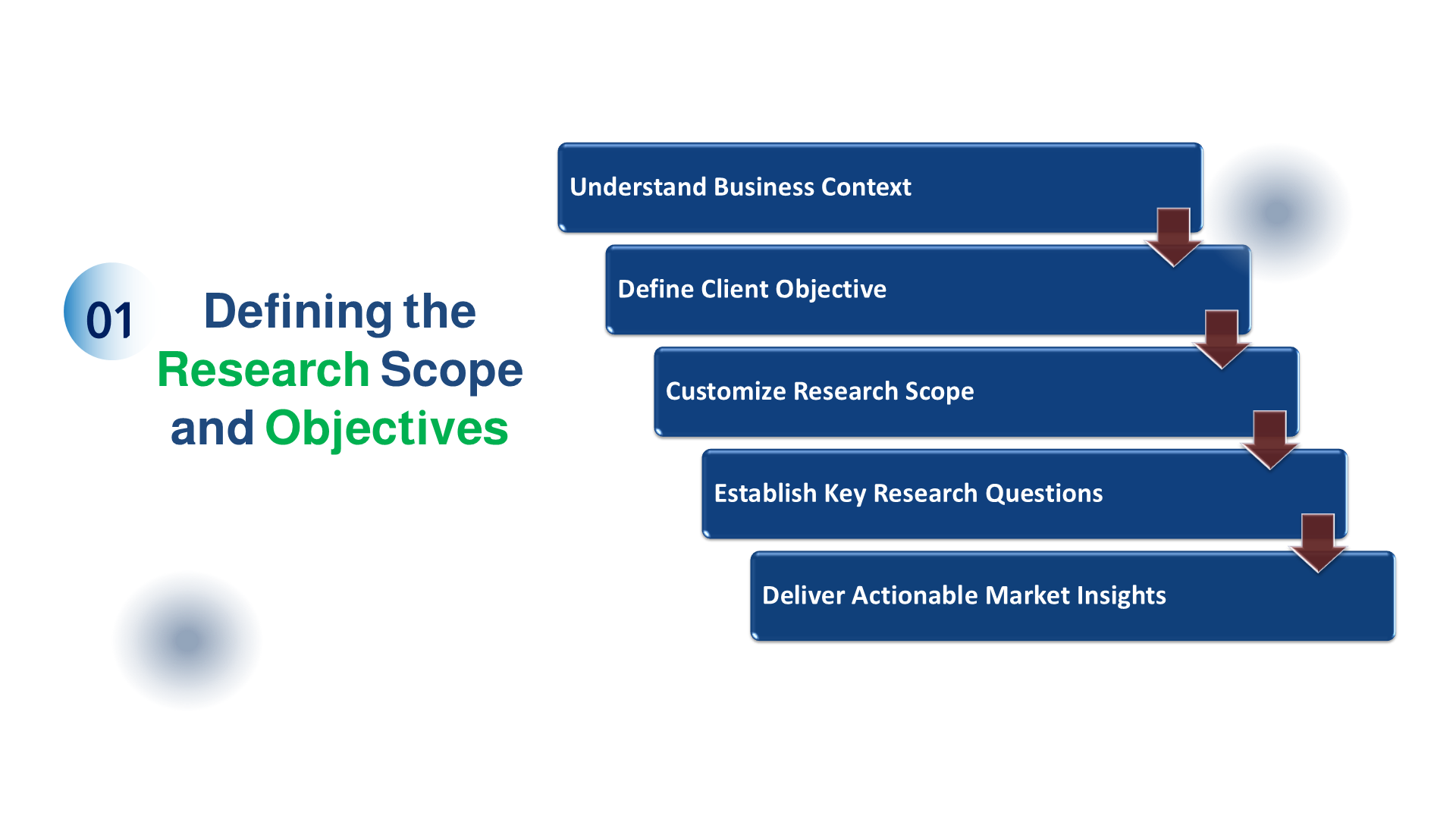
1.1. Market Segmentation & Scope
1.2. Market Definition
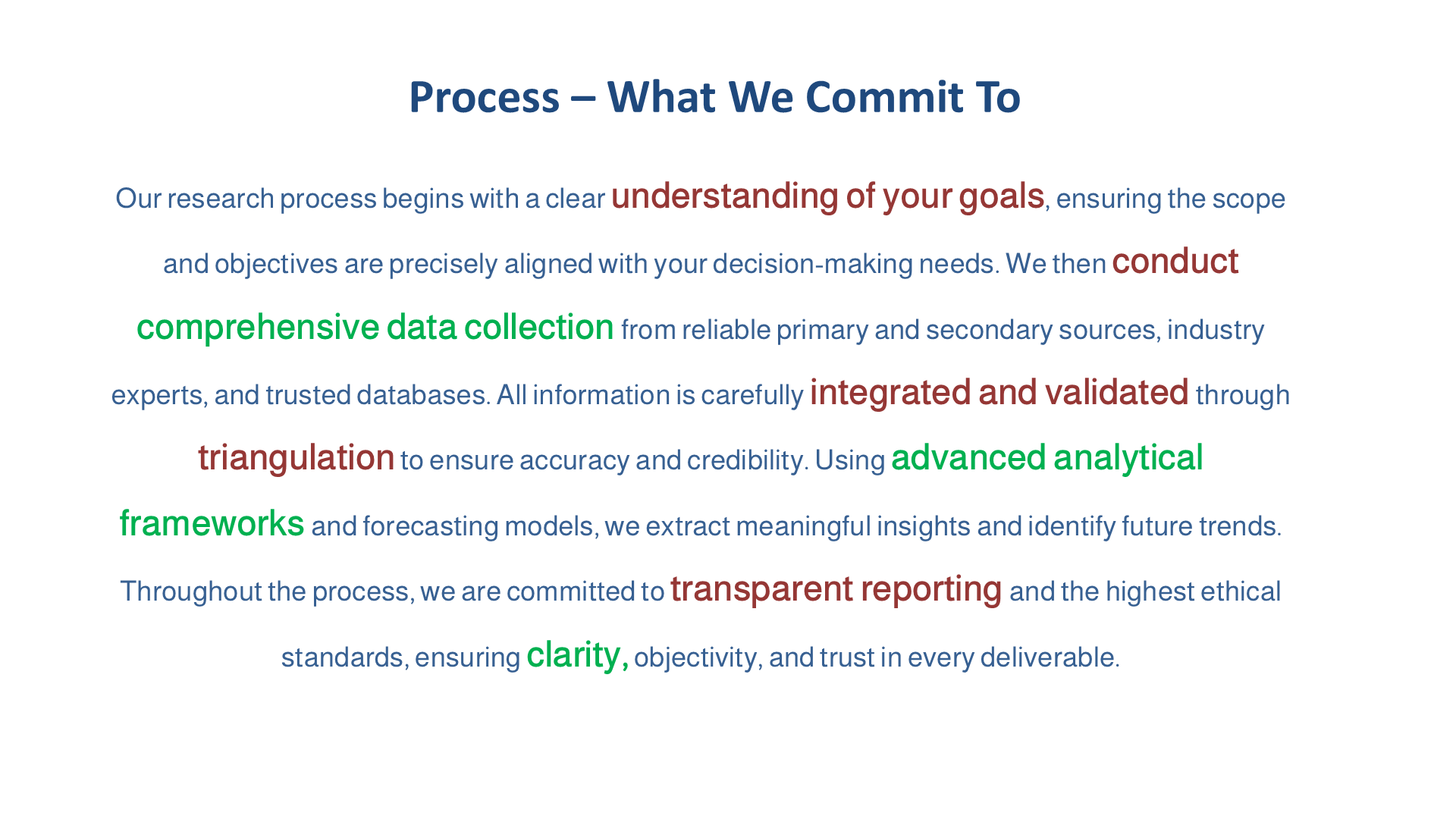
1.3. Information Procurement
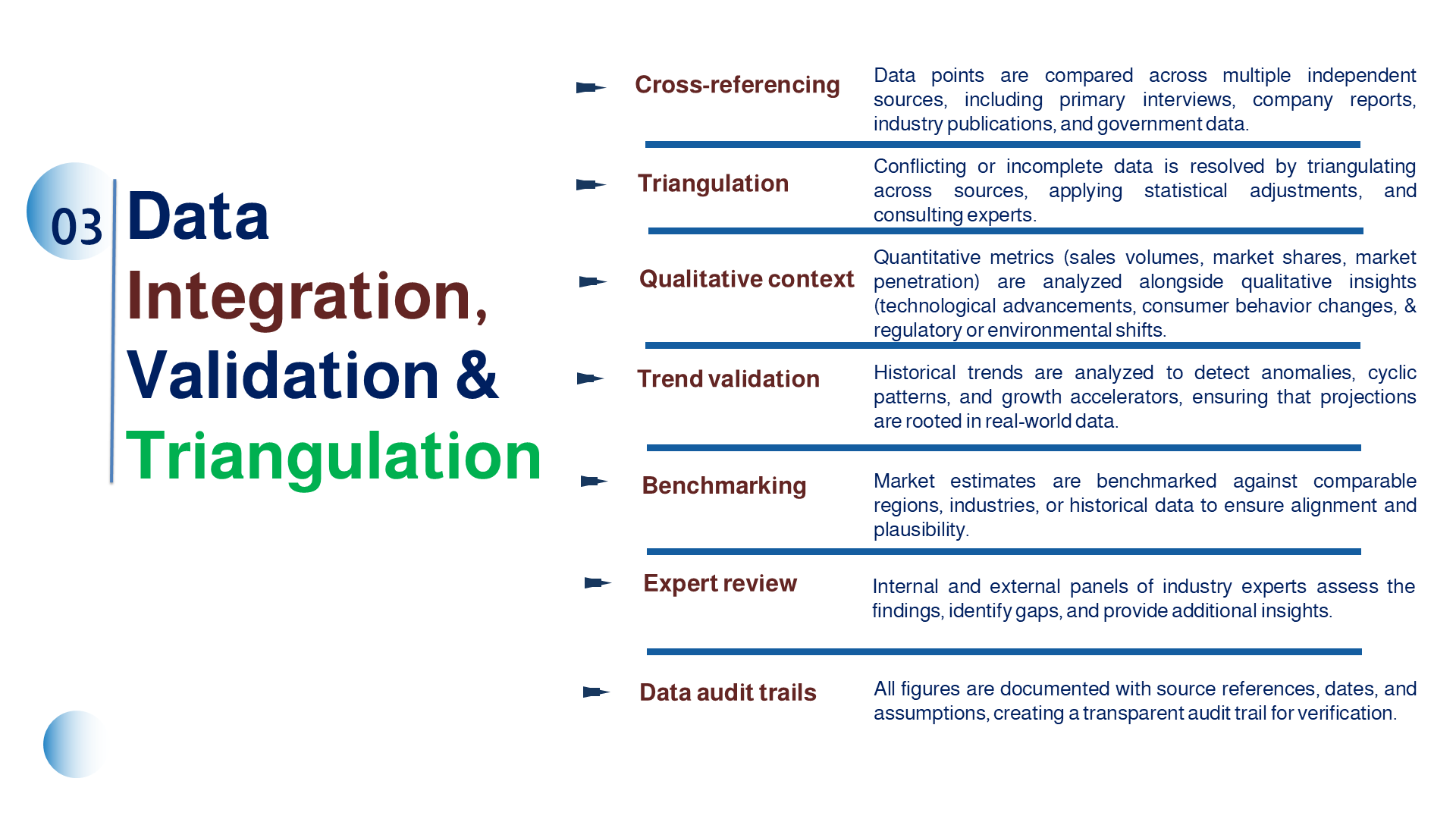
1.3.1 Information Analysis
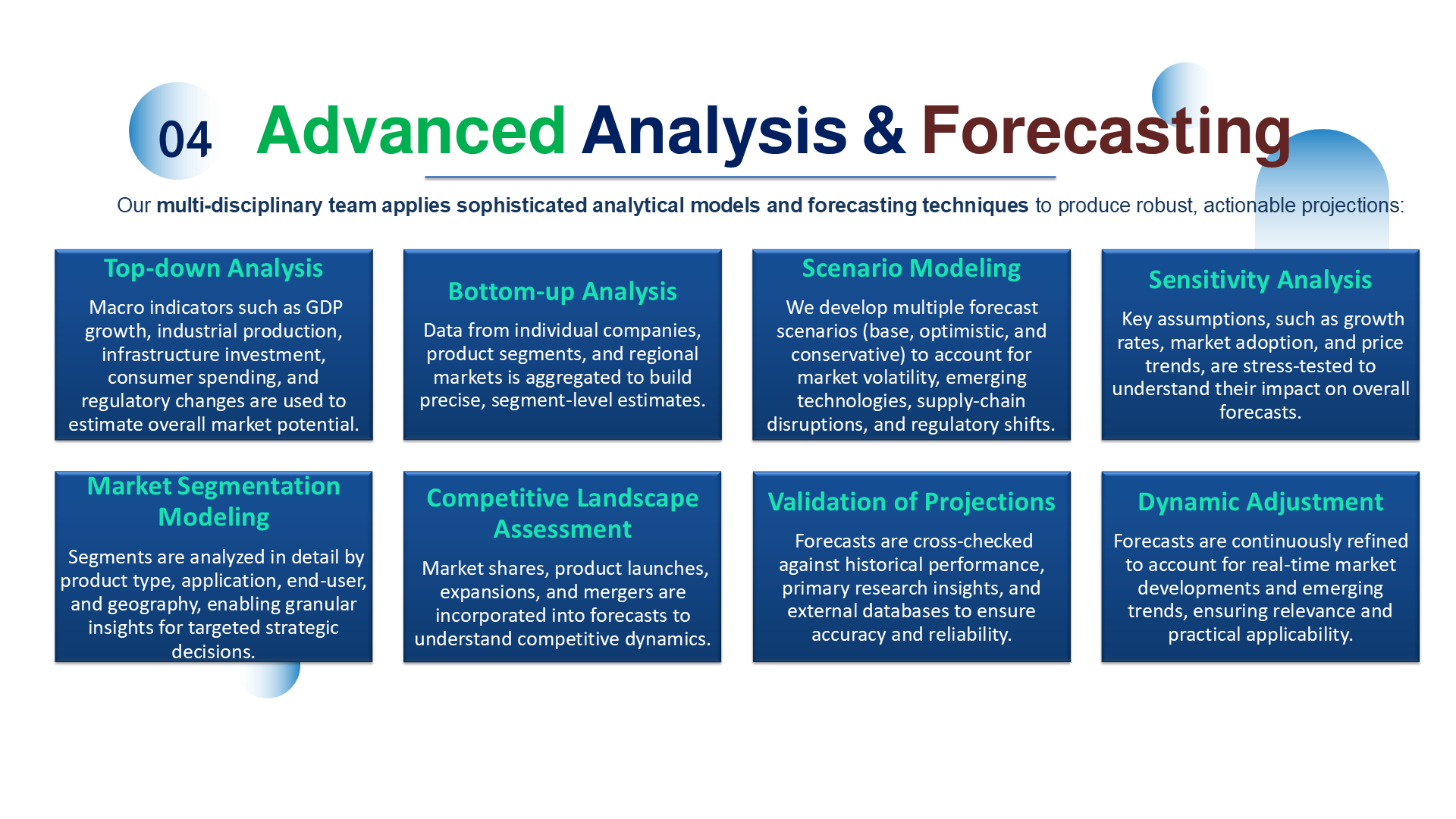
1.3.2 Market Formulation & Data Visualization
1.3.3 Data Validation & Publishing
1.4. Research Scope and Assumptions
1.4.1 List of Data Sources
Chapter 2. EXECUTIVE SUMMARY
2.1. Market Snapshot
2.2. Segmental Outlook
2.3. Competitive Outlook
Chapter 3. MARKET VARIABLES, TRENDS, FRAMEWORK
3.1. Market Lineage Outlook
3.2. Penetration & Growth Prospect Mapping
3.3. Value Chain Analysis
3.4. Regulatory Framework
3.4.1 Standards & Compliance
3.4.2 Regulatory Impact Analysis
3.5. Market Dynamics
3.5.1 Market Drivers
3.5.2 Market Restraints
3.5.3 Market Opportunities
3.5.4 Market Challenges
3.6. Porter's Five Forces Analysis
3.7. PESTLE Analysis
Chapter 4. GLOBAL DIGITAL COPYRIGHT MARKET: BY INDUSTRY TYPE 2022-2034 (USD MN)
4.1. Market Analysis, Insights and Forecast Industry Type
4.2. Entertainment Estimates and Forecasts By Regions 2022-2034 (USD MN)
4.3. Publishing Estimates and Forecasts By Regions 2022-2034 (USD MN)
4.4. Software Development Estimates and Forecasts By Regions 2022-2034 (USD MN)
4.5. Advertising And Marketing Estimates and Forecasts By Regions 2022-2034 (USD MN)
4.6. Education And E-learning Estimates and Forecasts By Regions 2022-2034 (USD MN)
Chapter 5. GLOBAL DIGITAL COPYRIGHT MARKET: BY TYPE OF DIGITAL CONTENT 2022-2034 (USD MN)
5.1. Market Analysis, Insights and Forecast Type Of Digital Content
5.2. Audio Estimates and Forecasts By Regions 2022-2034 (USD MN)
5.3. Video Estimates and Forecasts By Regions 2022-2034 (USD MN)
5.4. Text Estimates and Forecasts By Regions 2022-2034 (USD MN)
5.5. Images Estimates and Forecasts By Regions 2022-2034 (USD MN)
5.6. Software Applications Estimates and Forecasts By Regions 2022-2034 (USD MN)
Chapter 6. GLOBAL DIGITAL COPYRIGHT MARKET: BY PROTECTION MECHANISM 2022-2034 (USD MN)
6.1. Market Analysis, Insights and Forecast Protection Mechanism
6.2. Copyright Registration Estimates and Forecasts By Regions 2022-2034 (USD MN)
6.3. Digital Rights Management (DRM) Estimates and Forecasts By Regions 2022-2034 (USD MN)
6.4. Licensing Agreements Estimates and Forecasts By Regions 2022-2034 (USD MN)
6.5. Fair Use Policies Estimates and Forecasts By Regions 2022-2034 (USD MN)
6.6. Technological Protection Measures (TPM) Estimates and Forecasts By Regions 2022-2034 (USD MN)
Chapter 7. GLOBAL DIGITAL COPYRIGHT MARKET: BY CONSUMER TYPE 2022-2034 (USD MN)
7.1. Market Analysis, Insights and Forecast Consumer Type
7.2. Individual Consumers Estimates and Forecasts By Regions 2022-2034 (USD MN)
7.3. Small And Medium Enterprises (SMEs) Estimates and Forecasts By Regions 2022-2034 (USD MN)
7.4. Large Corporations Estimates and Forecasts By Regions 2022-2034 (USD MN)
7.5. Content Creators And Influencers Estimates and Forecasts By Regions 2022-2034 (USD MN)
7.6. Educational Institutions Estimates and Forecasts By Regions 2022-2034 (USD MN)
Chapter 8. GLOBAL DIGITAL COPYRIGHT MARKET: BY USAGE PURPOSE 2022-2034 (USD MN)
8.1. Market Analysis, Insights and Forecast Usage Purpose
8.2. Personal Use Estimates and Forecasts By Regions 2022-2034 (USD MN)
8.3. Commercial Use Estimates and Forecasts By Regions 2022-2034 (USD MN)
8.4. Educational Purposes Estimates and Forecasts By Regions 2022-2034 (USD MN)
8.5. Public Performance Or Display Estimates and Forecasts By Regions 2022-2034 (USD MN)
8.6. Research And Development Estimates and Forecasts By Regions 2022-2034 (USD MN)
Chapter 9. GLOBAL DIGITAL COPYRIGHT MARKET: BY REGION 2022-2034 (USD MN)
9.1. Regional Outlook
9.2. North America Market Analysis, Insights and Forecast, 2022-2034 (USD MN)
9.2.1 By Industry Type
9.2.2 By Type Of Digital Content
9.2.3 By Protection Mechanism
9.2.4 By Consumer Type
9.2.5 By Usage Purpose
9.2.6 United States
9.2.7 Canada
9.2.8 Mexico
9.3. Europe Market Analysis, Insights and Forecast, 2022-2034 (USD MN)
9.3.1 By Industry Type
9.3.2 By Type Of Digital Content
9.3.3 By Protection Mechanism
9.3.4 By Consumer Type
9.3.5 By Usage Purpose
9.3.6 United Kingdom
9.3.7 France
9.3.8 Germany
9.3.9 Italy
9.3.10 Spain
9.3.11 Russia
9.3.12 Rest Of Europe
9.4. Asia-Pacific Market Analysis, Insights and Forecast, 2022-2034 (USD MN)
9.4.1 By Industry Type
9.4.2 By Type Of Digital Content
9.4.3 By Protection Mechanism
9.4.4 By Consumer Type
9.4.5 By Usage Purpose
9.4.6 China
9.4.7 Japan
9.4.8 South Korea
9.4.9 India
9.4.10 Australia
9.4.11 South East Asia
9.4.12 Rest Of Asia Pacific
9.5. Latin America Market Analysis, Insights and Forecast, 2022-2034 (USD MN)
9.5.1 By Industry Type
9.5.2 By Type Of Digital Content
9.5.3 By Protection Mechanism
9.5.4 By Consumer Type
9.5.5 By Usage Purpose
9.5.6 Brazil
9.5.7 Argentina
9.5.8 Peru
9.5.9 Chile
9.5.10 Rest of Latin America
9.6. Middle East & Africa Market Analysis, Insights and Forecast, 2022-2034 (USD MN)
9.6.1 By Industry Type
9.6.2 By Type Of Digital Content
9.6.3 By Protection Mechanism
9.6.4 By Consumer Type
9.6.5 By Usage Purpose
9.6.6 Saudi Arabia
9.6.7 UAE
9.6.8 Israel
9.6.9 South Africa
9.6.10 Rest of the Middle East And Africa
Chapter 10. COMPETITIVE LANDSCAPE
10.1. Recent Developments
10.2. Company Categorization
10.3. Supply Chain & Channel Partners (based on availability)
10.4. Market Share & Positioning Analysis (based on availability)
10.5. Vendor Landscape (based on availability)
10.6. Strategy Mapping
Chapter 11. COMPANY PROFILES OF GLOBAL DIGITAL COPYRIGHT INDUSTRY
11.1. Top Companies Market Share Analysis
11.2. Company Profiles (Overview, Services, Financials (based on availability), Recent Developments,
Strategies, SWOT, Etc.)
11.2.1 Netflix
11.2.2 Youku
11.2.3 Tencent
11.2.4 YouTube
11.2.5 IQIYI
11.2.6 Hulu
11.2.7 Dailymotion
11.2.8 Amazon
11.2.9 MX Player (Times Internet)
11.2.10 Vimeo
11.2.11 Qidian
LIST OF TABLES
- Market Snapshot
- Segment Outlook
- Competitive Outlook
- Market Analysis By Industry Type-2022-2034 (USD MN)
- Entertainment Market Size By Geography (USD MN)
- Publishing Market Size By Geography (USD MN)
- Software Development Market Size By Geography (USD MN)
- Advertising And Marketing Market Size By Geography (USD MN)
- Education And E-learning Market Size By Geography (USD MN)
- Market Analysis By Type Of Digital Content-2022-2034 (USD MN)
- Audio Market Size By Geography (USD MN)
- Video Market Size By Geography (USD MN)
- Text Market Size By Geography (USD MN)
- Images Market Size By Geography (USD MN)
- Software Applications Market Size By Geography (USD MN)
- Market Analysis By Protection Mechanism-2022-2034 (USD MN)
- Copyright Registration Market Size By Geography (USD MN)
- Digital Rights Management (DRM) Market Size By Geography (USD MN)
- Licensing Agreements Market Size By Geography (USD MN)
- Fair Use Policies Market Size By Geography (USD MN)
- Technological Protection Measures (TPM) Market Size By Geography (USD MN)
- Market Analysis By Consumer Type-2022-2034 (USD MN)
- Individual Consumers Market Size By Geography (USD MN)
- Small And Medium Enterprises (SMEs) Market Size By Geography (USD MN)
- Large Corporations Market Size By Geography (USD MN)
- Content Creators And Influencers Market Size By Geography (USD MN)
- Educational Institutions Market Size By Geography (USD MN)
- Market Analysis By Usage Purpose-2022-2034 (USD MN)
- Personal Use Market Size By Geography (USD MN)
- Commercial Use Market Size By Geography (USD MN)
- Educational Purposes Market Size By Geography (USD MN)
- Public Performance Or Display Market Size By Geography (USD MN)
- Research And Development Market Size By Geography (USD MN)
- Global Digital Copyright Market Sales By Geography-2022-2034 (USD MN)
- North America Market Analysis (USD MN)
- United States Market Analysis (USD MN)
- Canada Market Analysis (USD MN)
- Mexico Market Analysis (USD MN)
- Europe Market Analysis (USD MN)
- United Kingdom Market Analysis (USD MN)
- France Market Analysis (USD MN)
- Germany Market Analysis (USD MN)
- Italy Market Analysis (USD MN)
- Russia Market Analysis (USD MN)
- Spain Market Analysis (USD MN)
- Rest of Europe Market Analysis (USD MN)
- Asia Pacific Market Analysis (USD MN)
- China Market Analysis (USD MN)
- Japan Market Analysis (USD MN)
- India Market Analysis (USD MN)
- South Korea Market Analysis (USD MN)
- Australia Market Analysis (USD MN)
- South East Asia Market Analysis (USD MN)
- Rest of Asia Pacific Market Analysis (USD MN)
- Latin America Market Analysis (USD MN)
- Brazil Market Analysis (USD MN)
- Argentina Market Analysis (USD MN)
- Peru Market Analysis (USD MN)
- Chile Market Analysis (USD MN)
- Rest of Latin America Market Analysis (USD MN)
- Middle East & Africa Market Analysis (USD MN)
- Saudi Arabia Market Analysis (USD MN)
- UAE Market Analysis (USD MN)
- Israel Market Analysis (USD MN)
- South Africa Market Analysis (USD MN)
- Rest of Middle East and Africa Market Analysis (USD MN)
- Partnership/Collaboration/Agreement
- Mergers And Acquisition
LIST OF FIGURES
- Research Scope of Global Digital Copyright Report
- Market Research Process
- Market Research Methodology
- Global Digital Copyright Market Size, By Regions (USD MN)
- Porters Five Forces Analysis
- PESTLE Analysis
- Market Attractiveness Analysis
- Value Chain Analysis
- Global Market Analysis By Industry Type-2022-2034(USD MN)
- Entertainment Market Sales By Geography (USD MN)
- Publishing Market Sales By Geography (USD MN)
- Software Development Market Sales By Geography (USD MN)
- Advertising And Marketing Market Sales By Geography (USD MN)
- Education And E-learning Market Sales By Geography (USD MN)
- Global Market Analysis By Type Of Digital Content-2022-2034(USD MN)
- Audio Market Sales By Geography (USD MN)
- Video Market Sales By Geography (USD MN)
- Text Market Sales By Geography (USD MN)
- Images Market Sales By Geography (USD MN)
- Software Applications Market Sales By Geography (USD MN)
- Global Market Analysis By Protection Mechanism-2022-2034(USD MN)
- Copyright Registration Market Sales By Geography (USD MN)
- Digital Rights Management (DRM) Market Sales By Geography (USD MN)
- Licensing Agreements Market Sales By Geography (USD MN)
- Fair Use Policies Market Sales By Geography (USD MN)
- Technological Protection Measures (TPM) Market Sales By Geography (USD MN)
- Global Market Analysis By Consumer Type-2022-2034(USD MN)
- Individual Consumers Market Sales By Geography (USD MN)
- Small And Medium Enterprises (SMEs) Market Sales By Geography (USD MN)
- Large Corporations Market Sales By Geography (USD MN)
- Content Creators And Influencers Market Sales By Geography (USD MN)
- Educational Institutions Market Sales By Geography (USD MN)
- Global Market Analysis By Usage Purpose-2022-2034(USD MN)
- Personal Use Market Sales By Geography (USD MN)
- Commercial Use Market Sales By Geography (USD MN)
- Educational Purposes Market Sales By Geography (USD MN)
- Public Performance Or Display Market Sales By Geography (USD MN)
- Research And Development Market Sales By Geography (USD MN)
- Global Market Sales-2022-2034 (USD MN)
- North America Market Sales-2022-2034 (USD MN)
- Europe Market Sales-2022-2034 (USD MN)
- Asia Pacific Market Sales-2022-2034 (USD MN)
- Latin America Market Sales-2022-2034 (USD MN)
- Middle East & Africa Market Sales-2022-2034 (USD MN)
- Recent Development in Industry
- Top Company Market Share Analysis