
Global CT Scanner Market Size, Share, Trends & Growth Analysis Report Segmented By Type (Stationary CT Scanners, Portable CT Scanners), Device Architecture, Technology, Application, End-use And Regions (North America, Europe, Asia-Pacific, Latin America, Middle East and Africa), 2026-2034
The global CT scanner market size was valued at USD 7.71 Billion in 2025 and is projected to grow from USD 8.17 Billion in 2026 to USD 13.04 Billion by 2034, at a CAGR of 6.01% during the forecast period. North America dominated the CT scanner market with a market share of 38.95% in 2025.
The CT scanner market represents the ecosystem involved in the design, manufacturing, distribution, and utilization of computed tomography systems used for cross-sectional imaging of internal anatomical structures. These systems integrate X-ray sources, detectors, gantries, software algorithms, and image reconstruction platforms to support diagnostic accuracy across clinical, veterinary, and research applications. The market currently operates within a healthcare environment where diagnostic imaging volumes are rising due to aging populations, higher chronic disease incidence, and expanded access to advanced healthcare infrastructure, directly influencing the CT scanner market size.
The market has transitioned from single-slice and low-resolution systems toward high-slice, AI-assisted, and workflow-optimized platforms, enabling faster scan times and lower radiation exposure. Historically, CT scanners were concentrated in tertiary hospitals, but deployment has expanded into outpatient centres and emergency care units as compact and portable designs improve accessibility. Core components of the market include stationary and portable systems, C-arm and O-arm architectures, detector technologies, software platforms, and post-processing solutions.
The market is expanding through increased imaging utilization rates, government-funded hospital upgrades, and replacement cycles for aging scanners exceeding ten years of service life. Key highlights include the growing integration of dose-reduction software, broader adoption of high-slice systems for complex diagnostics, and rising CT scanner installations in trauma and emergency departments, directly strengthening CT scanner market demand.
Key Takeaways
- North America is expected to lead the market, holding a share of 38.95% in 2025.
- Asia Pacific is anticipated to be the fastest-growing region, with a market share of 28.45% in 2025.
- The U.S. CT scanner market is anticipated to witness notable growth throughout the forecast period.
- Japan CT scanner market is projected to observe significant expansion during the forecast period.
- By device architecture, the o-arm segment held a significant share in 2025 and is expected to expand at a CAGR of 7.21% through 2034.
- By type, the stationary segment accounted for 66.03% of total revenue in 2025, reflecting its strong adoption across fixed imaging installations.
- By technology, the high-slice segment emerged as a dominant category, capturing 40.03% of the revenue share in 2025.
- In terms of application, the human segment held the largest share of 71.15% in 2025.
- Based on end user, hospitals dominated the market with a revenue share of 64.53% in 2025.
Market Size & Forecast
2025 Market Size: USD 7.71 Billion
2026 Market Size: USD 8.17 Billion
2034 Projected Market Size: USD 13.04 Billion
CAGR (2026-2034): 6.01%
Largest market: North America
Fastest-growing market: Asia-Pacific
CT Scanner Market Trends
Technology evolution remains the defining trend shaping the CT scanner market. Healthcare regulators and professional bodies, including the American College of Radiology, increasingly emphasize dose optimization and image quality standards, driving adoption of low-dose and high-slice CT systems. The FDA has highlighted that modern CT scanners can reduce radiation exposure by up to 40 percent compared to older-generation devices through advanced reconstruction algorithms.
Governments are also promoting digital health interoperability, encouraging hospitals to deploy CT systems compatible with centralized picture archiving and communication systems. Portable and mobile CT scanners are gaining visibility in stroke units and intensive care settings, supported by emergency care modernization programs in Europe and North America. Meanwhile, emerging economies are witnessing a steady shift from basic imaging to mid- and high-slice CT platforms as public insurance coverage expands, strengthening overall CT scanner market demand.
CT Scanner Market Dynamics
Market Drivers
Rising diagnostic demand is the primary force driving the market globally. According to the International Agency for Research on Cancer, global cancer cases exceeded 20 million annually, with CT imaging forming a frontline diagnostic and monitoring tool across multiple tumor types. Governments are also prioritizing early diagnosis to reduce long-term treatment costs, leading to higher utilization of CT scans in public healthcare systems.
Trauma and emergency care expansion further supports market growth, as CT scanners enable rapid whole-body assessment in critical care settings. The Centers for Disease Control and Prevention reports that injury-related emergency visits exceed 30 million per year in the U.S., reinforcing the need for fast imaging solutions.
Technological improvements, including faster scan times, enhanced spatial resolution, and advanced image reconstruction, are increasing clinician confidence and patient throughput. In addition, rising awareness among clinicians regarding CT-guided treatment planning is strengthening adoption across specialty care. These combined factors are creating sustained momentum for CT scanner adoption across both mature and developing healthcare markets.
Market Restraints
Despite strong adoption, cost-related barriers continue to limit market in certain regions. High upfront equipment costs, coupled with maintenance, calibration, and radiation shielding requirements, restrict purchases by small hospitals and diagnostic centers. Regulatory agencies such as the FDA and European Commission impose strict compliance standards related to radiation safety, which increase certification and operational expenses.
Workforce shortages also present a constraint, as trained radiologists and CT technologists are required to operate advanced systems safely. According to the World Health Organization, low- and middle-income countries face a diagnostic imaging workforce gap exceeding 50 percent in some regions. In addition, public concern regarding cumulative radiation exposure has led to more conservative imaging protocols, particularly in pediatric and preventive care. Reimbursement variability across countries further complicates return-on-investment calculations. These factors collectively slow replacement cycles and limit market penetration in resource-constrained healthcare environments.
Market Opportunities
Expansion of universal health coverage programs presents significant opportunities for the market. Governments in Asia Pacific, Latin America, and parts of Africa are increasing public healthcare spending to improve diagnostic access at secondary and district hospital levels. The World Bank reports consistent growth in healthcare infrastructure financing across emerging economies, directly supporting imaging equipment procurement.
Technological innovation also opens new revenue streams, particularly through artificial intelligence-enabled CT platforms that enhance workflow efficiency and diagnostic accuracy. Cardiac and lung screening initiatives, increasingly endorsed by national health authorities, are creating demand for specialized CT protocols.
Additionally, the rise of outpatient imaging centres offers manufacturers opportunities to introduce compact, mobile, and energy-efficient systems tailored to high-throughput environments. Growth in teleradiology services is also expanding CT utilization in remote regions. These developments reinforce CT scanner market demand and position the market for broader geographic and clinical expansion over the next decade.
Market Challenges
Operational complexity remains a persistent challenge within the CT scanner industry. Hospitals must balance increasing scan volumes with regulatory requirements related to radiation dose monitoring and patient safety. According to the FDA, inconsistent dose reporting and protocol variation continue to be areas of concern in clinical practice. Supply chain disruptions have also affected component availability, particularly for advanced detectors, X-ray tubes, and semiconductor elements.
Budget constraints in public hospitals can delay technology upgrades, resulting in uneven adoption of next-generation systems. Data integration challenges further complicate CT operations, as imaging systems must align with hospital information systems and electronic health records. Cybersecurity risks associated with connected imaging devices are also emerging as a growing concern. These challenges require coordinated efforts between manufacturers, healthcare providers, and regulators to ensure sustainable market development.
Impact of War, Trade Protectionism, and Artificial Intelligence
Geopolitical tensions and trade protectionism have had a measurable impact on the CT scanner market in recent years. Restrictions on cross-border trade, export controls, and semiconductor supply constraints have affected production timelines and pricing for advanced imaging components. Medical imaging equipment has been increasingly exposed to tariff volatility and logistics disruptions. Some governments have responded by encouraging domestic manufacturing and local assembly of medical devices to reduce import dependency and enhance supply security.
Artificial intelligence is emerging as a transformative force within the CT scanner industry, directly influencing operational efficiency and long-term CT scanner market size expansion. Regulatory bodies such as the FDA have approved multiple AI-based imaging algorithms that support faster image reconstruction, automated lesion detection, and improved diagnostic consistency.
AI help address workforce shortages by reducing interpretation time per scan and standardizing reporting quality across radiology departments. Artificial intelligence integration is also improving scanner utilization rates by enabling higher daily scan volumes and minimizing repeat examinations, which reduces idle time and operational bottlenecks. As hospitals and diagnostic centers seek to market.
CT Scanner Market Segmentation Insights
CT Scanner Market Analysis, By Type
By type, the market is categorized into stationary CT scanners and portable CT scanners.
- The stationary CT scanners segment accounted for 66.03% of total revenue in 2025, making it the largest contributor within the CT scanner market share. This segment leads due to the widespread deployment of stationary systems in hospitals and large diagnostic centers, where consistent imaging performance and advanced diagnostic capabilities are essential. Stationary CT scanners support high patient volumes and complex clinical applications, including oncology, cardiovascular imaging, and trauma assessment. Their fixed installations enable seamless integration with hospital information systems and specialized imaging suites, improving workflow efficiency.
- The portable CT scanners segment represents the fastest-growing category, driven by rising market demand for flexible and point-of-care imaging solutions. Portable systems are increasingly used in emergency departments, intensive care units, ambulatory care centers, and remote or underserved locations. Their mobility allows clinicians to perform scans without transporting critically ill patients, improving response times and patient safety. Growing emphasis on rapid diagnosis, stroke care, and bedside imaging is accelerating adoption of portable CT scanners. As healthcare delivery models evolve toward decentralization and emergency preparedness, demand for portable CT solutions is expected to expand at a faster pace compared to fixed installations.
CT Scanner Market Analysis, By Device Architecture
By device architecture, the market is categorized into C-Arm CT scanners and O-Arm CT scanners.
- The C-Arm CT Scanner segment held the largest share in the market, reflecting its strong contribution to overall CT scanner market share across hospitals, diagnostic centers, and interventional care environments. C-Arm systems are widely used in cardiology, trauma care, pain management, and orthopedic procedures where real-time imaging is critical for clinical decision-making. Their compact footprint, mobility, and adaptability across multiple departments make them suitable for both large hospitals and ambulatory surgical centers. Healthcare providers favor C-Arm CT scanners due to lower installation complexity and efficient space utilization, which supports high procedural volumes. As interventional imaging continues to expand across healthcare systems, C-Arm platforms maintain their leadership position within the market share.
- The O-Arm CT Scanner segment held a significant share in 2025 and is expected to expand at a CAGR of 7.21% through 2034, positioning it as the fastest-growing device architecture driven by rising market demand. O-Arm systems are extensively adopted in orthopedic, spine, and neurosurgical procedures where high-resolution, real-time 3D imaging enhances surgical precision and patient outcomes. Their seamless integration with navigation and robotic-assisted surgery platforms increases their value in advanced operating rooms. Hospitals increasingly invest in O-Arm CT scanners to reduce revision surgeries, improve intraoperative accuracy, and streamline complex workflows.
CT Scanner Market Analysis, By Technology
By technology, the market is categorized into high-slice CT, mid-slice CT, low-slice CT, and cone beam CT (CBCT).
- The high-slice CT segment emerged as a dominant category, capturing 40.03% of the revenue share in 2025. This leadership highlights the expanding market size, driven by rising adoption of advanced imaging technologies in tertiary and specialty care hospitals. High-slice CT systems are widely used for complex clinical applications such as cardiac imaging, neurological evaluation, trauma assessment, and vascular diagnostics. Their ability to deliver high-speed scans with superior image clarity supports early disease detection and improves clinical confidence. Continuous innovation in dose optimization, detector efficiency, and software capabilities is contributing to sustained CT scanner market growth, reinforcing the dominance of the high-slice segment.
- The mid-slice CT segment is expected to grow at the fastest pace, supported by increasing market demand across routine and emergency diagnostic applications. Mid-slice systems offer a balanced combination of performance, affordability, and operational efficiency, making them suitable for hospitals and diagnostic centers managing high patient volumes. These scanners are commonly deployed for oncology imaging, cardiovascular assessment, and general diagnostics where reliable image quality is essential. Expanding healthcare infrastructure, particularly in developing regions, is further accelerating adoption. As access to diagnostic imaging improves, mid-slice CT scanners are positioned to play a critical role in supporting ongoing CT scanner market growth.
CT Scanner Market Analysis, By Application
By application, the market is categorized into human, veterinary, and research.
- The largest segment in this market is the human segment, which held the largest share of 71.15% in 2025, reflecting its strong contribution to the overall market. This segment leads due to the high demand for advanced imaging technologies in human healthcare, particularly for diagnosing and monitoring a wide range of medical conditions. CT scanners are widely used in hospitals and diagnostic centers for applications such as oncology, cardiology, neurology, and trauma care, where timely and accurate imaging is essential. The rising prevalence of chronic diseases, increasing emergency admissions, and growing focus on early diagnosis are driving sustained demand.
- The veterinary segment is expected to grow at the fastest pace, supported by increasing recognition of the value of advanced imaging in animal healthcare. Veterinary practices are steadily adopting CT scanners to diagnose and manage orthopedic disorders, tumors, and internal injuries in companion animals and livestock. Rising pet ownership, higher spending on animal health, and expanding availability of specialized veterinary services are key growth drivers. In addition, improvements in compact and cost-effective CT systems are making advanced imaging more accessible to veterinary clinics. As diagnostic standards in veterinary medicine continue to improve, this segment is positioned for rapid expansion within the market.
CT Scanner Market Analysis, By End-use
By end-use, the market is categorized into hospitals & diagnostic centers, research laboratories & academic institutes, ambulatory care centers, and others.
- The hospitals dominated the market with a revenue share of 64.53% in 2025, highlighting their central role in shaping the overall market size, driven by the high volume of imaging procedures performed in hospital-based and standalone diagnostic facilities. These settings rely heavily on advanced CT imaging for accurate diagnosis, treatment planning, and disease monitoring across applications such as oncology, cardiology, neurology, and trauma care. Hospitals are equipped with skilled radiology professionals, integrated imaging infrastructure, and high-capacity systems capable of handling large patient volumes. Rising prevalence of chronic diseases and increasing emergency admissions are further strengthening demand from hospitals and diagnostic centers. As investments in healthcare infrastructure continue, this segment is expected to retain its leading position within the market size.
- The ambulatory care centers segment is expected to grow at the fastest pace, supported by the ongoing shift toward outpatient and same-day care models. Ambulatory care centers are increasingly adopting CT scanners to provide timely and cost-efficient diagnostic services in a patient-friendly environment. These facilities benefit from shorter wait times and lower operational costs compared to hospitals, making them attractive for routine and follow-up imaging. Growing emphasis on decentralized healthcare delivery and patient convenience is accelerating adoption. As outpatient imaging volumes rise, ambulatory care centers are emerging as a key contributor to future market size expansion.
CT Scanner Market Regional Insights
North America
The North America CT scanner market continues to expand steadily due to its well-established healthcare infrastructure and high diagnostic awareness. North America is expected to lead the market, holding a share of 38.95% in 2025, supported by strong demand from hospitals, trauma centers, and outpatient imaging facilities. The U.S. CT scanner market benefits from widespread access to advanced medical imaging and strong reimbursement frameworks.
According to the U.S. Food and Drug Administration, CT imaging plays a central role in emergency care, cancer diagnosis, and cardiovascular assessment across the country. Public health agencies also promote early disease detection, which increases routine imaging volumes. In addition, continuous investment in hospital modernization and replacement of older imaging systems supports regional growth. Canada follows a similar trend, with government-backed healthcare programs improving diagnostic access.
Europe
The Europe CT scanner market is growing at a stable pace, supported by public healthcare funding and strong diagnostic standards across major economies. Europe accounted for 28.51% of the market share in 2025, reflecting consistent demand from hospitals and diagnostic centers. The Germany CT scanner market plays a central role in regional adoption, driven by its advanced hospital network and emphasis on early diagnosis. Countries such as the UK and France continue to invest in imaging upgrades as part of national healthcare modernization programs.
According to European Commission health reports, imaging services are critical to managing aging populations and chronic disease burdens. Efforts to standardize radiation safety and improve imaging efficiency are also supporting CT scanner market across Europe. In addition, increasing use of CT scans in oncology and emergency care strengthens long-term demand across both Western and Central European countries.
Asia Pacific
The Asia Pacific CT scanner market is expanding rapidly due to rising healthcare utilization, large patient volumes, and sustained government investment in diagnostic infrastructure. The region accounted for 22.67% of the global CT scanner market share in 2025 and is expected to record the fastest regional CAGR of 7.36% through 2034, reflecting strong CT scanner market growth driven by structural healthcare needs. Public health systems across the region are scaling diagnostic capacity to manage increasing burdens of cancer, cardiovascular disease, and trauma cases, directly supporting CT scanner market demand.
China is projected to expand at a CAGR of 6.88% through 2034, supported by large-scale hospital construction, urban emergency care expansion, and rising diagnostic scan volumes in public hospitals. India held a 4.40% share of the global CT scanner market in 2025 and is forecast to grow at a CAGR of 7.13%, driven by government-funded healthcare programs, district hospital upgrades, and increasing reliance on CT imaging for trauma and infectious disease diagnostics.
The Japan CT scanner market is expected to record healthy growth over the forecast period, supported by an aging population and high utilization of advanced imaging for neurological and cardiovascular assessment, which continues to reinforce the overall CT scanner market size through consistently high diagnostic scan volumes.
Latin America
The Latin America CT scanner market is developing steadily as healthcare systems across the region improve diagnostic capabilities. The Brazil CT scanner market leads regional adoption due to higher healthcare spending and the presence of advanced diagnostic centers in urban areas. Government health programs in Brazil emphasize access to imaging for chronic disease management and emergency care.
Argentina is gradually expanding CT availability in public hospitals, particularly for oncology and trauma services. Chile is also investing in diagnostic infrastructure as part of broader healthcare modernization efforts. According to regional health authorities, improving access to imaging remains a priority to reduce diagnostic delays. While budget limitations persist in some countries, rising awareness and expanding private diagnostic networks continue to support CT scanner adoption across Latin America.
Middle East & Africa
The Middle East & Africa CT scanner market is growing as governments prioritize healthcare infrastructure and diagnostic capacity. The Middle East region held close to 5.23% of the global market share in 2025, supported by hospital expansion projects and public health investments. The Saudi Arabia CT scanner market benefits from national healthcare transformation programs aimed at improving diagnostic services.
The UAE continues to invest in advanced imaging technologies to support specialized care and medical tourism. Across Africa, access to CT scanners is improving gradually through government initiatives and international health partnerships. According to regional health organizations, expanding diagnostic imaging is essential to addressing trauma and infectious disease burdens. These efforts are supporting steady market across the Middle East and Africa.
CT scanner market Competitive Overview
The CT scanner market is characterized by the presence of established multinational vendors alongside specialized and regional players. Leading companies focus on product innovation, system upgrades, and workflow optimization to address growing market. Major vendors compete on image quality, radiation dose reduction, and integration with digital hospital systems. Partnerships with hospitals, research institutions, and artificial intelligence developers are increasingly common to enhance diagnostic efficiency.
Niche players contribute by offering compact, portable, or cost-optimized CT systems tailored for outpatient centers and emerging markets. Strategic collaborations with government healthcare programs also play a key role in market positioning. In addition, service contracts, software upgrades, and long-term maintenance agreements are becoming important competitive differentiators. Overall, competition remains focused on technological advancement, clinical reliability, and expanding geographic reach.
Leading Market Players in the CT Scanner Market
- GE Healthcare: GE Healthcare is a leading player in this market, recognized for its innovative imaging solutions that enhance diagnostic capabilities. The company offers a wide range of advanced CT scanners designed to meet the diverse needs of healthcare providers. GE Healthcare is committed to improving patient outcomes through continuous research and development, focusing on technologies that enhance image quality and reduce radiation exposure. The company's strong emphasis on customer support and education further solidifies its position as a trusted partner in the healthcare industry.
- Philips Healthcare: Philips Healthcare is a prominent player in this market, known for its commitment to innovation and quality in medical imaging. The company offers a comprehensive portfolio of CT scanners that cater to various clinical applications, including oncology, cardiology, and emergency care. Philips Healthcare's focus on patient-centric design and advanced imaging technologies enables healthcare providers to deliver high-quality care. The company's dedication to improving patient outcomes and enhancing the overall imaging experience positions it as a key player in this market.
- Siemens Healthineers: Siemens Healthineers is a key player in this market, recognized for its advanced imaging technologies and commitment to innovation. The company offers a range of this market that provide high-resolution imaging and fast scan times, enhancing diagnostic accuracy and efficiency. Siemens Healthineers is dedicated to advancing healthcare through continuous research and development, focusing on solutions that improve patient care and streamline workflows. The company's strong presence in the global healthcare market and emphasis on collaboration with healthcare providers further solidify its position as a leader in this market.
Top Strategies Followed by Players
- Investment in Research and Development: Leading players in this market are heavily investing in research and development to drive innovation and enhance product offerings. By focusing on developing advanced imaging technologies, such as high-resolution scanners and AI integration, companies aim to improve diagnostic accuracy and patient outcomes. This commitment to R&D allows them to stay ahead of competitors and meet the evolving needs of healthcare providers. The emphasis on innovation not only helps in creating cutting-edge products but also strengthens brand loyalty among healthcare professionals seeking reliable imaging solutions.
- Strategic Collaborations and Partnerships: Many companies in this market are forming strategic collaborations and partnerships to expand their market reach and enhance their product portfolios. By partnering with healthcare institutions, research organizations, and technology firms, these players can leverage complementary strengths and resources. Such collaborations enable them to develop innovative solutions tailored to specific clinical needs, improving overall patient care. This strategy not only enhances their competitive position but also facilitates access to new markets and customer segments, driving growth in this market.
- Focus on Customer Education and Support: Companies in this market are increasingly prioritizing customer education and support as a key strategy. By providing comprehensive training and resources to healthcare providers, companies can enhance the understanding and utilization of advanced imaging technologies. Educational initiatives, workshops, and support programs are essential for improving patient outcomes and encouraging the adoption of new technologies. This focus on customer engagement helps build trust and loyalty, ultimately driving demand for this market and fostering long-term relationships with healthcare providers.
List of Companies Profiled in the Report are:
CT Scanner Market Recent Developments
Feb 2024: Royal Philips launched the new AI-enabled Philips CT 5300 scanner at ECR 2024 in Amsterdam and Vienna, designed to improve diagnostic accuracy and workflow efficiency across cardiac, trauma, and interventional imaging. The system uses integrated AI tools to enhance image quality and reduce repetitive tasks for radiology teams.
Mar 2025: GE HealthCare announced the launch of Revolution Vibe, a next-generation cardiac CT scanner with advanced AI capabilities aimed at improving coronary CT angiography and structural heart assessments, unveiled at ACC.25.
Jun 2025: PT Kalbe Farma Tbk and GE HealthCare inaugurated Indonesia’s first local CT scanner production facility at PT Forsta Kalmedic Global, aiming to strengthen regional manufacturing and improve access to advanced diagnostic equipment.
{report_table}
List of Segments Covered
This section of the market report provides detailed data on the segments at country and regional level, thereby assisting the strategist in identifying the target demographics for the respective product or services with the upcoming opportunities.
By Type By Device Architecture By Technology By Application By End-use
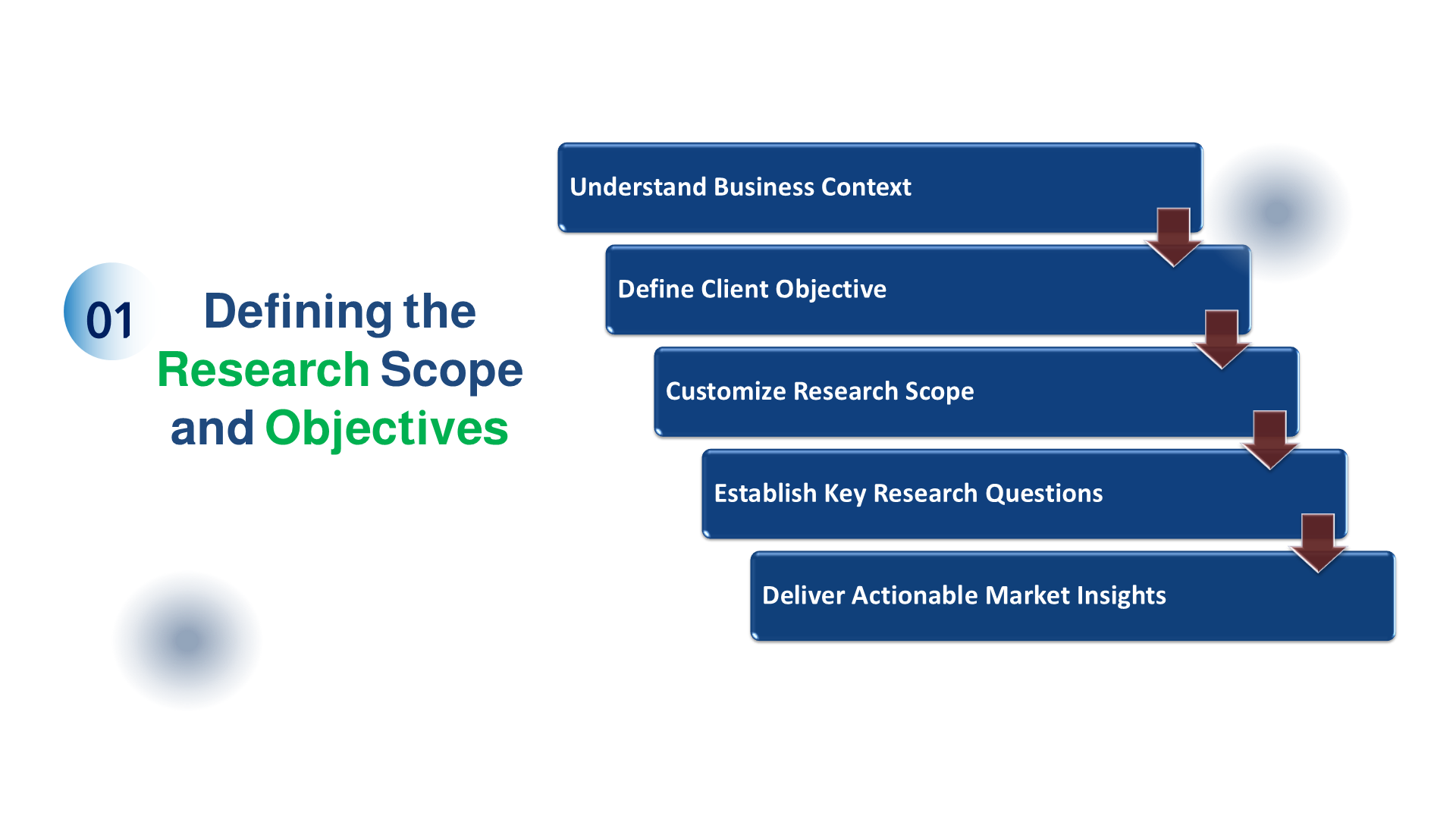
1.1. Market Segmentation & Scope
1.2. Market Definition
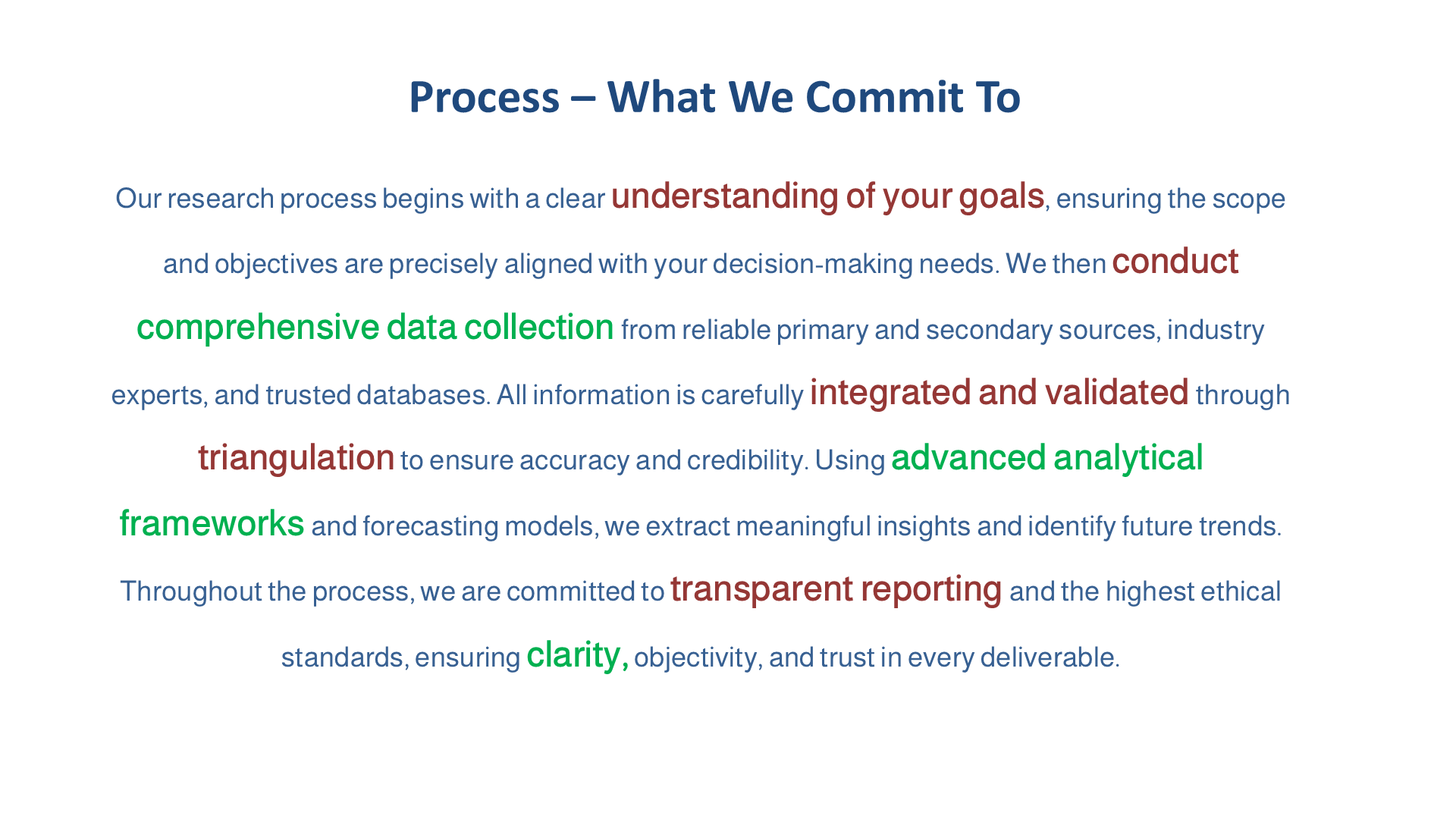
1.3. Information Procurement
1.3.1 Information Analysis
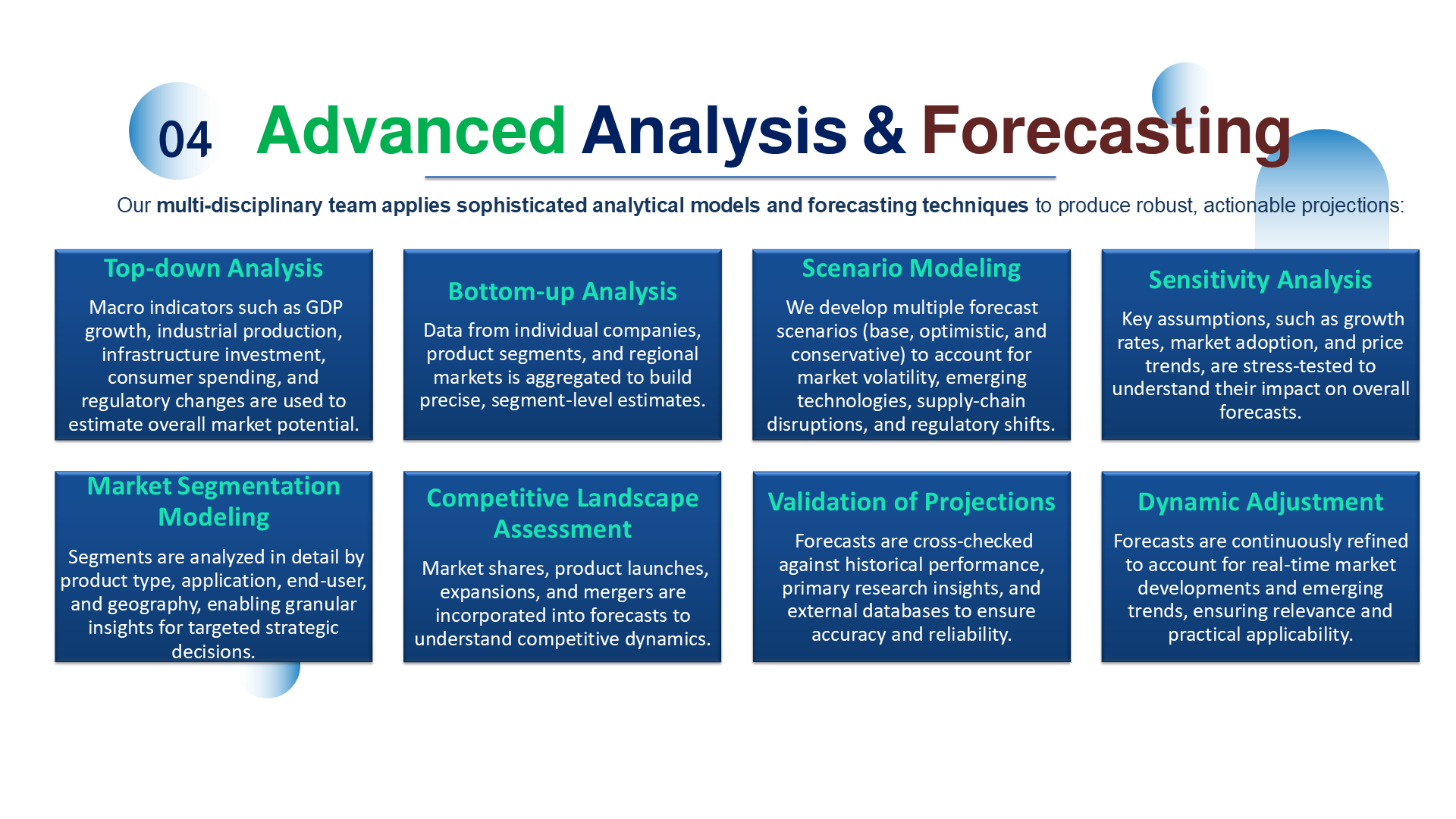
1.3.2 Market Formulation & Data Visualization
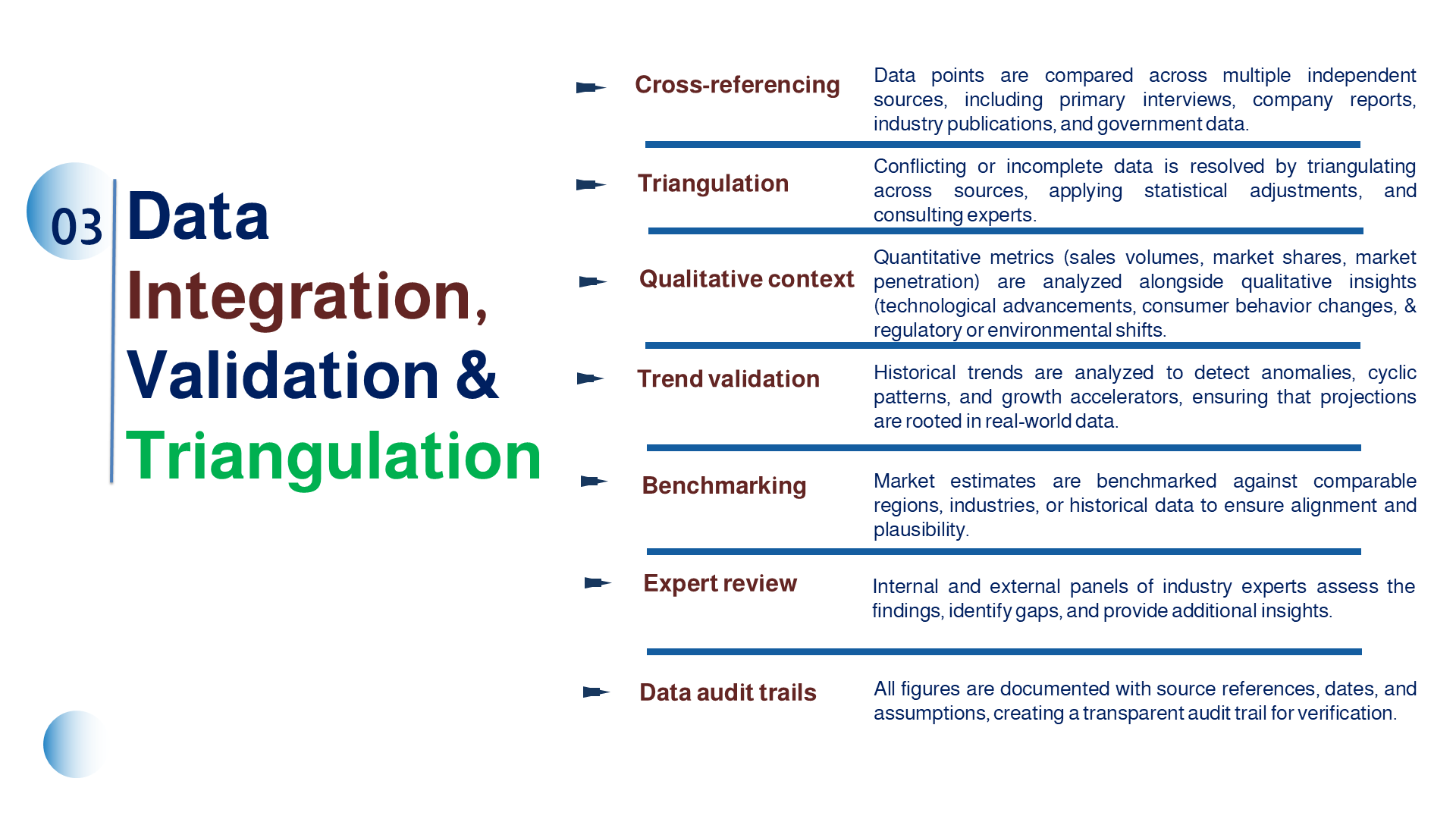
1.3.3 Data Validation & Publishing
1.4. Research Scope and Assumptions
1.4.1 List of Data Sources
Chapter 2. EXECUTIVE SUMMARY
2.1. Market Snapshot
2.2. Segmental Outlook
2.3. Competitive Outlook
Chapter 3. MARKET VARIABLES, TRENDS, FRAMEWORK
3.1. Market Lineage Outlook
3.2. Penetration & Growth Prospect Mapping
3.3. Value Chain Analysis
3.4. Regulatory Framework
3.4.1 Standards & Compliance
3.4.2 Regulatory Impact Analysis
3.5. Market Dynamics
3.5.1 Market Drivers
3.5.2 Market Restraints
3.5.3 Market Opportunities
3.5.4 Market Challenges
3.6. Porter's Five Forces Analysis
3.7. PESTLE Analysis
Chapter 4. GLOBAL CT SCANNER MARKET: BY TYPE 2022-2034 (USD MN)
4.1. Market Analysis, Insights and Forecast Type
4.2. Stationary CT Scanners Estimates and Forecasts By Regions 2022-2034 (USD MN)
4.3. Portable CT Scanners Estimates and Forecasts By Regions 2022-2034 (USD MN)
Chapter 5. GLOBAL CT SCANNER MARKET: BY DEVICE ARCHITECTURE 2022-2034 (USD MN)
5.1. Market Analysis, Insights and Forecast Device Architecture
5.2. C-Arm CT Scanners Estimates and Forecasts By Regions 2022-2034 (USD MN)
5.3. O-Arm CT Scanners Estimates and Forecasts By Regions 2022-2034 (USD MN)
Chapter 6. GLOBAL CT SCANNER MARKET: BY TECHNOLOGY 2022-2034 (USD MN)
6.1. Market Analysis, Insights and Forecast Technology
6.2. High-Slice CT Estimates and Forecasts By Regions 2022-2034 (USD MN)
6.3. Mid-Slice CT Estimates and Forecasts By Regions 2022-2034 (USD MN)
6.4. Low-Slice CT Estimates and Forecasts By Regions 2022-2034 (USD MN)
6.5. Cone Beam CT (CBCT) Estimates and Forecasts By Regions 2022-2034 (USD MN)
Chapter 7. GLOBAL CT SCANNER MARKET: BY APPLICATION 2022-2034 (USD MN)
7.1. Market Analysis, Insights and Forecast Application
7.2. Human Estimates and Forecasts By Regions 2022-2034 (USD MN)
7.3. Veterinary Estimates and Forecasts By Regions 2022-2034 (USD MN)
7.4. Research Estimates and Forecasts By Regions 2022-2034 (USD MN)
Chapter 8. GLOBAL CT SCANNER MARKET: BY END-USE 2022-2034 (USD MN)
8.1. Market Analysis, Insights and Forecast End-use
8.2. Hospitals & Diagnostic Centers Estimates and Forecasts By Regions 2022-2034 (USD MN)
8.3. Research Laboratories & Academic Institutes Estimates and Forecasts By Regions 2022-2034 (USD MN)
8.4. Ambulatory Care Centers Estimates and Forecasts By Regions 2022-2034 (USD MN)
8.5. Others Estimates and Forecasts By Regions 2022-2034 (USD MN)
Chapter 9. GLOBAL CT SCANNER MARKET: BY REGION 2022-2034 (USD MN)
9.1. Regional Outlook
9.2. North America Market Analysis, Insights and Forecast, 2022-2034 (USD MN)
9.2.1 By Type
9.2.2 By Device Architecture
9.2.3 By Technology
9.2.4 By Application
9.2.5 By End-use
9.2.6 United States
9.2.7 Canada
9.2.8 Mexico
9.3. Europe Market Analysis, Insights and Forecast, 2022-2034 (USD MN)
9.3.1 By Type
9.3.2 By Device Architecture
9.3.3 By Technology
9.3.4 By Application
9.3.5 By End-use
9.3.6 United Kingdom
9.3.7 France
9.3.8 Germany
9.3.9 Italy
9.3.10 Spain
9.3.11 Russia
9.3.12 Rest Of Europe
9.4. Asia-Pacific Market Analysis, Insights and Forecast, 2022-2034 (USD MN)
9.4.1 By Type
9.4.2 By Device Architecture
9.4.3 By Technology
9.4.4 By Application
9.4.5 By End-use
9.4.6 China
9.4.7 Japan
9.4.8 South Korea
9.4.9 India
9.4.10 Australia
9.4.11 South East Asia
9.4.12 Rest Of Asia Pacific
9.5. Latin America Market Analysis, Insights and Forecast, 2022-2034 (USD MN)
9.5.1 By Type
9.5.2 By Device Architecture
9.5.3 By Technology
9.5.4 By Application
9.5.5 By End-use
9.5.6 Brazil
9.5.7 Argentina
9.5.8 Peru
9.5.9 Chile
9.5.10 Rest of Latin America
9.6. Middle East & Africa Market Analysis, Insights and Forecast, 2022-2034 (USD MN)
9.6.1 By Type
9.6.2 By Device Architecture
9.6.3 By Technology
9.6.4 By Application
9.6.5 By End-use
9.6.6 Saudi Arabia
9.6.7 UAE
9.6.8 Israel
9.6.9 South Africa
9.6.10 Rest of the Middle East And Africa
Chapter 10. COMPETITIVE LANDSCAPE
10.1. Recent Developments
10.2. Company Categorization
10.3. Supply Chain & Channel Partners (based on availability)
10.4. Market Share & Positioning Analysis (based on availability)
10.5. Vendor Landscape (based on availability)
10.6. Strategy Mapping
Chapter 11. COMPANY PROFILES OF GLOBAL CT SCANNER INDUSTRY
11.1. Top Companies Market Share Analysis
11.2. Company Profiles (Overview, Services, Financials (based on availability), Recent Developments,
Strategies, SWOT, Etc.)
11.2.1 Canon Medical Systems
11.2.2 Carestream Health
11.2.3 Fujifilm Medical Systems
11.2.4 GE Healthcare
11.2.5 Hitachi Healthcare
11.2.6 Hologic
11.2.7 Konica Minolta
11.2.8 Medtronic
11.2.9 Neusoft Medical Systems
11.2.10 Philips Healthcare
LIST OF TABLES
- Market Snapshot
- Segment Outlook
- Competitive Outlook
- Market Analysis By Type-2022-2034 (USD MN)
- Stationary CT Scanners Market Size By Geography (USD MN)
- Portable CT Scanners Market Size By Geography (USD MN)
- Market Analysis By Device Architecture-2022-2034 (USD MN)
- C-Arm CT Scanners Market Size By Geography (USD MN)
- O-Arm CT Scanners Market Size By Geography (USD MN)
- Market Analysis By Technology-2022-2034 (USD MN)
- High-Slice CT Market Size By Geography (USD MN)
- Mid-Slice CT Market Size By Geography (USD MN)
- Low-Slice CT Market Size By Geography (USD MN)
- Cone Beam CT (CBCT) Market Size By Geography (USD MN)
- Market Analysis By Application-2022-2034 (USD MN)
- Human Market Size By Geography (USD MN)
- Veterinary Market Size By Geography (USD MN)
- Research Market Size By Geography (USD MN)
- Market Analysis By End-use-2022-2034 (USD MN)
- Hospitals & Diagnostic Centers Market Size By Geography (USD MN)
- Research Laboratories & Academic Institutes Market Size By Geography (USD MN)
- Ambulatory Care Centers Market Size By Geography (USD MN)
- Others Market Size By Geography (USD MN)
- Global CT Scanner Market Sales By Geography-2022-2034 (USD MN)
- North America Market Analysis (USD MN)
- United States Market Analysis (USD MN)
- Canada Market Analysis (USD MN)
- Mexico Market Analysis (USD MN)
- Europe Market Analysis (USD MN)
- United Kingdom Market Analysis (USD MN)
- France Market Analysis (USD MN)
- Germany Market Analysis (USD MN)
- Italy Market Analysis (USD MN)
- Russia Market Analysis (USD MN)
- Spain Market Analysis (USD MN)
- Rest of Europe Market Analysis (USD MN)
- Asia Pacific Market Analysis (USD MN)
- China Market Analysis (USD MN)
- Japan Market Analysis (USD MN)
- India Market Analysis (USD MN)
- South Korea Market Analysis (USD MN)
- Australia Market Analysis (USD MN)
- South East Asia Market Analysis (USD MN)
- Rest of Asia Pacific Market Analysis (USD MN)
- Latin America Market Analysis (USD MN)
- Brazil Market Analysis (USD MN)
- Argentina Market Analysis (USD MN)
- Peru Market Analysis (USD MN)
- Chile Market Analysis (USD MN)
- Rest of Latin America Market Analysis (USD MN)
- Middle East & Africa Market Analysis (USD MN)
- Saudi Arabia Market Analysis (USD MN)
- UAE Market Analysis (USD MN)
- Israel Market Analysis (USD MN)
- South Africa Market Analysis (USD MN)
- Rest of Middle East and Africa Market Analysis (USD MN)
- Partnership/Collaboration/Agreement
- Mergers And Acquisition
LIST OF FIGURES
- Research Scope of Global CT Scanner Report
- Market Research Process
- Market Research Methodology
- Global CT Scanner Market Size, By Regions (USD MN)
- Porters Five Forces Analysis
- PESTLE Analysis
- Market Attractiveness Analysis
- Value Chain Analysis
- Global Market Analysis By Type-2022-2034(USD MN)
- Stationary CT Scanners Market Sales By Geography (USD MN)
- Portable CT Scanners Market Sales By Geography (USD MN)
- Global Market Analysis By Device Architecture-2022-2034(USD MN)
- C-Arm CT Scanners Market Sales By Geography (USD MN)
- O-Arm CT Scanners Market Sales By Geography (USD MN)
- Global Market Analysis By Technology-2022-2034(USD MN)
- High-Slice CT Market Sales By Geography (USD MN)
- Mid-Slice CT Market Sales By Geography (USD MN)
- Low-Slice CT Market Sales By Geography (USD MN)
- Cone Beam CT (CBCT) Market Sales By Geography (USD MN)
- Global Market Analysis By Application-2022-2034(USD MN)
- Human Market Sales By Geography (USD MN)
- Veterinary Market Sales By Geography (USD MN)
- Research Market Sales By Geography (USD MN)
- Global Market Analysis By End-use-2022-2034(USD MN)
- Hospitals & Diagnostic Centers Market Sales By Geography (USD MN)
- Research Laboratories & Academic Institutes Market Sales By Geography (USD MN)
- Ambulatory Care Centers Market Sales By Geography (USD MN)
- Others Market Sales By Geography (USD MN)
- Global Market Sales-2022-2034 (USD MN)
- North America Market Sales-2022-2034 (USD MN)
- Europe Market Sales-2022-2034 (USD MN)
- Asia Pacific Market Sales-2022-2034 (USD MN)
- Latin America Market Sales-2022-2034 (USD MN)
- Middle East & Africa Market Sales-2022-2034 (USD MN)
- Recent Development in Industry
- Top Company Market Share Analysis




Frequently Asked Questions (FAQs) about this Report
How big is the Global CT Scanner market?
What is the Global CT Scanner market growth?
Which country holds the highest share in the Global CT Scanner market?
How is the Global CT Scanner market segmented in the report?
Who are the key players in the Global CT Scanner market?
What are the factors driving the CT scanner market?
Which segment accounted for the largest CT scanner market share by type?