
Global Cellular Vehicle-to-Everything (C-V2X) Market Size, Share, Trends & Growth Analysis Report Segmented By Communication Type (Vehicle-to-Person (V2P), Vehicle-to-Infrastructure (V2I), Vehicle-to-Network (V2N), Vehicle-to-Vehicle (V2V)), Component, Vehicle Type, Application, And Regions (North America, Europe, Asia-Pacific, Latin America, Middle East and Africa), 2026-2034
Cellular Vehicle-to-Everything (C-V2X) Market Size and Share
The global cellular vehicle-to-everything (C-V2X) market size was valued at USD 2.51 Billion in 2025 and is projected to grow from USD 3.27 Billion in 2026 to USD 26.94 Billion by 2034, at a CAGR of 30.16% during the forecast period. North America dominated the cellular vehicle-to-everything (C-V2X) market with a market share of 34.16% in 2025.
The cellular vehicle-to-everything (C-V2X) market is being shaped by connected-road infrastructure, vehicle safety applications, and deeper integration between vehicles, traffic systems, and communication networks. Increasing deployment of intelligent transportation infrastructure is encouraging automakers, telecom providers, and technology companies to develop interoperable connectivity solutions. According to the U.S. Department of Transportation, V2X deployment is intended to improve roadway safety, mobility, and transportation efficiency through communication among vehicles, wireless devices, and roadside infrastructure. Growing adoption of connected and automated mobility is also expanding opportunities across collision avoidance, intelligent traffic systems, fleet management, and autonomous driving. These developments are supporting cellular vehicle-to-everything (C-V2X) market size expansion as transportation ecosystems become increasingly connected and data-driven.
Cellular Vehicle-to-Everything (C-V2X) Market Key Takeaways
Market Size & Forecast
2025 Market Size: USD 2.51 Billion
2026 Market Size: USD 3.27 Billion
2034 Projected Market Size: USD 26.94 Billion
CAGR (2026-2034): 30.16%
Largest market: North America
Fastest-growing market: Asia Pacific
Market Share Analysis
- North America held the largest market share of 34.16% in 2025.
- In terms of communication type, vehicle-to-infrastructure communication is forecast to command 55.41% of the revenue share in 2025.
- On the basis of component, the hardware component segment is expected to hold 63.17% of the market revenue share in 2025.
- Among vehicle types, passenger vehicles are projected to capture 61.24% of the revenue share in 2025.
- In terms of application, the autonomous driving segment is expected to witness the fastest growth at a CAGR of 15.93% over the forecast horizon.
Key Country Highlights
- China is projected to experience market growth at a CAGR of 46.18% during the forecast period.
- India is anticipated to expand at a CAGR of 43.27% through 2034.
- Germany is likely to witness growth at a CAGR of 39.64% over the assessment timeline.
- Across France, the market is expected to advance at a CAGR of 36.21% throughout the study period.
- The UK is projected to register a CAGR of 33.06% by 2034.
- The U.S. market is expected to grow at a CAGR of 29.73% during the forecast period.
- Brazil is anticipated to progress at a CAGR of 26.17% over the forecast horizon.
Cellular Vehicle-to-Everything (C-V2X) Market Trends & Future Outlook
Connected infrastructure is becoming a central trend as governments move from isolated vehicle connectivity toward coordinated road ecosystems. According to China’s Ministry of Industry and Information Technology, pilot areas are targeting more than 90% connectivity for traffic signals and road signs, supporting broader C-V2X infrastructure deployment. This shift is expected to support cellular vehicle-to-everything (C-V2X) market growth by improving communication between vehicles, roads, and traffic-management platforms.
Autonomous driving is increasingly linked with cooperative connectivity because onboard sensing alone cannot provide complete situational awareness. According to the European Commission, cooperative intelligent transport systems allow vehicles, infrastructure, road users, and traffic managers to exchange information and coordinate actions, supporting safety and traffic efficiency. This development is creating stronger cellular vehicle-to-everything (C-V2X) market demand for low-latency communication and coordinated decision-making.
Spectrum harmonization and regulatory standardization are also shaping future deployment. According to the Federal Communications Commission, C-V2X has been incorporated into the U.S. intelligent transportation framework for the 5.9 GHz band, with defined technical parameters for onboard and roadside units. Such regulatory clarity can improve investment confidence and support broader market share opportunities across connected mobility applications.
Impact of AI in the Cellular Vehicle-to-Everything (C-V2X) Market
Artificial intelligence is increasing the value of C-V2X by converting connected-vehicle data into predictive safety and traffic decisions. According to NHTSA, full adoption of two V2X safety applications was estimated to prevent about 500,000 crashes and save around 1,000 lives annually. AI can combine vehicle position, speed, road conditions, and infrastructure signals to identify potential hazards earlier. China’s Ministry of Industry and Information Technology is also promoting edge computing and cloud-controlled platforms alongside C-V2X deployment, supporting real-time coordination between vehicles and infrastructure. These capabilities can improve collision avoidance, traffic optimization, automated parking, and fleet coordination while increasing cellular vehicle-to-everything (C-V2X) market demand for intelligent communication platforms.
Cellular Vehicle-to-Everything (C-V2X) Market Investment Analysis
Investment prospects are increasingly tied to the convergence of automotive connectivity, telecommunications, roadside infrastructure, and automated mobility. According to the U.S. Department of Transportation, its national V2X deployment strategy focuses on safety, mobility, efficiency, privacy, and consumer protection. This creates opportunities across onboard units, roadside units, software platforms, edge computing, cybersecurity, and network services. China’s Ministry of Industry and Information Technology is encouraging C-V2X deployment alongside cloud-controlled transportation systems and multiple commercial application scenarios. Investors therefore have opportunities across both technology suppliers and infrastructure ecosystems, although interoperability, regulatory alignment, deployment costs, and long vehicle replacement cycles remain important risks.
Emerging Innovations in the Cellular Vehicle-to-Everything (C-V2X) Market
Edge computing is becoming an important innovation because processing traffic information closer to vehicles can reduce dependence on distant cloud platforms. According to China’s Ministry of Industry and Information Technology, C-V2X pilot programs include roadside sensing and multi-level edge-cloud computing systems. This architecture can support faster cooperative decisions.
Vehicle-to-infrastructure communication is evolving beyond basic signal messaging toward coordinated traffic control and automated mobility. According to the European Commission, cooperative intelligent transport systems enable vehicles and infrastructure to share information and coordinate actions. This supports smarter intersections, road-hazard alerts, and automated driving functions.
Spectrum and communication architecture are also advancing as regulators establish clearer technical frameworks. According to the Federal Communications Commission, C-V2X rules define parameters for onboard and roadside units, including power and channel requirements. Greater technical consistency can support scalable deployments and cross-system interoperability.
Cellular Vehicle-to-Everything (C-V2X) Market Dynamics
Market Drivers
Cellular vehicle-to-everything (C-V2X) market is benefiting from stronger road-safety priorities, connected infrastructure programs, and growing interest in cooperative mobility. According to the U.S. Department of Transportation, V2X is being advanced to support safer and more efficient transportation systems. The technology can extend vehicle awareness beyond direct line-of-sight conditions, strengthening collision-warning applications. According to NHTSA, V2X can support detection of road users and hazards that conventional sensors may not directly observe. Increasing integration with intelligent traffic systems is therefore creating a stronger foundation for deployment across passenger vehicles, commercial fleets, and roadside infrastructure.
Market Restraints
Cellular vehicle-to-everything (C-V2X) market faces deployment barriers because effective communication requires coordinated investment across vehicles, roadside equipment, networks, software, and traffic-management systems. According to China’s Ministry of Industry and Information Technology, C-V2X pilots require integration among vehicle terminals, roadside devices, edge systems, cloud platforms, and safety-management platforms. Such interconnected requirements can increase implementation complexity. Differences in technical standards, cybersecurity expectations, spectrum arrangements, and procurement practices can further slow cross-border deployment. Smaller municipalities may also face difficulties funding roadside upgrades, while automakers must consider compatibility across different infrastructure environments. These constraints can make large-scale commercialization slower than individual technology demonstrations.
Market Opportunities
Cellular vehicle-to-everything (C-V2X) market has opportunities in automated driving, smart intersections, fleet coordination, intelligent parking, emergency alerts, and connected logistics. According to China’s Ministry of Industry and Information Technology, pilot programs include smart buses, passenger vehicles, automated parking, urban logistics, and automated delivery applications. These use cases create opportunities for technology suppliers to move beyond connectivity hardware into integrated software and services. Public-private partnerships can also accelerate roadside infrastructure deployment while reducing individual operator burdens. The expansion of edge computing and digital traffic management provides another opportunity to develop localized processing systems that support real-time cooperative decisions across increasingly connected transportation environments.
Market Challenges
Cellular vehicle-to-everything (C-V2X) market must address interoperability, cybersecurity, infrastructure scalability, and regulatory consistency as deployments expand. According to India’s Ministry of Road Transport and Highways, proposed V2V requirements include positioning, electromagnetic compatibility, cybersecurity, communication security, and road-safety performance provisions. These requirements show how technical deployment increasingly depends on regulatory compliance as well as network performance. Another challenge is achieving sufficient participation across vehicles and infrastructure because isolated deployments provide limited network effects. Operators must also manage data governance, software updates, equipment maintenance, and compatibility between legacy transportation systems and newer connected platforms.
Cellular Vehicle-to-Everything (C-V2X) Market Segmentation Insights
Cellular Vehicle-to-Everything (C-V2X) Market Analysis, By Communication Type
By communication type, the market is categorized into vehicle-to-person (v2p), vehicle-to-infrastructure (v2i), vehicle-to-network (v2n), and vehicle-to-vehicle (v2v).
Vehicle-to-Infrastructure (V2I) is the largest communication type, supported by its use in connected traffic signals, roadside units, road safety systems, and intelligent transportation networks. The segment is forecast to command 55.41% of revenue share in 2025, giving it a strong position as infrastructure operators expand connected mobility capabilities. Vehicle-to-Vehicle (V2V) is positioned as the fastest-growing communication type as connected vehicles increasingly exchange real-time information related to speed, location, braking, and road conditions. Its integration with collision avoidance and automated driving systems can accelerate adoption, supporting stronger market growth as cooperative mobility becomes more practical.
Cellular Vehicle-to-Everything (C-V2X) Market Analysis, By Component
By component, the market is categorized into hardware and software.
Hardware is the largest component, reflecting the essential requirement for communication modules, processors, antennas, sensors, and related connectivity equipment. The segment is expected to hold 63.17% of revenue share in 2025. Continued deployment of onboard and roadside equipment is reinforcing market demand across connected transportation applications. Software is the fastest-growing component as C-V2X deployments increasingly depend on network management, cybersecurity, data processing, and application platforms. Growing integration with connected and automated vehicle architectures is expanding the role of software in system intelligence. This transition is expected to support market growth as vehicle connectivity becomes more sophisticated.
Cellular Vehicle-to-Everything (C-V2X) Market Analysis, By Vehicle Type
By vehicle type, the market is categorized into passenger vehicle and commercial vehicle.
Passenger Vehicle represent the largest vehicle type, supported by increasing integration of connectivity, safety, and advanced driver-assistance technologies into consumer automobiles. The segment is projected to capture 61.24% of revenue share in 2025. Broader deployment of connected features is strengthening cellular vehicle-to-everything (C-V2X) market share within passenger mobility applications. Commercial Vehicle are expected to be the fastest-growing vehicle type as logistics operators, fleet owners, and public transportation providers adopt connected technologies for safety and operational coordination. C-V2X can support vehicle tracking, cooperative awareness, and traffic communication, creating favorable conditions for market growth across commercial transportation networks.
Cellular Vehicle-to-Everything (C-V2X) Market Analysis, By Application
By application, the market is categorized into fleet management, autonomous driving, collision avoidance, intelligent traffic systems, parking management systems, and others.
Fleet Management is the largest application, supported by the need for better vehicle coordination, route visibility, safety monitoring, and operational efficiency across commercial fleets. C-V2X connectivity can facilitate communication between vehicles and infrastructure, while broader fleet digitization strengthens the market size across logistics and transportation operations. Autonomous Driving is the fastest-growing application, with a projected CAGR of 15.93% over the forecast horizon. C-V2X supports cooperative awareness by enabling vehicles to exchange information with surrounding vehicles and infrastructure. Its ability to complement automated driving technologies is strengthening adoption potential and supporting cellular vehicle-to-everything (C-V2X) market growth in advanced mobility systems.
Cellular Vehicle-to-Everything (C-V2X) Market Regional Insights
North America Cellular Vehicle-to-Everything (C-V2X) Market
North America held the largest market share of 34.16% in 2025, supported by connected mobility programs, automotive technology adoption, and investment in intelligent transportation infrastructure. According to the U.S. Department of Transportation, its V2X deployment strategy focuses on improving roadway safety, mobility, efficiency, interoperability, and secure connectivity. The regional demand is also supported by growing deployment of roadside communication systems, fleet connectivity, and advanced driver-assistance applications. Canada adds further potential through smart transportation research, telecommunications capabilities, and connected mobility initiatives.
U.S. Cellular Vehicle-to-Everything (C-V2X) Market
The U.S. is projected to register a CAGR of 29.73% during the forecast period, supported by federal transportation initiatives and increasing interest in cooperative vehicle technologies. According to the U.S. Department of Transportation, V2X deployment is being advanced to improve transportation safety, mobility, efficiency, and interoperability across connected transportation systems. The cellular vehicle-to-everything (C-V2X) market is gaining support from initiatives involving vehicles, roadside infrastructure, traffic signals, and communication networks. According to the National Highway Traffic Safety Administration, V2X communication can provide information about vehicles and road users that may not be directly detected through conventional onboard sensors. This creates opportunities across collision avoidance, intelligent traffic systems, autonomous driving, and fleet management applications.
Europe Cellular Vehicle-to-Everything (C-V2X) Market
Europe is developing a strong connected-mobility ecosystem through coordinated intelligent transportation policies, infrastructure modernization, and cooperative driving initiatives. According to the European Commission, cooperative intelligent transport systems enable vehicles, infrastructure, road users, and traffic managers to exchange information and coordinate actions to improve road safety and traffic efficiency. The cellular vehicle-to-everything (C-V2X) market growth outlook is supported by European efforts to integrate connected and automated mobility with digital transport infrastructure. Standardization and cross-border interoperability remain important because vehicles and communication systems operate across multiple national transportation networks. The region also benefits from growing attention to automated driving, smart intersections, traffic optimization, and road-user safety, creating opportunities for technology providers and infrastructure operators.
U.K. Cellular Vehicle-to-Everything (C-V2X) Market
The U.K. is projected to register a CAGR of 33.06% through 2034, supported by connected transport development, automated mobility research, and increasing digitalization of road infrastructure. According to the U.K. Department for Transport, connected and automated mobility technologies are being supported through programs focused on improving transport systems and developing commercial deployment opportunities. The market demand is gaining relevance as communication between vehicles, infrastructure, pedestrians, and network platforms becomes more important for future mobility services. Public-sector technology programs are also encouraging collaboration between automotive companies, telecommunications providers, research institutions, and infrastructure operators. This environment supports opportunities in autonomous driving, traffic management, safety communication, and connected fleet applications.
Germany Cellular Vehicle-to-Everything (C-V2X) Market
Germany is likely to witness a CAGR of 39.64% over the assessment timeline, reflecting its strong automotive manufacturing base and continued development of connected and automated transportation technologies. According to Germany’s Federal Ministry for Digital and Transport, digitalization and automated driving are important components of the country’s future mobility strategy. The cellular vehicle-to-everything (C-V2X) market share is supported by the presence of major automotive manufacturers, technology suppliers, and transportation infrastructure providers capable of integrating communication technologies into vehicles and roads. Germany’s focus on automated mobility, intelligent infrastructure, and road-safety applications creates opportunities for V2V, V2I, and V2N solutions. Interoperability, cybersecurity, and infrastructure investment will remain important factors influencing commercial deployment.
Asia Pacific Cellular Vehicle-to-Everything (C-V2X) Market
Asia Pacific is positioned as a high-growth region, supported by large automotive markets, telecommunications development, smart-city programs, and government-backed connected-vehicle initiatives. According to China’s Ministry of Industry and Information Technology, C-V2X pilot programs include intelligent roadside infrastructure, edge-cloud computing, smart buses, automated parking, urban logistics, and automated delivery applications. The market size is therefore expanding across multiple transportation use cases rather than being limited to vehicle communication alone. Japan contributes through established intelligent transportation systems and connected-road technologies, while India is developing regulatory frameworks for V2X communication. These developments are encouraging automakers, telecom operators, infrastructure companies, and technology suppliers to build integrated connected-mobility ecosystems.
China Cellular Vehicle-to-Everything (C-V2X) Market
China is projected to experience a CAGR of 46.18% during the forecast period, making it one of the fastest-expanding country markets within the connected vehicle ecosystem. According to China’s Ministry of Industry and Information Technology, pilot areas are advancing C-V2X applications involving vehicles, roads, traffic signals, roadside sensing, edge computing, and cloud platforms. The market growth is being supported by large-scale intelligent transportation programs and increasing integration between automotive and digital infrastructure. Applications extend across autonomous driving, smart buses, logistics, automated parking, and traffic management. Strong domestic automotive manufacturing capabilities and telecommunications infrastructure provide additional support, although interoperability, cybersecurity, and deployment coordination remain important considerations for wider commercialization.
Japan Cellular Vehicle-to-Everything (C-V2X) Market
Japan continues to strengthen connected transportation through intelligent transport systems, automotive innovation, and infrastructure-oriented mobility programs. According to Japan’s Ministry of Land, Infrastructure, Transport and Tourism, next-generation intelligent transport initiatives focus on improving traffic efficiency, safety, and information exchange between vehicles and infrastructure. The market demand is supported by Japan’s advanced automotive industry and its long-standing experience with cooperative transportation technologies. Vehicle communication can complement existing sensing and traffic-management systems by providing information beyond a vehicle’s immediate surroundings. Opportunities are emerging in collision avoidance, intelligent intersections, automated driving, fleet operations, and connected infrastructure. Continued standardization and coordination between automotive and telecommunications stakeholders will influence future deployment.
India Cellular Vehicle-to-Everything (C-V2X) Market
India is anticipated to expand at a CAGR of 43.27% through 2034, supported by expanding digital infrastructure, automotive connectivity, urban mobility requirements, and regulatory attention toward V2X technologies. According to the Telecom Regulatory Authority of India, regulatory considerations for V2X communication include spectrum, licensing, and related communication requirements. The cellular vehicle-to-everything (C-V2X) market share is expected to benefit from applications addressing traffic coordination, road safety, fleet operations, and future automated mobility. Increasing vehicle connectivity can also support communication between road infrastructure and transportation networks. Deployment will depend on network coverage, roadside infrastructure investment, affordability, cybersecurity, and coordination among government agencies, automakers, telecom operators, and technology providers.
Latin America Cellular Vehicle-to-Everything (C-V2X) Market
Latin America is gradually developing connected transportation capabilities, with Brazil projected to advance at a CAGR of 26.17% over the forecast horizon. According to Brazil’s National Institute of Metrology, Quality and Technology, V2X architectures can support communication among vehicles, infrastructure, pedestrians, and networks for intelligent transportation applications. The cellular vehicle-to-everything (C-V2X) market demand is therefore linked to opportunities in road safety, traffic management, fleet connectivity, and urban mobility. Brazil represents an important regional market because its large urban centers face traffic-management and transportation-efficiency requirements that connected systems can address. Adoption will depend on telecommunications coverage, infrastructure modernization, regulatory coordination, vehicle compatibility, and investment capacity across public and private transportation stakeholders.
Middle East & Africa Cellular Vehicle-to-Everything (C-V2X) Market
The Middle East & Africa region is developing connected and autonomous mobility capabilities through smart-city programs, digital infrastructure investment, and transportation modernization. According to Saudi Arabia’s Communications, Space & Technology Commission, the country has established a roadmap for using the 5.9 GHz band for V2X systems and recognizes C-V2X compatibility with 4G and 5G networks. The cellular vehicle-to-everything (C-V2X) market size is supported by opportunities in smart roads, autonomous transportation, connected vehicles, and intelligent traffic management. GCC countries are particularly active in developing technology-enabled mobility ecosystems. Infrastructure readiness, regulatory harmonization, cybersecurity, and partnerships between telecommunications providers and transportation authorities will remain important to successful regional commercialization.
GCC Cellular Vehicle-to-Everything (C-V2X) Market
GCC countries are positioning connected mobility as part of broader smart-city and digital transportation strategies, with Saudi Arabia and the UAE developing dedicated initiatives for intelligent and autonomous transportation. According to Saudi Arabia’s Communications, Space & Technology Commission, the 5.9 GHz V2X roadmap supports deployment of communication systems designed for connected transportation. The market growth is also being supported by Abu Dhabi’s smart mobility programs and V2X testing activities. According to Abu Dhabi Mobility, a V2X pilot on Sheikh Zayed Road examined applications related to traffic flow and road safety. These initiatives create opportunities for connected-road infrastructure, autonomous vehicles, traffic management, and real-time transportation communication across GCC cities.
Cellular Vehicle-to-Everything (C-V2X) Market Competitive Overview
The cellular vehicle-to-everything (C-V2X) market is becoming increasingly competitive as automotive manufacturers, semiconductor companies, telecom operators, and connectivity specialists develop integrated V2X solutions. Competition is centered on communication reliability, interoperability, cybersecurity, processing capabilities, product integration, and deployment flexibility. According to the U.S. Department of Transportation, its national V2X deployment plan emphasizes interoperable technologies and collaboration between public and private stakeholders, creating stronger opportunities for suppliers able to support large-scale deployment. The competitive landscape also reflects growing integration between connected vehicles and intelligent infrastructure. According to the European Commission, cooperative connectivity can improve road safety and traffic efficiency by enabling vehicles, infrastructure, and road users to exchange information. Competitive advantage increasingly depends on scalable technology, strong partnerships, regulatory readiness, and reliable real-world performance.
Leading Market Players in the Cellular Vehicle-to-Everything (C-V2X) Market
- AT&T Inc.: AT&T brings extensive cellular connectivity capabilities to connected transportation applications, positioning its network infrastructure and enterprise relationships as important assets for vehicle communication services. Its role can extend across connectivity, fleet solutions, edge capabilities, and transportation partnerships. The company’s broader telecommunications expertise supports integration between connected vehicles and existing network infrastructure. Its competitive positioning benefits from the ability to combine communications services with digital platforms and enterprise support. In the C-V2X ecosystem, its relevance is particularly linked to network-enabled applications requiring dependable communication between vehicles, infrastructure, and cloud-based systems.
- Continental AG: Continental is a major automotive technology supplier with capabilities spanning vehicle electronics, sensing, connectivity, software, and advanced mobility systems. Its broad automotive integration expertise provides an advantage in developing connected-vehicle solutions that can operate alongside other vehicle functions. The company can connect communication technologies with driver-assistance and automated-driving architectures, helping automakers integrate multiple technologies into production vehicles. Its competitive strength also comes from established relationships across the automotive supply chain. Within the C-V2X landscape, Continental is positioned around integrated vehicle systems rather than standalone communication components, supporting broader connected and automated mobility applications.
- Qualcomm Technologies Inc. (Autotalks Ltd.): Qualcomm Technologies combines semiconductor expertise, wireless communication technologies, and automotive connectivity capabilities, while the Autotalks portfolio strengthens its focus on V2X communication. Its technology positioning supports communication between vehicles, infrastructure, pedestrians, and network systems. The company’s broader expertise in cellular and automotive platforms provides opportunities to integrate V2X capabilities with advanced vehicle electronics. Its competitive advantage is strengthened by experience across wireless connectivity, processing, and automotive platforms. In the C-V2X ecosystem, the company is particularly relevant to suppliers and automakers seeking scalable communication technologies that can support safety, connectivity, and future automated-driving functions.
List of Companies Profiled in the Report are:
{report_table}
Analyst’s View on the Cellular Vehicle-to-Everything (C-V2X) Market
- The cellular vehicle-to-everything (C-V2X) market is moving toward broader ecosystem integration rather than standalone vehicle connectivity. Regulatory support, connected-road programs, and cooperation between automakers and infrastructure operators are improving deployment conditions. According to the U.S. Department of Transportation, interoperability remains central to nationwide V2X deployment, making compatibility an important competitive differentiator.
- Automotive manufacturers are increasingly treating V2X as a complementary technology for advanced driver assistance and automated driving. According to the National Highway Traffic Safety Administration, V2X can detect road users and objects beyond direct line-of-sight conditions. This capability strengthens its role in collision avoidance, emergency warnings, and cooperative driving applications.
- Infrastructure deployment will remain a critical factor in determining cellular vehicle-to-everything (C-V2X) market share because connected vehicles deliver greater value when sufficient roadside communication points are available. According to the U.S. Department of Transportation, connected-vehicle deployments are already operating across multiple states, demonstrating the practical transition from pilot programs toward broader infrastructure integration.
- The cellular vehicle-to-everything (C-V2X) market faces an important balance between technological advancement and deployment complexity. Cybersecurity, spectrum reliability, interoperability, equipment validation, and infrastructure costs can influence adoption decisions. According to the U.S. Department of Transportation, V2X systems require rigorous performance testing to address interference and reliability considerations, particularly for safety-critical applications.
- Long-term competitive positioning will increasingly depend on combining communication hardware, software, cloud connectivity, edge computing, and automotive integration. Companies capable of supporting multiple transportation applications can capture broader opportunities as cooperative mobility develops. The European Commission emphasizes that connectivity, cooperation, and automation reinforce one another, supporting a more integrated future transportation ecosystem.
List of Segments Covered
This section of the market report provides detailed data on the segments at country and regional level, thereby assisting the strategist in identifying the target demographics for the respective product or services with the upcoming opportunities.
By Communication Type By Component By Vehicle Type By Application
1.1. Market Segmentation & Scope
1.2. Market Definition
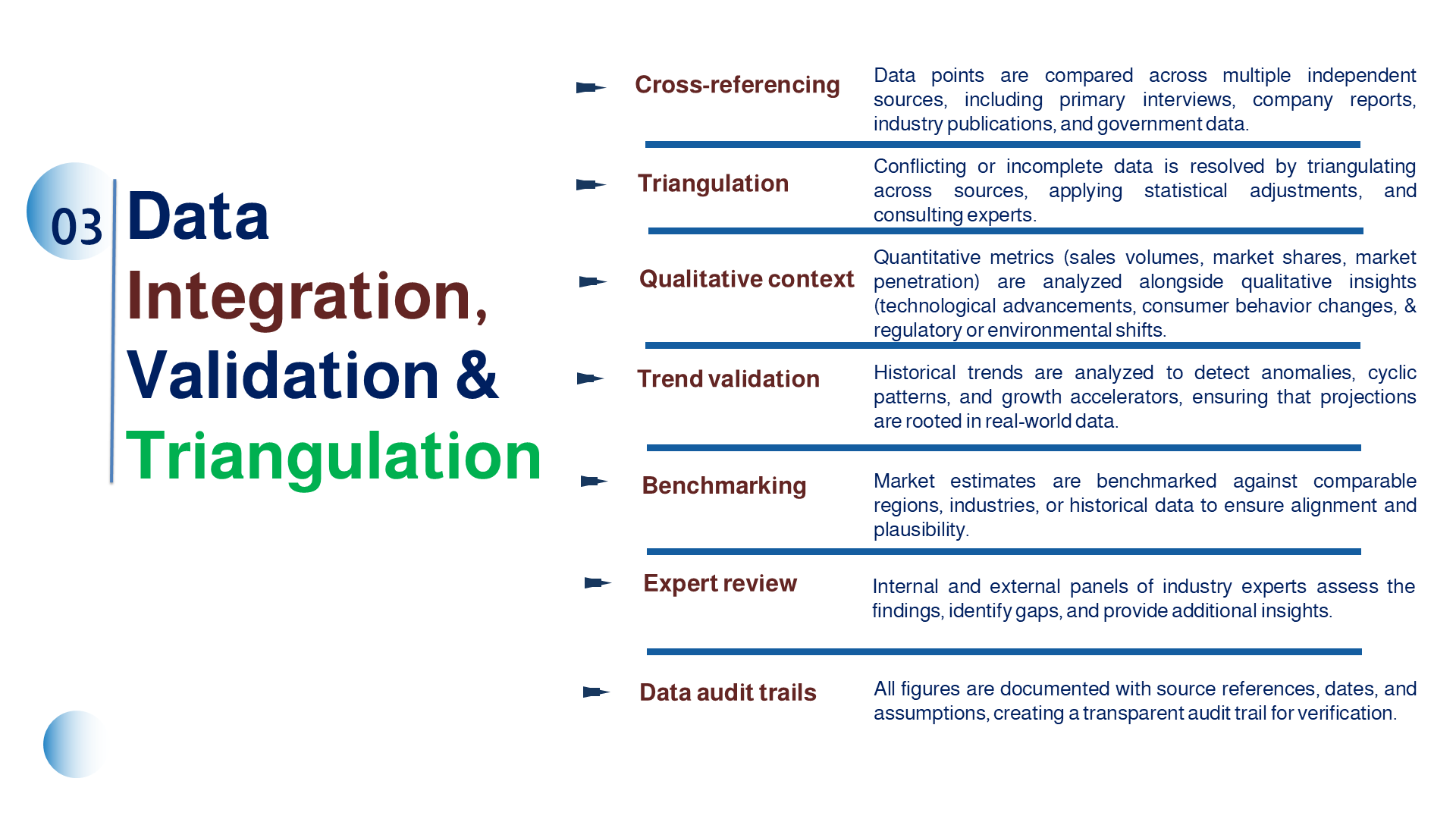
1.3. Information Procurement
1.3.1 Information Analysis
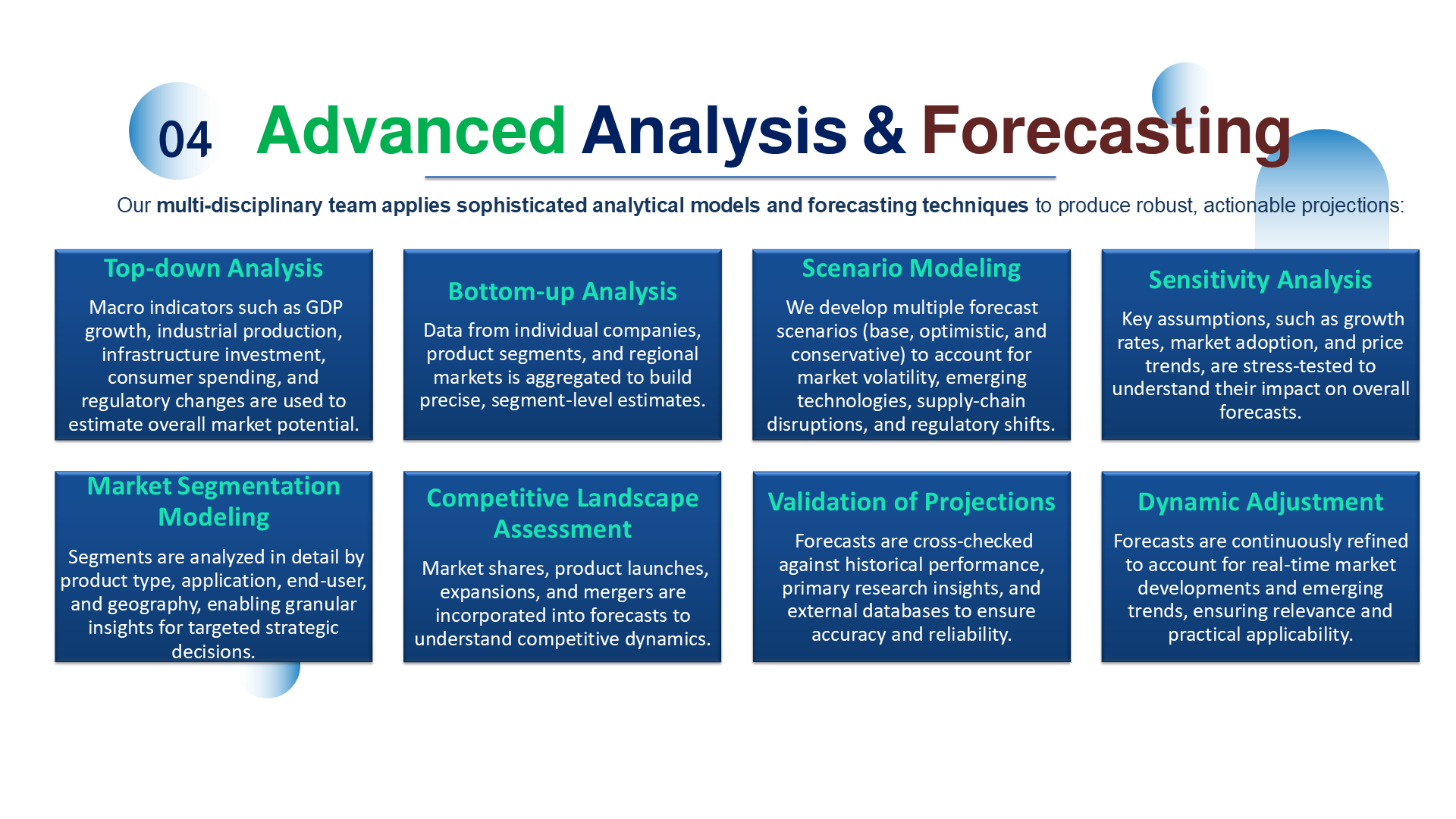
1.3.2 Market Formulation & Data Visualization
1.3.3 Data Validation & Publishing
1.4. Research Scope and Assumptions
1.4.1 List of Data Sources
Chapter 2. EXECUTIVE SUMMARY
2.1. Market Snapshot
2.2. Segmental Outlook
2.3. Competitive Outlook
Chapter 3. MARKET VARIABLES, TRENDS, FRAMEWORK
3.1. Market Lineage Outlook
3.2. Penetration & Growth Prospect Mapping
3.3. Value Chain Analysis
3.4. Regulatory Framework
3.4.1 Standards & Compliance
3.4.2 Regulatory Impact Analysis
3.5. Market Dynamics
3.5.1 Market Drivers
3.5.2 Market Restraints
3.5.3 Market Opportunities
3.5.4 Market Challenges
3.6. Porter's Five Forces Analysis
3.7. PESTLE Analysis
Chapter 4. GLOBAL CELLULAR VEHICLE-TO-EVERYTHING (C-V2X) MARKET: BY COMMUNICATION TYPE 2022-2034 (USD MN)
4.1. Market Analysis, Insights and Forecast Communication Type
4.2. Vehicle-to-Person (V2P) Estimates and Forecasts By Regions 2022-2034 (USD MN)
4.3. Vehicle-to-Infrastructure (V2I) Estimates and Forecasts By Regions 2022-2034 (USD MN)
4.4. Vehicle-to-Network (V2N) Estimates and Forecasts By Regions 2022-2034 (USD MN)
4.5. Vehicle-to-Vehicle (V2V) Estimates and Forecasts By Regions 2022-2034 (USD MN)
Chapter 5. GLOBAL CELLULAR VEHICLE-TO-EVERYTHING (C-V2X) MARKET: BY COMPONENT 2022-2034 (USD MN)
5.1. Market Analysis, Insights and Forecast Component
5.2. Hardware Estimates and Forecasts By Regions 2022-2034 (USD MN)
5.3. Software Estimates and Forecasts By Regions 2022-2034 (USD MN)
Chapter 6. GLOBAL CELLULAR VEHICLE-TO-EVERYTHING (C-V2X) MARKET: BY VEHICLE TYPE 2022-2034 (USD MN)
6.1. Market Analysis, Insights and Forecast Vehicle Type
6.2. Passenger Vehicle Estimates and Forecasts By Regions 2022-2034 (USD MN)
6.3. Commercial Vehicle Estimates and Forecasts By Regions 2022-2034 (USD MN)
Chapter 7. GLOBAL CELLULAR VEHICLE-TO-EVERYTHING (C-V2X) MARKET: BY APPLICATION 2022-2034 (USD MN)
7.1. Market Analysis, Insights and Forecast Application
7.2. Fleet Management Estimates and Forecasts By Regions 2022-2034 (USD MN)
7.3. Autonomous Driving Estimates and Forecasts By Regions 2022-2034 (USD MN)
7.4. Collision Avoidance Estimates and Forecasts By Regions 2022-2034 (USD MN)
7.5. Intelligent Traffic Systems Estimates and Forecasts By Regions 2022-2034 (USD MN)
7.6. Parking Management Systems Estimates and Forecasts By Regions 2022-2034 (USD MN)
7.7. Others Estimates and Forecasts By Regions 2022-2034 (USD MN)
Chapter 8. GLOBAL CELLULAR VEHICLE-TO-EVERYTHING (C-V2X) MARKET: BY REGION 2022-2034 (USD MN)
8.1. Regional Outlook
8.2. North America Market Analysis, Insights and Forecast, 2022-2034 (USD MN)
8.2.1 By Communication Type
8.2.2 By Component
8.2.3 By Vehicle Type
8.2.4 By Application
8.2.5 United States
8.2.6 Canada
8.2.7 Mexico
8.3. Europe Market Analysis, Insights and Forecast, 2022-2034 (USD MN)
8.3.1 By Communication Type
8.3.2 By Component
8.3.3 By Vehicle Type
8.3.4 By Application
8.3.5 United Kingdom
8.3.6 France
8.3.7 Germany
8.3.8 Italy
8.3.9 Spain
8.3.10 Russia
8.3.11 Rest Of Europe
8.4. Asia-Pacific Market Analysis, Insights and Forecast, 2022-2034 (USD MN)
8.4.1 By Communication Type
8.4.2 By Component
8.4.3 By Vehicle Type
8.4.4 By Application
8.4.5 China
8.4.6 Japan
8.4.7 South Korea
8.4.8 India
8.4.9 Australia
8.4.10 South East Asia
8.4.11 Rest Of Asia Pacific
8.5. Latin America Market Analysis, Insights and Forecast, 2022-2034 (USD MN)
8.5.1 By Communication Type
8.5.2 By Component
8.5.3 By Vehicle Type
8.5.4 By Application
8.5.5 Brazil
8.5.6 Argentina
8.5.7 Peru
8.5.8 Chile
8.5.9 Rest of Latin America
8.6. Middle East & Africa Market Analysis, Insights and Forecast, 2022-2034 (USD MN)
8.6.1 By Communication Type
8.6.2 By Component
8.6.3 By Vehicle Type
8.6.4 By Application
8.6.5 Saudi Arabia
8.6.6 UAE
8.6.7 Israel
8.6.8 South Africa
8.6.9 Rest of the Middle East And Africa
Chapter 9. COMPETITIVE LANDSCAPE
9.1. Recent Developments
9.2. Company Categorization
9.3. Supply Chain & Channel Partners (based on availability)
9.4. Market Share & Positioning Analysis (based on availability)
9.5. Vendor Landscape (based on availability)
9.6. Strategy Mapping
Chapter 10. COMPANY PROFILES OF GLOBAL CELLULAR VEHICLE-TO-EVERYTHING (C-V2X) INDUSTRY
10.1. Top Companies Market Share Analysis
10.2. Company Profiles (Overview, Services, Financials (based on availability), Recent Developments,
Strategies, SWOT, Etc.)
10.2.1 AT&T Inc
10.2.2 Commsignia Ltd
10.2.3 Continental AG
10.2.4 DENSO Corporation
10.2.5 Ficosa Internacional S.A
10.2.6 HARMAN International (Savari Inc.)
10.2.7 Huawei Technologies Co. Ltd
10.2.8 Infineon Technologies AG
10.2.9 Intel Corporation
10.2.10 Keysight Technologies
10.2.11 Nokia Corporation
10.2.12 NTT DOCOMO Inc
10.2.13 Qualcomm Technologies Inc. (Autotalks Ltd.)
10.2.14 Quectel Wireless Solutions Co. Ltd
10.2.15 Robert Bosch GmbH
10.2.16 Rohde & Schwarz GmbH & Co. KG
10.2.17 Shenzhen Genvict Technologies Co. Ltd
10.2.18 ZTE Corporation
LIST OF TABLES
- Market Snapshot
- Segment Outlook
- Competitive Outlook
- Market Analysis By Communication Type-2022-2034 (USD MN)
- Vehicle-to-Person (V2P) Market Size By Geography (USD MN)
- Vehicle-to-Infrastructure (V2I) Market Size By Geography (USD MN)
- Vehicle-to-Network (V2N) Market Size By Geography (USD MN)
- Vehicle-to-Vehicle (V2V) Market Size By Geography (USD MN)
- Market Analysis By Component-2022-2034 (USD MN)
- Hardware Market Size By Geography (USD MN)
- Software Market Size By Geography (USD MN)
- Market Analysis By Vehicle Type-2022-2034 (USD MN)
- Passenger Vehicle Market Size By Geography (USD MN)
- Commercial Vehicle Market Size By Geography (USD MN)
- Market Analysis By Application-2022-2034 (USD MN)
- Fleet Management Market Size By Geography (USD MN)
- Autonomous Driving Market Size By Geography (USD MN)
- Collision Avoidance Market Size By Geography (USD MN)
- Intelligent Traffic Systems Market Size By Geography (USD MN)
- Parking Management Systems Market Size By Geography (USD MN)
- Others Market Size By Geography (USD MN)
- Global Cellular Vehicle-to-Everything (C-V2X) Market Sales By Geography-2022-2034 (USD MN)
- North America Market Analysis (USD MN)
- United States Market Analysis (USD MN)
- Canada Market Analysis (USD MN)
- Mexico Market Analysis (USD MN)
- Europe Market Analysis (USD MN)
- United Kingdom Market Analysis (USD MN)
- France Market Analysis (USD MN)
- Germany Market Analysis (USD MN)
- Italy Market Analysis (USD MN)
- Russia Market Analysis (USD MN)
- Spain Market Analysis (USD MN)
- Rest of Europe Market Analysis (USD MN)
- Asia Pacific Market Analysis (USD MN)
- China Market Analysis (USD MN)
- Japan Market Analysis (USD MN)
- India Market Analysis (USD MN)
- South Korea Market Analysis (USD MN)
- Australia Market Analysis (USD MN)
- South East Asia Market Analysis (USD MN)
- Rest of Asia Pacific Market Analysis (USD MN)
- Latin America Market Analysis (USD MN)
- Brazil Market Analysis (USD MN)
- Argentina Market Analysis (USD MN)
- Peru Market Analysis (USD MN)
- Chile Market Analysis (USD MN)
- Rest of Latin America Market Analysis (USD MN)
- Middle East & Africa Market Analysis (USD MN)
- Saudi Arabia Market Analysis (USD MN)
- UAE Market Analysis (USD MN)
- Israel Market Analysis (USD MN)
- South Africa Market Analysis (USD MN)
- Rest of Middle East and Africa Market Analysis (USD MN)
- Partnership/Collaboration/Agreement
- Mergers And Acquisition
LIST OF FIGURES
- Research Scope of Global Cellular Vehicle-to-Everything (C-V2X) Report
- Market Research Process
- Market Research Methodology
- Global Cellular Vehicle-to-Everything (C-V2X) Market Size, By Regions (USD MN)
- Porters Five Forces Analysis
- PESTLE Analysis
- Market Attractiveness Analysis
- Value Chain Analysis
- Global Market Analysis By Communication Type-2022-2034(USD MN)
- Vehicle-to-Person (V2P) Market Sales By Geography (USD MN)
- Vehicle-to-Infrastructure (V2I) Market Sales By Geography (USD MN)
- Vehicle-to-Network (V2N) Market Sales By Geography (USD MN)
- Vehicle-to-Vehicle (V2V) Market Sales By Geography (USD MN)
- Global Market Analysis By Component-2022-2034(USD MN)
- Hardware Market Sales By Geography (USD MN)
- Software Market Sales By Geography (USD MN)
- Global Market Analysis By Vehicle Type-2022-2034(USD MN)
- Passenger Vehicle Market Sales By Geography (USD MN)
- Commercial Vehicle Market Sales By Geography (USD MN)
- Global Market Analysis By Application-2022-2034(USD MN)
- Fleet Management Market Sales By Geography (USD MN)
- Autonomous Driving Market Sales By Geography (USD MN)
- Collision Avoidance Market Sales By Geography (USD MN)
- Intelligent Traffic Systems Market Sales By Geography (USD MN)
- Parking Management Systems Market Sales By Geography (USD MN)
- Others Market Sales By Geography (USD MN)
- Global Market Sales-2022-2034 (USD MN)
- North America Market Sales-2022-2034 (USD MN)
- Europe Market Sales-2022-2034 (USD MN)
- Asia Pacific Market Sales-2022-2034 (USD MN)
- Latin America Market Sales-2022-2034 (USD MN)
- Middle East & Africa Market Sales-2022-2034 (USD MN)
- Recent Development in Industry
- Top Company Market Share Analysis






Frequently Asked Questions (FAQs) about this Report
How big is the Global Cellular Vehicle-to-Everything (C-V2X) market?
What is the Global Cellular Vehicle-to-Everything (C-V2X) market growth?
Which region holds the highest share in the Global Cellular Vehicle-to-Everything (C-V2X) market?
How is the Global Cellular Vehicle-to-Everything (C-V2X) market segmented in the report?
Which communication type is projected to lead the cellular vehicle-to-everything (C-V2X) market?
What are the factors driving the cellular vehicle-to-everything (C-V2X) market?
Who are the key players in the Global Cellular Vehicle-to-Everything (C-V2X) market?