
Global Building And Construction Sealants Market Size, Share, Trends & Growth Analysis Report Segmented By Resin Type (Silicone, Polyurethane, Plastisol, Emulsion, Polysulfide, Butyl-based), Technology, Application, Function, End-use, Distribution Channel, And Regions (North America, Europe, Asia-Pacific, Latin America, Middle East and Africa), 2026-2034
The Construction Sealants Market size was valued at USD 12.49 Billion in 2025. It is projected to grow from USD 13.31 Billion in 2026 to USD 22.12 Billion by 2034, at a CAGR of 6.56% during the forecast period.
The Building and Construction Sealants market is experiencing significant growth, driven by a multitude of factors that underscore the increasing demand for effective sealing solutions in various construction applications. One of the primary market drivers is the rapid urbanization and infrastructure development occurring globally. As cities expand and new buildings are constructed, the need for high-performance sealants that can withstand environmental stressors and provide durability becomes paramount. Furthermore, the growing emphasis on energy efficiency in buildings has led to an increased adoption of sealants that enhance insulation and reduce energy consumption, thereby contributing to sustainability goals. Opportunities in the market are abundant, especially as sustainable construction gains prominence. Increasing demand for low volatile organic compound (VOC) sealants, driven by tighter environmental policies and green building initiatives, offers manufacturers a platform to innovate environmentally friendly products aligned with global sustainability goals. Additionally, expansion in emerging markets, supported by rapid industrialization and infrastructure investments, opens new avenues for adoption of advanced sealant solutions.
Another critical driver is the rising awareness regarding the importance of building safety and compliance with stringent regulations. Governments and regulatory bodies are increasingly mandating the use of high-quality sealants to ensure structural integrity and safety in construction projects. This trend is further bolstered by the increasing focus on renovation and refurbishment of existing structures, which often necessitates the use of advanced sealants to address issues such as air and water leakage. The market is also witnessing opportunities arising from technological advancements, with innovations in sealant formulations leading to improved performance characteristics, such as faster curing times and enhanced adhesion properties. These factors collectively position the Building and Construction Sealants market for robust growth in the coming years.
Market Dynamics
Building And Construction Sealants Market Drivers
- Increased Urbanization and Infrastructure Development: The global trend of urbanization is a significant driver for the Building and Construction Sealants market. According to the United Nations, by 2050, approximately 68% of the world’s population is expected to live in urban areas, up from 55% in 2018. This shift necessitates the construction of new residential and commercial buildings, which in turn drives the demand for sealants that ensure structural integrity and energy efficiency. The construction sector is increasingly adopting advanced sealant technologies to meet the growing needs of urban infrastructure, thereby propelling market growth.
- Regulatory Compliance and Safety Standards: The construction industry is subject to stringent regulations aimed at ensuring safety and quality. Regulatory bodies, such as the Occupational Safety and Health Administration (OSHA) in the United States, enforce standards that require the use of high-quality sealants to prevent issues like water intrusion and air leakage. Compliance with these regulations not only enhances building safety but also increases the demand for specialized sealants that meet these standards. As governments worldwide continue to tighten regulations, the need for compliant sealants will further drive market growth.
- Technological Advancements in Sealant Formulations: The development of innovative sealant formulations is transforming the Building and Construction Sealants market. Recent advancements have led to the creation of sealants with superior adhesion, flexibility, and durability. For instance, the introduction of hybrid sealants that combine the properties of silicone and polyurethane is gaining traction due to their enhanced performance in various applications. According to the American Institute of Architects, the demand for high-performance sealants is expected to rise as architects and builders seek solutions that offer long-lasting protection against environmental factors.
- Growing Focus on Energy Efficiency: The increasing emphasis on energy efficiency in buildings is a significant driver for the Building and Construction Sealants market. The U.S. Department of Energy reports that buildings account for approximately 40% of the total energy consumption in the country. As a result, there is a growing demand for sealants that improve insulation and reduce energy loss. The adoption of energy-efficient building practices, including the use of advanced sealants, is expected to continue to rise, further propelling market growth.
Building And Construction Sealants Market Opportunities
- Sustainable Construction Practices: The shift towards sustainable construction practices presents a significant opportunity for the Building and Construction Sealants market. As more builders and architects prioritize eco-friendly materials and methods, the demand for sealants that are low in volatile organic compounds (VOCs) and made from renewable resources is increasing. The U.S. Green Building Council reports that green building construction is expected to grow by 15% annually, creating a substantial market for sustainable sealants that align with these practices.
- Expansion in Emerging Markets: Emerging markets, particularly in Asia-Pacific and Latin America, offer lucrative opportunities for the Building and Construction Sealants market. Rapid urbanization, coupled with increasing disposable incomes, is driving the demand for residential and commercial construction in these regions. According to the World Bank, the construction sector in emerging economies is projected to grow significantly, leading to an increased need for high-quality sealants that can withstand diverse environmental conditions.
- Technological Innovations: Continuous advancements in sealant technology present opportunities for market players to develop innovative products that cater to specific customer needs. The introduction of smart sealants that can change properties based on environmental conditions is gaining traction. These innovations not only enhance performance but also provide added value to consumers, thereby creating opportunities for manufacturers to differentiate their products in a competitive market.
- Renovation and Retrofitting Projects: The growing trend of renovation and retrofitting existing buildings is another opportunity for the Building and Construction Sealants market. As older structures require upgrades to meet modern safety and energy efficiency standards, the demand for high-performance sealants is expected to rise. The National Association of Home Builders indicates that renovation spending is projected to increase, driven by homeowners seeking to improve energy efficiency and aesthetics. This trend creates a substantial market for sealants that can effectively address the unique challenges associated with older buildings, such as air and moisture infiltration.
Building And Construction Sealants Market Restrain & Challenges
- Raw Material Price Volatility: The Building and Construction Sealants market faces challenges due to the volatility in raw material prices. Fluctuations in the costs of key ingredients, such as silicones and polyurethanes, can significantly impact production costs. According to the U.S. Bureau of Labor Statistics, the prices of chemical raw materials have seen considerable increases, which can lead to higher prices for end products. This volatility may deter manufacturers from investing in new product development or expanding production capacities.
- Environmental Regulations: While regulatory compliance can drive demand for high-quality sealants, stringent environmental regulations can also pose challenges. Manufacturers must navigate complex regulations regarding the use of certain chemicals and emissions standards. The Environmental Protection Agency (EPA) has implemented strict guidelines on VOC emissions, which can limit the types of sealants that can be produced. Compliance with these regulations often requires significant investment in research and development, which can strain resources for smaller companies.
- Competition from Alternative Products: The Building and Construction Sealants market is increasingly facing competition from alternative products, such as adhesives and tapes that offer similar functionalities. These alternatives may be perceived as more cost-effective or easier to apply, particularly in DIY applications. The rise of these competing products can limit market growth for traditional sealants, as consumers may opt for alternatives that promise similar performance with less complexity.
- Market Saturation in Developed Regions: In developed regions, the Building and Construction Sealants market is approaching saturation, particularly in mature markets like North America and Europe. The high level of competition and the presence of established players can make it challenging for new entrants to gain market share. Additionally, the slow growth rate in these regions may limit opportunities for expansion, pushing companies to seek growth in emerging markets where demand is more robust.
Current Trends in the Building And Construction Sealants Market
- Smart Sealant Technologies: The emergence of smart sealant technologies is revolutionizing the Building and Construction Sealants market. These innovative products are designed to respond to environmental changes, such as temperature and humidity, enhancing their performance and longevity. For instance, smart sealants can expand or contract based on temperature fluctuations, providing better sealing capabilities. The integration of sensors in sealants to monitor their condition and performance is also gaining traction, offering builders and homeowners real-time data on the integrity of their structures.
- Eco-Friendly Sealants: The trend towards sustainability is driving the development of eco-friendly sealants. Manufacturers are increasingly focusing on creating products that are low in VOCs and made from renewable resources. The growing consumer demand for green building materials is prompting companies to innovate and offer sealants that meet environmental standards. According to the Green Building Council, the market for eco-friendly construction materials is expected to grow significantly, providing opportunities for sealant manufacturers to align with this trend.
- Increased Use of Hybrid Sealants: Hybrid sealants, which combine the properties of different materials, are becoming increasingly popular in the construction industry. These sealants offer enhanced performance characteristics, such as improved adhesion and flexibility, making them suitable for a wide range of applications. The versatility of hybrid sealants allows them to be used in various environments, from residential to industrial settings, thereby expanding their market appeal.
- Focus on Energy Efficiency: The ongoing emphasis on energy efficiency in construction is shaping the development of sealants. As building codes become more stringent regarding energy consumption, the demand for sealants that improve insulation and reduce energy loss is rising. Manufacturers are responding by developing advanced sealants that not only provide effective sealing but also contribute to overall energy efficiency in buildings. The U.S. Department of Energy's initiatives to promote energy-efficient building practices are further driving this trend, encouraging the adoption of high-performance sealants.
Segmentation Insights
Building And Construction Sealants Market Analysis, By Resin Type
By Resin Type, the market is categorized into Silicone, Polyurethane, Plastisol, Emulsion, Polysulfide, and Butyl-based sealants.
- Silicone sealants represent the largest segment in the Building and Construction Sealants market due to their exceptional flexibility, durability, and resistance to extreme weather conditions. These properties make silicone sealants ideal for a variety of applications, including glazing, sealing joints, and waterproofing. Their ability to maintain performance over a wide temperature range and resist UV degradation further enhances their appeal in both residential and commercial construction. The versatility of silicone sealants allows them to be used in diverse environments, from high-rise buildings to residential homes, solidifying their position as the preferred choice among builders and contractors.
- Polyurethane sealants are recognized as the fastest-growing segment in the market, primarily due to their superior adhesion and elasticity. These sealants are particularly favored in applications requiring strong bonding and flexibility, such as in construction joints and flooring. The increasing demand for high-performance sealants that can withstand movement and stress in structures is driving the growth of polyurethane sealants. Additionally, their compatibility with various substrates and ability to cure in moist conditions make them suitable for a wide range of construction projects. As the construction industry continues to evolve, the demand for polyurethane sealants is expected to rise, positioning them as a key player in the market.
Building And Construction Sealants Market Analysis, By Technology
By Technology Type, the market is categorized into Water-based, Solvent-based, Reactive, and Others.
- Water-based sealants dominate the market as the largest segment due to their eco-friendliness and ease of application. These sealants are favored for their low VOC content, making them a preferred choice for environmentally conscious builders and consumers. Their quick drying times and ease of cleanup further enhance their usability in various construction applications. As regulations regarding environmental impact become more stringent, the demand for water-based sealants is expected to grow, solidifying their position in the market.
- Reactive sealants are emerging as the fastest-growing segment, driven by their unique properties that allow them to cure upon exposure to moisture or other specific conditions. This technology offers advantages such as superior adhesion and durability, making reactive sealants ideal for demanding applications in construction. The increasing focus on high-performance materials that can withstand harsh environmental conditions is propelling the growth of reactive sealants. As builders seek innovative solutions to enhance the longevity and performance of their structures, the demand for reactive sealants is anticipated to rise significantly.
Building And Construction Sealants Market Analysis, By Application
By Application Type, the market is categorized into Flooring, Packaging, Food & Beverages, Construction, Automotive, and Others.
- The Construction segment is the largest application area for Building and Construction Sealants, driven by the extensive use of sealants in various construction processes, including sealing joints, waterproofing, and insulating. The construction industry’s continuous growth, fueled by urbanization and infrastructure development, significantly contributes to the demand for sealants. As builders increasingly prioritize energy efficiency and sustainability, the need for high-quality sealants that enhance building performance is expected to drive further growth in this segment.
- The Automotive application segment is recognized as the fastest-growing area, primarily due to the rising demand for lightweight and fuel-efficient vehicles. Sealants play a crucial role in automotive manufacturing, providing essential bonding and sealing solutions that enhance vehicle performance and durability. The automotive industry's shift towards electric and hybrid vehicles is also driving the need for advanced sealants that can withstand varying environmental conditions. As the automotive sector continues to innovate and evolve, the demand for specialized sealants is projected to increase, positioning this segment for significant growth.
Building And Construction Sealants Market Analysis, By Function
By Function Type, the market is categorized into Bonding, Protection, Insulation, Glazing, Soundproofing, and Cable Management.
- The Bonding function is the largest segment in the Building and Construction Sealants market, as it encompasses a wide range of applications across various industries. Sealants that provide strong bonding capabilities are essential in construction, automotive, and manufacturing sectors, where structural integrity is paramount. The increasing complexity of construction projects and the need for reliable bonding solutions are driving the demand for sealants that excel in this function. As construction practices evolve, the bonding segment is expected to maintain its leading position in the market.
- The Insulation function is identified as the fastest-growing segment, driven by the rising emphasis on energy efficiency in buildings. Insulation sealants are critical in reducing energy loss and enhancing thermal performance, making them essential in modern construction practices. With governments and regulatory bodies promoting energy-efficient building standards, the demand for insulation sealants is on the rise. As builders and homeowners seek solutions that contribute to energy savings and sustainability, the insulation segment is poised for significant growth in the coming years.
Building And Construction Sealants Market Analysis, By End-use
By End-use Type, the market is categorized into Residential, Industrial, and Commercial.
- The Residential segment is the largest in the Building and Construction Sealants market, driven by the continuous demand for housing and home improvement projects. As more individuals invest in residential properties, the need for effective sealing solutions to ensure energy efficiency and structural integrity becomes increasingly important. The trend towards DIY home renovations further fuels the demand for sealants, as homeowners seek to enhance their living spaces. Additionally, the growing awareness of energy conservation and sustainability in residential construction is leading to an increased adoption of high-performance sealants, solidifying the residential segment's dominance in the market.
- The Industrial segment is recognized as the fastest-growing area, primarily due to the expansion of manufacturing and industrial facilities. As industries seek to improve operational efficiency and reduce maintenance costs, the demand for advanced sealants that provide superior bonding and protection is on the rise. The increasing focus on automation and technological advancements in industrial processes is also driving the need for specialized sealants that can withstand harsh conditions and provide long-lasting performance. As industrial activities continue to grow, the demand for sealants in this segment is expected to increase significantly, positioning it for robust growth in the coming years.
Building And Construction Sealants Market Analysis, By Distribution Channel
By Distribution Channel Type, the market is categorized into Direct and Third-party.
- The Direct Distribution channel is the largest segment in the Building and Construction Sealants market, as manufacturers often prefer to sell their products directly to large construction firms and contractors. This approach allows for better control over pricing, product availability, and customer relationships. Direct sales also enable manufacturers to provide tailored solutions and technical support to their clients, enhancing customer satisfaction and loyalty. As the construction industry continues to grow, the direct distribution channel is expected to maintain its leading position, driven by the need for reliable and efficient supply chains.
- The Third Party distribution channel is identified as the fastest-growing segment, primarily due to the increasing number of retail outlets and online platforms that offer sealants to consumers and small contractors. The convenience of purchasing sealants through various channels, including home improvement stores and e-commerce platforms, is driving the growth of this segment. As consumers become more aware of the importance of high-quality sealants for their projects, the demand for accessible distribution options is expected to rise. This trend is further supported by the growing DIY market, where consumers seek easy access to sealing solutions for home improvement projects.
Building And Construction Sealants Market Regional Insights
The market has been geographically analysed across five regions, Europe, North America, Asia Pacific, Latin America, and the Middle East & Africa.
- North America is recognized as the largest region in the Building and Construction Sealants market, primarily due to the robust construction industry and stringent building codes that emphasize safety and energy efficiency. The region's advanced infrastructure and high levels of urbanization contribute to a consistent demand for high-performance sealants. Additionally, the presence of key manufacturers and a strong focus on innovation in sealant technologies further solidify North America's leading position. The increasing trend towards sustainable building practices and energy-efficient solutions is also driving the growth of the sealants market in this region.
- Asia-Pacific is identified as the fastest-growing region, fueled by rapid urbanization and significant investments in infrastructure development. Countries like China and India are experiencing a construction boom, leading to a heightened demand for sealants that can meet the diverse needs of various applications. The region's growing middle class and increasing disposable incomes are driving residential and commercial construction projects, further propelling the demand for high-quality sealants. As governments in Asia-Pacific continue to invest in infrastructure and housing, the market for Building and Construction Sealants is expected to expand rapidly, positioning the region for substantial growth in the coming years.
Building And Construction Sealants Market Competitive Overview
The Building and Construction Sealants market is characterized by a competitive landscape with numerous players striving to gain market share through innovation, product development, and strategic partnerships. Companies are increasingly focusing on enhancing their product offerings to meet the evolving needs of consumers and comply with stringent regulations. The competitive dynamics are influenced by factors such as technological advancements, pricing strategies, and the ability to provide customized solutions to clients.
Key players in the market are investing heavily in research and development to create advanced sealant formulations that offer superior performance characteristics, such as improved adhesion, flexibility, and durability. Additionally, companies are exploring collaborations and partnerships to expand their distribution networks and enhance their market presence. The emphasis on sustainability is also shaping competitive strategies, with manufacturers developing eco-friendly sealants that align with the growing demand for green building materials. As the market continues to evolve, companies are expected to adopt innovative marketing strategies to differentiate their products and capture the attention of consumers. The focus on customer education and awareness regarding the benefits of high-quality sealants is becoming increasingly important in driving sales and fostering brand loyalty. Overall, the competitive landscape of the Building and Construction Sealants market is dynamic, with players continuously adapting to market trends and consumer preferences to maintain their competitive edge.
Leading Market Players in the Building And Construction Sealants Market
- Sika AG: Sika AG is a global leader in specialty chemicals and construction materials, renowned for its innovative sealant solutions. The company focuses on developing high-performance sealants that cater to various applications, including construction, automotive, and industrial sectors. Sika's commitment to sustainability drives its product development, with a strong emphasis on eco-friendly formulations that meet stringent environmental standards. The company's extensive research and development efforts enable it to introduce cutting-edge technologies that enhance the performance and durability of its sealants, positioning Sika as a trusted partner in the construction industry.
- 3M: 3M is a diversified technology company known for its innovative products across multiple industries, including construction. The company's sealants are designed to provide superior bonding and sealing solutions, ensuring structural integrity and energy efficiency in buildings. 3M's focus on research and development allows it to continuously improve its sealant formulations, incorporating advanced technologies that enhance performance. The company's commitment to sustainability is evident in its efforts to develop low-VOC and environmentally friendly sealants, aligning with the growing demand for green building materials. 3M's strong brand reputation and extensive distribution network further solidify its position in the Building and Construction Sealants market.
- Dow Corning: Dow Corning, a subsidiary of Dow, specializes in silicone-based products, including high-performance sealants for the construction industry. The company is recognized for its innovative approach to sealant technology, offering solutions that provide exceptional durability, flexibility, and resistance to environmental stressors. Dow Corning's commitment to sustainability drives its product development, with a focus on creating sealants that minimize environmental impact while delivering superior performance. The company's extensive expertise in silicone chemistry enables it to develop specialized sealants for various applications, making it a key player in the Building and Construction Sealants market.
Top Strategies Followed by Players
- Innovation in Product Development: Leading companies in the Building and Construction Sealants market are prioritizing innovation as a core strategy to maintain competitive advantage. By investing in research and development, these players are able to create advanced sealant formulations that meet the evolving needs of the construction industry. For instance, the introduction of hybrid sealants that combine the benefits of different materials is gaining traction. This innovation not only enhances performance characteristics, such as adhesion and flexibility, but also allows manufacturers to cater to a wider range of applications. Companies are also focusing on developing eco-friendly sealants that comply with stringent environmental regulations, thereby appealing to the growing market for sustainable construction materials. This commitment to innovation positions these players as leaders in a rapidly changing market landscape.
- Strategic Partnerships and Collaborations: Forming strategic partnerships and collaborations is another key strategy employed by market players to enhance their market presence and expand their distribution networks. By collaborating with construction firms, architects, and distributors, companies can gain valuable insights into market trends and customer preferences. These partnerships enable manufacturers to tailor their products to meet specific project requirements, thereby increasing customer satisfaction. Additionally, alliances with research institutions can facilitate the development of cutting-edge technologies and innovative sealant solutions. This collaborative approach not only strengthens the competitive position of these companies but also fosters a culture of innovation and responsiveness to market demands.
- Focus on Sustainability and Eco-Friendly Solutions: As sustainability becomes a critical consideration in the construction industry, leading players are adopting strategies that emphasize the development of eco-friendly sealants. Companies are increasingly investing in the formulation of low-VOC and environmentally friendly products that align with green building practices. This focus on sustainability not only meets regulatory requirements but also addresses the growing consumer demand for environmentally responsible construction materials. By positioning themselves as champions of sustainability, these companies can differentiate their products in a crowded market and attract environmentally conscious customers. Furthermore, this strategy enhances brand reputation and fosters long-term customer loyalty.
- Expansion into Emerging Markets: To capitalize on the growth potential in emerging markets, key players are strategically expanding their operations and distribution channels in regions such as Asia-Pacific and Latin America. These markets are experiencing rapid urbanization and infrastructure development, leading to increased demand for high-quality sealants. By establishing a strong presence in these regions, companies can tap into new customer bases and drive revenue growth. This expansion often involves adapting product offerings to meet local preferences and regulatory requirements, ensuring that companies remain competitive in diverse markets. As emerging economies continue to invest in construction and infrastructure, this strategy positions players for sustained growth and success in the Building and Construction Sealants market.
List of Companies Profiled in the Report are:
- Sika AG
- 3M
- Dow Corning
- H.B Fuller
- BASF SE
- Henkel AG & Co. KGaA
- Bostik SA
- Wacker Chemie AG
- Pidilite Industries Limited
- Pecora Corporation.
List of Segments Covered
This section of the Building and Construction Sealants market report provides detailed data on the segments at country and regional level, thereby assisting the strategist in identifying the target demographics for the respective product or services with the upcoming opportunities.
By Resin Type
- Silicone
- Polyurethane
- Plastisol
- Emulsion
- Polysulfide
- Butyl-based
By Technology
- Water-based
- Solvent-based
- Reactive
- Others
By Application
- Flooring
- Packaging
- Food & Beverages
- Construction
- Automotive
- Others
By Function
- Bonding
- Protection
- Insulation
- Glazing
- Soundproofing
- Cable Management
By End-use
- Residential
- Industrial
- Commercial
By Distribution Channel
- Direct
- Third-party
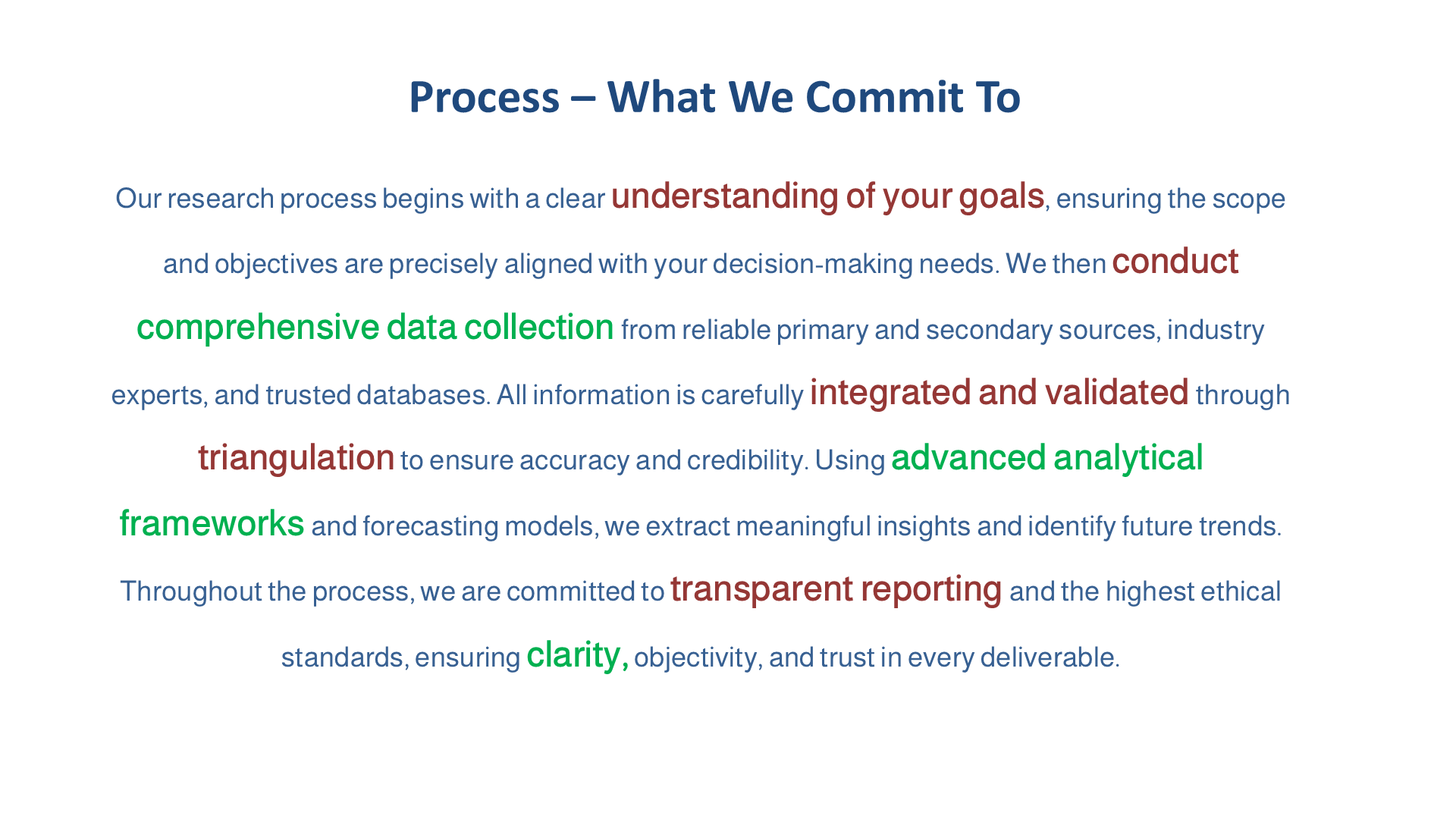
1.1. Market Segmentation & Scope
1.2. Market Definition
1.3. Information Procurement
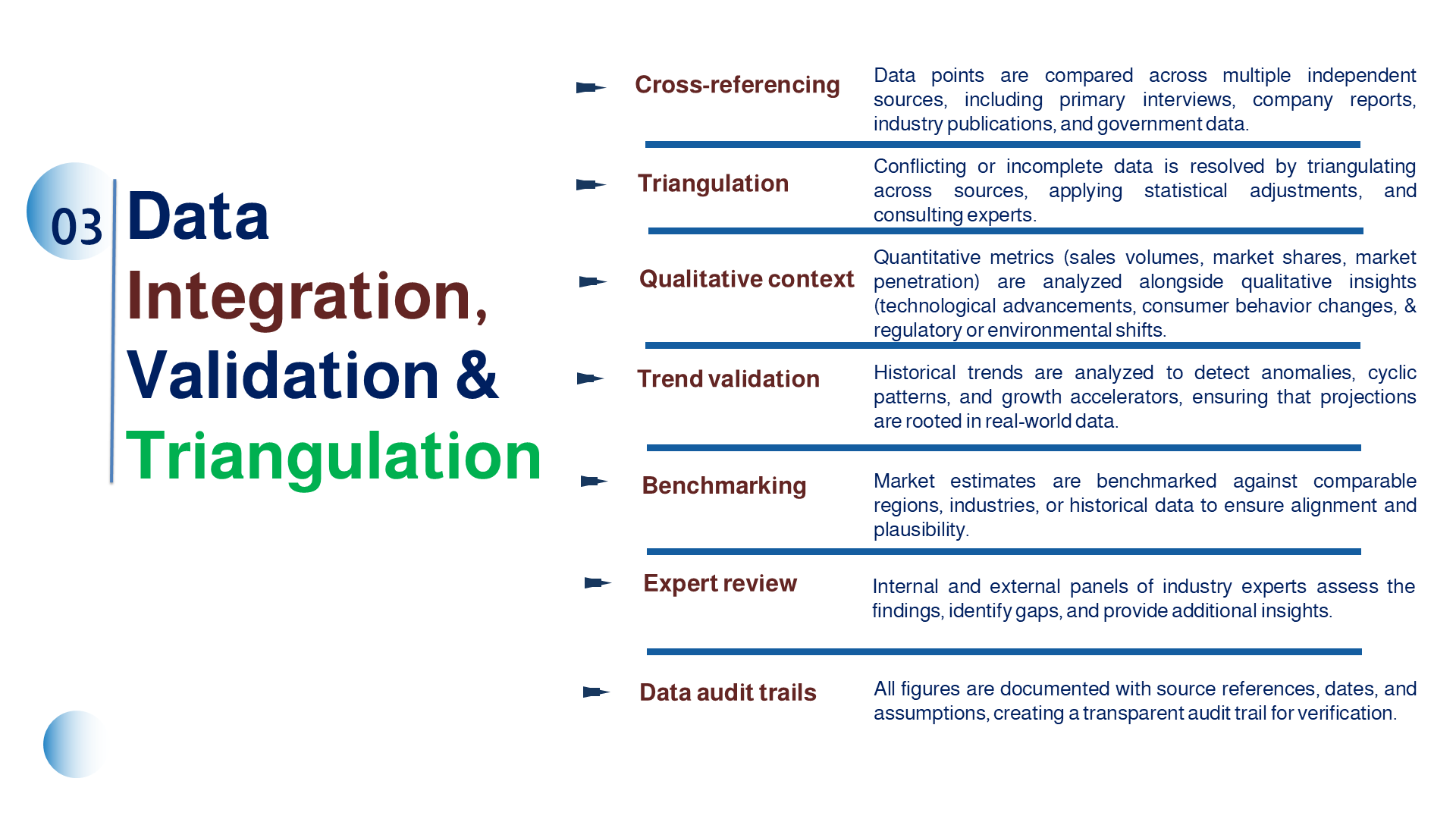
1.3.1 Information Analysis
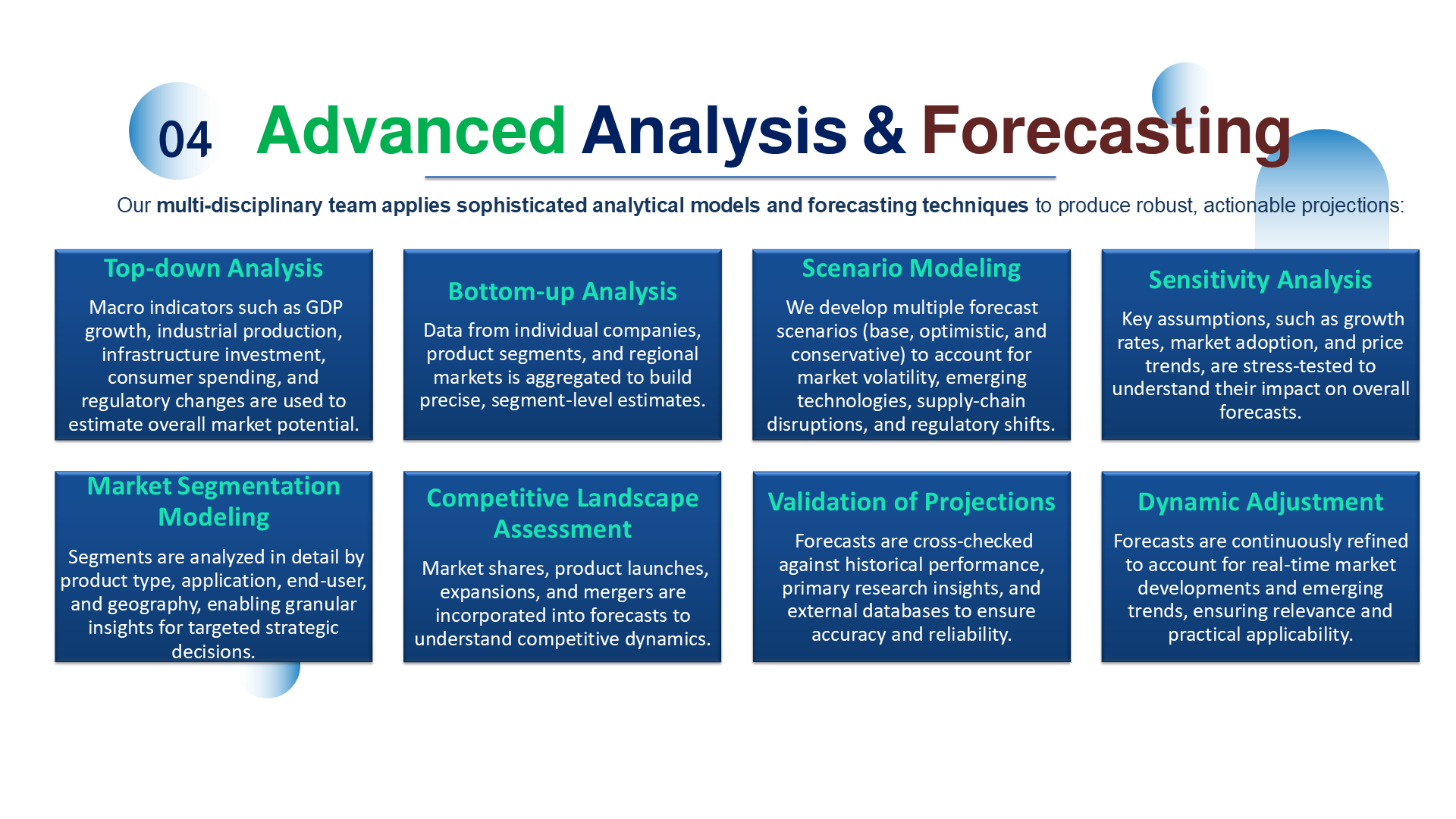
1.3.2 Market Formulation & Data Visualization
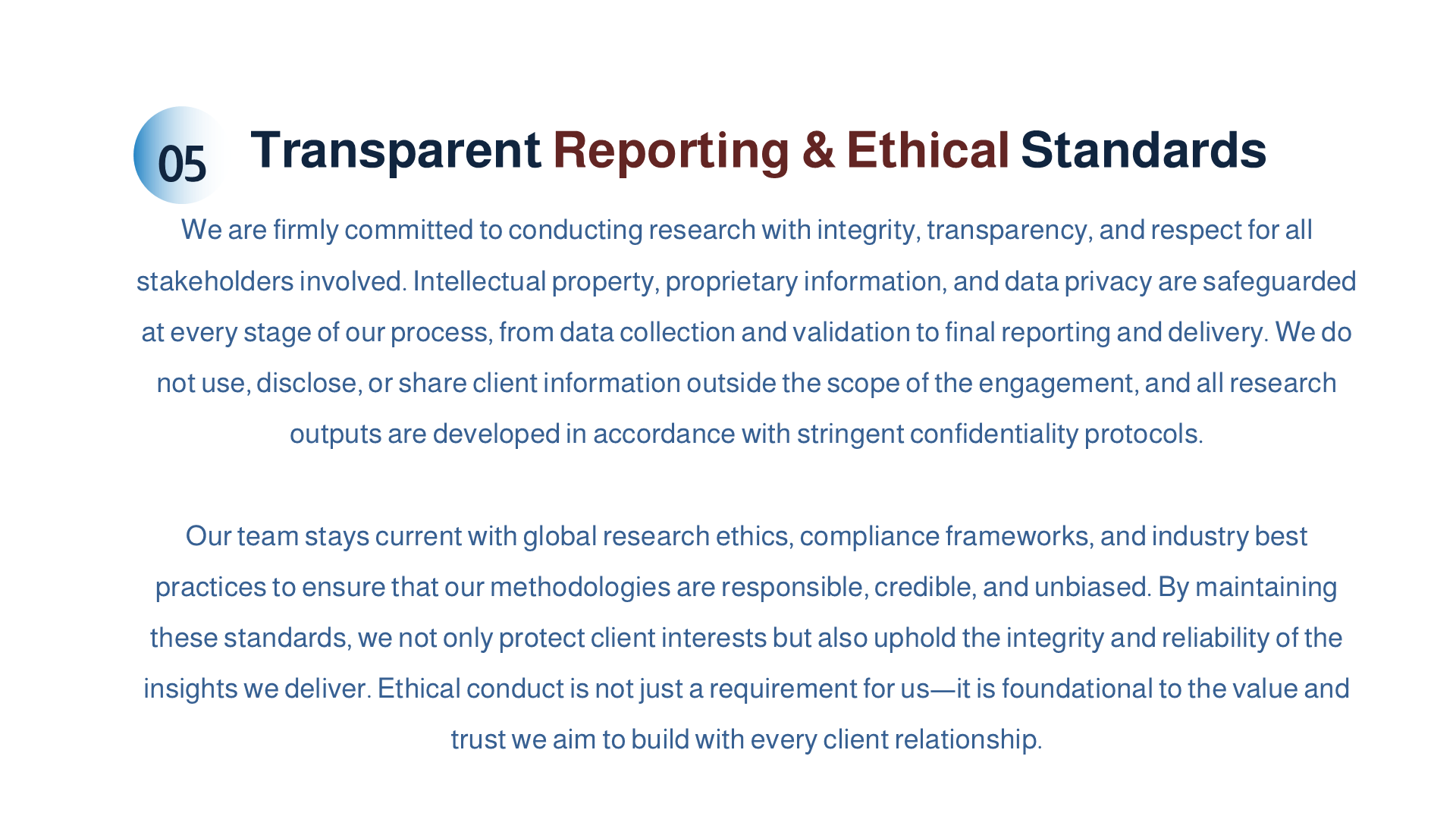
1.3.3 Data Validation & Publishing
1.4. Research Scope and Assumptions
1.4.1 List of Data Sources
Chapter 2. EXECUTIVE SUMMARY
2.1. Market Snapshot
2.2. Segmental Outlook
2.3. Competitive Outlook
Chapter 3. MARKET VARIABLES, TRENDS, FRAMEWORK
3.1. Market Lineage Outlook
3.2. Penetration & Growth Prospect Mapping
3.3. Value Chain Analysis
3.4. Regulatory Framework
3.4.1 Standards & Compliance
3.4.2 Regulatory Impact Analysis
3.5. Market Dynamics
3.5.1 Market Drivers
3.5.2 Market Restraints
3.5.3 Market Opportunities
3.5.4 Market Challenges
3.6. Porter's Five Forces Analysis
3.7. PESTLE Analysis
Chapter 4. GLOBAL BUILDING AND CONSTRUCTION SEALANTS MARKET: BY RESIN TYPE 2022-2034 (USD MN and Tons)
4.1. Market Analysis, Insights and Forecast Resin Type
4.2. Silicone Estimates and Forecasts By Regions 2022-2034 (USD MN and Tons)
4.3. Polyurethane Estimates and Forecasts By Regions 2022-2034 (USD MN and Tons)
4.4. Plastisol Estimates and Forecasts By Regions 2022-2034 (USD MN and Tons)
4.5. Emulsion Estimates and Forecasts By Regions 2022-2034 (USD MN and Tons)
4.6. Polysulfide Estimates and Forecasts By Regions 2022-2034 (USD MN and Tons)
4.7. Butyl-based Estimates and Forecasts By Regions 2022-2034 (USD MN and Tons)
Chapter 5. GLOBAL BUILDING AND CONSTRUCTION SEALANTS MARKET: BY TECHNOLOGY 2022-2034 (USD MN and Tons)
5.1. Market Analysis, Insights and Forecast Technology
5.2. Water-based Estimates and Forecasts By Regions 2022-2034 (USD MN and Tons)
5.3. Solvent-based Estimates and Forecasts By Regions 2022-2034 (USD MN and Tons)
5.4. Reactive Estimates and Forecasts By Regions 2022-2034 (USD MN and Tons)
5.5. Others Estimates and Forecasts By Regions 2022-2034 (USD MN and Tons)
Chapter 6. GLOBAL BUILDING AND CONSTRUCTION SEALANTS MARKET: BY APPLICATION 2022-2034 (USD MN and Tons)
6.1. Market Analysis, Insights and Forecast Application
6.2. Flooring Estimates and Forecasts By Regions 2022-2034 (USD MN and Tons)
6.3. Packaging Estimates and Forecasts By Regions 2022-2034 (USD MN and Tons)
6.4. Food & Beverages Estimates and Forecasts By Regions 2022-2034 (USD MN and Tons)
6.5. Construction Estimates and Forecasts By Regions 2022-2034 (USD MN and Tons)
6.6. Automotive Estimates and Forecasts By Regions 2022-2034 (USD MN and Tons)
6.7. Others Estimates and Forecasts By Regions 2022-2034 (USD MN and Tons)
Chapter 7. GLOBAL BUILDING AND CONSTRUCTION SEALANTS MARKET: BY FUNCTION 2022-2034 (USD MN and Tons)
7.1. Market Analysis, Insights and Forecast Function
7.2. Bonding Estimates and Forecasts By Regions 2022-2034 (USD MN and Tons)
7.3. Protection Estimates and Forecasts By Regions 2022-2034 (USD MN and Tons)
7.4. Insulation Estimates and Forecasts By Regions 2022-2034 (USD MN and Tons)
7.5. Glazing Estimates and Forecasts By Regions 2022-2034 (USD MN and Tons)
7.6. Soundproofing Estimates and Forecasts By Regions 2022-2034 (USD MN and Tons)
7.7. Cable Management Estimates and Forecasts By Regions 2022-2034 (USD MN and Tons)
Chapter 8. GLOBAL BUILDING AND CONSTRUCTION SEALANTS MARKET: BY END-USE 2022-2034 (USD MN and Tons)
8.1. Market Analysis, Insights and Forecast End-use
8.2. Residential Estimates and Forecasts By Regions 2022-2034 (USD MN and Tons)
8.3. Industrial Estimates and Forecasts By Regions 2022-2034 (USD MN and Tons)
8.4. Commercial Estimates and Forecasts By Regions 2022-2034 (USD MN and Tons)
Chapter 9. GLOBAL BUILDING AND CONSTRUCTION SEALANTS MARKET: BY DISTRIBUTION CHANNEL 2022-2034 (USD MN and Tons)
9.1. Market Analysis, Insights and Forecast Distribution Channel
9.2. Direct Estimates and Forecasts By Regions 2022-2034 (USD MN and Tons)
9.3. Third-party Estimates and Forecasts By Regions 2022-2034 (USD MN and Tons)
Chapter 10. GLOBAL BUILDING AND CONSTRUCTION SEALANTS MARKET: BY REGION 2022-2034 (USD MN and Tons)
10.1. Regional Outlook
10.2. North America Market Analysis, Insights and Forecast, 2022-2034 (USD MN and Tons)
10.2.1 By Resin Type
10.2.2 By Technology
10.2.3 By Application
10.2.4 By Function
10.2.5 By End-use
10.2.6 By Distribution Channel
10.2.7 United States
10.2.8 Canada
10.2.9 Mexico
10.3. Europe Market Analysis, Insights and Forecast, 2022-2034 (USD MN and Tons)
10.3.1 By Resin Type
10.3.2 By Technology
10.3.3 By Application
10.3.4 By Function
10.3.5 By End-use
10.3.6 By Distribution Channel
10.3.7 United Kingdom
10.3.8 France
10.3.9 Germany
10.3.10 Italy
10.3.11 Spain
10.3.12 Russia
10.3.13 Rest Of Europe
10.4. Asia-Pacific Market Analysis, Insights and Forecast, 2022-2034 (USD MN and Tons)
10.4.1 By Resin Type
10.4.2 By Technology
10.4.3 By Application
10.4.4 By Function
10.4.5 By End-use
10.4.6 By Distribution Channel
10.4.7 China
10.4.8 Japan
10.4.9 South Korea
10.4.10 India
10.4.11 Australia
10.4.12 South East Asia
10.4.13 Rest Of Asia Pacific
10.5. Latin America Market Analysis, Insights and Forecast, 2022-2034 (USD MN and Tons)
10.5.1 By Resin Type
10.5.2 By Technology
10.5.3 By Application
10.5.4 By Function
10.5.5 By End-use
10.5.6 By Distribution Channel
10.5.7 Brazil
10.5.8 Argentina
10.5.9 Peru
10.5.10 Chile
10.5.11 Rest of Latin America
10.6. Middle East & Africa Market Analysis, Insights and Forecast, 2022-2034 (USD MN and Tons)
10.6.1 By Resin Type
10.6.2 By Technology
10.6.3 By Application
10.6.4 By Function
10.6.5 By End-use
10.6.6 By Distribution Channel
10.6.7 Saudi Arabia
10.6.8 UAE
10.6.9 Israel
10.6.10 South Africa
10.6.11 Rest of the Middle East And Africa
Chapter 11. COMPETITIVE LANDSCAPE
11.1. Recent Developments
11.2. Company Categorization
11.3. Supply Chain & Channel Partners (based on availability)
11.4. Market Share & Positioning Analysis (based on availability)
11.5. Vendor Landscape (based on availability)
11.6. Strategy Mapping
Chapter 12. COMPANY PROFILES OF GLOBAL BUILDING AND CONSTRUCTION SEALANTS INDUSTRY
12.1. Top Companies Market Share Analysis
12.2. Company Profiles (Overview, Services, Financials (based on availability), Recent Developments,
Strategies, SWOT, Etc.)
12.2.1 Sika AG
12.2.2 3M
12.2.3 Dow Corning
12.2.4 H.B Fuller
12.2.5 BASF SE
12.2.6 Henkel AG & Co. KGaA
12.2.7 Bostik SA
12.2.8 Wacker Chemie AG
12.2.9 Pidilite Industries Limited
12.2.10 Pecora Corporation
LIST OF TABLES
- Market Snapshot
- Segment Outlook
- Competitive Outlook
- Market Analysis By Resin Type-2022-2034 (USD MN and Tons)
- Silicone Market Size By Geography (USD MN and Tons)
- Polyurethane Market Size By Geography (USD MN and Tons)
- Plastisol Market Size By Geography (USD MN and Tons)
- Emulsion Market Size By Geography (USD MN and Tons)
- Polysulfide Market Size By Geography (USD MN and Tons)
- Butyl-based Market Size By Geography (USD MN and Tons)
- Market Analysis By Technology-2022-2034 (USD MN and Tons)
- Water-based Market Size By Geography (USD MN and Tons)
- Solvent-based Market Size By Geography (USD MN and Tons)
- Reactive Market Size By Geography (USD MN and Tons)
- Others Market Size By Geography (USD MN and Tons)
- Market Analysis By Application-2022-2034 (USD MN and Tons)
- Flooring Market Size By Geography (USD MN and Tons)
- Packaging Market Size By Geography (USD MN and Tons)
- Food & Beverages Market Size By Geography (USD MN and Tons)
- Construction Market Size By Geography (USD MN and Tons)
- Automotive Market Size By Geography (USD MN and Tons)
- Others Market Size By Geography (USD MN and Tons)
- Market Analysis By Function-2022-2034 (USD MN and Tons)
- Bonding Market Size By Geography (USD MN and Tons)
- Protection Market Size By Geography (USD MN and Tons)
- Insulation Market Size By Geography (USD MN and Tons)
- Glazing Market Size By Geography (USD MN and Tons)
- Soundproofing Market Size By Geography (USD MN and Tons)
- Cable Management Market Size By Geography (USD MN and Tons)
- Market Analysis By End-use-2022-2034 (USD MN and Tons)
- Residential Market Size By Geography (USD MN and Tons)
- Industrial Market Size By Geography (USD MN and Tons)
- Commercial Market Size By Geography (USD MN and Tons)
- Market Analysis By Distribution Channel-2022-2034 (USD MN and Tons)
- Direct Market Size By Geography (USD MN and Tons)
- Third-party Market Size By Geography (USD MN and Tons)
- Global Building And Construction Sealants Market Sales By Geography-2022-2034 (USD MN and Tons)
- North America Market Analysis (USD MN and Tons)
- United States Market Analysis (USD MN and Tons)
- Canada Market Analysis (USD MN and Tons)
- Mexico Market Analysis (USD MN and Tons)
- Europe Market Analysis (USD MN and Tons)
- United Kingdom Market Analysis (USD MN and Tons)
- France Market Analysis (USD MN and Tons)
- Germany Market Analysis (USD MN and Tons)
- Italy Market Analysis (USD MN and Tons)
- Russia Market Analysis (USD MN and Tons)
- Spain Market Analysis (USD MN and Tons)
- Rest of Europe Market Analysis (USD MN and Tons)
- Asia Pacific Market Analysis (USD MN and Tons)
- China Market Analysis (USD MN and Tons)
- Japan Market Analysis (USD MN and Tons)
- India Market Analysis (USD MN and Tons)
- South Korea Market Analysis (USD MN and Tons)
- Australia Market Analysis (USD MN and Tons)
- South East Asia Market Analysis (USD MN and Tons)
- Rest of Asia Pacific Market Analysis (USD MN and Tons)
- Latin America Market Analysis (USD MN and Tons)
- Brazil Market Analysis (USD MN and Tons)
- Argentina Market Analysis (USD MN and Tons)
- Peru Market Analysis (USD MN and Tons)
- Chile Market Analysis (USD MN and Tons)
- Rest of Latin America Market Analysis (USD MN and Tons)
- Middle East & Africa Market Analysis (USD MN and Tons)
- Saudi Arabia Market Analysis (USD MN and Tons)
- UAE Market Analysis (USD MN and Tons)
- Israel Market Analysis (USD MN and Tons)
- South Africa Market Analysis (USD MN and Tons)
- Rest of Middle East and Africa Market Analysis (USD MN and Tons)
- Partnership/Collaboration/Agreement
- Mergers And Acquisition
LIST OF FIGURES
- Research Scope of Global Building And Construction Sealants Report
- Market Research Process
- Market Research Methodology
- Global Building And Construction Sealants Market Size, By Regions (USD MN and Tons)
- Porters Five Forces Analysis
- PESTLE Analysis
- Market Attractiveness Analysis
- Value Chain Analysis
- Global Market Analysis By Resin Type-2022-2034(USD MN and Tons)
- Silicone Market Sales By Geography (USD MN and Tons)
- Polyurethane Market Sales By Geography (USD MN and Tons)
- Plastisol Market Sales By Geography (USD MN and Tons)
- Emulsion Market Sales By Geography (USD MN and Tons)
- Polysulfide Market Sales By Geography (USD MN and Tons)
- Butyl-based Market Sales By Geography (USD MN and Tons)
- Global Market Analysis By Technology-2022-2034(USD MN and Tons)
- Water-based Market Sales By Geography (USD MN and Tons)
- Solvent-based Market Sales By Geography (USD MN and Tons)
- Reactive Market Sales By Geography (USD MN and Tons)
- Others Market Sales By Geography (USD MN and Tons)
- Global Market Analysis By Application-2022-2034(USD MN and Tons)
- Flooring Market Sales By Geography (USD MN and Tons)
- Packaging Market Sales By Geography (USD MN and Tons)
- Food & Beverages Market Sales By Geography (USD MN and Tons)
- Construction Market Sales By Geography (USD MN and Tons)
- Automotive Market Sales By Geography (USD MN and Tons)
- Others Market Sales By Geography (USD MN and Tons)
- Global Market Analysis By Function-2022-2034(USD MN and Tons)
- Bonding Market Sales By Geography (USD MN and Tons)
- Protection Market Sales By Geography (USD MN and Tons)
- Insulation Market Sales By Geography (USD MN and Tons)
- Glazing Market Sales By Geography (USD MN and Tons)
- Soundproofing Market Sales By Geography (USD MN and Tons)
- Cable Management Market Sales By Geography (USD MN and Tons)
- Global Market Analysis By End-use-2022-2034(USD MN and Tons)
- Residential Market Sales By Geography (USD MN and Tons)
- Industrial Market Sales By Geography (USD MN and Tons)
- Commercial Market Sales By Geography (USD MN and Tons)
- Global Market Analysis By Distribution Channel-2022-2034(USD MN and Tons)
- Direct Market Sales By Geography (USD MN and Tons)
- Third-party Market Sales By Geography (USD MN and Tons)
- Global Market Sales-2022-2034 (USD MN and Tons)
- North America Market Sales-2022-2034 (USD MN and Tons)
- Europe Market Sales-2022-2034 (USD MN and Tons)
- Asia Pacific Market Sales-2022-2034 (USD MN and Tons)
- Latin America Market Sales-2022-2034 (USD MN and Tons)
- Middle East & Africa Market Sales-2022-2034 (USD MN and Tons)
- Recent Development in Industry
- Top Company Market Share Analysis




Frequently Asked Questions (FAQs) about this Report
How big is the Global Building And Construction Sealants market?
What is the Global Building And Construction Sealants market growth?
Which country holds the highest share in the Global Building And Construction Sealants market?
How is the Global Building And Construction Sealants market segmented in the report?
Who are the key players in the Global Building And Construction Sealants market?