
Global Brain Monitoring Market Size, Share, Trends & Growth Analysis Report Segmented By Product Type (Magnetoencephalograph, Electroencephalograph, Cerebral Oximeters, Functional Magnetic Resonance Imaging, Intracranial Pressure Monitoring Devices, Others), Application, End Users And Regions (North America, Europe, Asia-Pacific, Latin America, Middle East and Africa), 2026-2034
The Brain Monitoring Market size was valued at USD 6.46 Billion in 2025. It is projected to grow from USD 6.93 Billion in 2026 to USD 12.28 Billion by 2034, at a CAGR of 7.41% during the forecast period.
The Brain Monitoring market is experiencing significant expansion, primarily driven by the escalating global prevalence of neurological disorders, including epilepsy, stroke, traumatic brain injury, and neurodegenerative diseases. The increasing geriatric population, a demographic highly susceptible to such conditions, further fuels the demand for advanced diagnostic and monitoring tools. Concurrently, continuous advancements in neuroimaging techniques and wearable technologies are enhancing the capabilities and accessibility of brain monitoring devices. Opportunities within this market are substantial, stemming from the development of non-invasive and portable brain monitoring solutions, the integration of artificial intelligence and machine learning for improved data analysis and diagnostic accuracy, and the expansion of telemedicine and remote monitoring services, all contributing to more proactive and personalized neurological care.
Market Dynamics
Brain Monitoring Market Drivers
- Rising Prevalence of Neurological Disorders: The increasing global prevalence of neurological disorders is a primary driver for the Brain Monitoring market. Conditions such as epilepsy, stroke, Parkinson's disease, and Alzheimer's disease necessitate continuous and accurate brain monitoring for diagnosis, treatment, and long-term management. For instance, approximately 50 million people worldwide are affected by epilepsy, as reported by the World Health Organization in 2024. This substantial patient pool drives the demand for advanced brain monitoring devices to improve patient outcomes and enhance diagnostic precision in clinical settings.
- Growing Geriatric Population: The rapid growth of the global geriatric population is a significant driver for the Brain Monitoring market. Older individuals are more susceptible to age-related neurological conditions such as Alzheimer's disease, Parkinson's disease, and stroke. Projections indicate that over 20% of individuals worldwide will be aged above 65 years by 2030, as estimated by the American Medical Association. This demographic shift inherently increases the incidence of neurological disorders, thereby escalating the demand for brain monitoring devices for early detection, continuous monitoring, and management of these conditions.
- Technological Advancements in Neuroimaging: Continuous technological advancements in neuroimaging techniques are propelling the Brain Monitoring market. Innovations in areas such as improved resolution, functional imaging capabilities, and non-invasive methods significantly enhance diagnostic precision and patient comfort. Advances in neuroimaging, including PET, MRI, and neurophysiology, facilitate the transition from discovery science to effective clinical trials for dementia and neurodegeneration, as highlighted by the Journal of Neurology, Neurosurgery & Psychiatry. These advancements lead to more sophisticated and accessible brain monitoring solutions, expanding their adoption in clinical practice.
- Increasing Incidence of Traumatic Brain Injuries (TBIs): The rising incidence of traumatic brain injuries (TBIs) worldwide is a key driver for the Brain Monitoring market. TBIs, often resulting from accidents, sports injuries, or military combat, necessitate immediate and continuous brain monitoring to assess the severity of the injury, prevent secondary brain damage, and guide interventions. For instance, in Q1-Q2 2024, the Department of Defense reported 9,505 traumatic brain injuries worldwide, as stated by Health.mil. This growing number of TBI cases creates a substantial demand for advanced brain monitoring devices to ensure optimal patient management and improve recovery outcomes.
Brain Monitoring Market Opportunities
- Development of Non-Invasive and Portable Devices: The development of non-invasive and portable brain monitoring devices presents a significant market opportunity. These devices offer greater patient comfort, reduced risk of infection, and increased accessibility for continuous monitoring in various settings, including home care and ambulatory environments. The sustained need for brain monitoring equipment is promoted by wireless and wearable brain monitoring equipment adoption. This trend caters to the growing demand for convenient and patient-friendly solutions, expanding the market beyond traditional hospital settings.
- Integration of Artificial Intelligence and Machine Learning: The integration of artificial intelligence (AI) and machine learning (ML) into brain monitoring systems offers a substantial market opportunity. AI algorithms can analyze complex brain data more efficiently, identify subtle patterns indicative of neurological conditions, and aid in automated diagnosis and prognosis. Combining MRI’s anatomical imaging with PET’s functional data offers exciting research opportunities for AI applications in cardiology, neurology, and oncology. This integration enhances diagnostic accuracy, streamlines data interpretation, and supports personalized treatment strategies for patients with neurological disorders.
- Expansion of Telemedicine and Remote Monitoring: The expansion of telemedicine and remote monitoring services presents a significant opportunity for the Brain Monitoring market. With technological advancements, brain monitoring devices can transmit data wirelessly, enabling healthcare providers to monitor patients' neurological activity from a distance. The expansion of telemedicine is a factor fueling the brain monitoring devices market. This capability is particularly valuable for long-term monitoring of chronic neurological conditions, reducing hospital visits, improving patient convenience, and enhancing access to specialized neurological care, especially in remote areas.
- Increasing Research in Brain-Computer Interfaces (BCIs): The increasing research and development in Brain-Computer Interfaces (BCIs) offer a substantial long-term market opportunity. BCIs aim to create direct communication pathways between the brain and external devices, with applications ranging from assisting individuals with severe motor disabilities to advanced cognitive enhancement. Precision Neuroscience obtained funding to develop brain-computer interface technology that enabled users to think their way through controlling smartphones and computers. This emerging field has the potential to revolutionize how neurological conditions are treated and how individuals interact with technology, opening new avenues for brain monitoring.
Brain Monitoring Market Restrain & Challenges
- High Cost of Advanced Brain Monitoring Devices: The high initial acquisition cost of advanced brain monitoring devices, particularly high-end systems like Magnetoencephalographs (MEG) and advanced functional Magnetic Resonance Imaging (fMRI) machines, presents a significant market restraint. For instance, the acquisition of MEG systems can be as expensive as USD 2.5–3 million per unit, making purchases challenging for healthcare facilities. This substantial investment can be prohibitive for smaller hospitals, diagnostic centers, and healthcare providers in developing countries with limited budgets and insufficient reimbursement policies.
- Technical Complexities in Data Interpretation: The technical complexities involved in interpreting brain monitoring data pose a notable challenge for the market. Devices like EEGs, fMRIs, and MEGs generate vast amounts of intricate data that require specialized expertise for accurate analysis and clinical correlation. Distinguishing between true abnormalities and incidental findings can be difficult, especially in critical care settings with multiple comorbidities, as discussed by Neuro Pathway in May 2025. This complexity necessitates highly trained professionals, limiting the widespread adoption and effective utilization of these advanced brain monitoring technologies.
- Lack of Standardized Protocols and Regulations: The absence of universally standardized protocols and regulations for brain monitoring procedures and data interpretation presents a significant challenge. Variations in device calibration, data acquisition methods, and reporting guidelines can lead to inconsistencies in results and hinder inter-center comparability. While regulatory bodies are working towards harmonization, the diverse nature of brain monitoring applications, from clinical diagnostics to research, complicates the establishment of uniform standards. This lack of standardization can impact diagnostic consistency and limit the widespread adoption of certain brain monitoring technologies.
- Cybersecurity Concerns with Connected Devices: The increasing connectivity of brain monitoring devices, particularly those involved in remote monitoring and data sharing, introduces significant cybersecurity concerns. Protecting sensitive patient neurological data from breaches, unauthorized access, and cyber threats is paramount. The integration of artificial intelligence into neuroimaging, further elevates these concerns. Ensuring robust data encryption, secure network protocols, and compliance with stringent data privacy regulations (e.g., HIPAA, GDPR) is a continuous challenge for manufacturers and healthcare providers to maintain patient trust and data integrity.
Current Trends in the Brain Monitoring Market
- Shift Towards Non-Invasive and Wearable Technologies: A prominent trend in the Brain Monitoring market is the significant shift towards non-invasive and wearable technologies. This involves the development of comfortable, portable devices that allow for continuous brain activity monitoring outside of traditional clinical settings. The market for brain monitoring devices is promoted by wireless and wearable brain monitoring equipment adoption. This trend enhances patient comfort, increases accessibility for long-term monitoring, and enables proactive management of neurological conditions, moving care towards home and ambulatory environments.
- Integration of Artificial Intelligence and Machine Learning: The integration of artificial intelligence (AI) and machine learning (ML) algorithms is a transformative trend in the Brain Monitoring market. AI is being utilized to analyze complex neurophysiological data, improve signal processing, enhance diagnostic accuracy by identifying subtle patterns, and potentially automate parts of the interpretation process. Combining MRI’s anatomical imaging with PET’s functional data offers exciting research opportunities for AI applications in cardiology, neurology, and oncology. This trend aims to reduce human error, provide more objective assessments, and accelerate the diagnostic workflow.
- Advancements in Neuromonitoring Data Analytics: There is a growing trend towards significant advancements in neuromonitoring data analytics. As brain monitoring devices generate vast amounts of complex data, sophisticated analytical tools are becoming essential to extract meaningful insights. This includes the development of advanced algorithms for signal processing, feature extraction, and pattern recognition, often incorporating machine learning techniques. The increasing infusion of AI into neuroimaging is enhancing functionality as well as accuracy of brain monitoring equipment. These advancements enable clinicians and researchers to interpret data more efficiently and make informed decisions, facilitating personalized treatment strategies.
- Expansion of Brain Monitoring in Critical Care Settings: The expansion of brain monitoring in critical care settings, such as intensive care units (ICUs) and operating rooms (ORs), is a notable trend. Continuous electroencephalogram (EEG) monitoring, for instance, is increasingly used to detect seizures, monitor anesthetic depth, and assess brain function in critically ill patients. Performing EEG tests in these settings presents unique challenges due to the complexity of patient conditions and the electrically hostile environment, as discussed by Neuro Pathway in May 2025. This trend underscores the growing recognition of brain monitoring's importance in managing acute neurological conditions and preventing secondary brain injury.
Segmentation Insights
Brain Monitoring market Analysis, By Product Type
By Product Type, the market is cateagorized includes Magnetoencephalograph, Electroencephalograph, Cerebral Oximeters, Functional Magnetic Resonance Imaging, Intracranial Pressure Monitoring Devices, and Others.
- The largest segment in the Brain Monitoring market by product type is Electroencephalograph (EEG). The dominance of the EEG segment is primarily attributed to its widespread clinical utility as a non-invasive, relatively affordable, and versatile tool for diagnosing a broad spectrum of neurological disorders, including epilepsy, sleep disorders, and encephalopathies. EEG devices record electrical activity in the brain and assist in diagnosing conditions such as epilepsy and sleep disorders. Its accessibility and established role in neurological diagnostics make it a foundational technology in brain monitoring.
- The fastest-growing segment in the Brain Monitoring market by product type is Intracranial Pressure Monitoring Devices. This segment's rapid growth is driven by the increasing incidence of neurological disorders and traumatic brain injuries (TBIs) that necessitate continuous monitoring of intracranial pressure (ICP) to prevent secondary brain damage. Noninvasive techniques are expected to experience significant growth, as highlighted in a May 2025 market report, due to the risks associated with invasive methods. Advances in both invasive and non-invasive ICP monitoring technologies, offering improved accuracy and reduced complications, are fueling their accelerated adoption in critical care settings and neurosurgery.
Brain Monitoring market Analysis, By Application
By Application, the market is categorized into Parkinson’s Disease, Traumatic Brain Injury, Epilepsy, Dementia, Sleep Disorders, and Others.
- The largest segment in the Brain Monitoring market by application is Epilepsy. This segment's leading position is due to the critical role of brain monitoring, particularly electroencephalography (EEG), in the diagnosis, classification, and management of epileptic seizures. Epilepsy affects approximately 50 million people worldwide, as reported by the World Health Organization in 2024, making it one of the most common neurological disorders. Continuous EEG monitoring is indispensable for identifying seizure onset, localizing seizure foci, and assessing treatment efficacy, making it a cornerstone of epilepsy care.
- The fastest-growing segment in the Brain Monitoring market by application is Traumatic Brain Injury (TBI). The accelerated growth in this segment is driven by the increasing global incidence of TBIs and the critical need for continuous brain monitoring to prevent secondary brain injury and guide timely interventions. Elevated intracranial pressure is the most common cause of mortality in patients suffering from traumatic brain injury, as noted in a May 2025 market report. Advances in intracranial pressure monitoring devices and multimodal monitoring techniques, coupled with growing awareness of the importance of early and continuous TBI assessment, are propelling this segment's rapid expansion.
Brain Monitoring market Analysis, By End Users
By End Users, the market is categorized into Hospitals & Clinics, Neurology Centres, Ambulatory Surgery Centers, Diagnostic Centers, and Others.
- The largest segment in the Brain Monitoring market by end user is Hospitals & Clinics. Hospitals, especially those with specialized neurology and critical care departments, serve as the primary venues for comprehensive brain monitoring due to their extensive infrastructure, access to a wide range of advanced devices, and multidisciplinary medical expertise. The hospital sector was the primary end-user of brain monitoring technology, dominating in terms of market share, as highlighted in a June 2025 market report. They handle a high volume of patients requiring acute neurological assessment, continuous monitoring in ICUs, and complex surgical procedures, all necessitating sophisticated brain monitoring solutions.
- The fastest-growing segment in the Brain Monitoring market by end user is Neurology Centres. The rapid growth of Neurology Centres is driven by their specialized focus on diagnosing and treating neurological disorders, often offering a dedicated and advanced environment for patient care. These centers attract patients seeking expert neurological assessment and long-term management of chronic conditions, leading to an increasing demand for specialized brain monitoring services. Their ability to provide focused care and integrate new technologies efficiently contributes to their accelerated adoption of advanced brain monitoring devices and solutions.
Brain Monitoring Market Regional Insights
The market has been geographically analysed across five regions, Europe, North America, Asia Pacific, Latin America, and the Middle East & Africa.
- The largest region in the Brain Monitoring market is North America. This dominance is attributed to its highly developed healthcare infrastructure, substantial investments in neurological research and development, and the early adoption of advanced medical technologies. The region also faces a significant burden of neurological disorders, including Alzheimer's and other dementias, stroke, and traumatic brain injury, with combined annual costs totaling nearly 800 billion dollars. Furthermore, the presence of major market players and favorable reimbursement policies contribute significantly to North America's leading share in the global brain monitoring market.
- The fastest-growing region in the Brain Monitoring market is Asia-Pacific. This rapid growth is fueled by improving healthcare infrastructure, increasing disposable incomes, and rising awareness about early diagnosis and management of neurological disorders across countries like China, India, and Japan. The Asia-Pacific healthcare market is set to hit $5 trillion by 2030, contributing 40 percent of global sector growth, as stated by Express Healthcare in January 2025. This expansion is driven by a large and aging population, a growing burden of chronic diseases, and increasing government investments in healthcare, creating a fertile ground for advanced brain monitoring technologies.
Brain Monitoring Market Competitive Overview
The Brain Monitoring market is highly competitive, characterized by the presence of both established multinational corporations and specialized technology firms. Competition is driven by continuous innovation in product design, focusing on non-invasiveness, portability, improved accuracy, and enhanced data analytical capabilities through artificial intelligence and machine learning integration. Key players are investing heavily in research and development to introduce new and advanced monitoring solutions that cater to the evolving needs of clinical diagnostics, critical care, and research applications. Strategic collaborations, partnerships, and mergers and acquisitions are also common strategies adopted by companies to expand their product portfolios, technological reach, and global market presence.
Leading Market Players in the Brain Monitoring Market
- Natus Medical Incorporated: Natus Medical Incorporated is a leading provider of medical devices and solutions for the diagnosis and treatment of disorders affecting the brain, nervous system, and sensory organs. In the Brain Monitoring market, Natus offers a comprehensive portfolio of products, including Electroencephalography (EEG) systems, polysomnography (PSG) equipment for sleep disorders, and neurodiagnostic supplies. Their offerings cater to various clinical settings, from hospitals and neurology clinics to research laboratories, providing solutions for epilepsy monitoring, sleep studies, and general neurological assessment. Natus's commitment to innovation and widespread distribution network have established them as a key player in neurological diagnostics.
- Nihon Kohden Corporation: Nihon Kohden Corporation is a prominent global manufacturer, developer, and distributor of medical electronic equipment, with a strong presence in the Brain Monitoring market. The company specializes in neurological diagnostic and monitoring systems, including a wide range of Electroencephalography (EEG) devices, evoked potential (EP) systems, and polysomnography (PSG) solutions. Their products are widely used in hospitals and clinics worldwide for diagnosing conditions like epilepsy, sleep disorders, and brain injuries. Nihon Kohden's focus on technological excellence, reliability, and comprehensive customer support has cemented its position as a trusted provider in the field of brain monitoring.
- Medtronic plc: Medtronic plc is a global leader in medical technology, services, and solutions, offering a diverse portfolio that includes significant contributions to the Brain Monitoring market. While known for a broad range of medical devices, Medtronic provides solutions pertinent to brain monitoring, particularly in the areas of neurosurgery and critical care. Their offerings include intracranial pressure (ICP) monitoring devices, neurosurgical navigation systems, and advanced patient monitoring solutions that provide insights into brain function. Medtronic's extensive clinical expertise, global reach, and commitment to improving patient outcomes through innovative therapies and monitoring technologies make them a major force in the neurological device landscape.
Top Strategies Followed by Players
- Strategic Acquisitions and Partnerships to Enhance Product Portfolios: A prominent strategy employed by leading players in the Brain Monitoring market is engaging in strategic acquisitions and partnerships to expand their product portfolios and technological capabilities. This involves acquiring companies with specialized brain monitoring technologies or forming alliances with research institutions to access cutting-edge innovations. For instance, major neurology firms continue to create strategic alliances with acquisitions because they want to add more products to their line-up and extend their global presence. This allows companies to offer comprehensive solutions and gain a competitive edge by integrating diverse monitoring modalities.
- Heavy Investment in Research and Development for Innovation: Leading companies are heavily investing in research and development (R&D) to drive innovation and introduce advanced brain monitoring solutions. This strategy focuses on developing more precise, non-invasive, and user-friendly devices, along with sophisticated data analytics capabilities. R&D efforts are directed towards integrating artificial intelligence and machine learning algorithms for improved diagnostic accuracy, exploring wearable technologies for continuous monitoring, and enhancing the functionality of existing devices. For instance, the industry demonstrates its commitment to innovation through substantial funding for brain-computer interface technology.
- Focus on Expanding Geographical Presence and Distribution Networks: A key strategy for market players is to focus on expanding their geographical presence and strengthening their distribution networks, especially in emerging economies. As healthcare infrastructure improves and awareness of neurological disorders increases in these regions, there is a growing demand for advanced brain monitoring technologies. Companies are establishing new sales offices, forging partnerships with local distributors, and participating in regional trade shows to increase their market penetration. This strategy enables them to tap into new growth opportunities and cater to the evolving healthcare needs of a broader global patient population.
List of Companies Profiled in the Report are:
- ABB Ltd
- Rockwell Automation Inc
- Eaton Corporation plc
- Schneider Electric SE
- Siemens AG
- Natus Medical Incorporated
- Nihon Kohden Corporation
- Philips Healthcare
- GE Healthcare
- Medtronic plc
- Luciole Medical AG
List of Segments Covered
This section of the Brain Monitoring market report provides detailed data on the segments at country and regional level, thereby assisting the strategist in identifying the target demographics for the respective product or services with the upcoming opportunities.
By Product Type
- Magnetoencephalograph
- Electroencephalograph
- Cerebral Oximeters
- Functional Magnetic Resonance Imaging
- Intracranial Pressure Monitoring Devices
- Others
By Application
- Parkinson’s Disease
- Traumatic Brain Injury
- Epilepsy
- Dementia
- Sleep Disorders
- Others
By End Users
- Hospitals & Clinics
- Neurology Centres
- Ambulatory Surgery Centers
- Diagnostic Centers
- Others
1.1. Market Segmentation & Scope
1.2. Market Definition
1.3. Information Procurement
1.3.1 Information Analysis
1.3.2 Market Formulation & Data Visualization
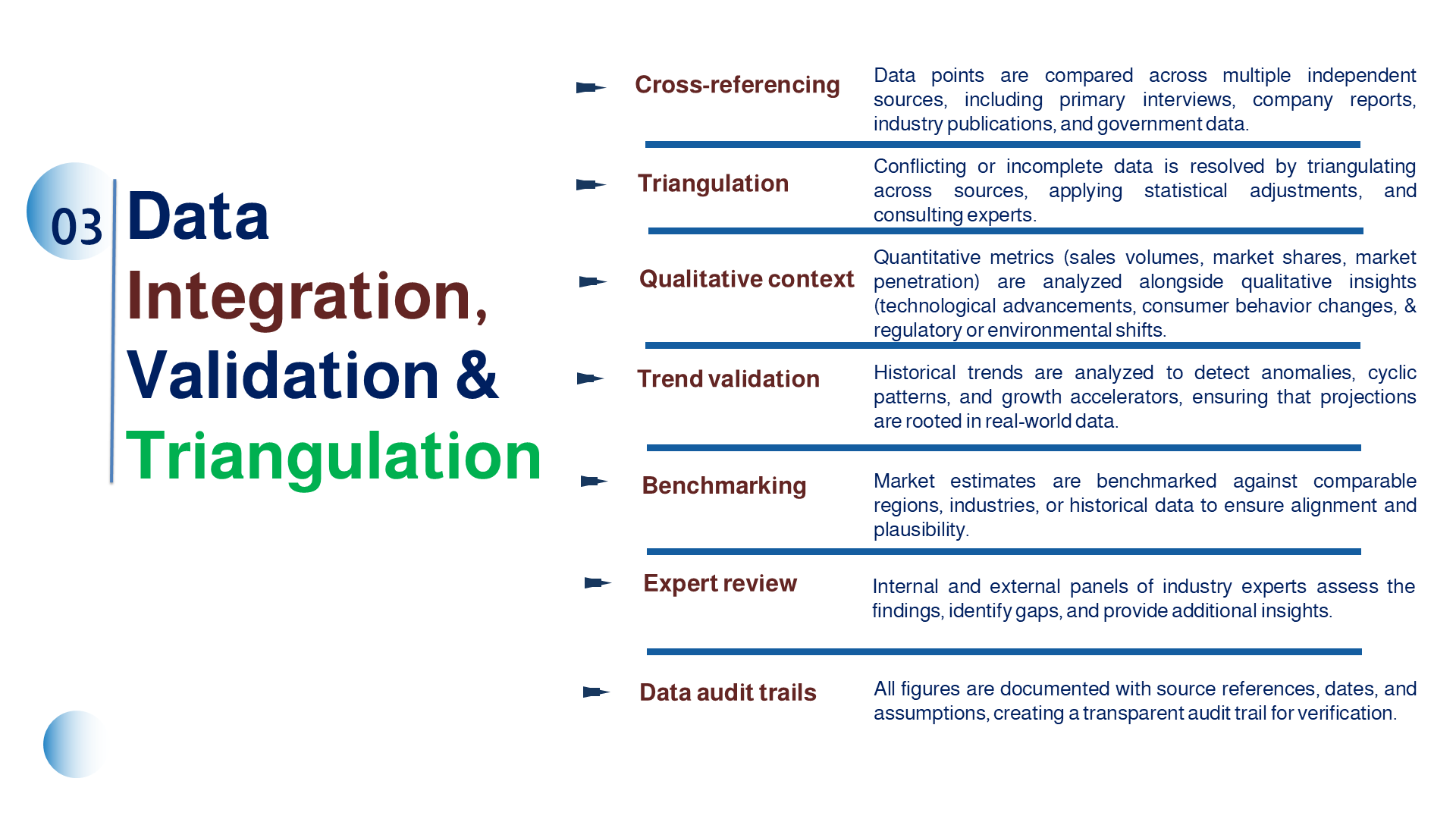
1.3.3 Data Validation & Publishing
1.4. Research Scope and Assumptions
1.4.1 List of Data Sources
Chapter 2. EXECUTIVE SUMMARY
2.1. Market Snapshot
2.2. Segmental Outlook
2.3. Competitive Outlook
Chapter 3. MARKET VARIABLES, TRENDS, FRAMEWORK
3.1. Market Lineage Outlook
3.2. Penetration & Growth Prospect Mapping
3.3. Value Chain Analysis
3.4. Regulatory Framework
3.4.1 Standards & Compliance
3.4.2 Regulatory Impact Analysis
3.5. Market Dynamics
3.5.1 Market Drivers
3.5.2 Market Restraints
3.5.3 Market Opportunities
3.5.4 Market Challenges
3.6. Porter's Five Forces Analysis
3.7. PESTLE Analysis
Chapter 4. GLOBAL BRAIN MONITORING MARKET: BY PRODUCT TYPE 2022-2034 (USD MN)
4.1. Market Analysis, Insights and Forecast Product Type
4.2. Magnetoencephalograph Estimates and Forecasts By Regions 2022-2034 (USD MN)
4.3. Electroencephalograph Estimates and Forecasts By Regions 2022-2034 (USD MN)
4.4. Cerebral Oximeters Estimates and Forecasts By Regions 2022-2034 (USD MN)
4.5. Functional Magnetic Resonance Imaging Estimates and Forecasts By Regions 2022-2034 (USD MN)
4.6. Intracranial Pressure Monitoring Devices Estimates and Forecasts By Regions 2022-2034 (USD MN)
4.7. Others Estimates and Forecasts By Regions 2022-2034 (USD MN)
Chapter 5. GLOBAL BRAIN MONITORING MARKET: BY APPLICATION 2022-2034 (USD MN)
5.1. Market Analysis, Insights and Forecast Application
5.2. Parkinson’s Disease Estimates and Forecasts By Regions 2022-2034 (USD MN)
5.3. Traumatic Brain Injury Estimates and Forecasts By Regions 2022-2034 (USD MN)
5.4. Epilepsy Estimates and Forecasts By Regions 2022-2034 (USD MN)
5.5. Dementia Estimates and Forecasts By Regions 2022-2034 (USD MN)
5.6. Sleep Disorders Estimates and Forecasts By Regions 2022-2034 (USD MN)
5.7. Others Estimates and Forecasts By Regions 2022-2034 (USD MN)
Chapter 6. GLOBAL BRAIN MONITORING MARKET: BY END USERS 2022-2034 (USD MN)
6.1. Market Analysis, Insights and Forecast End Users
6.2. Hospitals & Clinics Estimates and Forecasts By Regions 2022-2034 (USD MN)
6.3. Neurology Centres Estimates and Forecasts By Regions 2022-2034 (USD MN)
6.4. Ambulatory Surgery Centers Estimates and Forecasts By Regions 2022-2034 (USD MN)
6.5. Diagnostic Centers Estimates and Forecasts By Regions 2022-2034 (USD MN)
6.6. Others Estimates and Forecasts By Regions 2022-2034 (USD MN)
Chapter 7. GLOBAL BRAIN MONITORING MARKET: BY REGION 2022-2034 (USD MN)
7.1. Regional Outlook
7.2. North America Market Analysis, Insights and Forecast, 2022-2034 (USD MN)
7.2.1 By Product Type
7.2.2 By Application
7.2.3 By End Users
7.2.4 United States
7.2.5 Canada
7.2.6 Mexico
7.3. Europe Market Analysis, Insights and Forecast, 2022-2034 (USD MN)
7.3.1 By Product Type
7.3.2 By Application
7.3.3 By End Users
7.3.4 United Kingdom
7.3.5 France
7.3.6 Germany
7.3.7 Italy
7.3.8 Spain
7.3.9 Russia
7.3.10 Rest Of Europe
7.4. Asia-Pacific Market Analysis, Insights and Forecast, 2022-2034 (USD MN)
7.4.1 By Product Type
7.4.2 By Application
7.4.3 By End Users
7.4.4 China
7.4.5 Japan
7.4.6 South Korea
7.4.7 India
7.4.8 Australia
7.4.9 South East Asia
7.4.10 Rest Of Asia Pacific
7.5. Latin America Market Analysis, Insights and Forecast, 2022-2034 (USD MN)
7.5.1 By Product Type
7.5.2 By Application
7.5.3 By End Users
7.5.4 Brazil
7.5.5 Argentina
7.5.6 Peru
7.5.7 Chile
7.5.8 Rest of Latin America
7.6. Middle East & Africa Market Analysis, Insights and Forecast, 2022-2034 (USD MN)
7.6.1 By Product Type
7.6.2 By Application
7.6.3 By End Users
7.6.4 Saudi Arabia
7.6.5 UAE
7.6.6 Israel
7.6.7 South Africa
7.6.8 Rest of the Middle East And Africa
Chapter 8. COMPETITIVE LANDSCAPE
8.1. Recent Developments
8.2. Company Categorization
8.3. Supply Chain & Channel Partners (based on availability)
8.4. Market Share & Positioning Analysis (based on availability)
8.5. Vendor Landscape (based on availability)
8.6. Strategy Mapping
Chapter 9. COMPANY PROFILES OF GLOBAL BRAIN MONITORING INDUSTRY
9.1. Top Companies Market Share Analysis
9.2. Company Profiles (Overview, Services, Financials (based on availability), Recent Developments,
Strategies, SWOT, Etc.)
9.2.1 ABB Ltd
9.2.2 Rockwell Automation Inc
9.2.3 Eaton Corporation Plc
9.2.4 Schneider Electric SE
9.2.5 Siemens AG
9.2.6 Natus Medical Incorporated
9.2.7 Nihon Kohden Corporation
9.2.8 Philips Healthcare
9.2.9 GE Healthcare
9.2.10 Medtronic Plc
9.2.11 Luciole Medical AG
LIST OF TABLES
- Market Snapshot
- Segment Outlook
- Competitive Outlook
- Market Analysis By Product Type-2022-2034 (USD MN)
- Magnetoencephalograph Market Size By Geography (USD MN)
- Electroencephalograph Market Size By Geography (USD MN)
- Cerebral Oximeters Market Size By Geography (USD MN)
- Functional Magnetic Resonance Imaging Market Size By Geography (USD MN)
- Intracranial Pressure Monitoring Devices Market Size By Geography (USD MN)
- Others Market Size By Geography (USD MN)
- Market Analysis By Application-2022-2034 (USD MN)
- Parkinson’s Disease Market Size By Geography (USD MN)
- Traumatic Brain Injury Market Size By Geography (USD MN)
- Epilepsy Market Size By Geography (USD MN)
- Dementia Market Size By Geography (USD MN)
- Sleep Disorders Market Size By Geography (USD MN)
- Others Market Size By Geography (USD MN)
- Market Analysis By End Users-2022-2034 (USD MN)
- Hospitals & Clinics Market Size By Geography (USD MN)
- Neurology Centres Market Size By Geography (USD MN)
- Ambulatory Surgery Centers Market Size By Geography (USD MN)
- Diagnostic Centers Market Size By Geography (USD MN)
- Others Market Size By Geography (USD MN)
- Global Brain Monitoring Market Sales By Geography-2022-2034 (USD MN)
- North America Market Analysis (USD MN)
- United States Market Analysis (USD MN)
- Canada Market Analysis (USD MN)
- Mexico Market Analysis (USD MN)
- Europe Market Analysis (USD MN)
- United Kingdom Market Analysis (USD MN)
- France Market Analysis (USD MN)
- Germany Market Analysis (USD MN)
- Italy Market Analysis (USD MN)
- Russia Market Analysis (USD MN)
- Spain Market Analysis (USD MN)
- Rest of Europe Market Analysis (USD MN)
- Asia Pacific Market Analysis (USD MN)
- China Market Analysis (USD MN)
- Japan Market Analysis (USD MN)
- India Market Analysis (USD MN)
- South Korea Market Analysis (USD MN)
- Australia Market Analysis (USD MN)
- South East Asia Market Analysis (USD MN)
- Rest of Asia Pacific Market Analysis (USD MN)
- Latin America Market Analysis (USD MN)
- Brazil Market Analysis (USD MN)
- Argentina Market Analysis (USD MN)
- Peru Market Analysis (USD MN)
- Chile Market Analysis (USD MN)
- Rest of Latin America Market Analysis (USD MN)
- Middle East & Africa Market Analysis (USD MN)
- Saudi Arabia Market Analysis (USD MN)
- UAE Market Analysis (USD MN)
- Israel Market Analysis (USD MN)
- South Africa Market Analysis (USD MN)
- Rest of Middle East and Africa Market Analysis (USD MN)
- Partnership/Collaboration/Agreement
- Mergers And Acquisition
LIST OF FIGURES
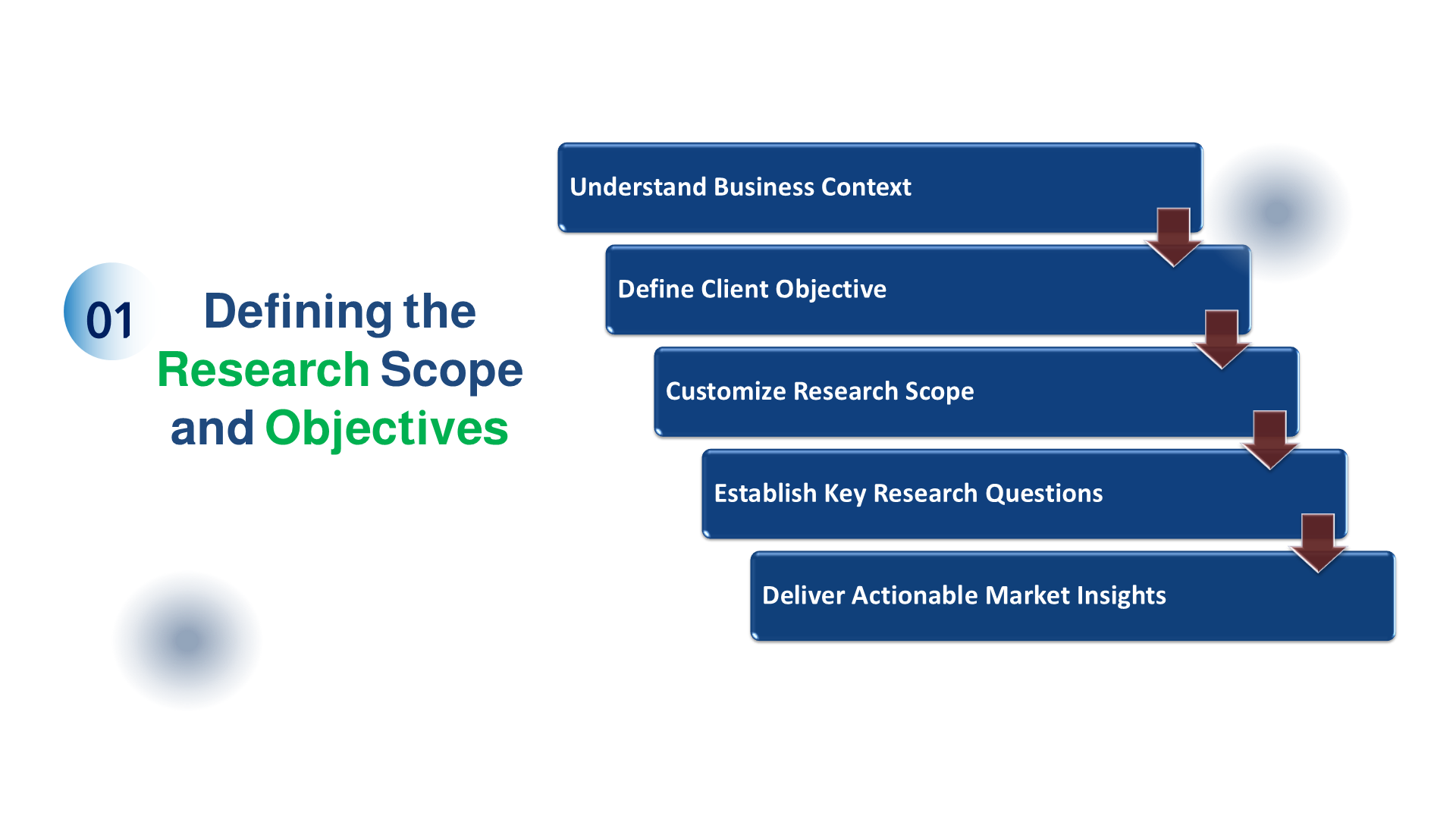
- Research Scope of Global Brain Monitoring Report
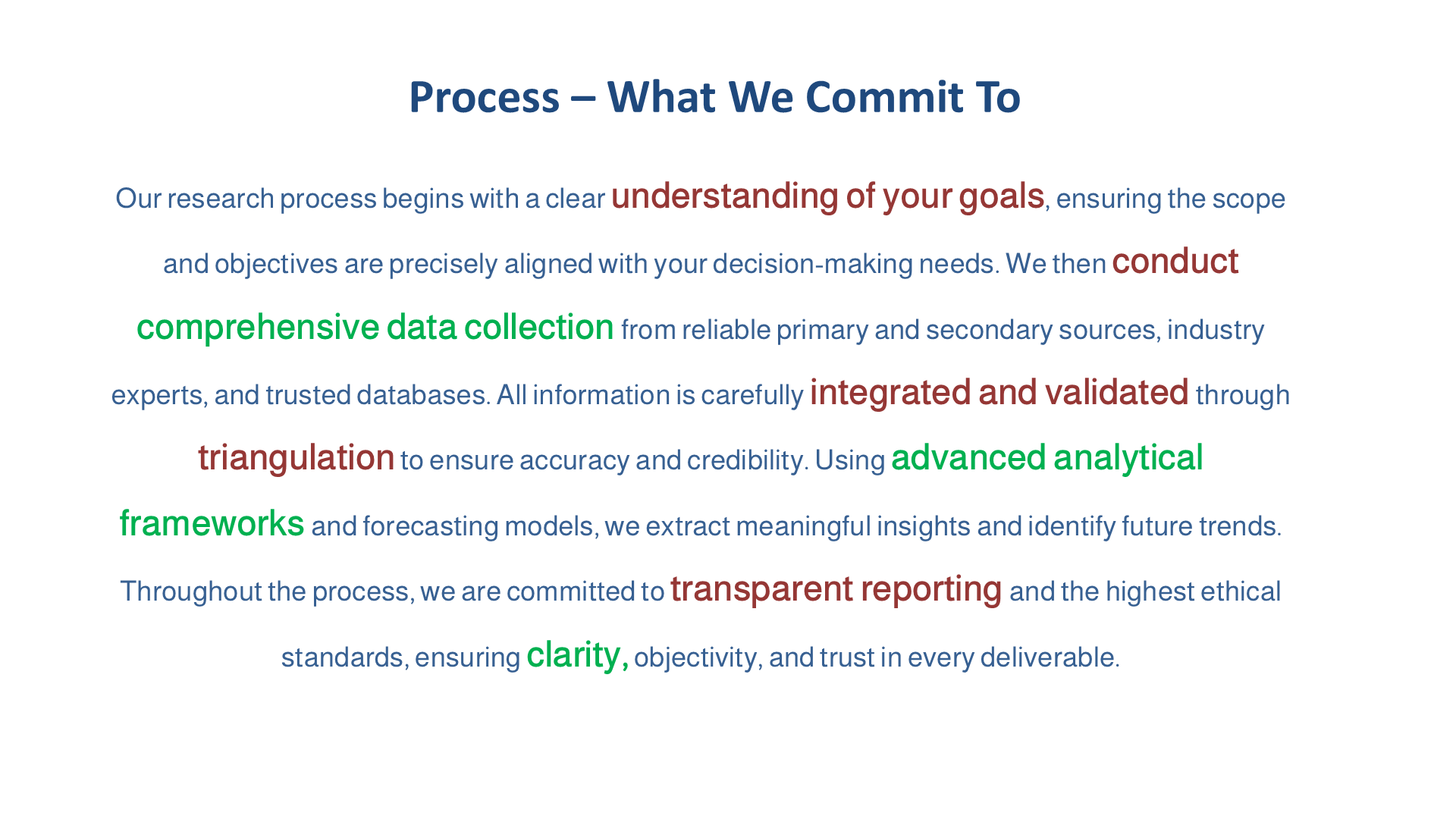
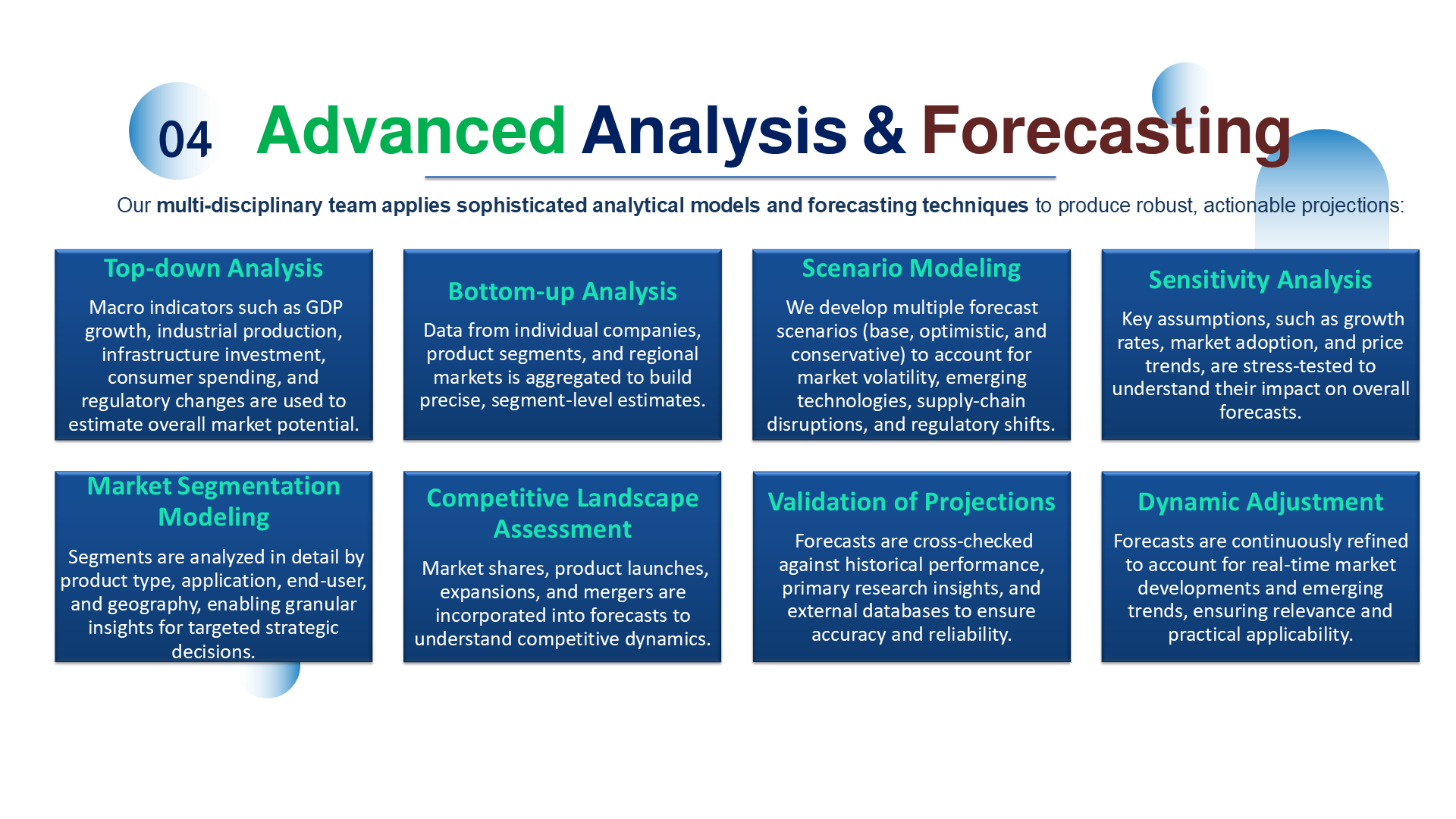
- Market Research Process
- Market Research Methodology
- Global Brain Monitoring Market Size, By Regions (USD MN)
- Porters Five Forces Analysis
- PESTLE Analysis
- Market Attractiveness Analysis
- Value Chain Analysis
- Global Market Analysis By Product Type-2022-2034(USD MN)
- Magnetoencephalograph Market Sales By Geography (USD MN)
- Electroencephalograph Market Sales By Geography (USD MN)
- Cerebral Oximeters Market Sales By Geography (USD MN)
- Functional Magnetic Resonance Imaging Market Sales By Geography (USD MN)
- Intracranial Pressure Monitoring Devices Market Sales By Geography (USD MN)
- Others Market Sales By Geography (USD MN)
- Global Market Analysis By Application-2022-2034(USD MN)
- Parkinson’s Disease Market Sales By Geography (USD MN)
- Traumatic Brain Injury Market Sales By Geography (USD MN)
- Epilepsy Market Sales By Geography (USD MN)
- Dementia Market Sales By Geography (USD MN)
- Sleep Disorders Market Sales By Geography (USD MN)
- Others Market Sales By Geography (USD MN)
- Global Market Analysis By End Users-2022-2034(USD MN)
- Hospitals & Clinics Market Sales By Geography (USD MN)
- Neurology Centres Market Sales By Geography (USD MN)
- Ambulatory Surgery Centers Market Sales By Geography (USD MN)
- Diagnostic Centers Market Sales By Geography (USD MN)
- Others Market Sales By Geography (USD MN)
- Global Market Sales-2022-2034 (USD MN)
- North America Market Sales-2022-2034 (USD MN)
- Europe Market Sales-2022-2034 (USD MN)
- Asia Pacific Market Sales-2022-2034 (USD MN)
- Latin America Market Sales-2022-2034 (USD MN)
- Middle East & Africa Market Sales-2022-2034 (USD MN)
- Recent Development in Industry
- Top Company Market Share Analysis


Frequently Asked Questions (FAQs) about this Report
How big is the Global Brain Monitoring market?
What is the Global Brain Monitoring market growth?
Which country holds the highest share in the Global Brain Monitoring market?
How is the Global Brain Monitoring market segmented in the report?
Who are the key players in the Global Brain Monitoring market?