
Global Blood Products Market Size, Share, Trends & Growth Analysis Report Segmented By Type, Application (Bleeding Wound, Immunodeficiency, HBV, Tetanus, Rabies, Hemophilia, Others), And Regions (North America, Europe, Asia-Pacific, Latin America, Middle East and Africa), 2026-2034
The Blood Products Market size was valued at USD 38.50 Billion in 2025 and is projected to grow from USD 41.76 Billion in 2026 to USD 79.97 Billion by 2034, at a CAGR of 8.46% during the forecast period.
The blood products market refers to the global trade and production of therapeutic substances derived from human blood plasma. These products, which include clotting factors, immunoglobulins, albumin, and plasma-derived therapies, are critical in managing various medical conditions, such as bleeding disorders, immune deficiencies, and severe burns. The market serves essential healthcare needs, making it a cornerstone of advanced medical systems worldwide.
The blood products market is witnessing robust growth, fueled by advancements in plasma fractionation techniques, a surge in demand for immunoglobulins, and increasing awareness about blood-related disorders. World Health Organization data suggests that the global demand for blood and its components has been steadily rising, especially in low and middle-income countries where access to these products remains limited. Moreover, the rapid increase in geriatric populations—who are more susceptible to conditions like hemophilia and autoimmune diseases—has created a growing need for plasma-derived therapies.
Market Dynamics
Blood Products Market Drivers
- Increasing Prevalence of Chronic Diseases: The growing burden of chronic diseases such as hemophilia, leukemia, and liver disorders is a key driver for the blood products market. According to the Centers for Disease Control and Prevention (CDC), over 20,000 individuals in the United States live with hemophilia, a condition that requires regular administration of clotting factor concentrates. Additionally, autoimmune diseases like primary immunodeficiency disorders (PID), which necessitate immunoglobulin therapies, are on the rise. This increasing demand for specialized blood products to manage chronic conditions is propelling the market forward, especially as healthcare systems worldwide expand their diagnostic capabilities.
- Advancements in Plasma-Derived Therapies: The introduction of innovative plasma-derived therapies is significantly enhancing the application scope of blood products. As per the U.S. Food and Drug Administration (FDA), newer plasma fractionation technologies have resulted in higher yields of immunoglobulins and albumin, improving patient outcomes. These advancements are enabling the development of targeted treatments for conditions such as Kawasaki disease and Guillain-Barré syndrome, fostering greater adoption of plasma-based products in clinical settings.
- Rising Global Blood Donations: An increase in voluntary and regular blood donations is boosting the supply of raw materials for plasma-derived therapies. According to the World Health Organization (WHO), over 118.5 million blood donations are collected annually, with a significant increase reported in high-income countries. This growth supports the consistent availability of blood components necessary for developing therapeutic products, ensuring market sustainability and meeting the rising global demand.
- Government Initiatives and Funding: Government initiatives to strengthen blood transfusion and plasma collection systems are playing a pivotal role in driving the market. For instance, the European Blood Alliance has supported policies to enhance plasma collection efficiency across member countries. Similarly, the U.S. Department of Health and Human Services (HHS) has allocated funding to expand plasma collection centers, ensuring a stable supply chain for critical blood products. Such measures are fostering a conducive environment for market growth.
- Growing Demand for Immunoglobulins: The escalating use of immunoglobulins to treat immune deficiencies and infectious diseases is a major driver. The International Plasma Fractionation Association (IPFA) highlights that global immunoglobulin usage has nearly doubled over the past decade, particularly in developed markets like North America and Europe. This surge is attributed to increased diagnosis rates and expanded therapeutic indications, emphasizing the critical role of blood products in modern medicine.
Blood Products Market Opportunities
- Expansion in Emerging Markets: The untapped potential in emerging economies offers a significant opportunity for growth in the blood products market. According to the World Health Organization (WHO), low and middle-income countries account for 80% of the global population but collect only 40% of the world’s blood supply. These regions are experiencing increased healthcare spending, improved diagnostic capabilities, and growing awareness of blood-related therapies. For instance, India’s Ministry of Health has launched several programs to promote voluntary blood donations and improve plasma collection infrastructure. These developments open avenues for market players to invest in localized plasma fractionation and distribution systems.
- Development of Recombinant Blood Products: The rise of recombinant technology in blood products presents an opportunity for reducing reliance on human donors while enhancing safety. The U.S. Food and Drug Administration (FDA) supports the development of recombinant clotting factors, which have fewer risks of contamination and better consistency. According to the National Hemophilia Foundation, recombinant factors now constitute over 75% of hemophilia treatments in the United States. Expanding this technology globally could address shortages and improve accessibility to safe therapies.
- Integration of Advanced Diagnostic Tools: The integration of cutting-edge diagnostic tools into blood product testing and usage offers a promising opportunity. The Centers for Disease Control and Prevention (CDC) emphasize the role of nucleic acid testing (NAT) in enhancing blood safety by detecting pathogens such as HIV and hepatitis at earlier stages. As more healthcare systems adopt these tools, the demand for high-quality, pathogen-free blood products will increase. Companies investing in advanced diagnostic and screening technologies can gain a competitive edge in ensuring compliance and meeting global safety standards.
- Personalized Medicine and Targeted Therapies: The growing trend toward personalized medicine creates opportunities for developing tailored plasma-derived products. According to the National Institutes of Health (NIH), advancements in genomics and proteomics are enabling researchers to design therapies targeting specific patient profiles, such as rare bleeding disorders or individualized immune deficiencies. Personalized therapies could command premium pricing and address the unmet needs of niche patient populations, driving growth in specialized segments of the blood products market.
- Rising Collaborations and Public-Private Partnerships: Collaborations between governments, non-profit organizations, and private companies are fostering advancements in plasma collection and utilization. For instance, the World Health Organization’s Global Blood Safety Initiative has been working with various governments to enhance plasma fractionation infrastructure. Such partnerships provide opportunities for technology transfer, capacity building, and co-development of innovative products, expanding market opportunities while improving global healthcare equity.
Blood Products Market Restrain & Challenges
- Limited Blood Donation Supply: One of the most pressing challenges in the blood products market is the limited supply of blood donations to meet the growing global demand. The World Health Organization (WHO) states that only 2% of the population in low-income countries donates blood, compared to 7% in high-income countries, creating a significant imbalance. Seasonal shortages, cultural stigmas, and the impact of pandemics like COVID-19 have further disrupted donation rates. This gap between supply and demand is particularly critical for plasma-derived products, which require large volumes of plasma to manufacture, creating bottlenecks in production and availability.
- High Manufacturing Costs: The production of blood products, particularly plasma-derived therapies, is a resource-intensive process requiring advanced infrastructure and stringent regulatory compliance. The U.S. Food and Drug Administration (FDA) highlights that plasma fractionation is a complex, time-consuming process that can take 7–12 months from plasma collection to the final product release. These high costs make blood products less accessible, particularly in low and middle-income countries. Furthermore, fluctuations in raw material availability compound cost challenges, limiting the scalability of operations for smaller manufacturers.
- Risk of Transfusion-Transmitted Infections: Despite advancements in screening and pathogen reduction technologies, the risk of transfusion-transmitted infections (TTIs) remains a major challenge. The Centers for Disease Control and Prevention (CDC) report that diseases such as HIV, hepatitis B, and hepatitis C continue to pose risks, especially in regions with inadequate diagnostic infrastructure. Emerging pathogens, such as Zika virus and West Nile virus, further exacerbate concerns. This necessitates continual investment in advanced screening and pathogen inactivation technologies, increasing operational costs for blood banks and plasma collection centers.
- Regulatory Hurdles: Stringent regulatory frameworks across different regions create significant barriers to market entry and expansion. Agencies such as the European Medicines Agency (EMA) and the FDA require extensive clinical trials and compliance documentation, which can delay product approvals and inflate development costs. For instance, ensuring compliance with Good Manufacturing Practices (GMP) adds considerable overhead to production timelines. Smaller players and manufacturers in developing economies often face difficulties navigating these regulations, limiting innovation and access to newer products in global markets.
- Ethical and Cultural Barriers: Cultural taboos and ethical debates surrounding blood donation and plasma collection present additional challenges. In certain regions, misconceptions about donating blood, such as fears of health deterioration or religious prohibitions, reduce donor participation. According to the WHO, nearly 50% of countries still do not have a robust system for voluntary blood donation, relying instead on family replacement donors. Addressing these barriers requires long-term educational campaigns and policy reforms to foster a culture of regular and voluntary blood donation.
Current Trends in the Blood Products Market
- Adoption of Pathogen Reduction Technologies (PRTs): Pathogen reduction technologies are gaining traction as an effective method to enhance blood product safety. These technologies, approved by the U.S. Food and Drug Administration (FDA), help inactivating viruses, bacteria, and other pathogens in blood components such as plasma and platelets. The Centers for Disease Control and Prevention (CDC) emphasize the importance of PRTs in mitigating transfusion-transmitted infections, particularly in the wake of emerging infectious diseases like Zika and dengue. With increasing regulatory encouragement, PRTs are becoming standard practice in many high-income countries, spurring technological advancement and investment in safer blood products.
- Growth in Recombinant and Synthetic Blood Products: The development of recombinant and synthetic blood products represents a transformative trend in the industry. Recombinant factor therapies, such as clotting factors VIII and IX, have become widely used, particularly in developed markets like North America and Europe. The National Institutes of Health (NIH) highlight ongoing research into synthetic blood substitutes, which aim to address supply shortages and reduce dependency on donor blood. These advancements are paving the way for safer and more sustainable blood product options, especially in emergency medicine and trauma care.
- Automation in Blood Collection and Processing: Automation is revolutionizing blood collection and processing, ensuring higher efficiency and reduced human error. Technologies such as automated plasmapheresis and advanced centrifugation are enabling more precise separation of plasma and blood components. The World Health Organization (WHO) acknowledges the role of automation in improving the quality of plasma products, especially in large-scale fractionation facilities. The integration of robotics and AI-powered monitoring systems is further optimizing operations, making blood processing faster, safer, and more reliable.
- Advances in Cryopreservation Technologies: Cryopreservation innovations are extending the shelf life of blood products, particularly rare blood types and plasma derivatives. The American Red Cross has introduced advanced freezing techniques that preserve plasma proteins and other blood components for longer periods without degradation. These advancements are crucial for ensuring a steady supply during emergencies, pandemics, or in regions with limited donation frequency. As cryopreservation methods improve, they are estimated to play a pivotal role in enhancing global blood product storage and distribution networks.
- Increased Focus on Plasma-Derived Biopharmaceuticals: The surge in research and development of plasma-derived biopharmaceuticals is driving innovation in the market. These biopharmaceuticals, used to treat chronic conditions like alpha-1 antitrypsin deficiency and autoimmune disorders, are becoming a major growth segment. According to the U.S. Department of Health and Human Services (HHS), plasma-derived products have experienced a significant rise in demand, with investments in new manufacturing techniques and higher-yield processes. This trend highlights the industry's shift toward high-value therapeutic applications of blood products.
Segmentation Insights

Blood Products Market Analysis, By Type
By Type, the market is divided into Albumin, Immunoglobulin, Clotting Factor, and Others.
- Immunoglobulin leads the global blood products market due to its extensive application in treating immune deficiencies, autoimmune diseases, and neurological conditions. The U.S. Centers for Disease Control and Prevention highlights that immune deficiency disorders affect 1 in 1,200 people globally, driving demand for immunoglobulin therapies. Additionally, advancements in intravenous and subcutaneous formulations have improved patient compliance and accessibility. The segment's dominance is further supported by rising awareness and adoption of these products in both developed and emerging markets, making immunoglobulin an indispensable component of modern healthcare.
- Clotting Factor is the fastest-growing segment, driven by increasing prevalence of hemophilia and related disorders. According to the World Federation of Hemophilia, over 400,000 people globally are affected by hemophilia, with a significant proportion lacking access to adequate treatment. The rapid adoption of recombinant clotting factors, which reduce the risk of infections compared to plasma-derived counterparts, is fueling growth. Moreover, innovations such as extended half-life products and gene therapies are transforming treatment paradigms. Government initiatives and funding, such as the European Medicines Agency's support for orphan drug development, are further accelerating advancements in this segment, addressing an unmet medical need.
Blood Products Market Analysis, By Application
By Application Type, the market is categorized into Bleeding Wound, Immunodeficiency, HBV, Tetanus, Rabies, Hemophilia, and Others.
- The Immunodeficiency segment dominates the blood products market due to the high prevalence of immune system disorders and the critical role of immunoglobulins in their treatment. According to the U.S. National Institutes of Health, primary immunodeficiency affects over 6 million people globally, with a significant proportion requiring lifelong immunoglobulin therapy. The growing adoption of intravenous and subcutaneous immunoglobulins, alongside advancements in diagnosis and awareness of immune-related conditions, solidifies the segment's leadership in the market. Immunoglobulins are essential for improving patient outcomes and quality of life, making this segment pivotal in modern healthcare.
- The Hemophilia segment is experiencing the fastest growth, fueled by increasing awareness and advancements in treatment options. The World Federation of Hemophilia reports that over 75% of individuals with hemophilia remain undiagnosed, representing a significant unmet need. Innovations such as recombinant clotting factors, extended half-life therapies, and gene therapy solutions are revolutionizing hemophilia care. Government initiatives, like the establishment of national hemophilia programs in low-resource settings, further support the growth of this segment. The increased focus on reducing bleeding complications and enhancing patient outcomes positions the Hemophilia segment as a transformative force in the Blood Products market.
Blood Products Market Regional Insights

The market has been geographically analysed across five regions, Europe, North America, Asia Pacific, Latin America, and the Middle East & Africa.
- North America holds the largest share in the blood products market due to its advanced healthcare infrastructure, robust blood donation programs, and significant investment in research and development. The U.S. Food and Drug Administration highlights that the region leads in the adoption of advanced blood processing technologies and recombinant blood products. The American Red Cross reports that the U.S. collects 13.6 million units of blood annually, ensuring a steady supply for therapeutic use. The prevalence of conditions such as hemophilia and immune deficiencies further drives demand. The region's strong regulatory framework and high healthcare expenditure support sustained growth, with the United States and Canada leading in innovation and market adoption.
- Asia-Pacific is the fastest-growing region in the blood products market, driven by a large population base, increasing prevalence of chronic diseases, and growing healthcare investments. The World Health Organization reports significant advancements in blood donation infrastructure across countries like China and India, where voluntary donation rates have improved dramatically. Rising awareness about blood disorders and the adoption of plasma-derived therapies are further fueling growth. Government initiatives, such as the establishment of blood banks and subsidies for recombinant therapies, are accelerating the market's expansion. Predicted future performance points to continued rapid growth, with China, India, and Japan emerging as key contributors to the region's dominance.
Blood Products Market Competitive Overview
The blood products market is highly competitive, with a mix of established players and emerging companies driving innovation and growth. Key market participants include companies specializing in plasma-derived therapies, recombinant technologies, and advanced blood processing systems. Companies like CSL Behring, Grifols, and Takeda dominate the market with their extensive portfolios of immunoglobulins, albumin, and clotting factors. Collaborations between biopharmaceutical firms and government agencies are increasingly common, as evidenced by partnerships aimed at boosting plasma collection infrastructure.
Additionally, advancements in cryopreservation and pathogen reduction technologies are reshaping the competitive landscape, with new entrants focusing on niche applications such as portable blood storage solutions. Emerging markets in Asia-Pacific and Latin America are also attracting significant attention, with players expanding their global footprint to capitalize on untapped opportunities. As the market evolves, innovation, geographic expansion, and strategic partnerships remain central to maintaining a competitive position.
Leading Market Players in the Blood Products Market
- Takeda: Takeda is a global leader in the Blood Products market, renowned for its advanced plasma-derived therapies and recombinant products. The company’s immunoglobulin portfolio addresses conditions such as primary immunodeficiency and neurological disorders, with products like Gammagard showing significant global adoption. According to Takeda's annual report, it invests over $4 billion annually in R&D, focusing on innovative therapies. With a strong presence in North America, Europe, and Asia-Pacific, Takeda continues to expand its plasma collection centers worldwide, supported by partnerships with healthcare organizations to ensure sustainable supply and access to its life-saving therapies.
- Commonwealth Serum Laboratories (CSL): CSL, operating as CSL Behring, is a major player in the Blood Products market, with a diverse portfolio that includes albumin, immunoglobulins, and clotting factors. CSL Behring is noted for its innovative recombinant therapies such as Afstyla for hemophilia A. The Australian government recognizes CSL as a strategic partner for blood plasma products, ensuring consistent supply to the national healthcare system. CSL operates one of the world’s largest plasma collection networks, collecting over 60 million liters of plasma annually. This infrastructure supports its growth in global markets, especially in North America and Europe.
- Grifols: Grifols is a leader in the Blood Products market, specializing in plasma-derived products and diagnostic systems. Its immunoglobulins and clotting factors are widely used for treating immune deficiencies and bleeding disorders. Grifols owns one of the largest plasma donor networks, with over 390 centers globally. The European Medicines Agency highlights Grifols’ advancements in pathogen reduction technologies, which enhance product safety. Grifols also invests heavily in R&D, allocating 6% of its annual revenue to develop innovative therapies. The company’s strategic acquisitions, such as the purchase of Biotest, strengthen its position in emerging markets while expanding its global footprint.
Top Strategies Followed by Players
- Expansion of Plasma Collection Networks: Leading players are aggressively expanding their plasma collection centers to ensure a steady supply of raw materials for manufacturing blood products. For instance, Takeda and Grifols have invested in increasing plasma collection capacities in the U.S. and Europe, regions with high donation rates. The U.S. Department of Health and Human Services reports that over 50% of the world’s plasma supply is collected in the U.S., highlighting the region's importance. This strategy not only addresses supply shortages but also supports the scalability of advanced plasma-derived therapies.
- Focus on Innovative Therapies: Companies are heavily investing in the development of recombinant and gene therapies to provide more effective and safer alternatives to traditional plasma-derived products. CSL Behring, for instance, has introduced recombinant therapies like Idelvion for hemophilia B, which offer extended half-life benefits. According to the European Medicines Agency, these innovations reduce patient burden by minimizing dosing frequency and improving treatment outcomes. This strategy positions companies as leaders in addressing unmet needs in bleeding and immune disorders.
- Strategic Acquisitions and Partnerships: Acquiring smaller companies and forming alliances with healthcare organizations is a key strategy to expand market presence and enhance product portfolios. Grifols’ acquisition of Biotest strengthened its capabilities in plasma-derived therapeutics, while Octapharma collaborates with research institutions to advance treatment options. These partnerships enable companies to penetrate new markets, accelerate R&D, and deliver innovative products to meet global demand effectively.
List of Companies Profiled in the Report are:
- CSL
- BPL
- Mitsubishi Tanabe Pharma Corporation
- Takeda
- Octapharma AG
- Baxter
- Grifols
- Kedrion SpA
- Hualan Bio
Recent Developments in the Blood Products Market
- January 2024: Takeda announced a collaboration with the University of Oxford to develop novel therapies for immune-mediated diseases using plasma-derived therapies. This collaboration aims to leverage the expertise of both organizations to advance the understanding and treatment of conditions like autoimmune diseases and inflammatory disorders.
- March 2024: Grifols announced the expansion of its plasma collection center network in the United States with the opening of a new facility in Texas. This expansion will increase the company's plasma collection capacity and support the growing demand for plasma-derived therapies.
- April 2024: Octapharma announced the initiation of a Phase 3 clinical trial for its investigational recombinant Factor VIII therapy. This trial aims to evaluate the safety and efficacy of the new therapy in patients with hemophilia A.
- September 2024: Octapharma announced the successful completion of a Phase 2 clinical trial for its investigational therapy for immune thrombocytopenia (ITP). The trial demonstrated positive results in improving platelet counts in patients with ITP.
- October 2023: Kedrion Biopharma announced the acquisition of Biotest, a German biopharmaceutical company. This acquisition expands Kedrion's global presence and strengthens its position in the plasma-derived therapies market. Biotest has a strong portfolio of plasma-derived therapies, including immunoglobulins and coagulation factors.
List of Segments Covered
This section of the blood products market report provides detailed data on the segments at country and regional level, thereby assisting the strategist in identifying the target demographics for the respective product or services with the upcoming opportunities.
By Type
- Albumin
- Immunoglobulin
- Clotting Factor
- Others
By Application
- Bleeding Wound
- Immunodeficiency
- HBV
- Tetanus
- Rabies
- Hemophilia
- Others
1.1. Market Segmentation & Scope
1.2. Market Definition
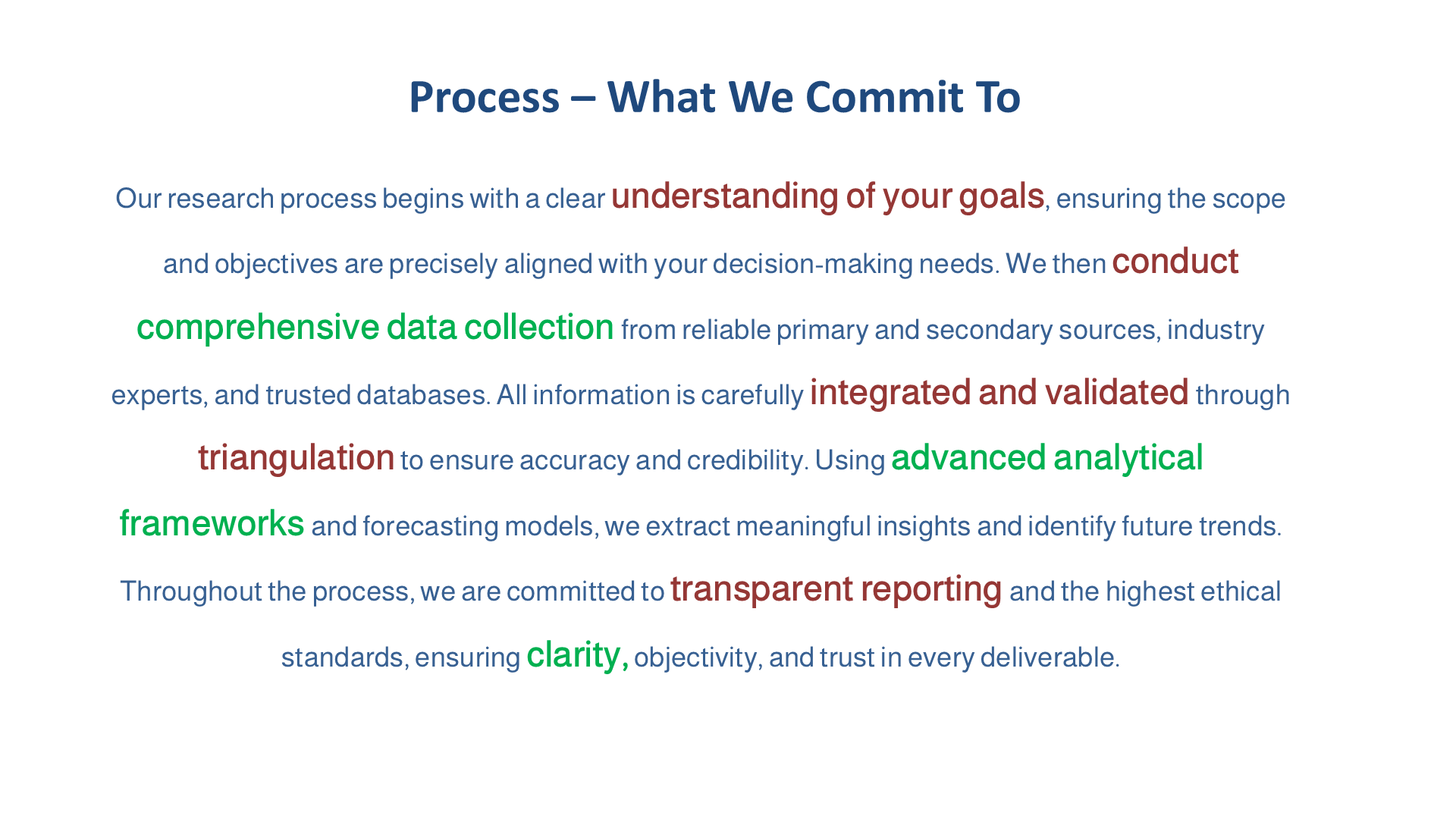
1.3. Information Procurement
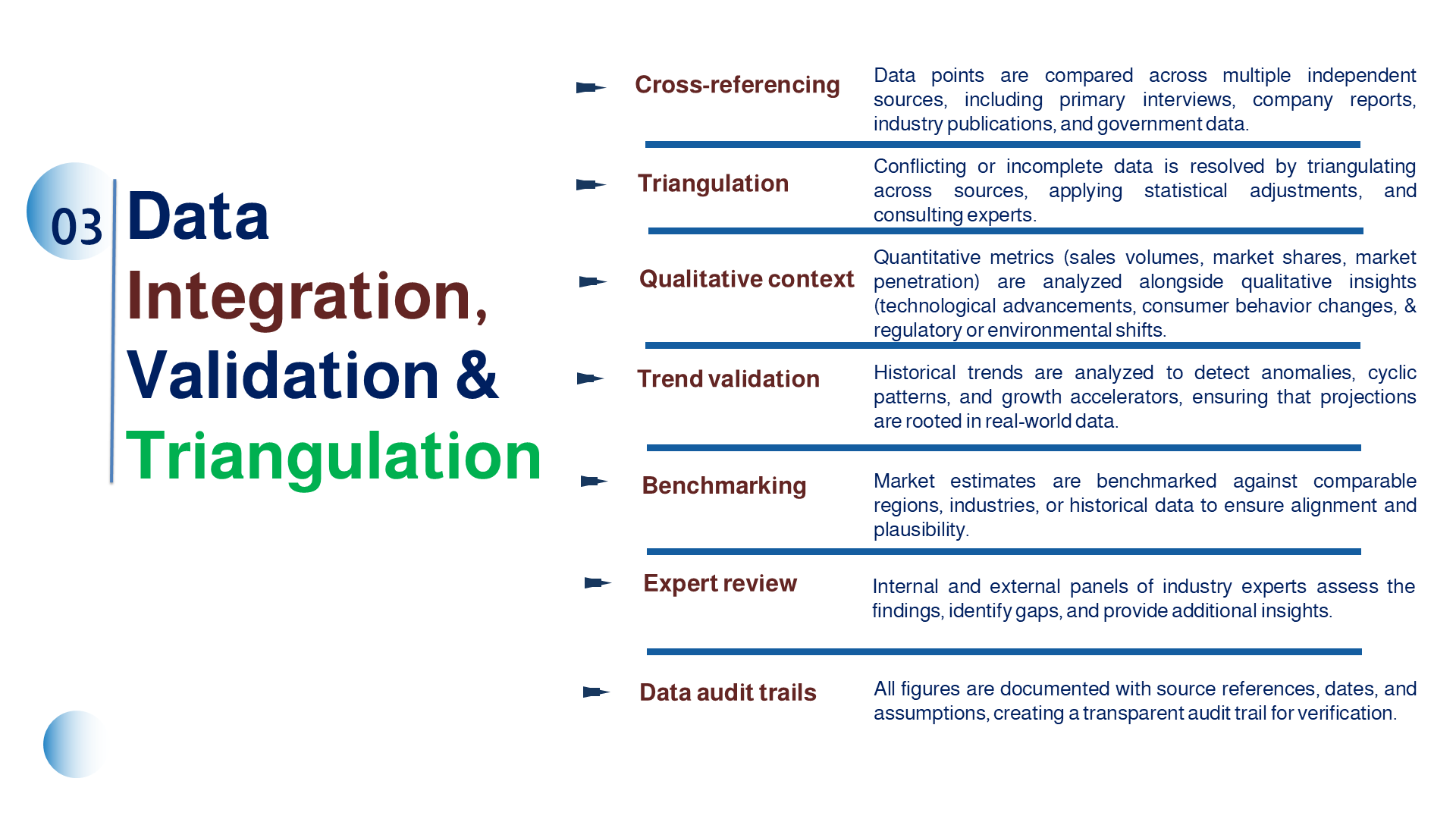
1.3.1 Information Analysis
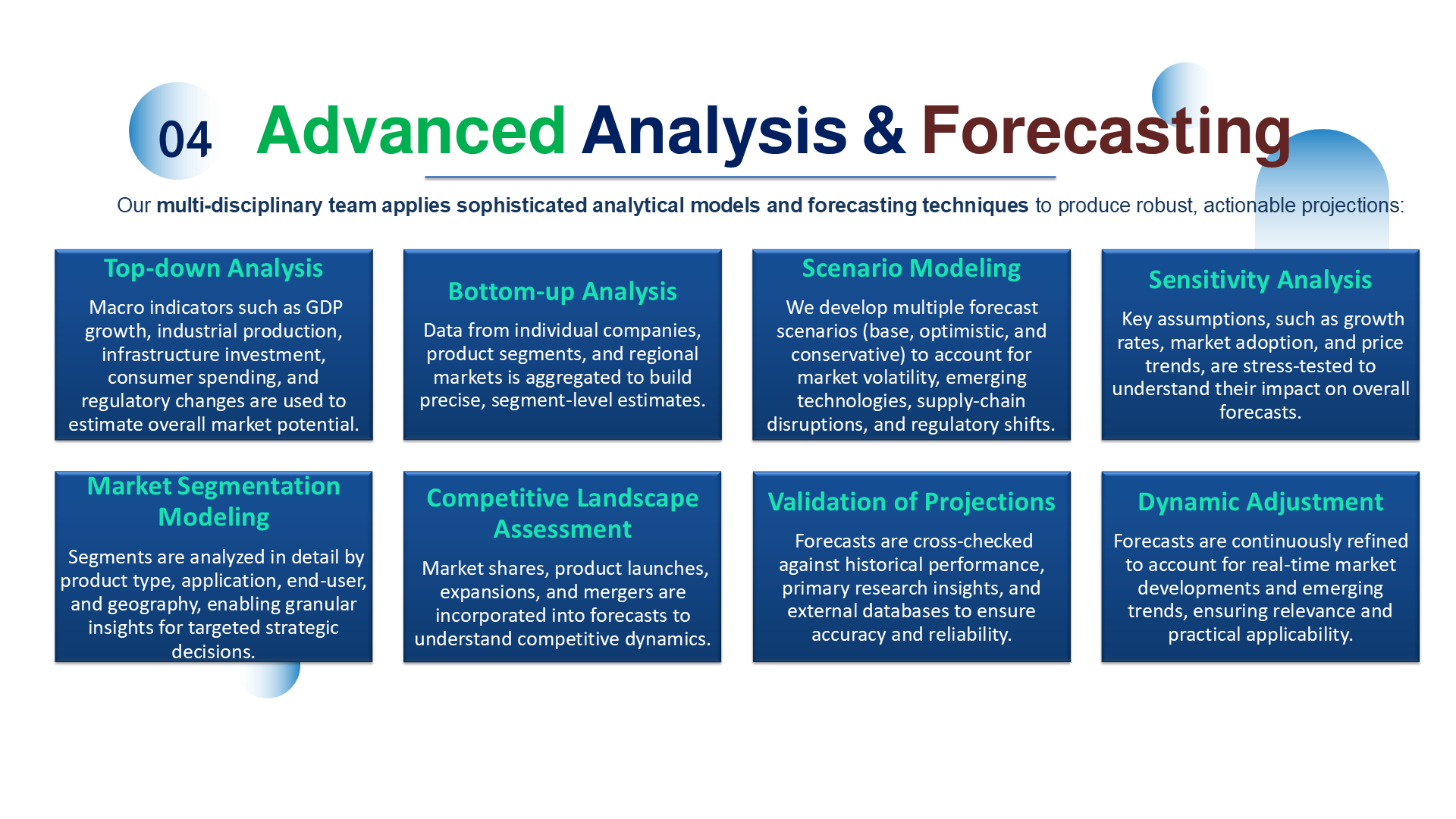
1.3.2 Market Formulation & Data Visualization
1.3.3 Data Validation & Publishing
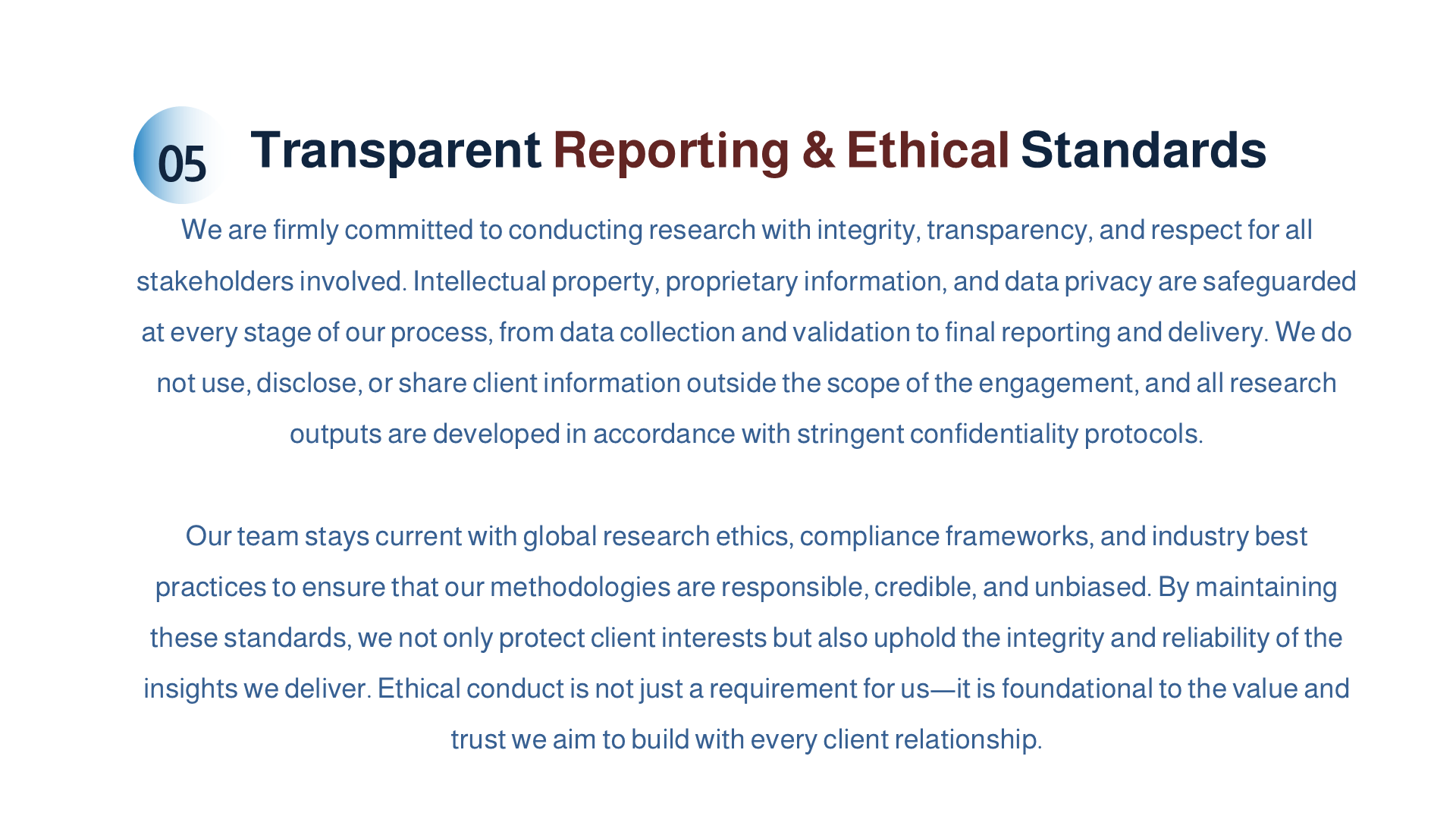
1.4. Research Scope and Assumptions
1.4.1 List of Data Sources
Chapter 2. EXECUTIVE SUMMARY
2.1. Market Snapshot
2.2. Segmental Outlook
2.3. Competitive Outlook
Chapter 3. MARKET VARIABLES, TRENDS, FRAMEWORK
3.1. Market Lineage Outlook
3.2. Penetration & Growth Prospect Mapping
3.3. Value Chain Analysis
3.4. Regulatory Framework
3.4.1 Standards & Compliance
3.4.2 Regulatory Impact Analysis
3.5. Market Dynamics
3.5.1 Market Drivers
3.5.2 Market Restraints
3.5.3 Market Opportunities
3.5.4 Market Challenges
3.6. Porter's Five Forces Analysis
3.7. PESTLE Analysis
Chapter 4. GLOBAL BLOOD PRODUCTS MARKET: BY TYPE 2022-2034 (USD MN)
4.1. Market Analysis, Insights and Forecast Type
4.2. Albumin Estimates and Forecasts By Regions 2022-2034 (USD MN)
4.3. Immunoglobulin Estimates and Forecasts By Regions 2022-2034 (USD MN)
4.4. Clotting Factor Estimates and Forecasts By Regions 2022-2034 (USD MN)
4.5. Others Estimates and Forecasts By Regions 2022-2034 (USD MN)
Chapter 5. GLOBAL BLOOD PRODUCTS MARKET: BY APPLICATION 2022-2034 (USD MN)
5.1. Market Analysis, Insights and Forecast Application
5.2. Bleeding Wound Estimates and Forecasts By Regions 2022-2034 (USD MN)
5.3. Immunodeficiency Estimates and Forecasts By Regions 2022-2034 (USD MN)
5.4. HBV Estimates and Forecasts By Regions 2022-2034 (USD MN)
5.5. Tetanus Estimates and Forecasts By Regions 2022-2034 (USD MN)
5.6. Rabies Estimates and Forecasts By Regions 2022-2034 (USD MN)
5.7. Hemophilia Estimates and Forecasts By Regions 2022-2034 (USD MN)
5.8. Others Estimates and Forecasts By Regions 2022-2034 (USD MN)
Chapter 6. GLOBAL BLOOD PRODUCTS MARKET: BY REGION 2022-2034 (USD MN)
6.1. Regional Outlook
6.2. North America Market Analysis, Insights and Forecast, 2022-2034 (USD MN)
6.2.1 By Type
6.2.2 By Application
6.2.3 United States
6.2.4 Canada
6.2.5 Mexico
6.3. Europe Market Analysis, Insights and Forecast, 2022-2034 (USD MN)
6.3.1 By Type
6.3.2 By Application
6.3.3 United Kingdom
6.3.4 France
6.3.5 Germany
6.3.6 Italy
6.3.7 Spain
6.3.8 Russia
6.3.9 Rest Of Europe
6.4. Asia-Pacific Market Analysis, Insights and Forecast, 2022-2034 (USD MN)
6.4.1 By Type
6.4.2 By Application
6.4.3 China
6.4.4 Japan
6.4.5 South Korea
6.4.6 India
6.4.7 Australia
6.4.8 South East Asia
6.4.9 Rest Of Asia Pacific
6.5. Latin America Market Analysis, Insights and Forecast, 2022-2034 (USD MN)
6.5.1 By Type
6.5.2 By Application
6.5.3 Brazil
6.5.4 Argentina
6.5.5 Peru
6.5.6 Chile
6.5.7 Rest of Latin America
6.6. Middle East & Africa Market Analysis, Insights and Forecast, 2022-2034 (USD MN)
6.6.1 By Type
6.6.2 By Application
6.6.3 Saudi Arabia
6.6.4 UAE
6.6.5 Israel
6.6.6 South Africa
6.6.7 Rest of the Middle East And Africa
Chapter 7. COMPETITIVE LANDSCAPE
7.1. Recent Developments
7.2. Company Categorization
7.3. Supply Chain & Channel Partners (based on availability)
7.4. Market Share & Positioning Analysis (based on availability)
7.5. Vendor Landscape (based on availability)
7.6. Strategy Mapping
Chapter 8. COMPANY PROFILES OF GLOBAL BLOOD PRODUCTS INDUSTRY
8.1. Top Companies Market Share Analysis
8.2. Company Profiles (Overview, Services, Financials (based on availability), Recent Developments,
Strategies, SWOT, Etc.)
8.2.1 CSL
8.2.2 BPL
8.2.3 Mitsubishi Tanabe Pharma Corporation
8.2.4 Takeda
8.2.5 Octapharma AG
8.2.6 Baxter
8.2.7 Grifols
8.2.8 Kedrion SpA
8.2.9 Hualan Bio
LIST OF TABLES
- Market Snapshot
- Segment Outlook
- Competitive Outlook
- Market Analysis By Type-2022-2034 (USD MN)
- Albumin Market Size By Geography (USD MN)
- Immunoglobulin Market Size By Geography (USD MN)
- Clotting Factor Market Size By Geography (USD MN)
- Others Market Size By Geography (USD MN)
- Market Analysis By Application-2022-2034 (USD MN)
- Bleeding Wound Market Size By Geography (USD MN)
- Immunodeficiency Market Size By Geography (USD MN)
- HBV Market Size By Geography (USD MN)
- Tetanus Market Size By Geography (USD MN)
- Rabies Market Size By Geography (USD MN)
- Hemophilia Market Size By Geography (USD MN)
- Others Market Size By Geography (USD MN)
- Global Blood Products Market Sales By Geography-2022-2034 (USD MN)
- North America Market Analysis (USD MN)
- United States Market Analysis (USD MN)
- Canada Market Analysis (USD MN)
- Mexico Market Analysis (USD MN)
- Europe Market Analysis (USD MN)
- United Kingdom Market Analysis (USD MN)
- France Market Analysis (USD MN)
- Germany Market Analysis (USD MN)
- Italy Market Analysis (USD MN)
- Russia Market Analysis (USD MN)
- Spain Market Analysis (USD MN)
- Rest of Europe Market Analysis (USD MN)
- Asia Pacific Market Analysis (USD MN)
- China Market Analysis (USD MN)
- Japan Market Analysis (USD MN)
- India Market Analysis (USD MN)
- South Korea Market Analysis (USD MN)
- Australia Market Analysis (USD MN)
- South East Asia Market Analysis (USD MN)
- Rest of Asia Pacific Market Analysis (USD MN)
- Latin America Market Analysis (USD MN)
- Brazil Market Analysis (USD MN)
- Argentina Market Analysis (USD MN)
- Peru Market Analysis (USD MN)
- Chile Market Analysis (USD MN)
- Rest of Latin America Market Analysis (USD MN)
- Middle East & Africa Market Analysis (USD MN)
- Saudi Arabia Market Analysis (USD MN)
- UAE Market Analysis (USD MN)
- Israel Market Analysis (USD MN)
- South Africa Market Analysis (USD MN)
- Rest of Middle East and Africa Market Analysis (USD MN)
- Partnership/Collaboration/Agreement
- Mergers And Acquisition
LIST OF FIGURES
- Research Scope of Global Blood Products Report
- Market Research Process
- Market Research Methodology
- Global Blood Products Market Size, By Regions (USD MN)
- Porters Five Forces Analysis
- PESTLE Analysis
- Market Attractiveness Analysis
- Value Chain Analysis
- Global Market Analysis By Type-2022-2034(USD MN)
- Albumin Market Sales By Geography (USD MN)
- Immunoglobulin Market Sales By Geography (USD MN)
- Clotting Factor Market Sales By Geography (USD MN)
- Others Market Sales By Geography (USD MN)
- Global Market Analysis By Application-2022-2034(USD MN)
- Bleeding Wound Market Sales By Geography (USD MN)
- Immunodeficiency Market Sales By Geography (USD MN)
- HBV Market Sales By Geography (USD MN)
- Tetanus Market Sales By Geography (USD MN)
- Rabies Market Sales By Geography (USD MN)
- Hemophilia Market Sales By Geography (USD MN)
- Others Market Sales By Geography (USD MN)
- Global Market Sales-2022-2034 (USD MN)
- North America Market Sales-2022-2034 (USD MN)
- Europe Market Sales-2022-2034 (USD MN)
- Asia Pacific Market Sales-2022-2034 (USD MN)
- Latin America Market Sales-2022-2034 (USD MN)
- Middle East & Africa Market Sales-2022-2034 (USD MN)
- Recent Development in Industry
- Top Company Market Share Analysis




Frequently Asked Questions (FAQs) about this Report
How big is the Global Blood Products market?
What is the Global Blood Products market growth?
Which country holds the highest share in the Global Blood Products market?
How is the Global Blood Products market segmented in the report?
Who are the key players in the Global Blood Products market?