Asia Pacific Behavior Analytics Market Size, Share, Trends & Growth Analysis Report Segmented By Solutions (User and Entity Behavior, A/B Testing, Heatmap, Feedback & Voice of Customer), Application , and Countries (India, China, Japan, South Korea, Australia, New Zealand, Thailand, Malaysia, Vietnam, Philippines, Indonesia, Singapore, Rest of Asia-Pacific), 2026-2034
Asia Pacific Behavior Analytics Market Size and Share
The Asia Pacific behavior analytics market size was valued at USD 1.37 Billion in 2025 and is projected to grow from USD 1.78 Billion in 2026 to USD 14.42 Billion by 2034, at a CAGR of 29.89% during the forecast period. China dominated the Asia Pacific behavior analytics market with a market share of 34.16% in 2025.
The Asia Pacific behavior analytics market is gaining momentum as enterprises increase their focus on cybersecurity, digital customer engagement, and data-driven decision-making. Government and industry evidence highlights the scale of the underlying need: India's CERT-In handled more than 29.44 lakh cyber incidents in 2025, while issuing 1,530 alerts, 390 vulnerability notes, and 65 advisories. The International Telecommunication Union reported that 66% of the Asia-Pacific population used the Internet in 2024, expanding the volume of digital interactions that can generate behavioral signals. The Asian Development Bank also found that urban internet usage across the region was 13 percentage points higher than rural usage, highlighting continuing digitalization opportunities. The Asia Pacific behavior analytics market size is expanding as enterprises increase investments in cybersecurity, customer intelligence, and digital experience analytics. The Asia Pacific behavior analytics market growth is being supported by rising cyber threats, expanding digital interactions, and increasing enterprise adoption of AI-based analytics.
Asia Pacific Behavior Analytics Market Key Takeaways
Market Size & Forecast
2025 Market Size: USD 1.37 Billion
2026 Market Size: USD 1.78 Billion
2034 Projected Market Size: USD 14.42 Billion
CAGR (2026-2034): 29.89%
Largest market: China
Market Share Analysis
- Based on solutions, user and entity behavior analytics held a 44.17% market share in 2025, while heatmap is projected to grow at a 21.06% CAGR over the forecast horizon to 2034.
- In terms of application, customer engagement held a 36.72% market share in 2025.
Key Country Highlights
- India accounted for a 5.14% share of the global behavior analytics market in 2025 and is projected to grow at a 30.21% CAGR over the period to 2034.
- China dominated the Asia Pacific behavior analytics market with a 34.16% market share in 2025. and is anticipated to expand at a 31.07% CAGR during the forecast period ending in 2034.
- Japan accounted for a 5.12% share of the global behavior analytics market in 2025 and is projected to register a 27.16% CAGR over the forecast horizon to 2034.
Asia Pacific Behavior Analytics Market Trends & Future Outlook
AI is moving behavior analytics from retrospective reporting toward real-time anomaly identification. Singapore's Cyber Security Agency reported that infected infrastructure increased to 284,300 in 2025, highlighting the growing need to identify unusual activity across connected environments. Growing adoption of AI-enabled platforms is supporting the Asia Pacific behavior analytics market size by encouraging organizations to consolidate behavioral, operational, and security data.
Rapid growth in mobile and online activity is creating larger behavioral datasets. China's National Bureau of Statistics reported 1.125 billion internet users in 2025 and mobile internet traffic of 395.8 billion GB. Greater interaction volume gives enterprises more signals for customer, workforce, and security analytics.
Cybersecurity is becoming a major use case for behavioral analytics. Australia's government reported that 82% of Commonwealth entities had a cybersecurity strategy in 2025, up from 75% in 2024. This focus on structured cyber-risk management should encourage greater use of behavioral monitoring and anomaly detection.
Impact of AI in the Asia Pacific Behavior Analytics Market
AI is making behavior analytics more predictive, adaptive, and operationally useful. India's CERT-In handled more than 29.44 lakh cyber incidents in 2025 and issued 1,530 alerts, 390 vulnerability notes, and 65 advisories, demonstrating the scale of the threat environment in which automated behavioral detection can operate. Singapore's cybersecurity agency has also identified AI as a factor reshaping the regional threat environment, particularly as attackers adopt more sophisticated techniques. AI-enabled analytics can correlate user actions, device signals, transaction patterns, and access behavior faster than conventional rule-based systems. The commercial implication is significant: enterprises can move from investigating isolated incidents toward continuously identifying deviations from established behavioral patterns. AI integration and growing digitalization are expected to remain important contributors to Asia Pacific behavior analytics market growth across security, customer engagement, and workforce applications.
Asia Pacific Behavior Analytics Market Investment Analysis
Investment in the Asia Pacific behavior analytics market is being supported by the intersection of cybersecurity, digital commerce, cloud adoption, and AI. India's digital payment ecosystem reached 22,831 crore transactions in FY2024-25, while UPI represented 81% of retail digital payments during the year, according to the Government of India. Such transaction intensity creates a substantial environment for behavioral intelligence across fraud prevention and customer engagement. Investors are likely to favor platforms that combine analytics, AI, cybersecurity, and customer intelligence rather than isolated visualization tools. Regulatory fragmentation, privacy requirements, integration complexity, and cybersecurity liability remain key risks. Overall, the strongest return potential should sit with scalable platforms that can monetize behavioral data across multiple enterprise functions.
Emerging Innovations in Asia Pacific Behavior Analytics Market
Behavioral platforms are increasingly using machine learning to establish dynamic baselines and identify deviations across users, devices, and transactions. India's CERT-In handled more than 29.44 lakh cyber incidents in 2025, highlighting the operational need for faster automated detection.
Growing digital transaction volumes are encouraging platforms to process behavioral signals continuously rather than through periodic reporting. Government data shows India's digital payment volume reached 22,831 crore transactions in FY2024-25, creating substantial opportunities for real-time fraud and engagement analytics.
Vendors are increasingly connecting customer behavior, workforce activity, and cybersecurity signals within unified platforms. China's 1.125 billion internet users in 2025 demonstrate the scale of digital activity generating these signals, supporting demand for integrated behavioral intelligence.
Asia Pacific Behavior Analytics Market Dynamics
Market Drivers
Rising cybersecurity threats, expanding digital activity, AI adoption, and growing enterprise dependence on data are driving the Asia Pacific behavior analytics market. According to CERT-In, India recorded 29,44,248 cyber incidents in 2025, strengthening demand for continuous monitoring and anomaly detection. The ITU reported that 66% of Asia-Pacific residents used the Internet in 2024, expanding the volume of behavioral data generated through digital channels. Singapore’s Cyber Security Agency reported 284,300 infected infrastructure instances in 2025, highlighting the need for proactive security intelligence. These developments are encouraging enterprises to integrate behavioral analytics with cybersecurity, customer engagement, fraud prevention, and workforce optimization, supporting broader adoption of intelligent analytics platforms across industries.
Market Restraints
High implementation costs, integration complexity, privacy requirements, and uneven digital infrastructure can restrain the Asia Pacific behavior analytics market. The Asian Development Bank reported that internet usage in urban areas was 13 percentage points higher than in rural areas, while mobile download speeds were 38% faster in cities. These differences can limit consistent access to behavioral data and advanced analytics capabilities. According to Singapore’s Cyber Security Agency, 284,300 infected infrastructure instances were identified in 2025, increasing the resources required for secure data environments. Enterprises must also integrate analytics with existing customer, security, and workforce systems. Increasing cybersecurity investments and expanding digital ecosystems are creating favorable conditions for sustained Asia Pacific behavior analytics market growth over the forecast period.
Market Opportunities
AI adoption, digitalization, cybersecurity investment, and expanding online activity are creating opportunities across the Asia Pacific behavior analytics market. CERT-In handled more than 29.44 lakh cyber incidents in India during 2025 and conducted 122 cybersecurity drills involving about 1,570 organizations, indicating stronger emphasis on digital resilience. The ITU reported that 66% of the Asia-Pacific population used the Internet in 2024, creating a broad base of digital interactions for behavioral analysis. The Asian Development Bank also identifies digitalization as an important opportunity for economic development across the region. Vendors can capitalize by combining customer intelligence, fraud analytics, threat detection, and workforce monitoring within scalable platforms designed for diverse enterprise requirements and regulatory environments.
Market Challenges
Rapidly evolving cyber threats, fragmented technology environments, regulatory complexity, and data quality issues create challenges for the Asia Pacific behavior analytics market. Singapore’s Cyber Security Agency reported 284,300 infected infrastructure instances in 2025, representing a 142% increase from 2024, demonstrating the speed at which threats can evolve. CERT-In recorded 29,44,248 cyber incidents in India during 2025, increasing pressure on organizations to strengthen behavioral monitoring. The Asian Development Bank reported a 13-percentage-point urban-rural internet usage gap across developing Asia-Pacific economies, indicating uneven digital readiness. Providers must improve detection accuracy while controlling false positives, protecting sensitive information, and supporting diverse systems. Rising cybersecurity concerns and increasing digital activity are strengthening Asia Pacific behavior analytics market demand among enterprises seeking continuous visibility into user and entity behavior.
Asia Pacific Behavior Analytics Market Segmentation Insights
Asia Pacific Behavior Analytics Market Analysis, By Solutions
By solutions, the market is categorized into user and entity behavior, A/B testing, heatmap, and feedback & voice of customer.
User and Entity Behavior held the largest position, accounting for 44.17% of the solutions segment in 2025. Its leadership reflects rising demand for monitoring abnormal activity, insider threats, and access patterns. CERT-In recorded 29,44,248 cyber incidents in India during 2025, reinforcing enterprise requirements for continuous behavioral monitoring and security analytics across digital environments. Heatmap is the fastest-growing solution, projected to expand at a 21.06% CAGR over the assessment period. Its growth is supported by increasing demand for visual analysis of digital journeys and user interactions. The ITU reported that 66% of Asia-Pacific residents used the Internet in 2024, expanding opportunities for detailed behavioral analysis.
Asia Pacific Behavior Analytics Market Analysis, By Application
By application, the market is categorized into customer engagement, brand promotion, workforce optimization, and threat detection & prevention.
Customer Engagement held the largest application position, accounting for 36.72% of the Asia Pacific behavior analytics market share in 2025. Its leadership reflects growing enterprise focus on understanding customer journeys, improving personalization, and strengthening retention. Government data shows India recorded 22,831 crore digital payment transactions in FY2024-25, highlighting expanding digital interactions generating valuable behavioral signals. Threat Detection & Prevention is the fastest-growing application, supported by escalating cybersecurity risks and stronger enterprise monitoring requirements. Singapore's Cyber Security Agency reported 284,300 infected infrastructure instances in 2025, demonstrating the expanding threat environment. These conditions are encouraging organizations to deploy behavioral analytics for anomaly identification, continuous monitoring, and proactive risk management.
Asia Pacific Behavior Analytics Market Regional Insights
India Behavior Analytics Market
India is projected to expand at a 30.21% CAGR through 2034, making it one of the strongest-growth markets in the region. Rapid digital adoption is creating substantial demand for behavioral intelligence across customer engagement, fraud detection, and cybersecurity. Government data shows digital payment transactions reached 22,831 crore in FY2024-25. CERT-In separately recorded 29,44,248 cyber incidents during 2025. Together, these developments demonstrate why enterprises increasingly require analytics that can understand both normal and abnormal digital behavior. Growing use of digital channels is creating additional Asia Pacific behavior analytics market demand across customer engagement, fraud prevention, and behavioral threat detection.
China Behavior Analytics Market
China led the market with a 34.16% Asia Pacific behavior analytics market share in 2025 and is projected to expand at a 31.07% CAGR during the forecast period. Its large digital ecosystem provides extensive behavioral data for customer intelligence and cybersecurity applications. China's National Bureau of Statistics reported 1.125 billion internet users, 1.204 billion 5G subscribers, and 2.888 billion mobile IoT terminals at the end of 2025. These connected environments increase the volume and diversity of behavioral signals available to enterprises. The market is therefore supported by both digital scale and growing enterprise requirements for security, personalization, and operational analytics.
Japan Behavior Analytics Market
Japan is accounted for a 5.12% share of the behavior analytics market in 2025 and is projected to register a 27.16% CAGR over the forecast horizon to 2034. Adoption is being shaped by enterprise digital transformation, cybersecurity modernization, and the increasing use of data-driven decision-making. Japanese organizations operate within a mature technology environment where behavioral analytics can be integrated into customer experience, workforce, and security workflows. The opportunity is particularly relevant as enterprises modernize legacy infrastructure and expand cloud-based operations. Vendors that can demonstrate explainable analytics, strong integration capabilities, and effective governance are likely to be better positioned. Japan's mature enterprise technology ecosystem also provides a foundation for sophisticated use cases beyond basic behavioral reporting.
South Korea Behavior Analytics Market
South Korea represents a technologically advanced market for behavior analytics, supported by strong connectivity, digital services, and sophisticated enterprise technology adoption. Behavioral intelligence can support customer journey optimization, fraud detection, workforce monitoring, and cybersecurity operations. The country's technology-intensive business environment provides favorable conditions for AI-supported analytics, particularly where large volumes of real-time digital interactions must be interpreted quickly. Adoption should increasingly move toward integrated platforms that connect customer, operational, and security signals. Data governance and privacy requirements will remain important considerations as organizations expand the volume of user-level information analyzed across applications and connected environments.
Australia Behavior Analytics Market
Australia is an important market for cybersecurity-oriented behavior analytics because government and enterprises are placing greater emphasis on structured cyber-risk management. Australia's government reported that 82% of Commonwealth entities had a cybersecurity strategy in 2025, compared with 75% in 2024. The same assessment emphasizes effective logging, incident response, supply-chain risk assessment, and management of legacy IT. These priorities directly support behavioral monitoring applications because high-quality logs and continuous activity analysis are central to anomaly detection. The market should therefore benefit from continued investment in security operations, cloud governance, and enterprise risk management.
Asia Pacific Behavior Analytics Market Competitive Overview
The Asia Pacific behavior analytics market is competitive across cybersecurity, customer experience, enterprise software, and analytics platforms. Qualtrics, OpenText, Splunk, Securonix, Zoho Corporation, Cisco Systems, Adobe, Fortinet, IBM, Oracle, Microsoft, NTT DATA, SAP, Varonis, Teradata, Google, and SAS compete through combinations of behavioral intelligence, security analytics, AI, customer experience, and enterprise integration. Competitive differentiation increasingly depends on how effectively vendors convert raw activity data into actionable insights. Regulatory requirements also favor providers with strong governance and security capabilities. Australia's government emphasis on logging, incident preparedness, and supply-chain risk illustrates why security-oriented analytics capabilities are becoming strategically important. AI-enabled monitoring and real-time anomaly detection are expected to support Asia Pacific behavior analytics market demand as organizations prioritize faster and more accurate decision-making.
Leading Market Players in the Asia Pacific Behavior Analytics Market
- Microsoft Corporation: Microsoft is positioned strongly through its broad enterprise software, cloud, cybersecurity, and analytics ecosystem. Its advantage comes from integrating behavioral signals across identity, applications, endpoints, cloud environments, and security operations. This integrated approach can reduce the need for organizations to manage disconnected analytics tools. For the Asia Pacific market, localization, regulatory alignment, AI capabilities, and integration with existing enterprise infrastructure remain important competitive factors. Its broader platform strategy gives it an opportunity to position behavioral analytics as part of enterprise-wide digital intelligence rather than as a standalone analytics application.
- IBM Corporation: IBM brings together enterprise analytics, artificial intelligence, cybersecurity, and consulting capabilities that are highly relevant to behavior analytics. Its strength lies in helping large organizations integrate complex datasets and operational workflows, particularly where behavioral information must support security, compliance, and risk management. In Asia Pacific, demand for explainable AI and governance can support its positioning as organizations become more cautious about automated decision-making. The company's consulting capabilities can also help enterprises address integration barriers, which remain one of the key challenges to deploying behavior analytics at scale.
- Splunk: Splunk has a strong position in data-driven security and operational intelligence, making it relevant to behavior analytics applications involving anomaly detection, monitoring, and incident response. Its capabilities can help organizations correlate activity across users, applications, devices, and infrastructure rather than evaluating isolated events. This is particularly valuable as enterprises face increasingly distributed technology environments. In Asia Pacific, growing cybersecurity investment provides a strong adoption pathway, especially among large enterprises and organizations with complex IT environments. Splunk's competitive opportunity is to deepen the connection between behavioral signals and security operations, helping customers move from event monitoring toward proactive identification of unusual activity and emerging threats.
List of Companies Profiled in the Report are:
{report_table}
Analyst’s View on the Asia Pacific Behavior Analytics Market
- Rising cybersecurity risks will remain a major adoption catalyst, encouraging enterprises to use behavioral intelligence for anomaly detection, insider-risk monitoring, and proactive threat management. Vendors combining analytics with AI-driven security capabilities should gain stronger positioning as organizations prioritize continuous digital visibility.
- Customer engagement will remain commercially important as enterprises seek deeper understanding of digital journeys, preferences, and interaction patterns. Behavior analytics providers that connect customer intelligence with personalization, conversion optimization, and retention strategies can create broader value while strengthening their competitive positioning across digital-first industries.
- The Asia Pacific behavior analytics market share will increasingly reflect technological differentiation, particularly through AI-enabled detection, real-time analytics, and integrated enterprise platforms. Providers capable of connecting customer, workforce, application, and security signals within unified environments should be better positioned to capture expanding enterprise demand.
- Regulatory expectations around cybersecurity, privacy, and responsible data management will influence purchasing decisions. Enterprises are likely to favor platforms offering strong governance, transparent analytics, and secure data handling. Vendors that adapt capabilities to differing national requirements can reduce compliance friction and improve regional expansion prospects.
- Investment opportunities will increasingly favor scalable platforms that demonstrate measurable operational value rather than standalone visualization capabilities. Solutions supporting cybersecurity, customer engagement, fraud prevention, and workforce optimization simultaneously can provide stronger long-term relevance, particularly as enterprises seek to consolidate analytics technologies and control implementation complexity.
List of Segments Covered
This section of the market report provides detailed data on the segments at country and regional level, thereby assisting the strategist in identifying the target demographics for the respective product or services with the upcoming opportunities.
By Solutions By Application
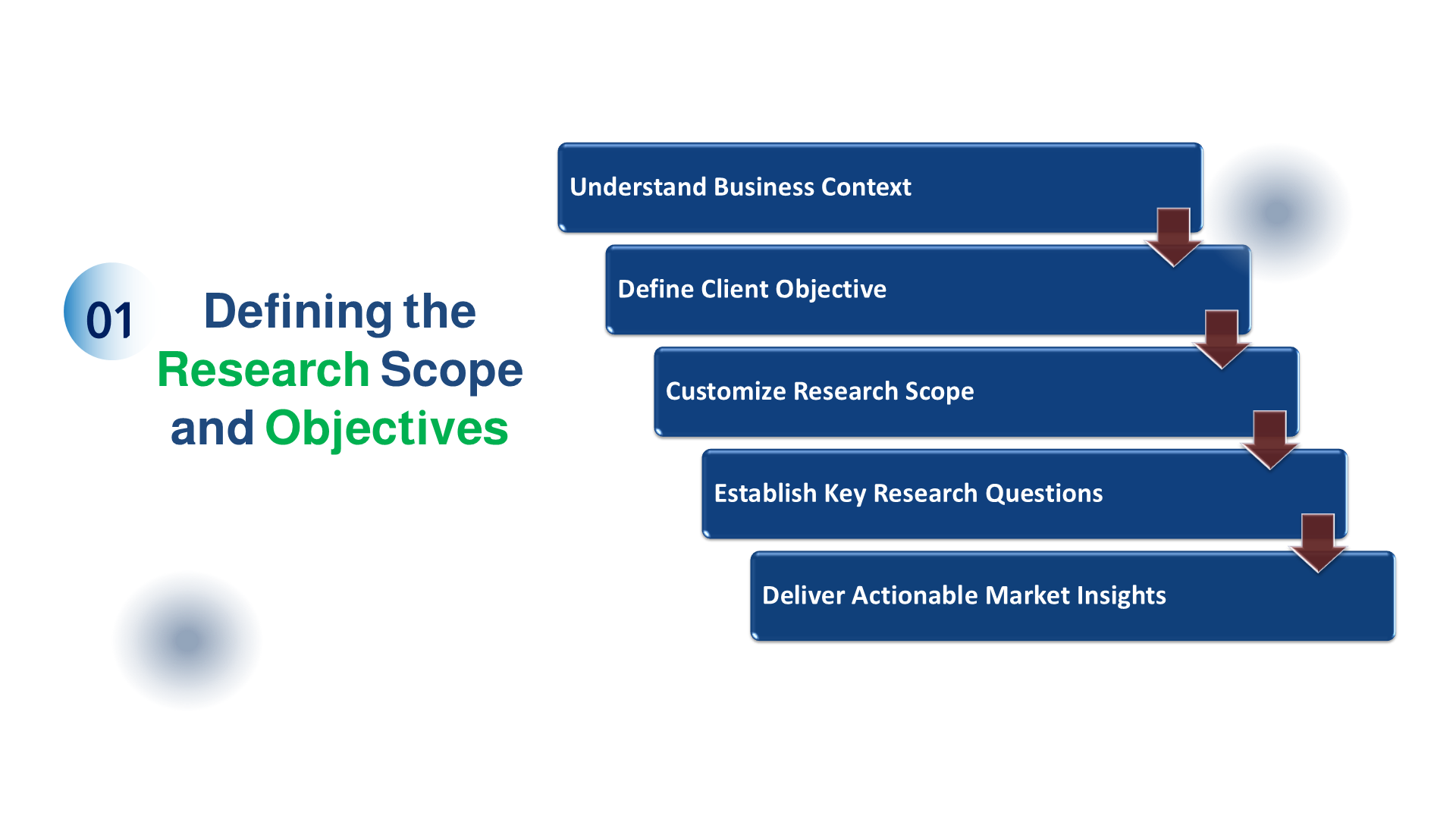
1.1. Market Segmentation & Scope
1.2. Market Definition
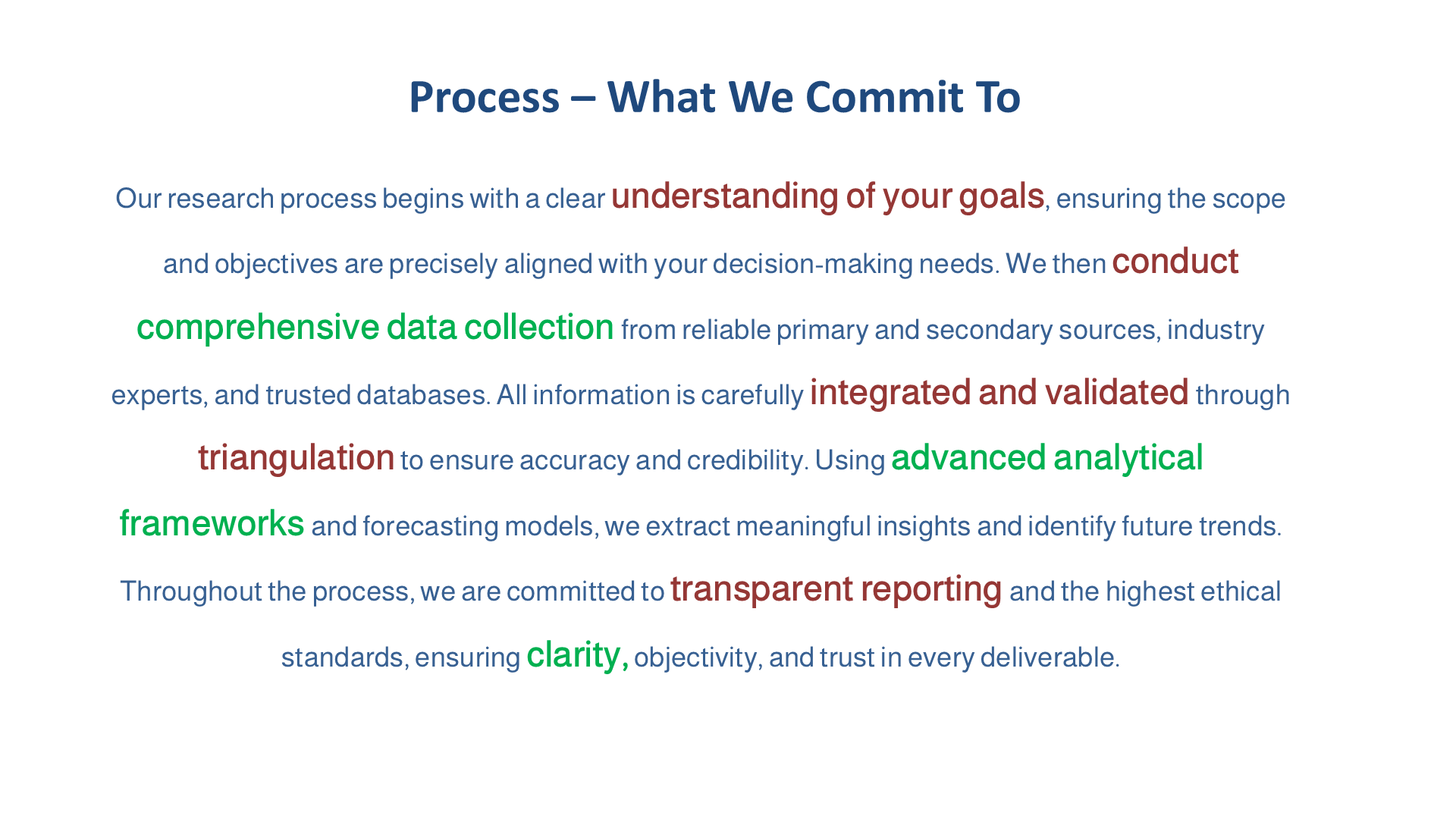
1.3. Information Procurement
1.3.1 Information Analysis
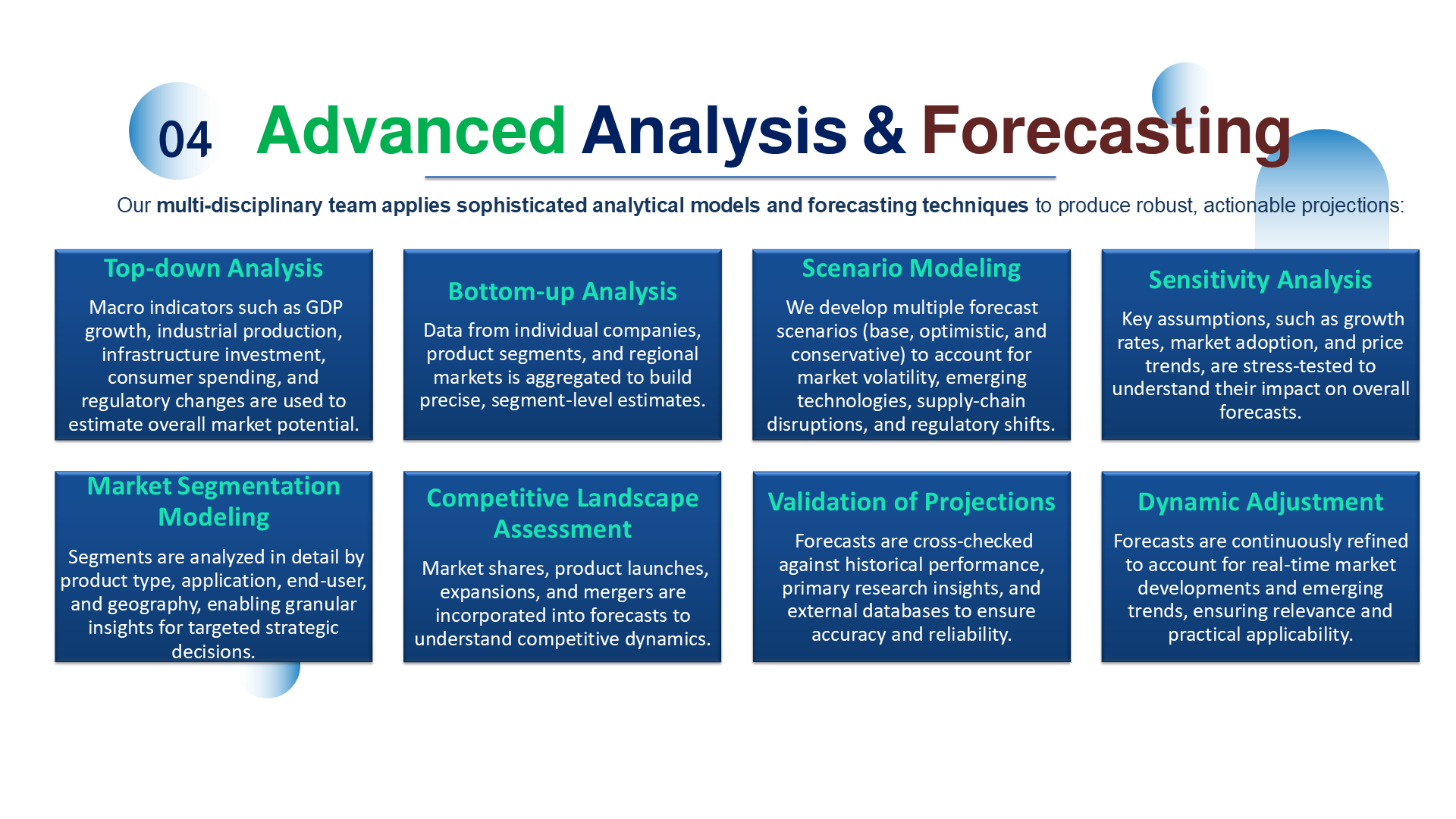
1.3.2 Market Formulation & Data Visualization
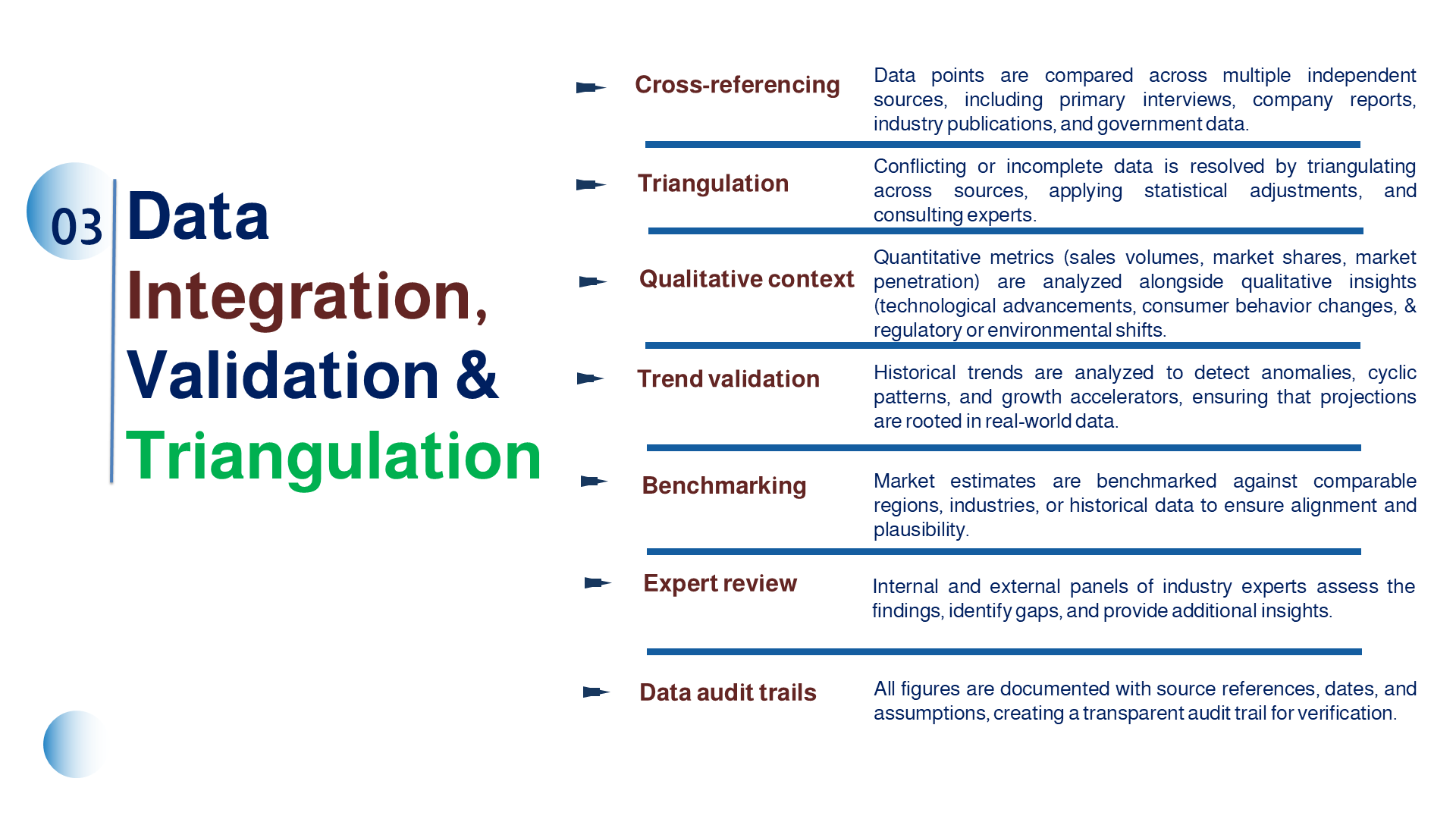
1.3.3 Data Validation & Publishing
1.4. Research Scope and Assumptions
1.4.1 List of Data Sources
Chapter 2. EXECUTIVE SUMMARY
2.1. Market Snapshot
2.2. Segmental Outlook
2.3. Competitive Outlook
Chapter 3. MARKET VARIABLES, TRENDS, FRAMEWORK
3.1. Market Lineage Outlook
3.2. Penetration & Growth Prospect Mapping
3.3. Value Chain Analysis
3.4. Regulatory Framework
3.4.1 Standards & Compliance
3.4.2 Regulatory Impact Analysis
3.5. Market Dynamics
3.5.1 Market Drivers
3.5.2 Market Restraints
3.5.3 Market Opportunities
3.5.4 Market Challenges
3.6. Porter's Five Forces Analysis
3.7. PESTLE Analysis
Chapter 4. ASIA PACIFIC BEHAVIOR ANALYTICS MARKET: BY SOLUTIONS 2022-2034 (USD MN)
4.1. Market Analysis, Insights and Forecast Solutions
4.2. User and Entity Behavior Estimates and Forecasts By Country 2022-2034 (USD MN)
4.3. A/B Testing Estimates and Forecasts By Country 2022-2034 (USD MN)
4.4. Heatmap Estimates and Forecasts By Country 2022-2034 (USD MN)
4.5. Feedback & Voice of Customer Estimates and Forecasts By Country 2022-2034 (USD MN)
Chapter 5. ASIA PACIFIC BEHAVIOR ANALYTICS MARKET: BY APPLICATION 2022-2034 (USD MN)
5.1. Market Analysis, Insights and Forecast Application
5.2. Customer Engagement Estimates and Forecasts By Country 2022-2034 (USD MN)
5.3. Brand Promotion Estimates and Forecasts By Country 2022-2034 (USD MN)
5.4. Workforce Optimization Estimates and Forecasts By Country 2022-2034 (USD MN)
5.5. Threat Detection & Prevention Estimates and Forecasts By Country 2022-2034 (USD MN)
Chapter 6. ASIA PACIFIC BEHAVIOR ANALYTICS MARKET: BY COUNTRY 2022-2034 (USD MN)
6.1. Regional Outlook
6.2. Asia Pacific Market Analysis, Insights and Forecast, 2022-2034 (USD MN)
6.2.1 India
6.2.2 China
6.2.3 Japan
6.2.4 South Korea
6.2.5 Australia
6.2.6 New Zealand
6.2.7 Thailand
6.2.8 Malaysia
6.2.9 Vietnam
6.2.10 Philippines
6.2.11 Indonesia
6.2.12 Singapore
6.2.13 Rest Of Asia-Pacific
Chapter 7. COMPETITIVE LANDSCAPE
7.1. Recent Developments
7.2. Company Categorization
7.3. Supply Chain & Channel Partners (based on availability)
7.4. Market Share & Positioning Analysis (based on availability)
7.5. Vendor Landscape (based on availability)
7.6. Strategy Mapping
Chapter 8. COMPANY PROFILES OF ASIA PACIFIC BEHAVIOR ANALYTICS INDUSTRY
8.1. Top Companies Market Share Analysis
8.2. Company Profiles (Overview, Services, Financials (based on availability), Recent Developments,
Strategies, SWOT, Etc.)
8.2.1 Qualtrics
8.2.2 OpenText
8.2.3 Splunk
8.2.4 Securonix
8.2.5 Zoho Corporation
8.2.6 Cisco Systems Inc
8.2.7 Adobe Inc
8.2.8 Fortinet Inc
8.2.9 IBM Corporation
8.2.10 Oracle Corporation
8.2.11 Microsoft Corporation
8.2.12 NTT DATA Corporation
8.2.13 SAP SE
8.2.14 Varonis Systems Inc
8.2.15 Teradata Corporation
8.2.16 Google LLC
8.2.17 SAS Institute Inc
*Note - Kindly note that the above-listed are the basic tables and figures of the report and are not limited to the TOC.