Global Anti-Drone Market Size, Share, Trends & Growth Analysis Report Segmented By Method (Detection, Interdiction), Technology, Platform, End-use, And Regions (North America, Europe, Asia-Pacific, Latin America, Middle East and Africa), 2026-2034
The Anti-Drone Market size was valued at USD 19.14 Billion in 2025. It is projected to grow from USD 21.26 Billion in 2026 to USD 49.28 Billion by 2034, at a CAGR of 11.08% during the forecast period.
The anti-drone market is experiencing significant growth driven by various factors. One of the primary drivers is the increasing concerns regarding security and privacy violations posed by unauthorized drone activities. Governments and organizations are investing heavily in anti-drone technologies to safeguard critical infrastructure and public spaces. According to a report by the Federal Aviation Administration, the number of reported drone incidents has surged, prompting a need for effective countermeasures.
Another key driver is the rapid technological advancements in anti-drone systems, including the development of sophisticated detection and interdiction technologies. These innovations enhance the effectiveness of anti-drone solutions, making them more appealing to potential buyers. Furthermore, the rise in commercial drone applications, such as delivery services and aerial photography, has led to a greater demand for protective measures against rogue drones.
The growing adoption of anti-drone systems in various sectors, including defense, transportation, and public safety, presents ample opportunities for market expansion. As regulatory frameworks evolve to address drone-related challenges, the anti-drone market is poised for substantial growth in the coming years.
Market Dynamics
Anti-Drone Market Drivers
- Escalating Drone Incidents: The increasing frequency of unauthorized drone activities has become a significant driver for the anti-drone market. These incidents have raised alarms among regulatory bodies and security agencies, prompting them to seek effective countermeasures. The rise in drone-related threats, including potential terrorist activities and privacy violations, has led to heightened investments in anti-drone technologies. As organizations recognize the need to protect critical infrastructure and public spaces, the demand for advanced detection and interdiction systems is expected to surge, driving market growth.
- Government Initiatives and Regulations: Government initiatives aimed at regulating drone usage are significantly influencing the anti-drone market. The Federal Aviation Administration has implemented stringent regulations to ensure safe drone operations, which include provisions for anti-drone measures. These regulations create a framework that encourages organizations to invest in anti-drone technologies to comply with legal requirements. Furthermore, various governments are allocating budgets for research and development of anti-drone systems to enhance national security. The Department of Homeland Security has emphasized the importance of developing effective counter-drone strategies, further driving the demand for anti-drone solutions. As regulatory frameworks evolve, the market is likely to witness increased adoption of anti-drone technologies across various sectors.
- Rising Security Concerns in Public Spaces: The growing awareness of security vulnerabilities in public spaces is a crucial driver for the anti-drone market. High-profile incidents involving drones disrupting public events or trespassing into restricted areas have raised concerns among law enforcement and security agencies. The National Institute of Justice has reported that unauthorized drones pose significant risks to public safety, prompting a need for effective countermeasures. As cities and municipalities invest in smart city initiatives, the integration of anti-drone technologies becomes essential to ensure the safety of citizens. The increasing focus on public safety and security is driving the demand for anti-drone solutions, as organizations seek to mitigate risks associated with unauthorized drone activities.
- Technological Advancements in Anti-Drone Solutions: The rapid advancements in anti-drone technologies are significantly influencing market growth. Innovations in detection systems, such as radar, radio frequency identification, and electro-optical sensors, have enhanced the capabilities of anti-drone solutions. The National Aeronautics and Space Administration has highlighted that these technologies are becoming more sophisticated, allowing for improved identification and neutralization of unauthorized drones. Additionally, the development of non-kinetic countermeasures, such as jamming and spoofing technologies, is expanding the range of options available to organizations. As these technologies continue to evolve, their effectiveness and efficiency will improve, further driving the adoption of anti-drone solutions across various sectors, including defense, transportation, and public safety.
Anti-Drone Market Opportunities
- Emerging Markets: The anti-drone market presents significant opportunities in emerging economies where drone usage is on the rise. Countries in Asia-Pacific and Latin America are witnessing an increase in drone applications across sectors such as agriculture, logistics, and surveillance. As these regions develop their drone infrastructure, the demand for anti-drone solutions will grow. Governments in these areas are likely to invest in security measures to mitigate risks associated with unauthorized drone activities, creating a lucrative market for anti-drone technologies.
- Integration with Smart City Initiatives: The integration of anti-drone systems with smart city initiatives offers a promising opportunity for market growth. As urban areas increasingly adopt smart technologies for traffic management, public safety, and infrastructure monitoring, the need for effective anti-drone solutions becomes critical. Smart cities can leverage anti-drone technologies to enhance security and protect citizens from potential threats posed by rogue drones. This synergy between smart city development and anti-drone solutions presents a unique opportunity for market players to innovate and expand their offerings.
- Partnerships and Collaborations: Collaborations between technology providers and government agencies can create significant opportunities in the anti-drone market. By partnering with defense organizations and law enforcement agencies, companies can develop tailored solutions that address specific security challenges. These partnerships can lead to the co-development of advanced anti-drone technologies, enhancing their effectiveness and market appeal. As governments seek reliable solutions to combat drone threats, strategic collaborations will be essential for driving innovation and market growth.
- Increased Investment in R&D: The growing recognition of the importance of anti-drone technologies is leading to increased investment in research and development. Companies are focusing on developing next-generation solutions that incorporate artificial intelligence, machine learning, and advanced sensor technologies. This investment in R&D will not only enhance the capabilities of anti-drone systems but also create opportunities for market players to differentiate themselves through innovative offerings. As the demand for sophisticated anti-drone solutions rises, companies that prioritize R&D will be well-positioned to capture market share.
Anti -Drone Market Restrain & Challenges
- High Costs of Implementation: The initial investment required for anti-drone systems can be substantial, posing a challenge for many organizations, particularly small and medium-sized enterprises. The costs associated with advanced technologies, installation, and maintenance can deter potential buyers from adopting these solutions. According to the Department of Defense, budget constraints often limit the ability of agencies to invest in comprehensive anti-drone measures, hindering market growth. As a result, the high costs associated with these systems can restrict their widespread adoption, particularly in sectors where budget allocations are tight.
- Regulatory Hurdles: While regulatory support can drive market growth, the evolving nature of drone regulations can also present challenges. Different countries have varying regulations regarding drone usage and anti-drone measures, leading to confusion and compliance issues for organizations operating in multiple jurisdictions. The Federal Aviation Administration has noted that inconsistent regulations can complicate the deployment of anti-drone technologies, as companies must navigate a complex landscape of legal requirements. This regulatory uncertainty can slow down the decision-making process for potential buyers, impacting market growth.
- Technological Limitations: Despite advancements in anti-drone technologies, there are still limitations that can hinder their effectiveness. For instance, certain systems may struggle to differentiate between authorized and unauthorized drones, leading to potential false positives. The National Aeronautics and Space Administration has highlighted that environmental factors, such as weather conditions and urban landscapes, can also affect the performance of detection systems. These technological limitations can create challenges for organizations seeking reliable anti-drone solutions, potentially impacting their willingness to invest in such systems.
- Public Perception and Privacy Concerns: The deployment of anti-drone technologies can raise public concerns regarding privacy and civil liberties. Citizens may fear that anti-drone systems could be misused for surveillance or infringe upon their rights. The American Civil Liberties Union has expressed concerns about the potential for abuse of power by authorities using anti-drone technologies. This public perception can lead to resistance against the implementation of such systems, creating a challenge for market players as they seek to balance security needs with the protection of individual rights.
Current Trends in the Anti-Drone Market
- Increased Use of Artificial Intelligence: The integration of artificial intelligence (AI) into anti-drone systems is a significant trend shaping the market. AI technologies enhance the capabilities of detection and interdiction systems by enabling real-time data analysis and decision-making. The National Institute of Standards and Technology has reported that AI can improve the accuracy of identifying unauthorized drones, reducing the likelihood of false alarms. As AI continues to evolve, its application in anti-drone solutions is expected to grow, leading to more effective and efficient systems.
- Development of Multi-Layered Defense Systems: The trend towards multi-layered defense systems is gaining traction in the anti-drone market. Organizations are increasingly adopting a combination of detection, tracking, and neutralization technologies to create comprehensive solutions. The Department of Homeland Security has emphasized the importance of a multi-faceted approach to countering drone threats, as it allows for greater flexibility and effectiveness in addressing various scenarios. This trend is driving innovation in the market, as companies develop integrated systems that can operate cohesively to enhance security.
- Focus on Countermeasures for Commercial Drones: As commercial drone usage continues to rise, there is a growing focus on developing countermeasures specifically designed for these applications. The Federal Aviation Administration has noted that the proliferation of commercial drones presents unique challenges, necessitating tailored anti-drone solutions. Companies are investing in technologies that can effectively neutralize rogue commercial drones while minimizing collateral damage. This trend reflects the need for specialized solutions that address the specific risks associated with commercial drone operations.
- Collaboration with Law Enforcement Agencies: Partnerships between anti-drone technology providers and law enforcement agencies are becoming increasingly common. These collaborations enable the development of solutions that meet the specific needs of law enforcement while ensuring compliance with legal and ethical standards. The International Association of Chiefs of Police has highlighted the importance of such partnerships in enhancing public safety and security. As law enforcement agencies seek reliable anti-drone solutions, these collaborations are expected to drive innovation and market growth.
Segmentation Insights
Anti-Drone Market Analysis, By Method
By Method Type, the market is categorized into Detection and Interdiction.
- The largest segment in the anti-drone market is Detection. This segment leads due to the critical need for identifying unauthorized drone activities before they pose a threat. Detection technologies, such as radar systems and radio frequency sensors, are essential for monitoring airspace and ensuring safety in sensitive areas. The increasing number of drone incidents has heightened the demand for effective detection systems, as organizations seek to prevent potential security breaches. Moreover, advancements in detection technologies have improved their accuracy and reliability, making them indispensable for various sectors, including defense, transportation, and public safety. As the reliance on drones grows, the need for robust detection capabilities will continue to drive this segment's prominence in the market.
- The fastest-growing segment is Interdiction. This segment is expanding rapidly due to the rising necessity for active countermeasures against unauthorized drones. As drone-related threats become more sophisticated, organizations are increasingly investing in interdiction technologies that can neutralize rogue drones effectively. Solutions such as RF jammers and high-energy lasers are gaining traction as they provide immediate responses to drone threats. The growing awareness of security vulnerabilities associated with drone operations is propelling the demand for interdiction systems. As regulatory frameworks evolve and the need for comprehensive security measures intensifies, the interdiction segment is expected to witness significant growth in the coming years, highlighting its critical role in the anti-drone market.
Anti-Drone Market Analysis, By Technology
By Technology Type, the market is categorized into RF Analyzer, Acoustic Sensors, Optical Sensor, Radar, RF Jammer, GPS Spoofer, High Power Microwave Devices, Nets and Guns, High Energy Lasers.
- The largest segment in the anti-drone market is Radar technology. This segment is leading due to its effectiveness in long-range detection and tracking of drones. Radar systems can operate in various environmental conditions, providing reliable surveillance capabilities. The ability to detect multiple targets simultaneously makes radar a preferred choice for military and security applications. As the demand for comprehensive airspace monitoring increases, radar technology continues to dominate the market, offering robust solutions for identifying unauthorized drone activities.
- The fastest-growing segment is High Energy Lasers. This segment is experiencing rapid growth as advancements in laser technology enhance their effectiveness in neutralizing drone threats. High energy lasers provide precise targeting capabilities, allowing for the safe and efficient elimination of rogue drones without causing collateral damage. The increasing focus on developing non-kinetic solutions for drone interdiction is driving the adoption of high energy lasers. As organizations seek innovative and effective countermeasures, this segment is poised for significant expansion in the anti-drone market.
Anti-Drone Market Analysis, By Platform
By Platform Type, the market is categorized into Handheld, UAV, Ground Based.
- The largest segment in the anti-drone market is Ground Based systems. This segment leads due to their versatility and effectiveness in various operational environments. Ground-based anti-drone systems can be deployed in multiple settings, including urban areas, military bases, and critical infrastructure sites. Their ability to integrate with existing security frameworks enhances their appeal to organizations seeking comprehensive protection against drone threats. As the demand for reliable and adaptable anti-drone solutions grows, ground-based systems continue to dominate the market.
- The fastest-growing segment is Handheld systems. This segment is expanding rapidly as portable and user-friendly solutions become increasingly popular among law enforcement and security personnel. Handheld anti-drone devices offer the advantage of mobility, allowing operators to respond quickly to drone threats in various locations. The rising need for immediate and flexible countermeasures is driving the adoption of handheld systems. As technology advances and the effectiveness of these devices improves, the handheld segment is expected to witness significant growth in the anti-drone market.
Anti-Drone Market Analysis, By End-use
By End-use Type, the market is categorized into Government and Defense, Commercial, Airports, Others.
- The largest segment in the anti-drone market is Government and Defense. This segment leads due to the heightened security concerns and the need for robust protective measures against potential drone threats. Government agencies and defense organizations are investing heavily in anti-drone technologies to safeguard critical infrastructure and national security. The increasing frequency of drone-related incidents has prompted these entities to prioritize the implementation of effective countermeasures. As the demand for security solutions continues to rise, the government and defense segment remains at the forefront of the anti-drone market.
- The fastest-growing segment is Airports. This segment is experiencing rapid growth as the aviation industry recognizes the need for enhanced security measures against unauthorized drone activities. Airports are critical infrastructure that requires stringent security protocols to ensure passenger safety and operational efficiency. The rising number of drone incidents near airports has led to increased investments in anti-drone technologies tailored for airport environments. As the aviation sector continues to expand and evolve, the demand for effective anti-drone solutions in airports is expected to grow significantly.
Anti-Drone Market Regional Insights
The market has been geographically analysed across five regions, Europe, North America, Asia Pacific, Latin America, and the Middle East & Africa.
- North America is the largest region in the anti-drone market, primarily due to the heightened security concerns and significant investments in defense and public safety. The presence of advanced technological infrastructure and a robust regulatory framework further bolster the demand for anti-drone solutions. Government agencies and private sectors are increasingly adopting these technologies to protect critical infrastructure and ensure public safety. The Federal Aviation Administration's proactive stance on drone regulations has also contributed to the region's leadership in the anti-drone market.
- Asia-Pacific is the fastest-growing region, driven by the rapid adoption of drones across various sectors, including agriculture, logistics, and surveillance. Countries like China and India are witnessing a surge in drone applications, leading to increased concerns regarding unauthorized drone activities. As governments in this region recognize the need for effective countermeasures, investments in anti-drone technologies are expected to rise significantly. The growing awareness of security vulnerabilities associated with drone operations is propelling the demand for anti-drone solutions, making Asia-Pacific a key player in the market's expansion.
Anti-Drone Market Competitive Overview
The anti-drone market is characterized by a competitive landscape with numerous players striving to innovate and capture market share. Companies are focusing on developing advanced technologies that enhance the effectiveness of anti-drone systems. Strategic partnerships and collaborations with government agencies and law enforcement are common, allowing for tailored solutions that meet specific security needs. Additionally, market players are investing in research and development to create next-generation anti-drone technologies that incorporate artificial intelligence and machine learning. This competitive environment fosters innovation and drives the overall growth of the anti-drone market, as organizations seek reliable and effective solutions to combat the increasing threats posed by unauthorized drones.
Leading Market Players in the Anti-Drone Market
- RTX: RTX is a prominent player in the anti-drone market, known for its innovative solutions that enhance security and safety. The company focuses on developing advanced detection and interdiction technologies that cater to various sectors, including defense and public safety. RTX's commitment to research and development enables it to stay at the forefront of technological advancements, ensuring its products meet the evolving needs of customers. The company's strategic partnerships with government agencies further strengthen its position in the market, allowing for the co-development of tailored solutions that address specific security challenges.
- Lockheed Martin: Lockheed Martin is a key player in the anti-drone market, leveraging its extensive experience in defense and aerospace to develop cutting-edge anti-drone technologies. The company offers a range of solutions designed to detect, track, and neutralize unauthorized drones, ensuring the safety of critical infrastructure and public spaces. Lockheed Martin's focus on innovation and collaboration with government entities positions it as a leader in the anti-drone sector. The company's commitment to addressing emerging security threats through advanced technology solutions underscores its significant role in the market.
- Israel Aerospace Industries: Israel Aerospace Industries (IAI) is a leading provider of anti-drone solutions, recognized for its expertise in defense and security technologies. The company develops a variety of systems that effectively counter drone threats, including detection, tracking, and neutralization capabilities. IAI's innovative approach to anti-drone technology, combined with its strong partnerships with military and law enforcement agencies, enhances its market presence. The company's commitment to delivering reliable and effective solutions positions it as a key player in the global anti-drone market.
Top Strategies Followed by Players
- Innovation in Technology Development: Leading players in the anti-drone market are prioritizing innovation in technology development to stay competitive. Companies are investing heavily in research and development to create advanced detection and interdiction systems that leverage artificial intelligence and machine learning. This focus on innovation allows them to enhance the effectiveness and efficiency of their solutions, addressing the evolving threats posed by unauthorized drones. By continuously improving their technologies, these players can offer superior products that meet the demands of various sectors, including defense, transportation, and public safety.
- Strategic Partnerships and Collaborations: Forming strategic partnerships and collaborations is a common strategy among key players in the anti-drone market. By partnering with government agencies, law enforcement, and other stakeholders, companies can develop tailored solutions that address specific security challenges. These collaborations enable the co-development of advanced technologies, enhancing their market appeal and effectiveness. Additionally, partnerships can facilitate access to new markets and customer segments, driving growth and expanding the reach of anti-drone solutions.
- Focus on Customer-Centric Solutions: Companies in the anti-drone market are increasingly adopting a customer-centric approach to their product offerings. By understanding the unique needs and challenges faced by their clients, these players can develop solutions that are specifically designed to meet those requirements. This focus on customer needs not only enhances product relevance but also fosters long-term relationships with clients. By providing tailored solutions and exceptional customer support, companies can differentiate themselves in a competitive market and build a loyal customer base.
List of Companies Profiled in the Report are:
- RTX
- Lockheed Martin
- Israel Aerospace Industries
- DroneShield
- Detect
- Dedrone
- Liteye Systems
- Elbit Systems
- Saab
- Thales
List of Segments Covered
This section of the Anti-Drone market report provides detailed data on the segments at country and regional level, thereby assisting the strategist in identifying the target demographics for the respective product or services with the upcoming opportunities.
By Method
- Detection
- Interdiction
By Technology
- RF Analyzer
- Acoustic Sensors
- Optical Sensor
- Radar
- RF Jammer
- GPS Spoofer
- High Power Microwave Devices
- Nets and Guns
- High Energy Lasers
By Platform
- Handheld
- UAV
- Ground Based
By End-use
- Government and Defense
- Commercial
- Airports
- Others
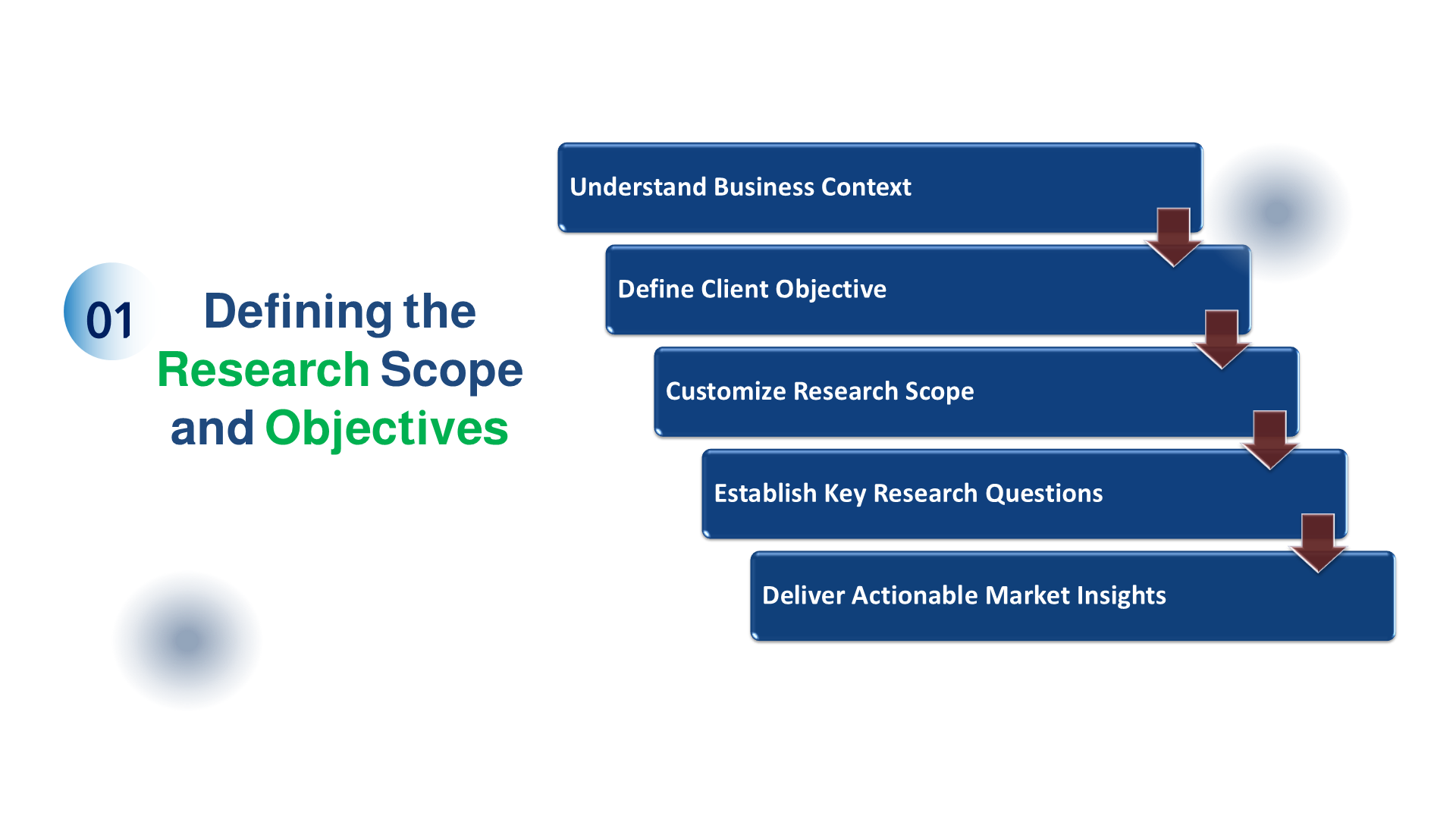
1.1. Market Segmentation & Scope
1.2. Market Definition
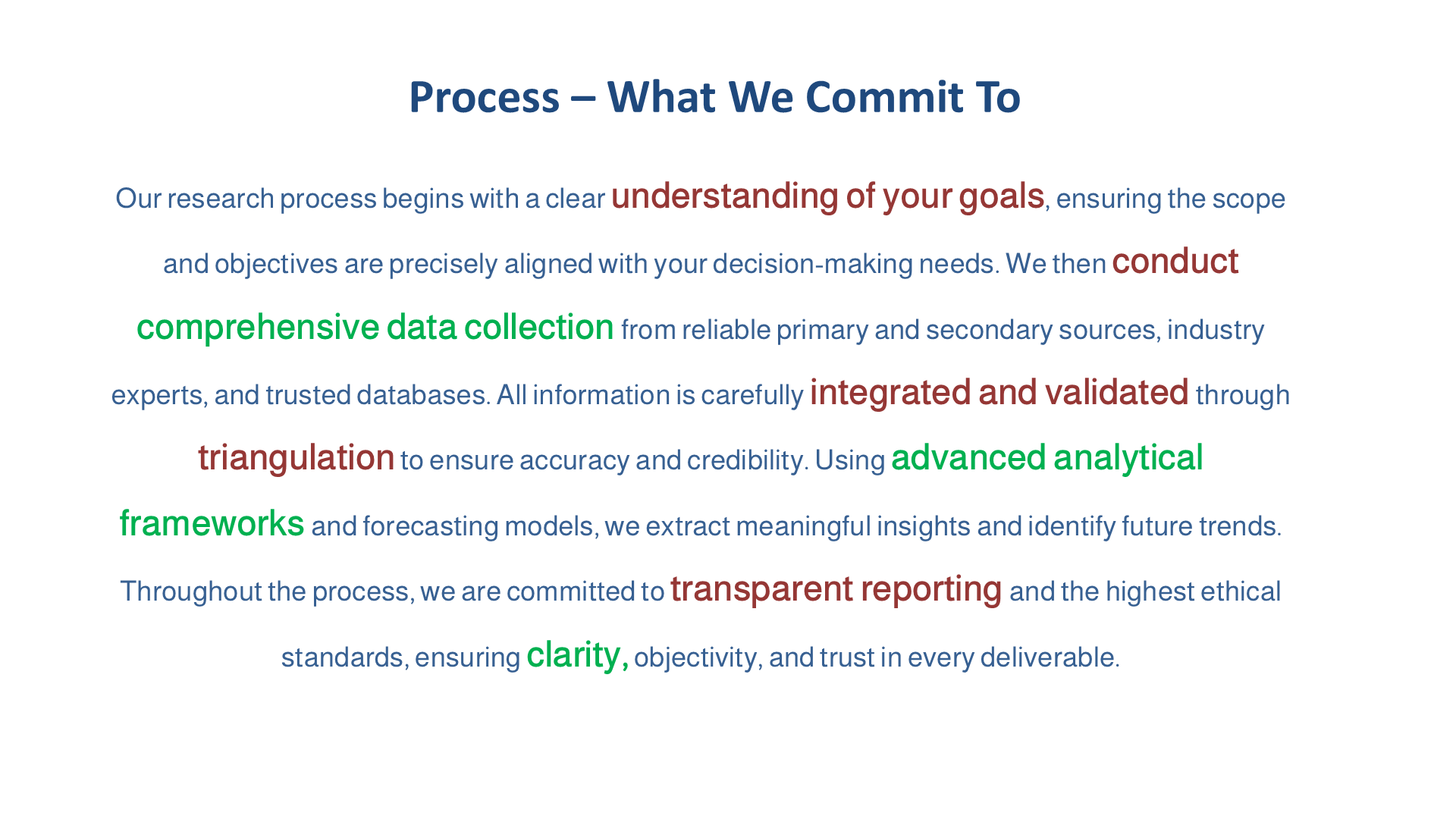
1.3. Information Procurement
1.3.1 Information Analysis
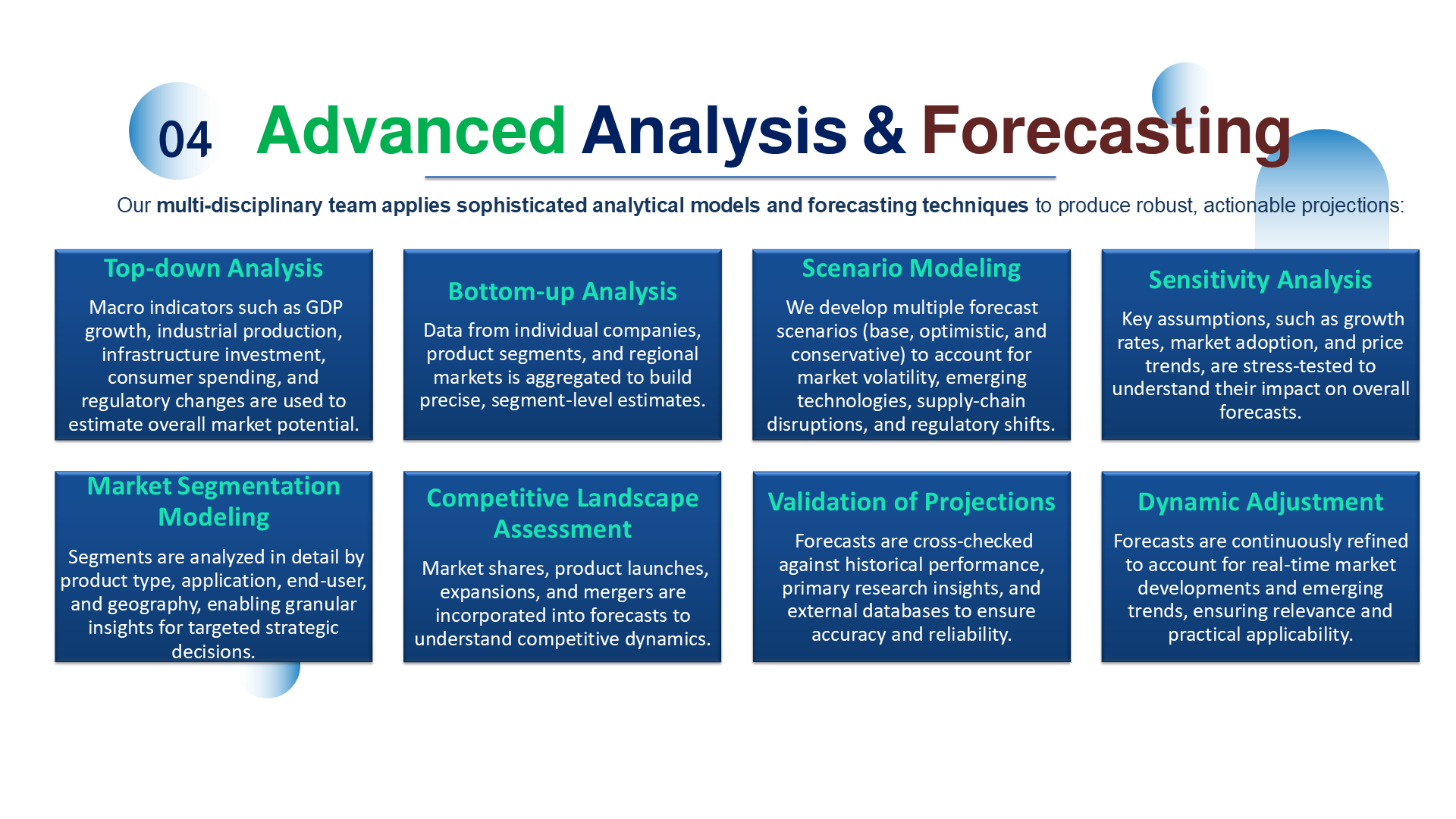
1.3.2 Market Formulation & Data Visualization
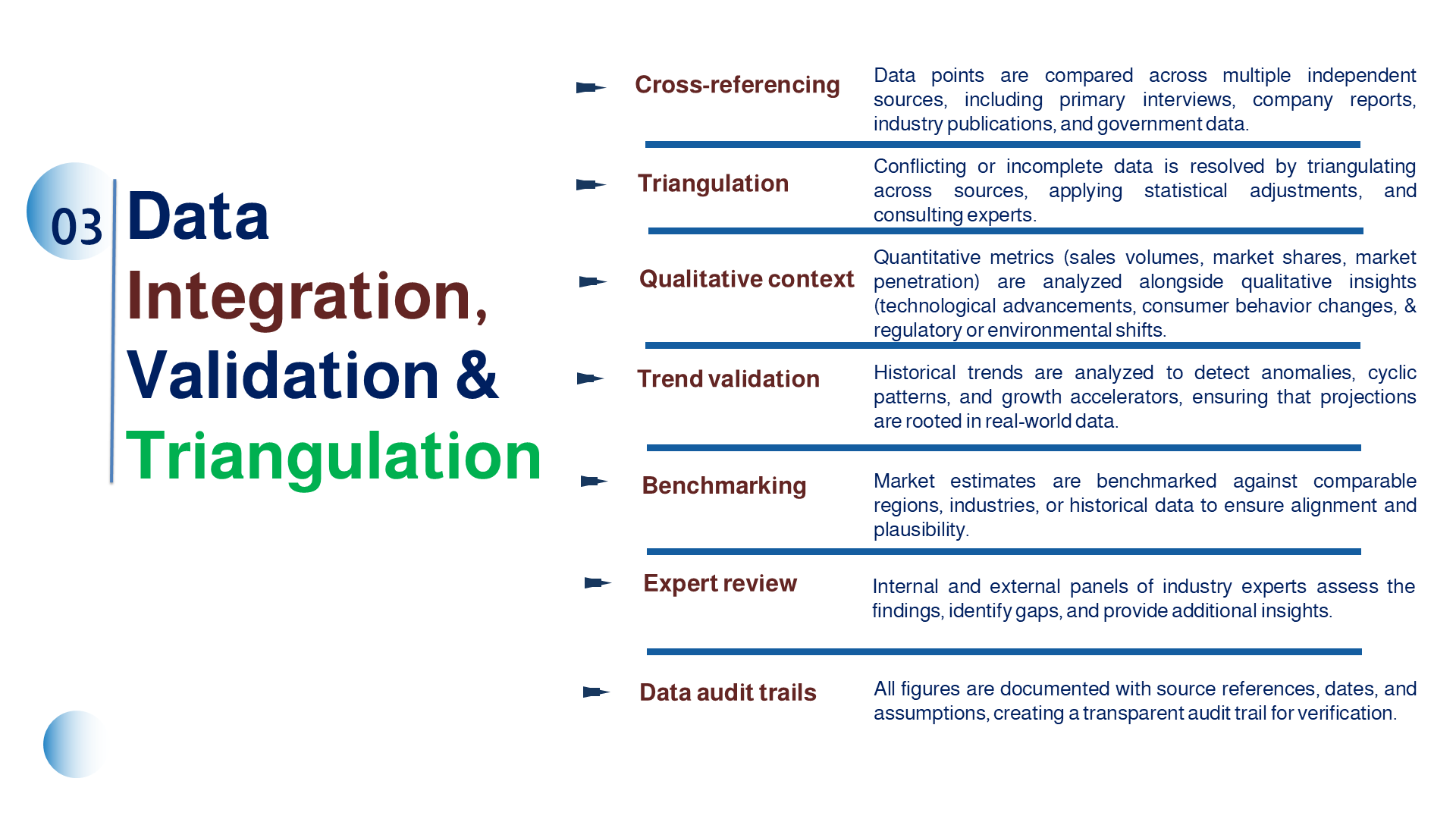
1.3.3 Data Validation & Publishing
1.4. Research Scope and Assumptions
1.4.1 List of Data Sources
Chapter 2. EXECUTIVE SUMMARY
2.1. Market Snapshot
2.2. Segmental Outlook
2.3. Competitive Outlook
Chapter 3. MARKET VARIABLES, TRENDS, FRAMEWORK
3.1. Market Lineage Outlook
3.2. Penetration & Growth Prospect Mapping
3.3. Value Chain Analysis
3.4. Regulatory Framework
3.4.1 Standards & Compliance
3.4.2 Regulatory Impact Analysis
3.5. Market Dynamics
3.5.1 Market Drivers
3.5.2 Market Restraints
3.5.3 Market Opportunities
3.5.4 Market Challenges
3.6. Porter's Five Forces Analysis
3.7. PESTLE Analysis
Chapter 4. GLOBAL ANTI-DRONE MARKET: BY METHOD 2022-2034 (USD MN and K Units)
4.1. Market Analysis, Insights and Forecast Method
4.2. Detection Estimates and Forecasts By Regions 2022-2034 (USD MN and K Units)
4.3. Interdiction Estimates and Forecasts By Regions 2022-2034 (USD MN and K Units)
Chapter 5. GLOBAL ANTI-DRONE MARKET: BY TECHNOLOGY 2022-2034 (USD MN and K Units)
5.1. Market Analysis, Insights and Forecast Technology
5.2. RF Analyzer Estimates and Forecasts By Regions 2022-2034 (USD MN and K Units)
5.3. Acoustic Sensors Estimates and Forecasts By Regions 2022-2034 (USD MN and K Units)
5.4. Optical Sensor Estimates and Forecasts By Regions 2022-2034 (USD MN and K Units)
5.5. Radar Estimates and Forecasts By Regions 2022-2034 (USD MN and K Units)
5.6. RF Jammer Estimates and Forecasts By Regions 2022-2034 (USD MN and K Units)
5.7. GPS Spoofer Estimates and Forecasts By Regions 2022-2034 (USD MN and K Units)
5.8. High Power Microwave Devices Estimates and Forecasts By Regions 2022-2034 (USD MN and K Units)
5.9. Nets and Guns Estimates and Forecasts By Regions 2022-2034 (USD MN and K Units)
5.10. High Energy Lasers Estimates and Forecasts By Regions 2022-2034 (USD MN and K Units)
Chapter 6. GLOBAL ANTI-DRONE MARKET: BY PLATFORM 2022-2034 (USD MN and K Units)
6.1. Market Analysis, Insights and Forecast Platform
6.2. Handheld Estimates and Forecasts By Regions 2022-2034 (USD MN and K Units)
6.3. UAV Estimates and Forecasts By Regions 2022-2034 (USD MN and K Units)
6.4. Ground Based Estimates and Forecasts By Regions 2022-2034 (USD MN and K Units)
Chapter 7. GLOBAL ANTI-DRONE MARKET: BY END-USE 2022-2034 (USD MN and K Units)
7.1. Market Analysis, Insights and Forecast End-use
7.2. Government and Defense Estimates and Forecasts By Regions 2022-2034 (USD MN and K Units)
7.3. Commercial Estimates and Forecasts By Regions 2022-2034 (USD MN and K Units)
7.4. Airports Estimates and Forecasts By Regions 2022-2034 (USD MN and K Units)
7.5. Others Estimates and Forecasts By Regions 2022-2034 (USD MN and K Units)
Chapter 8. GLOBAL ANTI-DRONE MARKET: BY REGION 2022-2034 (USD MN and K Units)
8.1. Regional Outlook
8.2. North America Market Analysis, Insights and Forecast, 2022-2034 (USD MN and K Units)
8.2.1 By Method
8.2.2 By Technology
8.2.3 By Platform
8.2.4 By End-use
8.2.5 United States
8.2.6 Canada
8.2.7 Mexico
8.3. Europe Market Analysis, Insights and Forecast, 2022-2034 (USD MN and K Units)
8.3.1 By Method
8.3.2 By Technology
8.3.3 By Platform
8.3.4 By End-use
8.3.5 United Kingdom
8.3.6 France
8.3.7 Germany
8.3.8 Italy
8.3.9 Spain
8.3.10 Russia
8.3.11 Rest Of Europe
8.4. Asia-Pacific Market Analysis, Insights and Forecast, 2022-2034 (USD MN and K Units)
8.4.1 By Method
8.4.2 By Technology
8.4.3 By Platform
8.4.4 By End-use
8.4.5 China
8.4.6 Japan
8.4.7 South Korea
8.4.8 India
8.4.9 Australia
8.4.10 South East Asia
8.4.11 Rest Of Asia Pacific
8.5. Latin America Market Analysis, Insights and Forecast, 2022-2034 (USD MN and K Units)
8.5.1 By Method
8.5.2 By Technology
8.5.3 By Platform
8.5.4 By End-use
8.5.5 Brazil
8.5.6 Argentina
8.5.7 Peru
8.5.8 Chile
8.5.9 Rest of Latin America
8.6. Middle East & Africa Market Analysis, Insights and Forecast, 2022-2034 (USD MN and K Units)
8.6.1 By Method
8.6.2 By Technology
8.6.3 By Platform
8.6.4 By End-use
8.6.5 Saudi Arabia
8.6.6 UAE
8.6.7 Israel
8.6.8 South Africa
8.6.9 Rest of the Middle East And Africa
Chapter 9. COMPETITIVE LANDSCAPE
9.1. Recent Developments
9.2. Company Categorization
9.3. Supply Chain & Channel Partners (based on availability)
9.4. Market Share & Positioning Analysis (based on availability)
9.5. Vendor Landscape (based on availability)
9.6. Strategy Mapping
Chapter 10. COMPANY PROFILES OF GLOBAL ANTI-DRONE INDUSTRY
10.1. Top Companies Market Share Analysis
10.2. Company Profiles (Overview, Services, Financials (based on availability), Recent Developments,
Strategies, SWOT, Etc.)
10.2.1 Axon EnterpriseInc
10.2.2 DeTect Inc
10.2.3 DroneShield
10.2.4 Elbit Systems
10.2.5 High Point Aerotechnologies
10.2.6 Israel Aerospace Industries
10.2.7 Lockheed Martin
10.2.8 RTX
10.2.9 Saab
10.2.10 Thales
LIST OF TABLES
- Market Snapshot
- Segment Outlook
- Competitive Outlook
- Market Analysis By Method-2022-2034 (USD MN and K Units)
- Detection Market Size By Geography (USD MN and K Units)
- Interdiction Market Size By Geography (USD MN and K Units)
- Market Analysis By Technology-2022-2034 (USD MN and K Units)
- RF Analyzer Market Size By Geography (USD MN and K Units)
- Acoustic Sensors Market Size By Geography (USD MN and K Units)
- Optical Sensor Market Size By Geography (USD MN and K Units)
- Radar Market Size By Geography (USD MN and K Units)
- RF Jammer Market Size By Geography (USD MN and K Units)
- GPS Spoofer Market Size By Geography (USD MN and K Units)
- High Power Microwave Devices Market Size By Geography (USD MN and K Units)
- Nets and Guns Market Size By Geography (USD MN and K Units)
- High Energy Lasers Market Size By Geography (USD MN and K Units)
- Market Analysis By Platform-2022-2034 (USD MN and K Units)
- Handheld Market Size By Geography (USD MN and K Units)
- UAV Market Size By Geography (USD MN and K Units)
- Ground Based Market Size By Geography (USD MN and K Units)
- Market Analysis By End-use-2022-2034 (USD MN and K Units)
- Government and Defense Market Size By Geography (USD MN and K Units)
- Commercial Market Size By Geography (USD MN and K Units)
- Airports Market Size By Geography (USD MN and K Units)
- Others Market Size By Geography (USD MN and K Units)
- Global Anti-Drone Market Sales By Geography-2022-2034 (USD MN and K Units)
- North America Market Analysis (USD MN and K Units)
- United States Market Analysis (USD MN and K Units)
- Canada Market Analysis (USD MN and K Units)
- Mexico Market Analysis (USD MN and K Units)
- Europe Market Analysis (USD MN and K Units)
- United Kingdom Market Analysis (USD MN and K Units)
- France Market Analysis (USD MN and K Units)
- Germany Market Analysis (USD MN and K Units)
- Italy Market Analysis (USD MN and K Units)
- Russia Market Analysis (USD MN and K Units)
- Spain Market Analysis (USD MN and K Units)
- Rest of Europe Market Analysis (USD MN and K Units)
- Asia Pacific Market Analysis (USD MN and K Units)
- China Market Analysis (USD MN and K Units)
- Japan Market Analysis (USD MN and K Units)
- India Market Analysis (USD MN and K Units)
- South Korea Market Analysis (USD MN and K Units)
- Australia Market Analysis (USD MN and K Units)
- South East Asia Market Analysis (USD MN and K Units)
- Rest of Asia Pacific Market Analysis (USD MN and K Units)
- Latin America Market Analysis (USD MN and K Units)
- Brazil Market Analysis (USD MN and K Units)
- Argentina Market Analysis (USD MN and K Units)
- Peru Market Analysis (USD MN and K Units)
- Chile Market Analysis (USD MN and K Units)
- Rest of Latin America Market Analysis (USD MN and K Units)
- Middle East & Africa Market Analysis (USD MN and K Units)
- Saudi Arabia Market Analysis (USD MN and K Units)
- UAE Market Analysis (USD MN and K Units)
- Israel Market Analysis (USD MN and K Units)
- South Africa Market Analysis (USD MN and K Units)
- Rest of Middle East and Africa Market Analysis (USD MN and K Units)
- Partnership/Collaboration/Agreement
- Mergers And Acquisition
LIST OF FIGURES
- Research Scope of Global Anti-Drone Report
- Market Research Process
- Market Research Methodology
- Global Anti-Drone Market Size, By Regions (USD MN and K Units)
- Porters Five Forces Analysis
- PESTLE Analysis
- Market Attractiveness Analysis
- Value Chain Analysis
- Global Market Analysis By Method-2022-2034(USD MN and K Units)
- Detection Market Sales By Geography (USD MN and K Units)
- Interdiction Market Sales By Geography (USD MN and K Units)
- Global Market Analysis By Technology-2022-2034(USD MN and K Units)
- RF Analyzer Market Sales By Geography (USD MN and K Units)
- Acoustic Sensors Market Sales By Geography (USD MN and K Units)
- Optical Sensor Market Sales By Geography (USD MN and K Units)
- Radar Market Sales By Geography (USD MN and K Units)
- RF Jammer Market Sales By Geography (USD MN and K Units)
- GPS Spoofer Market Sales By Geography (USD MN and K Units)
- High Power Microwave Devices Market Sales By Geography (USD MN and K Units)
- Nets and Guns Market Sales By Geography (USD MN and K Units)
- High Energy Lasers Market Sales By Geography (USD MN and K Units)
- Global Market Analysis By Platform-2022-2034(USD MN and K Units)
- Handheld Market Sales By Geography (USD MN and K Units)
- UAV Market Sales By Geography (USD MN and K Units)
- Ground Based Market Sales By Geography (USD MN and K Units)
- Global Market Analysis By End-use-2022-2034(USD MN and K Units)
- Government and Defense Market Sales By Geography (USD MN and K Units)
- Commercial Market Sales By Geography (USD MN and K Units)
- Airports Market Sales By Geography (USD MN and K Units)
- Others Market Sales By Geography (USD MN and K Units)
- Global Market Sales-2022-2034 (USD MN and K Units)
- North America Market Sales-2022-2034 (USD MN and K Units)
- Europe Market Sales-2022-2034 (USD MN and K Units)
- Asia Pacific Market Sales-2022-2034 (USD MN and K Units)
- Latin America Market Sales-2022-2034 (USD MN and K Units)
- Middle East & Africa Market Sales-2022-2034 (USD MN and K Units)
- Recent Development in Industry
- Top Company Market Share Analysis