
Global Anterior Uveitis Treatment Market Size, Share, Trends & Growth Analysis Report Segmented By Type (Infectious Uveitis, Non-Infectious Uveitis), Therapy, Distribution Channel And Regions (North America, Europe, Asia-Pacific, Latin America, Middle East and Africa), 2026-2034
Anterior Uveitis Treatment Market Size and Share
The global anterior uveitis treatment market size was valued at USD 0.58 Billion in 2025 and is projected to grow from USD 0.65 Billion in 2026 to USD 1.73 Billion by 2034, at a CAGR of 13.02% during the forecast period. North America dominated the anterior uveitis treatment market with a market share of 38.25% in 2025.
The anterior uveitis treatment market is positioned within the wider ophthalmic-care ecosystem, where timely diagnosis and pharmacological intervention remain important for limiting vision complications. According to the National Eye Institute, uveitis can cause pain, redness, blurry vision, and vision loss, with treatment options including eye drops, pills, or injections. Clinical management therefore depends on identifying the underlying cause and selecting an appropriate therapeutic approach. Treatment strategies can vary according to whether inflammation is infectious or non-infectious, making accurate diagnosis an important part of care. Corticosteroids remain widely used to control ocular inflammation, while immunosuppressive therapies and biologics can provide additional options for patients requiring longer-term disease management. Advances in localized drug delivery are also supporting efforts to improve treatment convenience and therapeutic control.
Anterior Uveitis Treatment Market Key Takeaways
Market Size & Forecast
2025 Market Size: USD 0.58 Billion
2026 Market Size: USD 0.65 Billion
2034 Projected Market Size: USD 1.73 Billion
CAGR (2026-2034): 13.02%
Largest market: North America
Fastest-growing market: Asia Pacific
Market Share Analysis
- North America held the largest market share of 38.25% in 2025.
- Asia Pacific is expected to expand at a CAGR of 6.93% through 2034.
- By type, non-infectious uveitis represented a 79.91% market share in 2025.
Key Country Highlights
- The U.S. held 90.39% of the North America market in 2025.
- The Japan anterior uveitis treatment market is projected to experience substantial growth during the forecast period.
Anterior Uveitis Treatment Market Trends & Future Outlook
Growing emphasis on early ophthalmic assessment is shaping treatment pathways as clinicians seek to limit inflammatory complications. According to the National Eye Institute, uveitis can recur and may become chronic, making timely diagnosis and continued clinical management important. This supports continued demand for targeted pharmacological approaches across specialist eye-care settings.
Treatment strategies are increasingly influenced by the need to manage inflammation while limiting avoidable vision complications. According to the FDA, dexamethasone intravitreal implant is indicated for non-infectious uveitis affecting the posterior segment, demonstrating the continuing role of corticosteroid-based therapies in inflammatory eye disease management.
Access to eye-care services remains an important long-term consideration, particularly across emerging economies. According to WHO, at least 2.2 billion people globally have near or distance vision impairment, with at least 1 billion cases preventable or yet to be addressed. This broader care gap can influence diagnosis, referral, and treatment access for inflammatory eye conditions.
Impact of AI in the Anterior Uveitis Treatment Market
AI is becoming relevant to ophthalmology through image analysis, clinical decision support, and earlier identification of ocular abnormalities. According to the CDC, its Vision and Eye Health Surveillance System combines multiple data sources to estimate vision loss and major eye disorders across the United States. In 2024, 32.17 million Americans had presenting visual acuity loss, with prevalence reaching 9.46%. These surveillance capabilities demonstrate the value of structured ophthalmic data for identifying care needs. For anterior uveitis, AI-supported imaging could help clinicians prioritize inflammatory findings and monitor treatment response, although clinical validation remains essential. The National Eye Institute notes that diagnosis involves medical history and dilated eye examination, reinforcing the importance of combining automated tools with specialist assessment.
Anterior Uveitis Treatment Market Investment Analysis
Investment activity is likely to favor therapies that improve inflammatory control, treatment durability, and patient adherence while addressing limitations associated with repeated administration. According to the FDA, Ozurdex remains an approved corticosteroid implant for non-infectious posterior-segment uveitis, illustrating continued regulatory acceptance of localized drug delivery technologies. The broader ophthalmic-care opportunity is substantial because WHO estimates annual global productivity losses associated with vision impairment at about US$411 billion. For investors, the anterior uveitis treatment market demand outlook is therefore linked to clinical differentiation, safety, convenient administration, and evidence demonstrating durable disease control. Companies combining novel delivery platforms with established anti-inflammatory mechanisms may be better positioned to attract strategic capital.
Emerging Innovations in the Anterior Uveitis Treatment Market
Long-acting ocular drug delivery is an important innovation pathway because reducing treatment frequency can improve convenience for patients requiring sustained inflammatory control. The FDA identifies intravitreal dexamethasone implantation as an established delivery approach for non-infectious posterior-segment uveitis, supporting continued interest in localized administration technologies.
Digital ophthalmology is creating opportunities for AI-assisted assessment, structured imaging, and longitudinal monitoring. According to the CDC, its surveillance platform integrates multiple data sources to generate estimates of vision loss and eye disorders, showing how large-scale ophthalmic datasets can support more systematic clinical analysis.
Patient-centered treatment innovation is increasingly focused on earlier diagnosis and preservation of functional vision. According to WHO, at least 1 billion of the world's 2.2 billion people with vision impairment have preventable or unaddressed impairment, reinforcing the value of technologies that improve detection, referral, and access to appropriate eye care.
Anterior Uveitis Treatment Market Dynamics
Market Drivers
The anterior uveitis treatment market is driven by the need for timely control of ocular inflammation and prevention of vision-threatening complications. The National Eye Institute states that uveitis can cause eye pain, redness, blurred vision, floaters, and vision loss, making early diagnosis and treatment clinically important. The availability of corticosteroids, immunosuppressive therapies, biologics, and localized drug-delivery approaches broadens treatment options for patients with different disease severity and recurrence patterns. Growing specialist ophthalmology capacity also supports diagnosis and follow-up, while increasing attention to preserving functional vision encourages clinicians to intervene before inflammation produces permanent complications. These factors together strengthen treatment utilization across established and developing healthcare systems.
Market Restraints
The anterior uveitis treatment market faces restraints associated with recurrent disease, prolonged monitoring, treatment-related adverse effects, and differences in patient response. The National Eye Institute notes that uveitis may recur and can become chronic, requiring continued medical management and follow-up rather than a single treatment episode. Corticosteroid-based approaches can also require careful monitoring because prolonged exposure may create ocular complications, while invasive administration can increase procedural requirements. Treatment selection becomes more complex when underlying inflammatory or infectious causes differ between patients. These considerations can increase the overall burden on ophthalmologists and patients, particularly where specialist services are limited or healthcare resources are constrained.
Market Opportunities
The anterior uveitis treatment market presents opportunities for therapies that provide sustained inflammatory control, improved tolerability, and more convenient administration. The FDA's prescribing information for dexamethasone intravitreal implant demonstrates the established role of localized corticosteroid delivery in non-infectious posterior-segment uveitis, supporting continued interest in advanced ocular delivery technologies. New therapies can create differentiation by reducing dosing frequency, improving adherence, or targeting specific inflammatory pathways. There is also scope for digital ophthalmology, imaging-assisted monitoring, and improved patient referral systems to support earlier intervention. Companies that combine clinical efficacy with practical administration and strong safety evidence may find attractive opportunities among specialist ophthalmology providers.
Market Challenges
The anterior uveitis treatment market faces challenges related to disease heterogeneity, diagnostic complexity, regulatory requirements, and unequal access to specialist ophthalmic care. Uveitis can arise from infectious or non-infectious causes, meaning treatment cannot rely on a single therapeutic pathway and often requires careful clinical assessment. The National Eye Institute highlights the need for medical history and detailed eye examination when diagnosing uveitis, reinforcing the importance of specialist evaluation. Regulatory requirements can also lengthen development timelines for innovative therapies, while reimbursement differences may influence adoption across countries. Limited ophthalmology capacity in underserved regions creates another challenge, potentially delaying diagnosis and reducing access to advanced treatment options.
Anterior Uveitis Treatment Market Segmentation Insights
Anterior Uveitis Treatment Market Analysis, By Type
By type, the market is categorized into infectious uveitis and non-infectious uveitis.
Non-Infectious Uveitis represented the largest and fastest-growing segment, accounting for 79.91% of the anterior uveitis treatment market in 2025. Its leading position reflects the broader prevalence of non-infectious inflammatory conditions and the need for ongoing management using corticosteroids, immunosuppressive therapies, and other treatment approaches. Increasing clinical focus on chronic inflammatory eye conditions and the expanding use of steroid-sparing therapies are supporting continued adoption, while the segment’s market size is further influenced by the need for sustained disease management and treatment options tailored to recurring inflammation.
Anterior Uveitis Treatment Market Analysis, By Therapy
By therapy, the market is categorized into corticosteroids, immunosuppressive therapies, biologics, others, and pipeline therapies.
Corticosteroids represented the largest therapy segment, supported by their established role in controlling ocular inflammation and their widespread clinical use. Their familiarity among ophthalmologists, established treatment protocols, and availability across multiple formulations continue to support strong adoption. The segment remains a core component of anterior uveitis treatment, particularly for managing active inflammatory episodes. Biologics represent the fastest-growing therapy segment, supported by increasing interest in targeted treatment approaches and steroid-sparing strategies. Growing clinical attention to therapies designed to address inflammatory pathways is encouraging broader development and adoption. This trend is strengthening the segment's position within the anterior uveitis treatment market share landscape.
Anterior Uveitis Treatment Market Analysis, By Distribution Channel
By distribution channel, the market is categorized into hospital pharmacies, retail pharmacies, and online pharmacies.
Hospital Pharmacies represented the largest distribution channel, supported by the specialist nature of anterior uveitis treatment and the role of hospitals in ophthalmic diagnosis, prescription, and treatment management. Patients receiving complex therapies are more likely to obtain medicines through institutional channels, supporting the continued importance of hospital pharmacies across the treatment ecosystem. Online Pharmacies represent the fastest-growing distribution channel, driven by greater digital access to prescription medicines and increasing patient preference for convenient medicine fulfillment. The channel is particularly relevant for patients requiring repeat prescriptions and ongoing therapy. Its expansion is supported by broader digital healthcare adoption and improved access to online pharmaceutical services.
Anterior Uveitis Treatment Market Regional Insights
North America Anterior Uveitis Treatment Market
North America held 38.25% of the market in 2025, maintaining the leading regional position due to established ophthalmology infrastructure and access to advanced therapies. The region benefits from strong specialist networks, sophisticated diagnostic capabilities, and established pharmaceutical distribution systems that support treatment adoption. According to the U.S. Centers for Disease Control and Prevention, its Vision and Eye Health Surveillance System combines multiple data sources to track vision loss, eye disorders, and eye-care services, supporting structured healthcare planning. The regional market demand is further supported by continued emphasis on early diagnosis, inflammatory disease management, and preservation of visual function. Advanced drug-delivery technologies and specialist-led treatment are expected to remain important competitive factors.
U.S. Anterior Uveitis Treatment Market
The U.S. accounted for 90.39% of the North America anterior uveitis treatment market in 2025, making it the dominant country within the region. The country has a mature ophthalmology ecosystem supported by specialist physicians, advanced diagnostic facilities, established pharmaceutical companies, and broad access to prescription therapies. According to the CDC, 32.17 million people in the U.S. had presenting visual acuity loss in 2024, with a prevalence of 9.46%, demonstrating the broader scale of vision-care requirements. The anterior uveitis treatment market size is supported by continued specialist care and availability of multiple treatment approaches. Regulatory clarity and clinical research activity should continue influencing adoption of innovative therapies.
Europe Anterior Uveitis Treatment Market
Europe represents an established regional opportunity, supported by structured healthcare systems, specialist ophthalmology services, and strong emphasis on evidence-based treatment. According to WHO Europe, approximately 90 million people in the European Region experience some form of vision impairment or blindness, representing 9% of the population. This broader ophthalmic burden reinforces the importance of timely diagnosis and appropriate management of inflammatory eye conditions. The region's anterior uveitis treatment market growth is likely to benefit from continued investment in specialist care and innovative treatment approaches. Regulatory scrutiny, reimbursement considerations, and clinical evidence will remain important factors influencing therapy adoption across European healthcare systems.
U.K. Anterior Uveitis Treatment Market
The U.K. market benefits from established healthcare infrastructure, specialist ophthalmology services, and an evidence-focused approach to treatment adoption. The country's healthcare environment supports specialist diagnosis and ongoing monitoring for inflammatory eye conditions, particularly where recurrent disease requires continued management. According to WHO Europe, vision impairment and blindness affect approximately 90 million people across the wider European Region, highlighting the continuing importance of accessible eye care. The anterior uveitis treatment market demand is influenced by clinical effectiveness, safety, treatment convenience, and healthcare-system value. Therapies supported by strong clinical evidence and practical administration characteristics are likely to receive greater consideration from specialists.
Germany Anterior Uveitis Treatment Market
Germany offers a well-developed environment for ophthalmic treatment, supported by specialist healthcare infrastructure, pharmaceutical expertise, and established clinical pathways. The country provides access to advanced diagnostic and therapeutic services, creating favorable conditions for management of inflammatory eye disorders. WHO Europe reports that approximately 90 million people across the European Region experience vision impairment or blindness, equal to 9% of the regional population. Within this environment, the market share is influenced by clinical evidence, treatment safety, reimbursement considerations, and specialist acceptance. Opportunities are expected to favor therapies offering improved disease control, convenient administration, and clearly demonstrated patient benefits.
Asia Pacific Anterior Uveitis Treatment Market
Asia Pacific is projected to expand at a CAGR of 6.93% through 2034, making it the fastest-growing regional market. The region presents significant opportunities because healthcare infrastructure, specialist ophthalmology services, and awareness of inflammatory eye diseases continue to develop across multiple countries. WHO identifies major differences in access to eye care between higher- and lower-resource settings, creating opportunities for treatments that can be delivered efficiently across broader patient populations. The market demand is therefore supported by improving diagnosis, expanding healthcare capacity, and greater access to specialist services. Pharmaceutical companies with affordable and scalable treatment approaches may benefit as regional clinical capabilities continue to strengthen.
China Anterior Uveitis Treatment Market
China represents a significant opportunity within Asia Pacific because of its large healthcare system, expanding specialist services, and continued development of advanced medical infrastructure. Greater availability of ophthalmic diagnostics can support earlier identification of inflammatory eye disorders and improve treatment referral pathways. According to WHO, timely access to quality eye care can mitigate the consequences of vision impairment and reduce avoidable loss of visual function. The anterior uveitis treatment market growth outlook in China is influenced by treatment accessibility, specialist capacity, pharmaceutical availability, and healthcare-system development. Companies able to balance clinical performance with affordability and distribution reach may find stronger opportunities as treatment access expands.
Japan Anterior Uveitis Treatment Market
Japan is projected to experience substantial growth during the forecast period, supported by an advanced healthcare system, established specialist services, and strong pharmaceutical capabilities. The country's mature clinical environment can facilitate adoption of therapies that demonstrate reliable efficacy, safety, and convenient administration. WHO emphasizes that timely access to quality eye care can reduce the consequences associated with vision impairment and support better long-term outcomes. The anterior uveitis treatment market size is influenced by specialist treatment practices, therapeutic innovation, and patient-management requirements associated with recurrent inflammation. Long-acting delivery technologies and therapies designed to reduce treatment burden could gain greater attention among Japanese ophthalmology providers.
India Anterior Uveitis Treatment Market
India presents an expanding opportunity as ophthalmic services, specialist networks, and access to modern treatments continue developing across urban and regional healthcare settings. According to India's Directorate General of Health Services, the National Programme for Control of Blindness and Visual Impairment focuses on strengthening comprehensive eye-care services and reducing blindness and visual impairment. This national focus provides a supportive environment for broader diagnosis and management of eye disorders. The market demand can benefit from improved referral systems, greater specialist availability, and increased awareness of inflammatory eye conditions. Affordable therapies, wider distribution, and practical treatment protocols are likely to remain important for expanding access across the country.
Middle East & Africa Anterior Uveitis Treatment Market
Middle East and Africa present developing opportunities as healthcare infrastructure, specialist ophthalmology capacity, and access to advanced medicines improve. The region remains diverse, with substantial differences in healthcare resources, treatment accessibility, and specialist availability between individual countries. WHO identifies access to quality eye care as an important factor in preventing avoidable vision impairment and improving long-term visual outcomes. The anterior uveitis treatment market growth outlook is therefore closely connected with healthcare modernization, specialist training, diagnostic availability, and medicine distribution. Companies offering practical treatment options, reliable supply, and cost-conscious solutions may be better positioned to expand across underserved patient populations.
GCC Anterior Uveitis Treatment Market
The GCC provides an increasingly attractive environment for advanced ophthalmic therapies because healthcare systems are investing in specialist services, modern hospitals, and sophisticated diagnostic capabilities. Concentration of healthcare resources in major urban centers can support access to specialist ophthalmologists and advanced treatment pathways. WHO emphasizes that timely access to quality eye care can mitigate the consequences of vision impairment and improve patient outcomes. The anterior uveitis treatment market share across the GCC is likely to be influenced by availability of innovative therapies, physician awareness, treatment affordability, and institutional procurement. Partnerships with hospitals and specialized healthcare providers can further support commercialization and patient access.
Latin America Anterior Uveitis Treatment Market
Latin America offers opportunities for expansion as healthcare systems strengthen specialist services and improve access to ophthalmic diagnosis and treatment. Differences in healthcare infrastructure and reimbursement between countries create an uneven treatment environment, making distribution capability and affordability important considerations for suppliers. WHO reports that at least 1 billion cases among the global population experiencing vision impairment are preventable or remain unaddressed, emphasizing the importance of accessible eye-care services. The anterior uveitis treatment market demand can benefit from improved referral pathways, greater specialist availability, and wider awareness of inflammatory eye disorders. Companies offering cost-effective therapies and dependable supply networks may gain opportunities across the region.
Anterior Uveitis Treatment Market Competitive Overview
The anterior uveitis treatment market is shaped by pharmaceutical leaders and ophthalmology-focused companies competing through biologics, corticosteroids, sustained-release delivery systems, and targeted anti-inflammatory therapies. AbbVie, Novartis, Santen Pharmaceutical, Roche, Bausch + Lomb, EyePoint Pharmaceuticals, Clearside Biomedical, and Aldeyra Therapeutics are among the companies active across relevant uveitis treatment categories. Competition increasingly centers on treatment duration, route of administration, steroid-sparing potential, safety, and patient convenience. According to the U.S. Food and Drug Administration, corticosteroids remain an established treatment class for non-infectious uveitis, while newer approaches are expanding therapeutic options. Sustained-release technologies and localized delivery are also becoming important differentiators. Overall, competitive advantage depends on clinical evidence, regulatory progress, differentiated delivery platforms, specialist adoption, and the ability to address long-term inflammatory control.
Leading Market Players in the Anterior Uveitis Treatment Market
- AbbVie: AbbVie maintains a strong position in ophthalmology through its immunology portfolio and established presence in inflammatory disease treatment. Its relevance to anterior uveitis is closely associated with biologic approaches for non-infectious inflammatory conditions. The company benefits from established physician relationships, commercial infrastructure, and experience supporting complex immune-mediated diseases. Its competitive positioning is strengthened by the ability to connect ophthalmology with broader immunology expertise. AbbVie also competes through evidence generation, treatment accessibility, and continued development of its therapeutic portfolio. The company's scale provides advantages in regulatory execution, commercialization, and international reach.
- Novartis: Novartis brings extensive ophthalmology expertise, global commercial capabilities, and a broad research base to the anterior uveitis treatment landscape. The company competes through innovative therapies, biologic development, and specialized eye-care products addressing inflammatory and retinal disorders. Its established relationships with ophthalmologists and healthcare systems support product adoption across major markets. Novartis also benefits from experience in developing therapies requiring specialized clinical management and regulatory oversight. Its competitive approach combines research capabilities with manufacturing scale and international distribution.
- Santen Pharmaceutical: Santen Pharmaceutical is an ophthalmology-focused company with deep expertise in eye diseases and a strong strategic emphasis on specialized ocular therapies. Its focused portfolio gives the company an important position in markets where clinical expertise, physician relationships, and localized treatment knowledge influence adoption. Santen competes through product development, regional specialization, and research into therapies addressing inflammatory and other ophthalmic conditions. Its capabilities in ophthalmology allow it to respond closely to specialist treatment needs while supporting commercial activities across multiple regions.
List of Companies Profiled in the Report are:
{report_table}
Analyst’s View on the Anterior Uveitis Treatment Market
- The market is moving toward targeted and steroid-sparing treatment approaches, particularly for non-infectious uveitis. Continued clinical focus on controlling inflammation while limiting treatment-related complications is supporting innovation across biologics, immunosuppressive therapies, and emerging pipeline treatments.
- Drug-delivery innovation is becoming an important competitive factor, with companies focusing on localized and sustained treatment approaches. These technologies can improve treatment convenience and support longer-term disease management, creating opportunities for companies with differentiated ophthalmic delivery platforms.
- Non-infectious uveitis remains an important treatment category, supported by the continuing need for therapies that manage chronic inflammatory eye conditions. This is encouraging greater attention toward steroid-sparing strategies, targeted therapies, and treatment approaches designed for sustained disease control.
- North America remains an important regional market because of established healthcare infrastructure, specialist ophthalmology services, advanced treatment availability, and strong clinical research activity. The United States also plays a major role in regional development, making regulatory access and specialist adoption important competitive considerations.
- Competitive positioning will increasingly depend on clinical differentiation, treatment convenience, regulatory progress, and innovation in ophthalmic drug delivery. Companies with strong specialist relationships and differentiated therapies are better positioned to respond to changing treatment preferences and strengthen their presence in the anterior uveitis treatment market.
List of Segments Covered
This section of the market report provides detailed data on the segments at country and regional level, thereby assisting the strategist in identifying the target demographics for the respective product or services with the upcoming opportunities.
By Type By Therapy By Distribution Channel
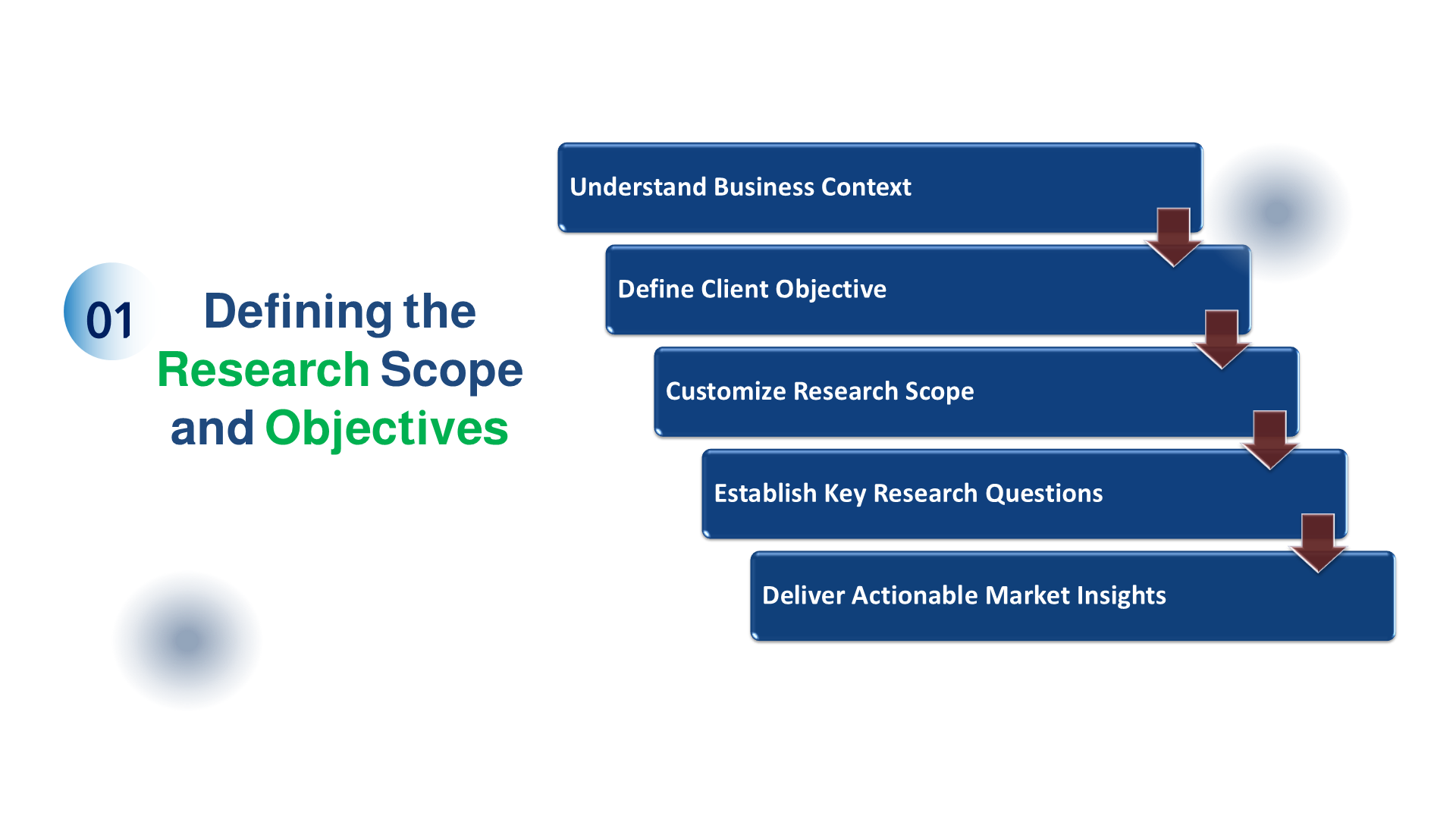
1.1. Market Segmentation & Scope
1.2. Market Definition
1.3. Information Procurement
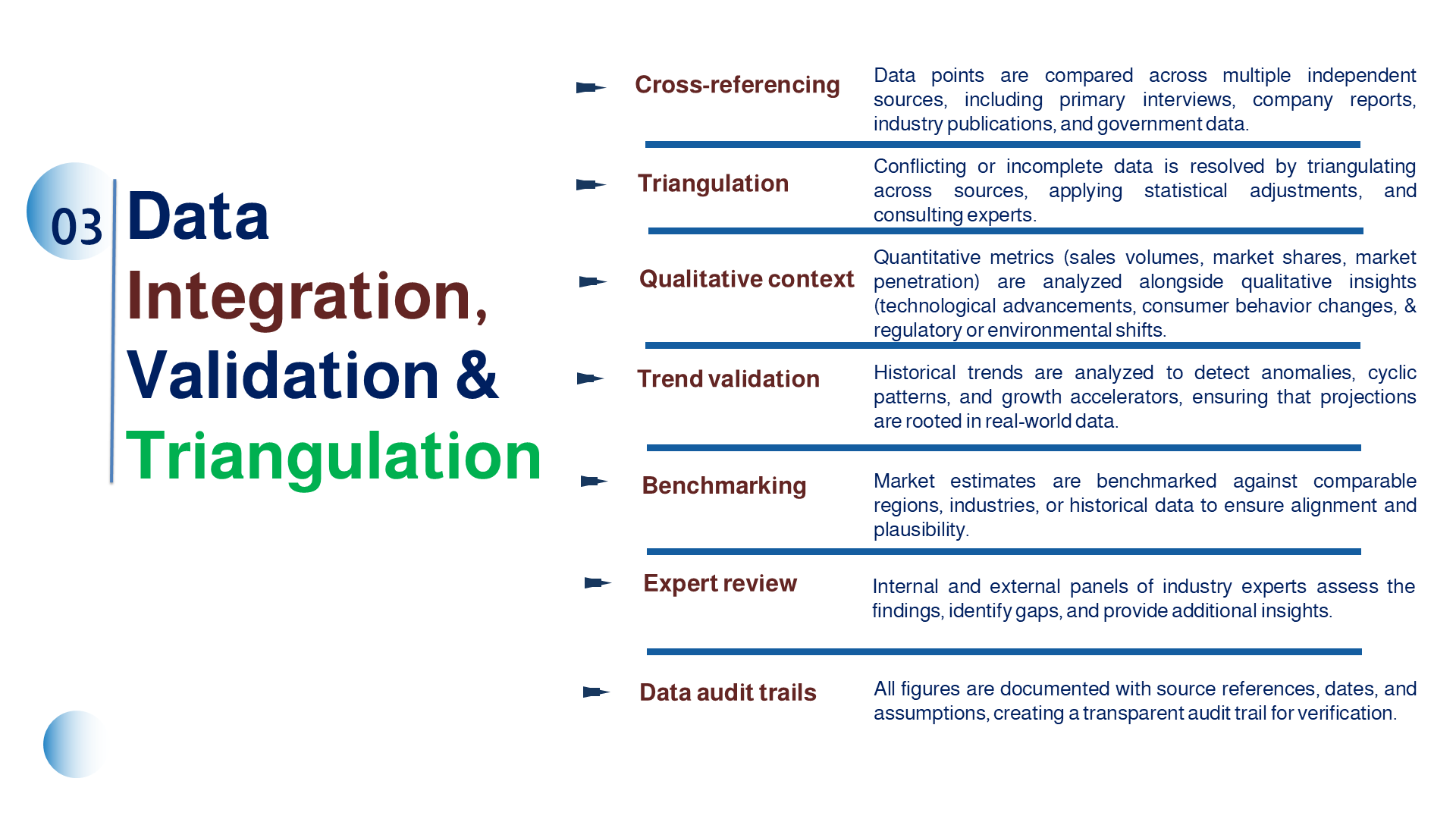
1.3.1 Information Analysis
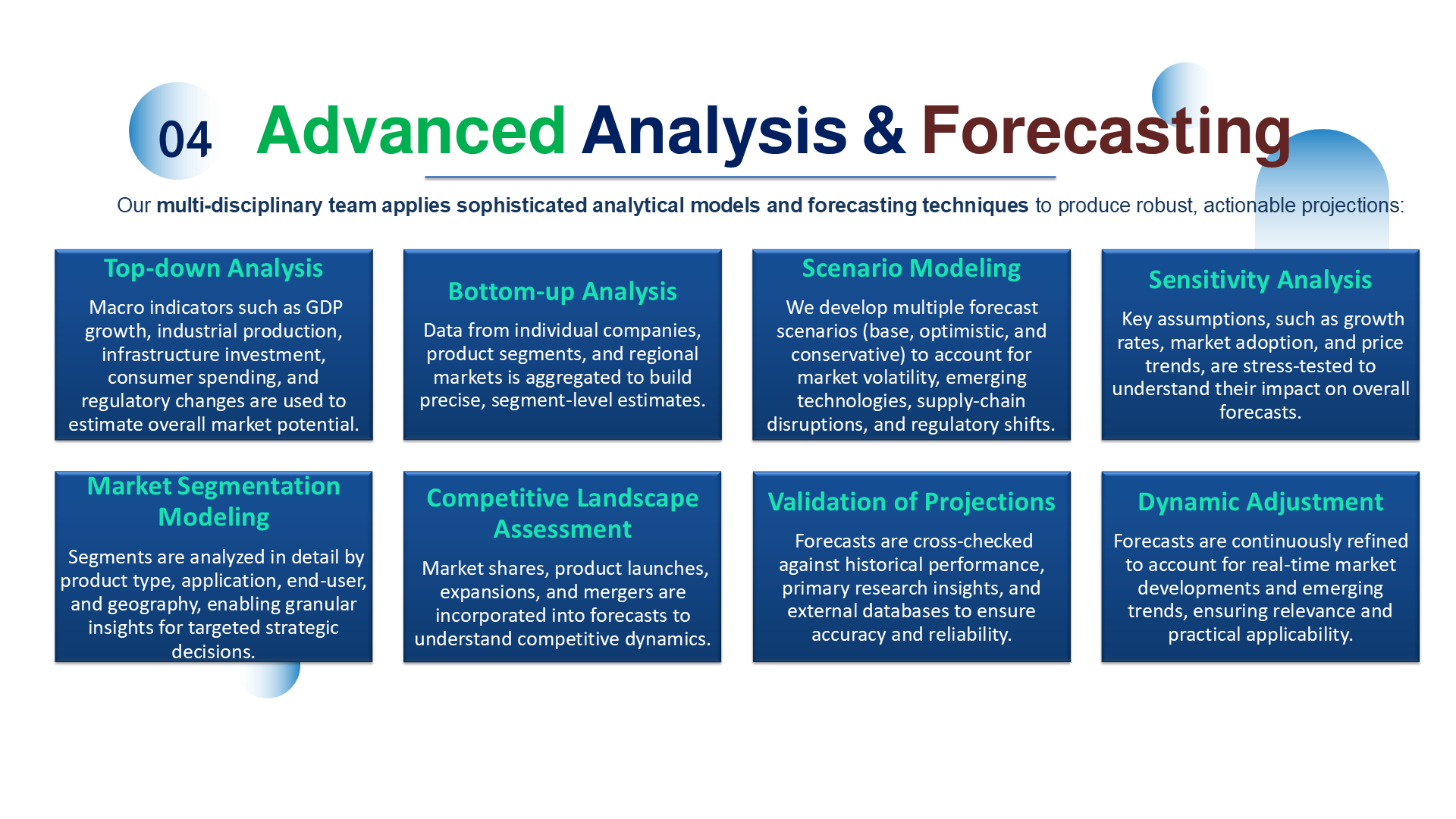
1.3.2 Market Formulation & Data Visualization
1.3.3 Data Validation & Publishing
1.4. Research Scope and Assumptions
1.4.1 List of Data Sources
Chapter 2. EXECUTIVE SUMMARY
2.1. Market Snapshot
2.2. Segmental Outlook
2.3. Competitive Outlook
Chapter 3. MARKET VARIABLES, TRENDS, FRAMEWORK
3.1. Market Lineage Outlook
3.2. Penetration & Growth Prospect Mapping
3.3. Value Chain Analysis
3.4. Regulatory Framework
3.4.1 Standards & Compliance
3.4.2 Regulatory Impact Analysis
3.5. Market Dynamics
3.5.1 Market Drivers
3.5.2 Market Restraints
3.5.3 Market Opportunities
3.5.4 Market Challenges
3.6. Porter's Five Forces Analysis
3.7. PESTLE Analysis
Chapter 4. GLOBAL ANTERIOR UVEITIS TREATMENT MARKET: BY TYPE 2022-2034 (USD MN)
4.1. Market Analysis, Insights and Forecast Type
4.2. Infectious Uveitis Estimates and Forecasts By Regions 2022-2034 (USD MN)
4.3. Non-Infectious Uveitis Estimates and Forecasts By Regions 2022-2034 (USD MN)
Chapter 5. GLOBAL ANTERIOR UVEITIS TREATMENT MARKET: BY THERAPY 2022-2034 (USD MN)
5.1. Market Analysis, Insights and Forecast Therapy
5.2. Corticosteroids Estimates and Forecasts By Regions 2022-2034 (USD MN)
5.3. Immunosuppressive Therapies Estimates and Forecasts By Regions 2022-2034 (USD MN)
5.4. Biologics Estimates and Forecasts By Regions 2022-2034 (USD MN)
5.5. Others Estimates and Forecasts By Regions 2022-2034 (USD MN)
5.6. Pipeline Therapies Estimates and Forecasts By Regions 2022-2034 (USD MN)
Chapter 6. GLOBAL ANTERIOR UVEITIS TREATMENT MARKET: BY DISTRIBUTION CHANNEL 2022-2034 (USD MN)
6.1. Market Analysis, Insights and Forecast Distribution Channel
6.2. Hospital Pharmacies Estimates and Forecasts By Regions 2022-2034 (USD MN)
6.3. Retail Pharmacies Estimates and Forecasts By Regions 2022-2034 (USD MN)
6.4. Online Pharmacies Estimates and Forecasts By Regions 2022-2034 (USD MN)
Chapter 7. GLOBAL ANTERIOR UVEITIS TREATMENT MARKET: BY REGION 2022-2034 (USD MN)
7.1. Regional Outlook
7.2. North America Market Analysis, Insights and Forecast, 2022-2034 (USD MN)
7.2.1 By Type
7.2.2 By Therapy
7.2.3 By Distribution Channel
7.2.4 United States
7.2.5 Canada
7.2.6 Mexico
7.3. Europe Market Analysis, Insights and Forecast, 2022-2034 (USD MN)
7.3.1 By Type
7.3.2 By Therapy
7.3.3 By Distribution Channel
7.3.4 United Kingdom
7.3.5 France
7.3.6 Germany
7.3.7 Italy
7.3.8 Spain
7.3.9 Russia
7.3.10 Rest Of Europe
7.4. Asia-Pacific Market Analysis, Insights and Forecast, 2022-2034 (USD MN)
7.4.1 By Type
7.4.2 By Therapy
7.4.3 By Distribution Channel
7.4.4 China
7.4.5 Japan
7.4.6 South Korea
7.4.7 India
7.4.8 Australia
7.4.9 South East Asia
7.4.10 Rest Of Asia Pacific
7.5. Latin America Market Analysis, Insights and Forecast, 2022-2034 (USD MN)
7.5.1 By Type
7.5.2 By Therapy
7.5.3 By Distribution Channel
7.5.4 Brazil
7.5.5 Argentina
7.5.6 Peru
7.5.7 Chile
7.5.8 Rest of Latin America
7.6. Middle East & Africa Market Analysis, Insights and Forecast, 2022-2034 (USD MN)
7.6.1 By Type
7.6.2 By Therapy
7.6.3 By Distribution Channel
7.6.4 Saudi Arabia
7.6.5 UAE
7.6.6 Israel
7.6.7 South Africa
7.6.8 Rest of the Middle East And Africa
Chapter 8. COMPETITIVE LANDSCAPE
8.1. Recent Developments
8.2. Company Categorization
8.3. Supply Chain & Channel Partners (based on availability)
8.4. Market Share & Positioning Analysis (based on availability)
8.5. Vendor Landscape (based on availability)
8.6. Strategy Mapping
Chapter 9. COMPANY PROFILES OF GLOBAL ANTERIOR UVEITIS TREATMENT INDUSTRY
9.1. Top Companies Market Share Analysis
9.2. Company Profiles (Overview, Services, Financials (based on availability), Recent Developments,
Strategies, SWOT, Etc.)
9.2.1 AbbVie
9.2.2 Novartis
9.2.3 Roche
9.2.4 Santen Pharmaceutical
9.2.5 Bausch + Lomb
9.2.6 Alimera Sciences
9.2.7 EyePoint Pharmaceuticals
9.2.8 Regeneron
9.2.9 Eli Lilly
9.2.10 Pfizer
9.2.11 Harrow
9.2.12 Aldeyra Therapeutics
9.2.13 Clearside Biomedical
9.2.14 Kala Pharmaceuticals
9.2.15 Ocular Therapeutix
9.2.16 Théa Pharma
9.2.17 Alcon
9.2.18 Tarsus Pharmaceuticals
9.2.19 Apellis Pharmaceuticals
9.2.20 Janssen
LIST OF TABLES
- Market Snapshot
- Segment Outlook
- Competitive Outlook
- Market Analysis By Type-2022-2034 (USD MN)
- Infectious Uveitis Market Size By Geography (USD MN)
- Non-Infectious Uveitis Market Size By Geography (USD MN)
- Market Analysis By Therapy-2022-2034 (USD MN)
- Corticosteroids Market Size By Geography (USD MN)
- Immunosuppressive Therapies Market Size By Geography (USD MN)
- Biologics Market Size By Geography (USD MN)
- Others Market Size By Geography (USD MN)
- Pipeline Therapies Market Size By Geography (USD MN)
- Market Analysis By Distribution Channel-2022-2034 (USD MN)
- Hospital Pharmacies Market Size By Geography (USD MN)
- Retail Pharmacies Market Size By Geography (USD MN)
- Online Pharmacies Market Size By Geography (USD MN)
- Global Anterior Uveitis Treatment Market Sales By Geography-2022-2034 (USD MN)
- North America Market Analysis (USD MN)
- United States Market Analysis (USD MN)
- Canada Market Analysis (USD MN)
- Mexico Market Analysis (USD MN)
- Europe Market Analysis (USD MN)
- United Kingdom Market Analysis (USD MN)
- France Market Analysis (USD MN)
- Germany Market Analysis (USD MN)
- Italy Market Analysis (USD MN)
- Russia Market Analysis (USD MN)
- Spain Market Analysis (USD MN)
- Rest of Europe Market Analysis (USD MN)
- Asia Pacific Market Analysis (USD MN)
- China Market Analysis (USD MN)
- Japan Market Analysis (USD MN)
- India Market Analysis (USD MN)
- South Korea Market Analysis (USD MN)
- Australia Market Analysis (USD MN)
- South East Asia Market Analysis (USD MN)
- Rest of Asia Pacific Market Analysis (USD MN)
- Latin America Market Analysis (USD MN)
- Brazil Market Analysis (USD MN)
- Argentina Market Analysis (USD MN)
- Peru Market Analysis (USD MN)
- Chile Market Analysis (USD MN)
- Rest of Latin America Market Analysis (USD MN)
- Middle East & Africa Market Analysis (USD MN)
- Saudi Arabia Market Analysis (USD MN)
- UAE Market Analysis (USD MN)
- Israel Market Analysis (USD MN)
- South Africa Market Analysis (USD MN)
- Rest of Middle East and Africa Market Analysis (USD MN)
- Partnership/Collaboration/Agreement
- Mergers And Acquisition
LIST OF FIGURES
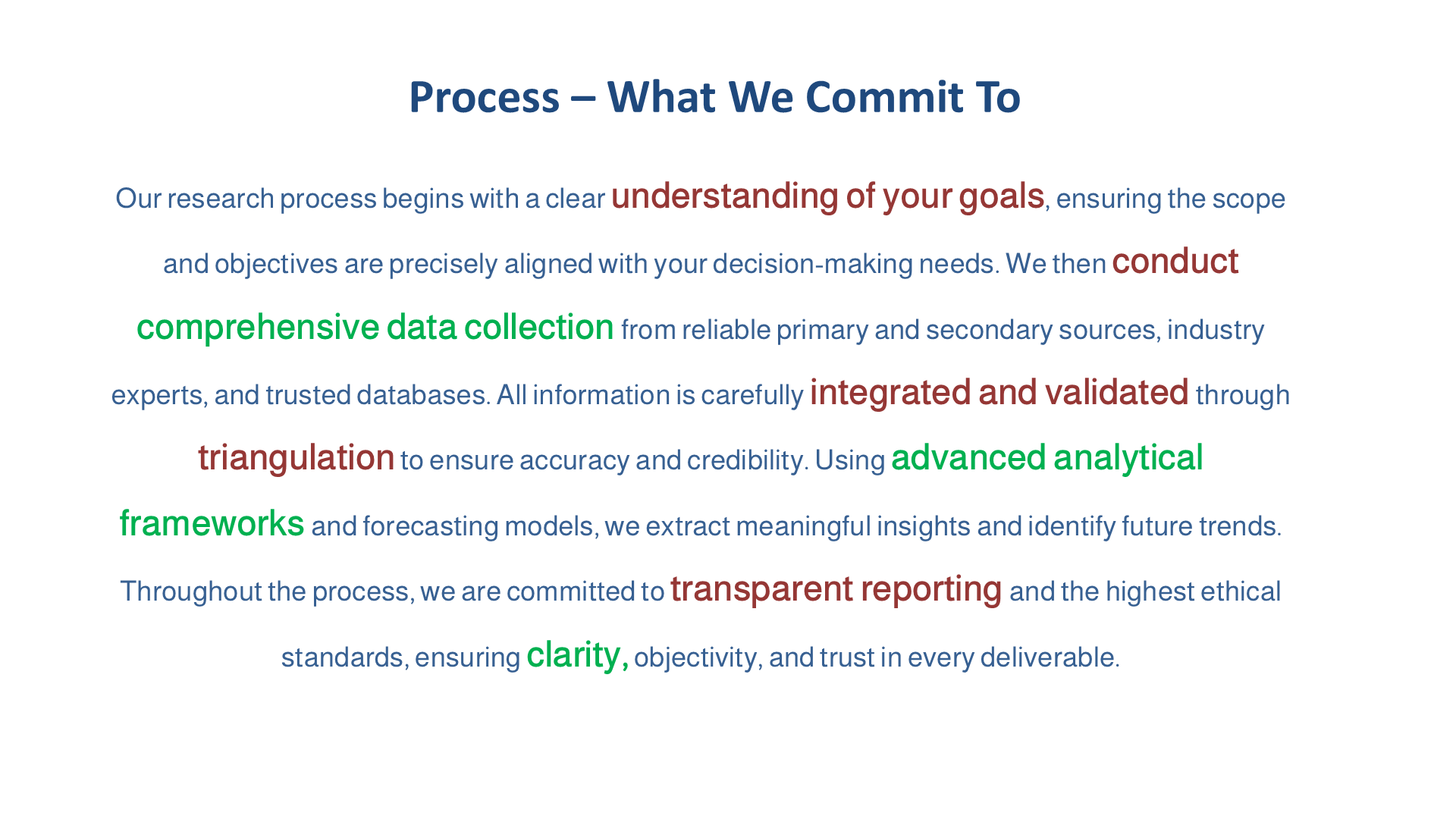
- Research Scope of Global Anterior Uveitis Treatment Report
- Market Research Process
- Market Research Methodology
- Global Anterior Uveitis Treatment Market Size, By Regions (USD MN)
- Porters Five Forces Analysis
- PESTLE Analysis
- Market Attractiveness Analysis
- Value Chain Analysis
- Global Market Analysis By Type-2022-2034(USD MN)
- Infectious Uveitis Market Sales By Geography (USD MN)
- Non-Infectious Uveitis Market Sales By Geography (USD MN)
- Global Market Analysis By Therapy-2022-2034(USD MN)
- Corticosteroids Market Sales By Geography (USD MN)
- Immunosuppressive Therapies Market Sales By Geography (USD MN)
- Biologics Market Sales By Geography (USD MN)
- Others Market Sales By Geography (USD MN)
- Pipeline Therapies Market Sales By Geography (USD MN)
- Global Market Analysis By Distribution Channel-2022-2034(USD MN)
- Hospital Pharmacies Market Sales By Geography (USD MN)
- Retail Pharmacies Market Sales By Geography (USD MN)
- Online Pharmacies Market Sales By Geography (USD MN)
- Global Market Sales-2022-2034 (USD MN)
- North America Market Sales-2022-2034 (USD MN)
- Europe Market Sales-2022-2034 (USD MN)
- Asia Pacific Market Sales-2022-2034 (USD MN)
- Latin America Market Sales-2022-2034 (USD MN)
- Middle East & Africa Market Sales-2022-2034 (USD MN)
- Recent Development in Industry
- Top Company Market Share Analysis



Frequently Asked Questions (FAQs) about this Report
How big is the Global Anterior Uveitis Treatment market?
What is the Global Anterior Uveitis Treatment market growth?
Which region holds the highest share in the Global Anterior Uveitis Treatment market?
How is the Global Anterior Uveitis Treatment market segmented in the report?
Which segment accounted for the largest anterior uveitis treatment market share?
What are the factors driving the anterior uveitis treatment market?
Who are the key players in the Global Anterior Uveitis Treatment market?