Global Air Powered Vehicle Market Size, Share, Trends & Growth Analysis Report Segmented By Vehicle Type (Passenger Vehicle, Commercial Vehicle, Motorcycles & Scooters), Product Type, Range, Top Speed And Regions (North America, Europe, Asia-Pacific, Latin America, Middle East and Africa), 2026-2034
Air Powered Vehicle Market Size and Share
The global air powered vehicle market size was valued at USD 356.36 Million in 2025 and is projected to grow from USD 494.77 Million in 2026 to USD 6831.58 Million by 2034, at a CAGR of 38.84% during the forecast period.
The air powered vehicle market is positioned within the wider transition toward cleaner and more efficient road mobility, particularly where lightweight propulsion can address short-distance transport needs. Road transport emissions exceeded 6 Gt CO₂ globally, according to the IEA, while passenger cars and vans accounted for more than 60% of road-sector emissions. The technology remains differentiated by its use of compressed air rather than conventional fuel combustion. Regulatory pressure is also strengthening the commercial case for low-emission propulsion, with the European Commission reporting a 28% decline in average CO₂ emissions from new passenger cars. Within this environment, air powered vehicle market size development will depend on practical range, refueling infrastructure, vehicle cost, and energy efficiency.
Air Powered Vehicle Market Trends & Future Outlook
Lightweight urban mobility is becoming more important as cities seek lower-emission transport options. According to the IEA, more than 9% of the global two- and three-wheeler fleet is now electric, highlighting strong consumer acceptance of alternative propulsion in compact vehicles. This creates an opportunity for air-powered motorcycles, scooters, and small passenger vehicles where short-distance usability matters.
Vehicle efficiency is increasingly influencing propulsion technology decisions. The European Commission reports that zero-emission vehicles represented 14.5% of new car registrations and 6.4% of new van registrations across the EU, Norway, and Iceland. Such adoption reinforces competitive pressure on emerging propulsion systems to demonstrate low operating costs, simple maintenance, and credible environmental benefits.
Infrastructure compatibility will remain a central consideration for alternative mobility concepts. The IEA identifies charging infrastructure expansion as a major requirement for road-transport decarbonization, while its net-zero pathway places strong emphasis on electrification. Air powered systems therefore need convenient compression and refueling networks to convert technical potential into broader market demand and sustained market growth.
Impact of AI in the Air Powered Vehicle Market
AI can improve air powered vehicle development by optimizing compressor operation, pressure management, route planning, and energy consumption under changing driving conditions. According to the IEA, vehicle activity increased by nearly 25% while direct road-transport emissions rose by almost 10%, strengthening the need for efficiency-focused mobility technologies. AI-enabled control systems can help manufacturers balance acceleration, pressure utilization, payload, and driving conditions. Predictive maintenance can also identify abnormal pressure losses and component degradation before failures occur. In commercial fleets, intelligent routing can prioritize operating conditions where compressed-air propulsion provides the strongest practical advantage. These capabilities could improve the air powered vehicle market share of digitally managed mobility platforms by making performance more measurable and operationally predictable.
Air Powered Vehicle Market Investment Analysis
Investment interest in air powered mobility is closely linked to the broader capital shift toward low-emission transportation technologies, although technological validation remains essential. According to the European Commission, EU zero-emission cars represented 14.5% of new registrations, demonstrating the increasing competitive pressure on alternative propulsion concepts. Investors are likely to prioritize compressor efficiency, storage technology, lightweight materials, safety, and practical range. Fleet applications may offer attractive testing grounds because predictable routes can reduce operational uncertainty. Partnerships with established vehicle manufacturers could also lower commercialization barriers. From an investment perspective, air powered vehicle market demand is more likely to strengthen where infrastructure requirements remain manageable and operating economics can compete with established electric and combustion alternatives.
Emerging Innovations in the Air Powered Vehicle Market
Advanced pressure-management systems are emerging as an important innovation area, with intelligent valves, sensors, and electronic controls capable of improving compressed-air utilization. AI-based monitoring can further optimize pressure release according to speed, payload, and road conditions, supporting better efficiency and more predictable vehicle performance.
Lightweight materials can improve the practicality of air-powered propulsion by reducing the energy required for vehicle movement. Composite structures, optimized chassis designs, and lighter body components can help offset the limitations associated with compressed-air storage while supporting longer usable operating ranges.
Hybrid propulsion architectures represent another potential innovation pathway, combining compressed-air systems with electric or regenerative technologies. The IEA identifies electrification as a major road-transport decarbonization lever, with electric propulsion already expanding across multiple vehicle categories. Such combinations could improve flexibility while reducing dependence on a single energy source.
Air Powered Vehicle Market Dynamics
Market Drivers
Air powered vehicle market adoption can benefit from rising pressure to reduce transport emissions and improve urban mobility efficiency. According to the European Commission, passenger cars and light commercial vans together account for about 19% of EU carbon dioxide emissions. This strengthens interest in alternative propulsion technologies. Lightweight vehicle designs can further support energy efficiency where payload requirements are limited. Urban fleets with predictable routes may provide suitable operating conditions for compressed-air systems. Cleaner procurement policies can also encourage experimentation with nontraditional propulsion. Together, these factors can improve the commercial case for air-powered mobility in selected applications.
Market Restraints
Air powered vehicle market commercialization faces limitations related to energy storage, driving range, compressor requirements, and the availability of specialized refueling infrastructure. According to the IEA, more than 60% of road emissions originate from passenger cars and vans, creating strong pressure for scalable alternatives while increasing the performance expectations placed on new technologies. Compressed-air systems must demonstrate sufficient range for practical daily use. Storage-system weight and pressure-management requirements can also affect vehicle design. Consumer familiarity remains lower than for battery-electric vehicles. These constraints can make large-scale deployment difficult without clear operating advantages.
Market Opportunities
Opportunities are strongest in compact urban vehicles, fleet applications, motorcycles, scooters, and specialized short-distance transport. According to the IEA, electric two- and three-wheelers accounted for around 15% of global sales, showing strong acceptance of alternative propulsion within smaller mobility categories. This environment can support experimentation with compressed-air platforms. Manufacturers can also explore modular propulsion systems suited to different operating cycles. Partnerships with fleet operators could provide controlled environments for technology validation. Integration with digital fleet-management systems may further improve utilization and maintenance planning. These applications could create practical entry points before broader passenger-vehicle commercialization.
Market Challenges
Air powered vehicle market development must overcome competition from increasingly mature electric vehicles, evolving emissions regulations, and differences in infrastructure availability between regions. The European Commission has established a 25% zero- and low-emission vehicle benchmark for new passenger cars under its regulatory framework. This raises the competitive threshold for emerging propulsion technologies. Manufacturers must demonstrate measurable efficiency without compromising safety or usability. Standardization of compressed-air components and refueling practices may also be necessary. Supply-chain readiness presents another challenge, particularly for specialized pressure-storage components. Long-term competitiveness will depend on proving reliability at commercial scale.
Air Powered Vehicle Market Segmentation Insights
Air Powered Vehicle Market Analysis, By Vehicle Type
By vehicle type, the market is categorized into passenger vehicle, commercial vehicle, and motorcycles & scooters.
Passenger Vehicle is the largest segment, supported by the suitability of compressed-air propulsion for lightweight urban transportation and compact mobility applications. Vehicle concepts from Motor Development International have focused strongly on small passenger platforms, where lower vehicle weight can support pneumatic operation. These characteristics continue to influence the air powered vehicle market size across emerging mobility applications. Motorcycles & Scooters are expected to be the fastest-growing segment because their compact dimensions and lower weight can improve the practicality of compressed-air propulsion for short-distance travel. Their simpler vehicle architecture also supports urban mobility applications, where maneuverability and operating efficiency are important. This segment could gain further traction as manufacturers explore alternative propulsion technologies.
Air Powered Vehicle Market Analysis, By Product Type
By product type, the market is categorized into single energy mode and dual energy mode.
Single Energy Mode represents the largest segment because it uses compressed air as the primary propulsion source and offers a comparatively straightforward powertrain configuration. This approach remains relevant for demonstration vehicles and specialized mobility concepts, particularly where shorter operating distances and simpler propulsion requirements are preferred. These characteristics support its position within the air powered vehicle market share. Dual Energy Mode is expected to be the fastest-growing segment as combining compressed air with another energy source can provide greater flexibility in vehicle operation. Hybrid configurations can support additional power requirements while retaining pneumatic assistance, making the technology more adaptable to different driving conditions. Manufacturers can also use dual-energy architectures to address range-related operating requirements.
Air Powered Vehicle Market Analysis, By Range
By range, the market is categorized into less than 100 KM, 100–200 KM, and More Than 200 KM.
Less Than 100 KM is the largest segment because compressed-air propulsion is particularly suited to short-distance urban transportation. Lower range requirements reduce pressure on onboard storage capacity and allow manufacturers to emphasize lightweight construction and efficient pneumatic systems. These characteristics create favorable conditions for continued air powered vehicle market growth in compact mobility applications. 100–200 KM is expected to be the fastest-growing segment as developers seek to extend practical driving distances through improved compressed-air storage, vehicle efficiency, and powertrain design. This range can serve urban and selected intercity applications while providing a balance between operating distance and the technical requirements associated with higher onboard energy storage.
Air Powered Vehicle Market Analysis, By Top Speed
By top speed, the market is categorized into up To 100 kmph and More Than 100 kmph.
Up To 100 kmph represents the largest segment because air-powered vehicle concepts are primarily suited to urban and short-distance mobility. Lower-speed operation can reduce propulsion requirements and support lighter vehicle designs, making this category compatible with the current characteristics of compressed-air powertrains. Urban commuting applications also provide a relevant base for air powered vehicle market demand. More Than 100 kmph is expected to be the fastest-growing segment as technology developers pursue higher power output and improved vehicle performance. Higher-speed applications could broaden the role of pneumatic propulsion beyond urban mobility. However, vehicle weight, compressed-air storage, acceleration requirements, and sustained power delivery remain important considerations when developing higher-speed air-powered vehicles.
Air Powered Vehicle Market Regional Insights
North America Air Powered Vehicle Market
North America has a mature automotive ecosystem, established component suppliers, and growing attention toward cleaner transportation technologies. According to the International Energy Agency, Mexico doubled its electric-car production to 220,000 vehicles, highlighting expanding regional clean-mobility manufacturing capabilities. Fleet applications, compact urban vehicles, and specialized commercial transportation can provide suitable entry points for air-powered systems. The region’s engineering base can also support lightweight materials, pressure-management technologies, and intelligent vehicle controls. Within this environment, air powered vehicle market demand is likely to depend on practical range, refueling convenience, safety, and competitive operating costs.
U.S. Air Powered Vehicle Market
The U.S. has a large automotive industry supported by advanced engineering, established manufacturers, and extensive vehicle research capabilities. According to the International Energy Agency, more than 85% of electric models available in the U.S. are large cars or SUVs, indicating strong availability of larger vehicle platforms. This creates potential room for differentiated compact mobility concepts. Air-powered vehicles could initially target delivery fleets, municipal transportation, and controlled urban applications. Commercial adoption will depend on demonstrating reliable performance, manageable operating costs, efficient compressed-air storage, and convenient refueling infrastructure.
Europe Air Powered Vehicle Market
Europe has a strong regulatory focus on reducing road-transport emissions and improving vehicle efficiency. According to the European Commission, average CO₂ emissions from new passenger cars declined by 28%, while new vans recorded a 9% reduction. These improvements raise the performance benchmark for emerging propulsion technologies. Air-powered systems may find opportunities in compact urban vehicles, specialized fleets, and low-speed transportation. The air powered vehicle market growth outlook will depend on efficiency, safety, infrastructure compatibility, regulatory approval, and the ability to provide measurable operating advantages over established electric alternatives.
U.K. Air Powered Vehicle Market
The U.K. combines automotive engineering capabilities with policies encouraging cleaner road transportation and improved vehicle efficiency. According to the International Energy Agency, the country has enforceable vehicle efficiency standards that support continued reductions in transport-related emissions. This regulatory direction can encourage manufacturers to examine alternative propulsion architectures. Air-powered vehicles may be considered for urban delivery, municipal fleets, and short-distance commercial transportation. Their market potential will depend on practical driving range, refueling availability, reliability, maintenance requirements, and total ownership economics compared with battery-electric and conventional vehicles.
Germany Air Powered Vehicle Market
Germany remains a major automotive manufacturing center with deep expertise in vehicle engineering, components, automation, and powertrain development. According to the European Commission, Germany operates under European vehicle CO₂ standards that progressively tighten performance requirements for new vehicles. Such regulation encourages manufacturers to evaluate technologies capable of improving transport efficiency. Air-powered systems could be explored in specialized fleets and compact urban applications where their operating characteristics are most suitable. Commercial viability will depend on pressure-storage performance, safety, durability, production integration, and the ability to compete effectively with established electric propulsion technologies.
Asia Pacific Air Powered Vehicle Market
Asia Pacific provides substantial opportunities for compact mobility because motorcycles, scooters, and lightweight commercial vehicles are widely used across major economies. According to the International Energy Agency, China, India, and Southeast Asia together accounted for around 80% of global two- and three-wheeler sales. This creates a broad platform for testing alternative propulsion concepts. Air-powered systems may initially suit scooters, motorcycles, delivery fleets, and compact urban vehicles. The market size opportunity will depend on affordability, localized production, infrastructure availability, vehicle durability, and practical operating range.
China Air Powered Vehicle Market
China has a highly developed automotive manufacturing ecosystem and extensive capabilities in alternative powertrain technologies. According to the International Energy Agency, China produced 12.4 million electric cars and accounted for more than 70% of global electric-car production. This manufacturing strength creates both opportunities and strong competition for air-powered technologies. Specialized compact vehicles may offer a more practical entry point than mainstream passenger cars. Developers will need clear differentiation through lightweight construction, operating efficiency, affordability, pressure management, and specialized fleet applications to establish a sustainable position.
Japan Air Powered Vehicle Market
Japan has advanced automotive engineering capabilities and long-standing expertise in compact, efficient vehicle design. According to the International Energy Agency, Japan and Korea accounted for most of the nearly 640,000 electric cars exported from Asia Pacific excluding China. This demonstrates the region’s strong vehicle-development and export capabilities. Air-powered concepts could be evaluated for compact urban transportation and specialized commercial applications. Their commercial prospects will depend on safety validation, durability, pressure-management efficiency, lightweight construction, and effective integration with established automotive manufacturing systems.
India Air Powered Vehicle Market
India offers opportunities for compact alternative mobility because two-wheelers and three-wheelers are widely used for personal transportation, deliveries, and commercial activity. According to the International Energy Agency, electric two-wheelers represented close to 10% of Indian two-wheeler sales. This indicates growing acceptance of alternative propulsion in a highly cost-sensitive category. Air-powered motorcycles, scooters, and delivery vehicles could therefore represent targeted applications. The air powered vehicle market share opportunity will depend on affordability, operating range, local manufacturing, maintenance access, and convenient refueling solutions.
Latin America Air Powered Vehicle Market
Latin America is developing greater interest in cleaner transportation as cities address congestion, emissions, and mobility efficiency. According to the World Bank, transport contributes more than one-quarter of greenhouse-gas emissions in Latin America and the Caribbean. This creates a clear policy rationale for evaluating lower-emission transportation technologies. Air-powered vehicles could target compact urban mobility, delivery services, and controlled commercial fleets. Their adoption potential will depend on affordability, infrastructure development, maintenance availability, and competitive performance. Local partnerships could also support commercialization by improving servicing and component availability.
Middle East & Africa Air Powered Vehicle Market
The Middle East and Africa contain highly diverse transportation environments, with significant differences in infrastructure, vehicle usage, climate, and urban development. According to the International Energy Agency, electric two-wheeler sales in Africa reached about 70,000 vehicles, demonstrating increasing interest in alternative mobility. Air-powered systems may be suited to selected urban fleets and specialized short-distance applications. High temperatures make pressure stability, component durability, and thermal performance important engineering considerations. The air powered vehicle market growth opportunity will depend on infrastructure readiness, maintenance capabilities, vehicle economics, and regulatory acceptance.
GCC Air Powered Vehicle Market
The GCC offers a technologically advanced environment for evaluating alternative mobility solutions, particularly across large cities and controlled fleet applications. According to the International Energy Agency, electric-car adoption is expanding across the Middle East as governments and consumers increasingly consider alternative propulsion technologies. Air-powered vehicles could be explored for logistics, municipal fleets, and specialized urban transportation. High ambient temperatures make pressure management and component durability particularly important. The market demand will depend on reliable performance, suitable refueling infrastructure, operating economics, regulatory support, and successful demonstration projects.
Air Powered Vehicle Market Competitive Overview
The air powered vehicle market remains a specialized competitive field combining established automotive manufacturers with companies focused on compressed-air propulsion concepts. Audi AG, BMW Group, General Motors, Honda, Hyundai, Mercedes-Benz, Toyota, Volkswagen, Tata Motors, Volvo Group, and Stellantis bring large-scale engineering, manufacturing, and distribution capabilities. Engineair Pty Ltd, Magnetic Air Car Inc., and Motor Development International SA add more specialized technology exposure. Competition is likely to center on lightweight vehicle design, pressure-storage efficiency, drivetrain integration, safety, operating economics, and practical range. The broader clean-mobility environment is becoming more competitive, with the International Energy Agency reporting that electric two- and three-wheelers represented around 15% of global sales. This makes differentiated performance and application-specific economics critical competitive advantages.
Leading Market Players in the Air Powered Vehicle Market
- Audi AG (Volkswagen Group): Audi brings extensive expertise in vehicle engineering, lightweight construction, aerodynamics, digital systems, and advanced powertrain integration. Its premium automotive capabilities are relevant to alternative propulsion concepts requiring efficient energy management and refined vehicle architecture. The company also benefits from access to the broader Volkswagen Group engineering and manufacturing ecosystem. Within the air powered vehicle market, these capabilities could support experimentation with intelligent propulsion controls, optimized vehicle structures, and energy-efficient mobility platforms. Audi’s competitive strength is particularly relevant where alternative propulsion must meet demanding standards for performance, safety, comfort, and integration. Its established global presence can also support technology validation across different vehicle categories and operating environments.
- BMW Group: BMW Group combines strong capabilities in vehicle dynamics, lightweight engineering, powertrain development, digital technologies, and premium vehicle manufacturing. These capabilities are relevant to air-powered mobility because compressed-air propulsion requires careful attention to vehicle weight, energy utilization, acceleration characteristics, and system integration. The company’s experience with electrification and alternative drivetrain technologies provides a useful engineering foundation for evaluating emerging propulsion architectures. Within the air powered vehicle market, BMW’s potential competitive advantage would come from combining propulsion innovation with sophisticated vehicle controls and lightweight platforms. Its established premium positioning also provides experience in commercializing advanced technologies while maintaining expectations for reliability, driving performance, safety, and user experience.
- Motor Development International SA (MDI): Motor Development International SA is a specialized participant associated directly with compressed-air vehicle technology and alternative propulsion development. Its focus differentiates it from large automotive groups that approach alternative mobility through broader technology portfolios. The company’s relevance to the air powered vehicle market comes from its emphasis on compressed-air propulsion concepts, vehicle architecture, and applications designed around alternative energy storage. MDI’s specialized positioning can support continued technology development in areas such as air-powered drivetrains, compact vehicle platforms, and efficient pressure utilization. Its competitive importance will depend on translating the underlying technology into reliable, scalable, commercially practical vehicles that can meet modern safety, performance, regulatory, and customer requirements.
List of Companies Profiled in the Report are:
{report_table}
Analyst’s View on the Air Powered Vehicle Market
- The air powered vehicle market share opportunity is likely to remain focused on specialized applications where lightweight construction, predictable routes, and short-distance operation can offset the limitations associated with compressed-air energy storage.
- Regulatory pressure is strengthening the broader low-emission vehicle environment. The European Commission uses a 25% ZLEV benchmark for cars and 17% for vans within its manufacturer incentive mechanism, increasing the need for credible clean-transport solutions.
- Two-wheelers and compact commercial vehicles could provide more practical entry points than long-distance passenger vehicles. The International Energy Agency reports that electric two- and three-wheelers already represent around 15% of global sales, demonstrating strong consumer acceptance of alternative propulsion in smaller vehicle categories.
- Investment decisions should prioritize pressure-storage performance, vehicle weight, refueling infrastructure, safety, and lifecycle operating economics rather than technology novelty alone. These factors will determine whether compressed-air systems can move from demonstration projects toward repeatable commercial applications.
- Competitive positioning will increasingly depend on application-specific economics. Established automotive manufacturers have scale and supply-chain advantages, while specialized developers can differentiate through compressed-air technology, creating a competitive landscape where partnerships may accelerate commercialization.
List of Segments Covered
This section of the market report provides detailed data on the segments at country and regional level, thereby assisting the strategist in identifying the target demographics for the respective product or services with the upcoming opportunities.
By Vehicle Type By Product Type By Range By Top Speed
1.1. Market Segmentation & Scope
1.2. Market Definition
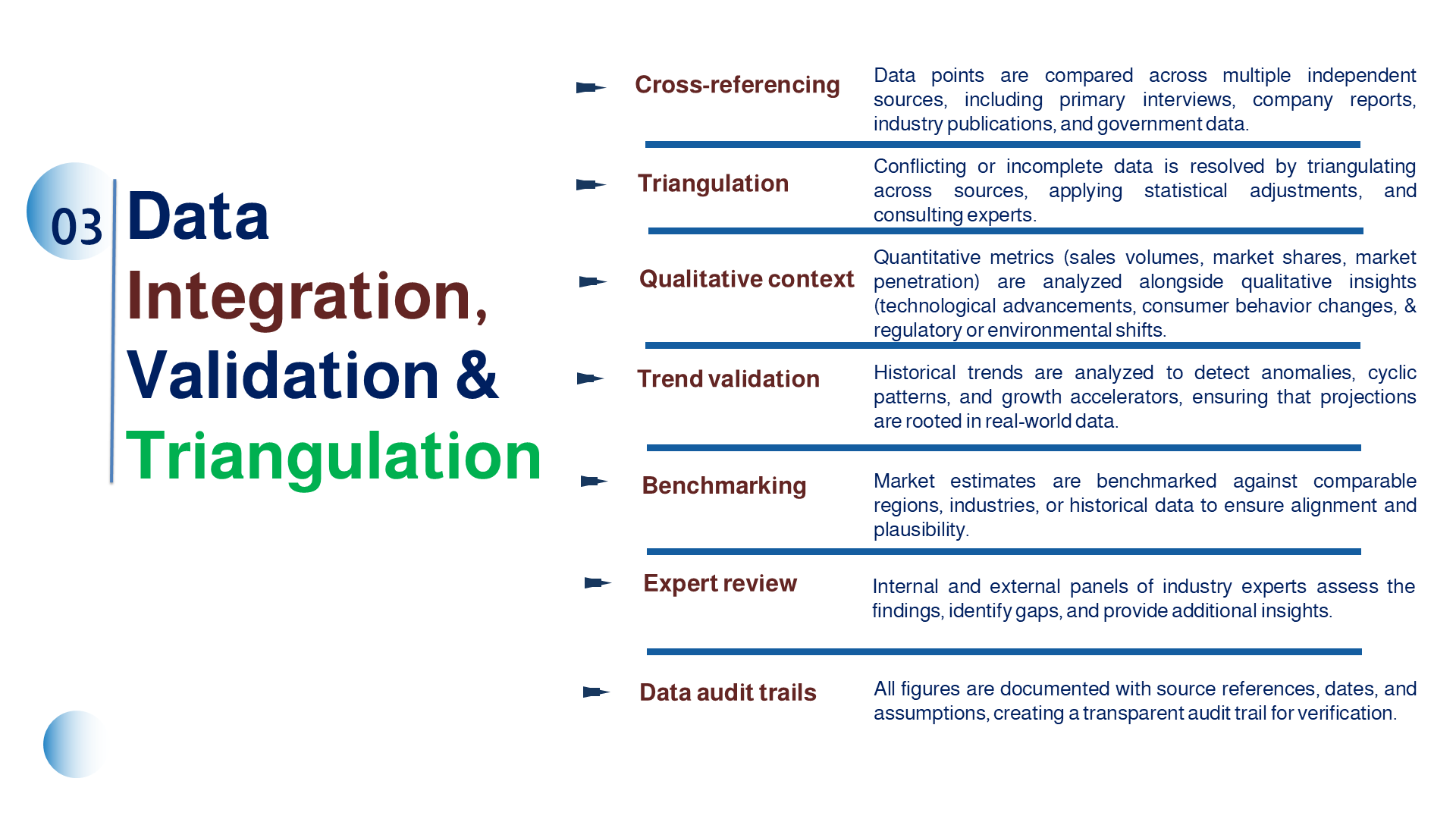
1.3. Information Procurement
1.3.1 Information Analysis
1.3.2 Market Formulation & Data Visualization
1.3.3 Data Validation & Publishing
1.4. Research Scope and Assumptions
1.4.1 List of Data Sources
Chapter 2. EXECUTIVE SUMMARY
2.1. Market Snapshot
2.2. Segmental Outlook
2.3. Competitive Outlook
Chapter 3. MARKET VARIABLES, TRENDS, FRAMEWORK
3.1. Market Lineage Outlook
3.2. Penetration & Growth Prospect Mapping
3.3. Value Chain Analysis
3.4. Regulatory Framework
3.4.1 Standards & Compliance
3.4.2 Regulatory Impact Analysis
3.5. Market Dynamics
3.5.1 Market Drivers
3.5.2 Market Restraints
3.5.3 Market Opportunities
3.5.4 Market Challenges
3.6. Porter's Five Forces Analysis
3.7. PESTLE Analysis
Chapter 4. GLOBAL AIR POWERED VEHICLE MARKET: BY VEHICLE TYPE 2022-2034 (USD MN and Units)
4.1. Market Analysis, Insights and Forecast Vehicle Type
4.2. Passenger Vehicle Estimates and Forecasts By Regions 2022-2034 (USD MN and Units)
4.3. Commercial Vehicle Estimates and Forecasts By Regions 2022-2034 (USD MN and Units)
4.4. Motorcycles & Scooters Estimates and Forecasts By Regions 2022-2034 (USD MN and Units)
Chapter 5. GLOBAL AIR POWERED VEHICLE MARKET: BY PRODUCT TYPE 2022-2034 (USD MN and Units)
5.1. Market Analysis, Insights and Forecast Product Type
5.2. Single Energy Mode Estimates and Forecasts By Regions 2022-2034 (USD MN and Units)
5.3. Dual Energy Mode Estimates and Forecasts By Regions 2022-2034 (USD MN and Units)
Chapter 6. GLOBAL AIR POWERED VEHICLE MARKET: BY RANGE 2022-2034 (USD MN and Units)
6.1. Market Analysis, Insights and Forecast Range
6.2. Less Than 100 KM Estimates and Forecasts By Regions 2022-2034 (USD MN and Units)
6.3. 100–200 KM Estimates and Forecasts By Regions 2022-2034 (USD MN and Units)
6.4. More Than 200 KM Estimates and Forecasts By Regions 2022-2034 (USD MN and Units)
Chapter 7. GLOBAL AIR POWERED VEHICLE MARKET: BY TOP SPEED 2022-2034 (USD MN and Units)
7.1. Market Analysis, Insights and Forecast Top Speed
7.2. Up To 100 kmph Estimates and Forecasts By Regions 2022-2034 (USD MN and Units)
7.3. More Than 100 kmph Estimates and Forecasts By Regions 2022-2034 (USD MN and Units)
Chapter 8. GLOBAL AIR POWERED VEHICLE MARKET: BY REGION 2022-2034 (USD MN and Units)
8.1. Regional Outlook
8.2. North America Market Analysis, Insights and Forecast, 2022-2034 (USD MN and Units)
8.2.1 By Vehicle Type
8.2.2 By Product Type
8.2.3 By Range
8.2.4 By Top Speed
8.2.5 United States
8.2.6 Canada
8.2.7 Mexico
8.3. Europe Market Analysis, Insights and Forecast, 2022-2034 (USD MN and Units)
8.3.1 By Vehicle Type
8.3.2 By Product Type
8.3.3 By Range
8.3.4 By Top Speed
8.3.5 United Kingdom
8.3.6 France
8.3.7 Germany
8.3.8 Italy
8.3.9 Spain
8.3.10 Russia
8.3.11 Rest Of Europe
8.4. Asia-Pacific Market Analysis, Insights and Forecast, 2022-2034 (USD MN and Units)
8.4.1 By Vehicle Type
8.4.2 By Product Type
8.4.3 By Range
8.4.4 By Top Speed
8.4.5 China
8.4.6 Japan
8.4.7 South Korea
8.4.8 India
8.4.9 Australia
8.4.10 South East Asia
8.4.11 Rest Of Asia Pacific
8.5. Latin America Market Analysis, Insights and Forecast, 2022-2034 (USD MN and Units)
8.5.1 By Vehicle Type
8.5.2 By Product Type
8.5.3 By Range
8.5.4 By Top Speed
8.5.5 Brazil
8.5.6 Argentina
8.5.7 Peru
8.5.8 Chile
8.5.9 Rest of Latin America
8.6. Middle East & Africa Market Analysis, Insights and Forecast, 2022-2034 (USD MN and Units)
8.6.1 By Vehicle Type
8.6.2 By Product Type
8.6.3 By Range
8.6.4 By Top Speed
8.6.5 Saudi Arabia
8.6.6 UAE
8.6.7 Israel
8.6.8 South Africa
8.6.9 Rest of the Middle East And Africa
Chapter 9. COMPETITIVE LANDSCAPE
9.1. Recent Developments
9.2. Company Categorization
9.3. Supply Chain & Channel Partners (based on availability)
9.4. Market Share & Positioning Analysis (based on availability)
9.5. Vendor Landscape (based on availability)
9.6. Strategy Mapping
Chapter 10. COMPANY PROFILES OF GLOBAL AIR POWERED VEHICLE INDUSTRY
10.1. Top Companies Market Share Analysis
10.2. Company Profiles (Overview, Services, Financials (based on availability), Recent Developments,
Strategies, SWOT, Etc.)
10.2.1 Audi AG (Volkswagen Group)
10.2.2 BMW Group
10.2.3 Engineair Pty Ltd
10.2.4 General Motors Company
10.2.5 Honda Motor Company Ltd
10.2.6 Hyundai Motor Company
10.2.7 Magnetic Air Car Inc
10.2.8 MAN SE (TRATON / Volkswagen Group)
10.2.9 Mercedes-Benz Group AG
10.2.10 Motor Development International SA (MDI)
10.2.11 Stellantis N.V. (Groupe PSA / Peugeot S.A.)
10.2.12 Suzuki Motor Corporation
10.2.13 Tata Motors Limited
10.2.14 Toyota Motor Corporation
10.2.15 Volvo Group (AB Volvo)
10.2.16 Volkswagen AG
LIST OF TABLES
- Market Snapshot
- Segment Outlook
- Competitive Outlook
- Market Analysis By Vehicle Type-2022-2034 (USD MN and Units)
- Passenger Vehicle Market Size By Geography (USD MN and Units)
- Commercial Vehicle Market Size By Geography (USD MN and Units)
- Motorcycles & Scooters Market Size By Geography (USD MN and Units)
- Market Analysis By Product Type-2022-2034 (USD MN and Units)
- Single Energy Mode Market Size By Geography (USD MN and Units)
- Dual Energy Mode Market Size By Geography (USD MN and Units)
- Market Analysis By Range-2022-2034 (USD MN and Units)
- Less Than 100 KM Market Size By Geography (USD MN and Units)
- 100–200 KM Market Size By Geography (USD MN and Units)
- More Than 200 KM Market Size By Geography (USD MN and Units)
- Market Analysis By Top Speed-2022-2034 (USD MN and Units)
- Up To 100 kmph Market Size By Geography (USD MN and Units)
- More Than 100 kmph Market Size By Geography (USD MN and Units)
- Global Air Powered Vehicle Market Sales By Geography-2022-2034 (USD MN and Units)
- North America Market Analysis (USD MN and Units)
- United States Market Analysis (USD MN and Units)
- Canada Market Analysis (USD MN and Units)
- Mexico Market Analysis (USD MN and Units)
- Europe Market Analysis (USD MN and Units)
- United Kingdom Market Analysis (USD MN and Units)
- France Market Analysis (USD MN and Units)
- Germany Market Analysis (USD MN and Units)
- Italy Market Analysis (USD MN and Units)
- Russia Market Analysis (USD MN and Units)
- Spain Market Analysis (USD MN and Units)
- Rest of Europe Market Analysis (USD MN and Units)
- Asia Pacific Market Analysis (USD MN and Units)
- China Market Analysis (USD MN and Units)
- Japan Market Analysis (USD MN and Units)
- India Market Analysis (USD MN and Units)
- South Korea Market Analysis (USD MN and Units)
- Australia Market Analysis (USD MN and Units)
- South East Asia Market Analysis (USD MN and Units)
- Rest of Asia Pacific Market Analysis (USD MN and Units)
- Latin America Market Analysis (USD MN and Units)
- Brazil Market Analysis (USD MN and Units)
- Argentina Market Analysis (USD MN and Units)
- Peru Market Analysis (USD MN and Units)
- Chile Market Analysis (USD MN and Units)
- Rest of Latin America Market Analysis (USD MN and Units)
- Middle East & Africa Market Analysis (USD MN and Units)
- Saudi Arabia Market Analysis (USD MN and Units)
- UAE Market Analysis (USD MN and Units)
- Israel Market Analysis (USD MN and Units)
- South Africa Market Analysis (USD MN and Units)
- Rest of Middle East and Africa Market Analysis (USD MN and Units)
- Partnership/Collaboration/Agreement
- Mergers And Acquisition
LIST OF FIGURES
- Research Scope of Global Air Powered Vehicle Report
- Market Research Process
- Market Research Methodology
- Global Air Powered Vehicle Market Size, By Regions (USD MN and Units)
- Porters Five Forces Analysis
- PESTLE Analysis
- Market Attractiveness Analysis
- Value Chain Analysis
- Global Market Analysis By Vehicle Type-2022-2034(USD MN and Units)
- Passenger Vehicle Market Sales By Geography (USD MN and Units)
- Commercial Vehicle Market Sales By Geography (USD MN and Units)
- Motorcycles & Scooters Market Sales By Geography (USD MN and Units)
- Global Market Analysis By Product Type-2022-2034(USD MN and Units)
- Single Energy Mode Market Sales By Geography (USD MN and Units)
- Dual Energy Mode Market Sales By Geography (USD MN and Units)
- Global Market Analysis By Range-2022-2034(USD MN and Units)
- Less Than 100 KM Market Sales By Geography (USD MN and Units)
- 100–200 KM Market Sales By Geography (USD MN and Units)
- More Than 200 KM Market Sales By Geography (USD MN and Units)
- Global Market Analysis By Top Speed-2022-2034(USD MN and Units)
- Up To 100 kmph Market Sales By Geography (USD MN and Units)
- More Than 100 kmph Market Sales By Geography (USD MN and Units)
- Global Market Sales-2022-2034 (USD MN and Units)
- North America Market Sales-2022-2034 (USD MN and Units)
- Europe Market Sales-2022-2034 (USD MN and Units)
- Asia Pacific Market Sales-2022-2034 (USD MN and Units)
- Latin America Market Sales-2022-2034 (USD MN and Units)
- Middle East & Africa Market Sales-2022-2034 (USD MN and Units)
- Recent Development in Industry
- Top Company Market Share Analysis